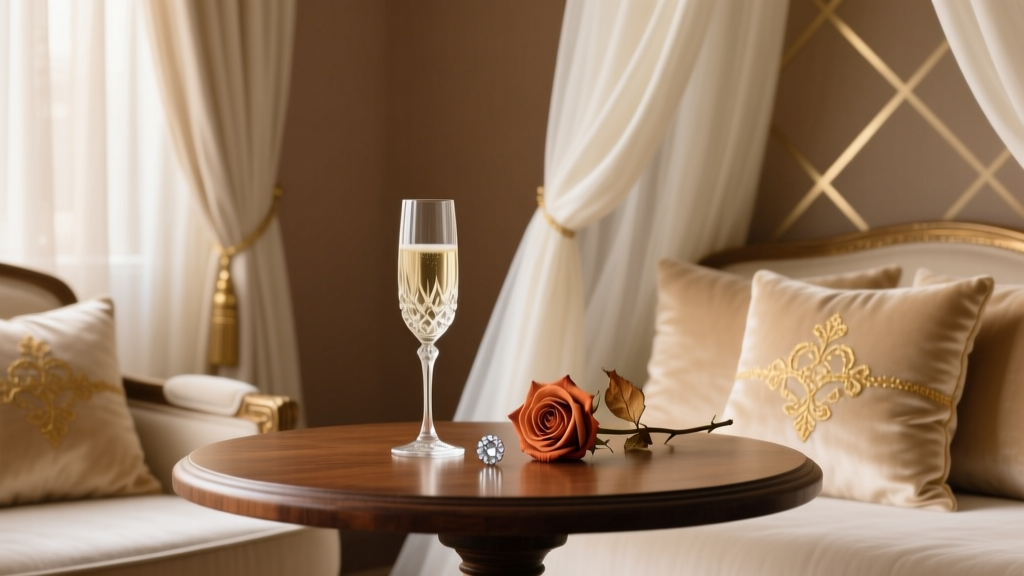
Champagne Diamond Warm Earthy Elegance
Champagne diamonds have a way of making engagement rings and wedding bands feel instantly personal. Their warm, earthy color sits between classic white diamonds and deeper cognac tones, giving you that “timeless, but not ordinary” look. For couples who want an engagement ring that feels romantic and grounded—especially alongside yellow gold or rose gold—champagne diamonds are one of the most flattering choices on the market.
They also solve a common shopping dilemma: many couples love the sparkle and durability of a diamond, but prefer something softer than icy white. Champagne diamonds deliver diamond brilliance with a gentler palette that complements warm skin tones, vintage-inspired settings, and nature-forward aesthetics. Whether you’re shopping for a champagne diamond engagement ring, matching wedding band, or a set that mixes metals and textures, the details matter—color, cut, setting, and craftsmanship all play a big role in how that warmth shows up on the hand.
This guide breaks down what champagne diamonds are, how to judge quality, which metals and settings make them glow, and how to buy confidently—without overpaying or ending up with a stone that looks dull in real life.
What Is a Champagne Diamond?
A champagne diamond is a natural fancy-color diamond in the brown-to-yellow-brown family. The “champagne” description is used for light to medium tones—think honey, toffee, and golden beige—rather than very dark brown (often marketed as “cognac”). Most champagne diamonds get their color from trace elements and structural characteristics in the crystal lattice, not from treatments.
Champagne vs. White Diamonds
- Color: White diamonds are graded D–Z, with D being colorless. Champagne diamonds fall into the fancy color category and are evaluated by hue, tone, and saturation.
- Look: Champagne reads warmer and softer, often looking elegant in candlelight or warm indoor lighting—ideal for wedding settings.
- Value: Many champagne diamonds cost less per carat than colorless diamonds of similar clarity and cut, although well-matched, attractive stones with strong sparkle can command premium pricing.
Champagne vs. Cognac Diamonds
- Champagne: Light to medium warm brown with a golden tint.
- Cognac: Richer, deeper brown/orange-brown, usually more dramatic and high-contrast.
Why Couples Love Champagne Diamonds for Engagement Rings
Today’s engagement ring trends are moving toward individuality: warm metals, vintage silhouettes, mixed textures, and stones that feel more “chosen” than “default.” Champagne diamonds fit perfectly. They also work beautifully with both classic and alternative styles—solitaires, halos, three-stone rings, and even modern bezel-set designs.
- Warmth that flatters: Champagne diamonds pair naturally with yellow gold and rose gold, making the center stone feel integrated rather than stark.
- Vintage appeal: Art Deco and Edwardian-inspired settings look especially authentic with warmer diamonds.
- Easy to personalize: You can choose a light champagne for subtle warmth or a deeper tone for bolder character.
Choosing the Right Champagne Diamond: Color, Cut, Clarity, Carat
Color: The Heart of the Champagne Look
Unlike colorless diamonds, where “less color” is the goal, champagne diamonds are about beautiful color. Look for:
- Even distribution: Patchy color zoning can make the stone look uneven.
- Attractive hue: Many shoppers prefer stones with golden or honey undertones rather than grayish brown.
- Balanced tone: Very light champagne can read close to white in certain lighting, while very dark stones may sacrifice sparkle.
If you’re shopping online, prioritize listings with multiple lighting conditions (daylight, indoor warm light, side view) or request a video.
Cut: Where Sparkle and Warmth Meet
Cut quality determines brilliance, fire, and how lively the diamond looks. Champagne diamonds can appear more “glowy” than “icy,” so a strong cut is key to keeping the stone bright.
- Round brilliant: Maximum sparkle; a top choice if you want the classic engagement ring look with warmer color.
- Oval and cushion: Romantic and flattering on the finger; cushion cuts pair beautifully with halos and vintage detailing.
- Radiant: A great option for bold brilliance with a warm tone—especially in yellow gold.
- Emerald and Asscher: Step cuts show color more clearly and highlight clarity. Choose these if you love a sophisticated, architectural look.
Clarity: Know What You’ll Actually See
Champagne diamonds can hide inclusions better than colorless diamonds, but clarity still matters—especially in step cuts. For most brilliant cuts, eye-clean stones in the SI1–VS2 range can be an excellent value. For emerald or Asscher cuts, consider VS2 or higher if the budget allows.
Carat: Size vs. Presence
Carat weight doesn’t always translate to visible size, especially across different shapes. Ovals and marquises often “face up” larger than rounds of the same carat. If you want a bigger look without jumping in price, consider an oval champagne diamond engagement ring or a well-proportioned elongated cushion.
Best Metals and Settings for Warm Earthy Elegance
Metal Choices
- Yellow gold: The most natural pairing; enhances golden undertones and creates a cohesive, vintage-meets-modern look.
- Rose gold: Adds rosy warmth and romance; especially pretty with light champagne stones.
- Platinum or white gold: Creates contrast, making the champagne color more noticeable. If you love a “pop” of warmth, a white metal band can do that.
- Mixed metal: A current trend: a white metal prong head with a yellow/rose shank. It keeps the center stone secure and bright while maintaining warmth in the band.
Setting Styles That Shine
- Solitaire (prong): Timeless and clean; lets the champagne color stand on its own.
- Bezel: Modern, protective, and ideal for active lifestyles. A thin bezel in yellow gold can intensify warmth.
- Halo: A classic-meets-glam look. Pairing champagne center stones with white diamond halos is a popular contrast trend.
- Three-stone: Symbolic and balanced. Consider side stones in white diamonds for contrast or champagne diamonds for a fully tonal look.
- Pavé band: Adds sparkle and feels bridal, but requires careful maintenance and high-quality craftsmanship.
Matching Wedding Bands with Champagne Diamond Engagement Rings
For a cohesive bridal set, think in terms of color harmony and wearability. Warm diamonds often look best with:
- Plain gold wedding bands: A timeless classic that doesn’t compete with the center stone.
- Diamond eternity or half-eternity bands: White diamonds add crisp sparkle; champagne diamonds create a softer, tonal effect.
- Contoured or curved bands: Helpful if your engagement ring sits low or has a halo; ensures a flush fit without gaps.
- Textured bands: Hammered or matte finishes are trending and complement the earthy feel of champagne stones.
Buying Tips: How to Shop Smart
- Ask for real-life media: Videos in different lighting reveal whether the stone looks lively or flat.
- Confirm natural vs. treated: Some diamonds are color-treated. Treatments aren’t automatically “bad,” but they should be disclosed and priced accordingly.
- Prioritize cut over clarity: A well-cut champagne diamond with slightly lower clarity will typically look more beautiful than a higher-clarity stone with mediocre cut.
- Check prong color strategy: Yellow gold prongs can deepen warmth; white prongs can brighten and increase contrast. Choose based on the tone you want.
- Consider lifestyle: If you’re hard on jewelry, look at bezels, low-profile settings, and sturdier band widths (around 1.8–2.2mm or more, depending on design).
Care and Maintenance for Champagne Diamond Rings
Champagne diamonds are still diamonds—hardness of 10 on the Mohs scale—so they’re excellent for everyday wear. The main issue is not scratching; it’s buildup. Oils, lotion, and soap film can dull sparkle, especially in pavé or halo settings.
- At-home cleaning: Soak in warm water with mild dish soap for 15–20 minutes, then gently brush with a soft toothbrush. Rinse thoroughly and pat dry.
- What to avoid: Harsh chemicals (chlorine, bleach), abrasive cleaners, and rough scrubbing on delicate pavé.
- Professional checks: Have prongs and pavé stones inspected every 6–12 months, especially if you wear the ring daily.
- Storage: Store rings separately in soft pouches to prevent diamonds from scratching other jewelry.
Price Range and Value Tips
Champagne diamond engagement rings can range widely based on whether the diamond is natural or lab-grown, the depth of color, cut quality, and the setting’s craftsmanship.
- Lab-grown champagne diamonds: Often start around $800–$2,500 for smaller centers with simple settings, and scale upward with size and design details.
- Natural champagne diamonds: Commonly range from $1,500–$6,000+ for many engagement ring builds, with premium stones (beautiful color + strong cut + larger carat) moving higher.
- Designer or highly detailed settings: Intricate halos, hand-engraving, and complex pavé can add $500–$3,000+ depending on labor and brand.
Best value strategy: Choose a stone that looks lively on video, go eye-clean rather than chasing high clarity, and invest in a well-made setting (secure prongs, good finishing, comfortable edges). A gorgeous champagne diamond in a flimsy setting is never a bargain.
Common Mistakes to Avoid
- Buying by label alone: “Champagne” covers a wide spectrum. Always evaluate actual color and sparkle, not just the description.
- Ignoring cut quality: Warm color can look muddy if the cut is shallow/deep or poorly proportioned.
- Assuming darker is always richer: Very dark stones can lose brilliance, especially in low light. Balance tone with sparkle.
- Choosing the wrong metal for your goal: Yellow gold amplifies warmth; white metals emphasize contrast. Decide which look you want before committing.
- Skipping maintenance planning: Pavé and halos are stunning but require periodic checks. If you want “set it and forget it,” a solitaire or bezel may suit better.
FAQ: Champagne Diamond Engagement Rings and Wedding Bands
Are champagne diamonds real diamonds?
Yes. Champagne diamonds are genuine diamonds with a natural warm color. They can be natural-mined or lab-grown; both are real diamonds with the same durability.
Do champagne diamonds sparkle as much as white diamonds?
They can, especially with excellent cut quality. The sparkle pattern is similar, but the color gives a warmer glow. Poor cut is the main reason any diamond looks dull.
What metal looks best with a champagne diamond engagement ring?
Yellow gold and rose gold are the most popular because they enhance warmth. White gold or platinum creates stronger contrast and can make the champagne tone stand out more.
Will a champagne diamond look darker over time?
The color won’t change under normal wear, but buildup can make any diamond look less bright. Regular cleaning restores sparkle.
Can I pair a champagne diamond engagement ring with a white diamond wedding band?
Yes—and it’s a very current bridal trend. The contrast looks intentional and elegant, especially when the metals are coordinated.
Are champagne diamonds a good choice for everyday wear?
They’re excellent for daily wear because they’re diamonds. Choose a secure setting (well-made prongs or bezel) and schedule routine inspections for long-term durability.
Where Champagne Diamonds Fit: Trend-Forward and Timeless
Champagne diamonds hit a sweet spot in modern bridal jewelry: they feel distinctive without being difficult to style. They align with today’s trends—warm metals, vintage-inspired details, mixed-stone looks—while still delivering the lasting appeal of a diamond engagement ring. For couples who want “earthy elegance” that looks just as right in a courthouse ceremony as it does in a formal wedding, a champagne diamond is a confident choice.
If you’re considering one, start by deciding the tone you love (light champagne vs. deeper golden brown), then choose a cut that maximizes life and sparkle. Pair it with a metal that supports your vision—warm and blended in yellow gold, romantic in rose gold, or crisp and contrasted in platinum or white gold.
Explore more engagement ring and wedding band guides on weddingsift.com to compare styles, metals, settings, and stone options so you can build a ring set that feels unmistakably yours.
More Articles
 How to Choose the Perfect Engagement Ring for Her
 Where to Sell My Wedding Ring Near Me (2026)
 Historic Jewelry: Craft From Antiquity to Now
 Wedding Band Sizing vs Engagement Ring: Avoid $200+ Resizing
 Wedding Band Set Rules: Avoid Gaps & Bling Mistakes (2026)
 Can You Wear Other Rings With Your Wedding Ring? (2026)
 How to Wear Wedding Set: 7 Rules You’re Breaking
 Diamond Fluorescence What You Need to Know
 Value Venues Essentials: Where to Sell Fine Jewelry for Maximum Return and Trust
 Sapphire Engagement Rings: Royal & Modern Appeal