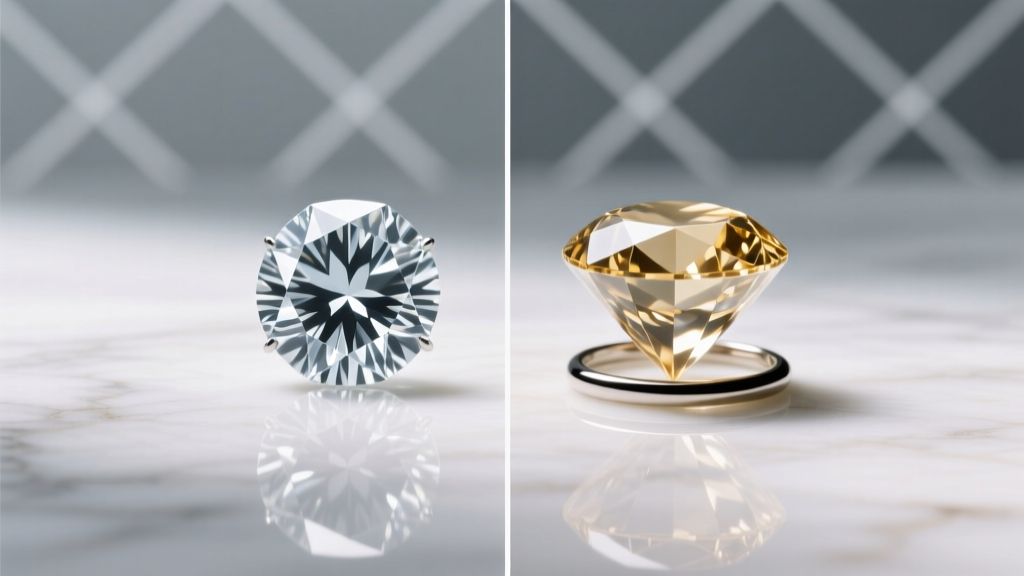
Lab-Grown Diamonds vs Natural Diamonds The Honest Truth
Shopping for an engagement ring or wedding band is exciting—until you hit the “lab-grown diamonds vs natural diamonds” debate. Both can be beautiful, durable, and heirloom-worthy. Both can sparkle like crazy in a classic solitaire or a modern hidden halo. Yet the choice can feel loaded: ethics, budget, resale value, even family expectations.
Here’s the straightforward truth from a jeweler’s point of view: lab-grown and natural diamonds are the same material—crystallized carbon with the same hardness and optical properties. The differences are about origin, price, long-term market behavior, and how each aligns with your values and priorities. Once you understand those points (plus a few quality details most shoppers miss), choosing becomes much simpler.
This guide breaks down what you’re really buying, how to compare quality, what styles pair best with each, and how to avoid common engagement ring shopping mistakes—so you can choose confidently and focus on what matters: a ring you love wearing every day.
What Lab-Grown and Natural Diamonds Actually Are
Natural diamonds
Natural diamonds formed deep in the earth over billions of years and were brought closer to the surface through volcanic activity. Each natural diamond is a geological artifact—rare by nature and mined from the earth. When people talk about “tradition” and “rarity,” this is what they mean.
Lab-grown diamonds
Lab-grown diamonds are grown in controlled environments using advanced technology. They’re not simulants like cubic zirconia or moissanite—they are real diamonds. Two main methods are used:
- HPHT (High Pressure High Temperature): Mimics the earth’s conditions to grow diamond crystals.
- CVD (Chemical Vapor Deposition): Uses a carbon-rich gas that deposits carbon atoms onto a diamond seed, building the crystal layer by layer.
Both methods can produce excellent quality stones. The main idea: lab-grown diamonds are made faster and more efficiently, which directly impacts price.
How They Compare: The Factors That Matter Most
1) Sparkle and appearance
To the naked eye, a well-cut lab-grown diamond and a well-cut natural diamond can look identical. Sparkle comes primarily from cut quality (proportions, symmetry, and polish), not from whether a diamond was mined or grown.
If you want maximum brilliance, prioritize:
- Round brilliant (timeless classic, most sparkle)
- Oval (on-trend, elongates the finger)
- Emerald cut (classic, elegant “hall of mirrors” effect—shows clarity more)
- Radiant and cushion (mix of brilliance and soft shape)
2) Price and what your budget buys
This is where the gap is clearest. For comparable grades, lab-grown diamonds typically cost significantly less than natural diamonds. That means you can often buy a larger carat weight, higher color, or higher clarity for the same budget—or keep the size and spend less overall.
Practical takeaway for couples: if you’ve been priced out of a 1.50–2.00 carat look in a natural diamond, lab-grown may make it realistic without sacrificing the “real diamond” factor.
3) Rarity, tradition, and emotional value
Some couples want the romance of a stone formed by nature and time. Others care more about design, size, and everyday wear. Neither viewpoint is “more correct.” It’s about what feels meaningful to you.
4) Resale and long-term market behavior
Most engagement rings are not purchased as investments, and resale values can be surprising even for natural diamonds. That said, natural diamonds generally retain value better than lab-grown in the current market because natural supply is inherently limited and the category has a long-established resale ecosystem.
Lab-grown diamonds have seen price decreases over time as technology improves and production scales. That’s great for buyers today, but it can reduce resale value later. If future trade-in or resale is a major concern, ask about your jeweler’s upgrade policy and choose accordingly.
5) Environmental and ethical considerations
Both categories have ethical options, and both require due diligence. Natural diamonds may be sourced with stronger traceability programs and responsible mining standards, but mining always has a footprint. Lab-grown diamonds avoid mining, but they require energy—so the sustainability story depends on the lab’s energy sources and manufacturing practices.
What to ask for either choice:
- Certification and origin transparency (as available)
- Supplier policies and responsible sourcing standards
- For lab-grown, whether production uses renewable energy or carbon-reduction programs
Quality Factors: How to Shop Smart (The 4Cs + What People Miss)
Cut: the #1 priority for sparkle
Cut drives brilliance, fire, and scintillation. For round diamonds, look for Excellent cut grades on reputable reports. For fancy shapes (oval, pear, emerald, cushion), cut grading is less standardized, so evaluate:
- Light performance (sparkle in varied lighting)
- Shape appeal (balanced outline, not overly wide or narrow)
- Symmetry (especially in hearts-and-arrows style rounds)
Color: choose what looks white in your setting
Color is graded from D (colorless) downward. Many couples choose:
- D–F for a crisp, icy look—popular in platinum and white gold
- G–H for excellent value—often looks white once set
- I–J for warmer, vintage-friendly tones—beautiful in yellow or rose gold
Clarity: avoid paying for what you can’t see
Most shoppers don’t need flawless clarity. Focus on “eye-clean” diamonds:
- VS1–VS2 is a sweet spot for many cuts
- SI1 can be a great value if truly eye-clean (inspect closely)
- Emerald and asscher cuts show inclusions more—lean higher clarity
Carat: size is personal—balance it with comfort and setting
Carat affects both look and price. If you love a larger center stone, consider protective designs like a halo, a bezel setting, or a cathedral setting with a secure head. Also think about lifestyle: a higher-set 2.00 carat ring may snag more than a low-profile 1.25 carat.
Certification: don’t skip this step
For peace of mind, choose diamonds graded by widely recognized labs (commonly GIA or IGI, depending on the diamond type and retailer). Certification documents the 4Cs and helps you compare diamonds apples-to-apples.
Ring Styles and Settings: Current Trends and Timeless Classics
Timeless classics
- Solitaire engagement rings: round or oval in a 4- or 6-prong setting; never goes out of style.
- Three-stone rings: symbolic, balanced, and flattering; great with round, emerald, or oval centers.
- Pavé bands: adds sparkle; choose quality craftsmanship and secure bead/prong work.
Trends couples love right now
- Hidden halos and under-gallery details for sparkle you notice up close
- East-west settings for oval or emerald cuts (modern and low-profile)
- Bezel settings (sleek, protective, and very wearable)
- Mixed metals (yellow gold band with a white gold/platinum head to keep the diamond looking bright)
Metal choices: what works best for engagement rings and wedding bands
- Platinum: naturally white, durable, heavier feel; develops a patina over time.
- 14k gold (yellow/white/rose): excellent everyday durability and value.
- 18k gold: richer color, slightly softer; great for a luxe feel.
For white gold, ask about rhodium plating and future re-plating maintenance.
Practical Buying Tips for Couples
- Try on shapes and settings first: An oval in a thin band looks different from an oval in a cathedral setting.
- Set priorities: Decide what matters most—size, sparkle, origin, or budget stability.
- Check comfort and pairing: If you want a flush wedding band, consider a higher setting, a band-friendly design, or a contoured wedding band.
- Ask about craftsmanship: Look for secure prongs, even pavé work, and a sturdy shank (especially with larger carat stones).
- Plan for resizing: Intricate pavé or eternity bands may have limited resizing options.
Care and Maintenance: Keep Your Diamond Ring Looking New
- Clean weekly at home: Warm water, mild dish soap, and a soft toothbrush. Rinse well and dry with a lint-free cloth.
- Avoid harsh chemicals: Chlorine and abrasive cleaners can damage metal finishes and loosen settings over time.
- Schedule inspections: Have prongs and settings checked every 6–12 months, especially for pavé and halos.
- Store smart: Keep rings separated to avoid scratching metal and chipping other gemstones.
Price Range and Value Tips
Prices vary based on carat, cut, color, clarity, certification, and setting craftsmanship. As a general value strategy for engagement rings:
- Put your money into cut first for maximum sparkle.
- Choose near-colorless grades (often G–H) for strong value in white metals.
- Buy eye-clean clarity instead of chasing ultra-high clarity you can’t see.
- Consider lab-grown if you want a larger center diamond or more elaborate setting (halo, pavé, custom details) while keeping the total ring budget comfortable.
- Consider natural if rarity, tradition, and longer-established resale patterns matter most to you.
Common Mistakes to Avoid When Shopping
- Overpaying for carat while ignoring cut: A larger poorly cut diamond can look dull next to a smaller excellent cut.
- Not considering lifestyle: High-set prongs and delicate micro-pavé can snag or wear faster for very active hands.
- Skipping certification: “Certified” should mean a real grading report, not a store-created document.
- Choosing the thinnest band possible: Ultra-thin shanks can bend over time, especially with larger stones.
- Forgetting the wedding band: Some engagement ring shapes/settings leave a gap unless you plan for a matching band.
- Assuming lab-grown is always greener: Ask about energy sources and sourcing policies to make an informed ethical choice.
FAQ: Lab-Grown Diamonds vs Natural Diamonds
Are lab-grown diamonds “real” diamonds?
Yes. Lab-grown diamonds are chemically and physically diamonds (carbon crystal). They are not cubic zirconia or moissanite. They can be graded for cut, color, clarity, and carat just like natural diamonds.
Can anyone tell the difference between lab-grown and natural diamonds?
Not by eye in normal wear. Specialized equipment and testing are used to identify growth characteristics that indicate lab origin.
Do lab-grown diamonds last as long as natural diamonds?
Yes. Both are diamond, with the same hardness (10 on the Mohs scale) and excellent suitability for daily wear in engagement rings and wedding bands.
Which is better for an engagement ring: lab-grown or natural?
Neither is universally “better.” Choose lab-grown if you want the most size or quality for your budget. Choose natural if rarity, tradition, and longer-established resale norms are higher priorities.
What setting is safest for a diamond engagement ring?
For maximum security, consider a bezel or a well-made 6-prong setting. For sparkle with protection, a cathedral design or a sturdy halo can be excellent—especially when crafted with durable prongs and a solid shank.
What metal is best for wedding rings and engagement rings?
Platinum is extremely durable and naturally white. 14k gold is a top choice for everyday wear and value. 18k gold offers richer color but is slightly softer. The “best” metal depends on your lifestyle, skin sensitivity, and style preferences.
A Confident Recommendation for Couples
If you want a bigger look, higher grades, or a more intricate engagement ring setting while keeping your overall budget comfortable, lab-grown diamonds are a smart, modern choice—and they’re absolutely real diamonds. If you value natural rarity, tradition, and a category with longer-established resale patterns, a natural diamond can feel more meaningful and may hold value better over time.
Whichever path you choose, focus on what makes a diamond ring truly beautiful and wearable: excellent cut, practical settings, quality craftsmanship, and a metal that fits your lifestyle. For more guidance on engagement rings, wedding bands, diamond cuts, and metal choices, explore the jewelry guides on weddingsift.com.
More Articles
 Diamond Bezel Settings Protection and Modern Appeal
 Can You Wear a Wedding Ring in an MRI? (2026)
 Wedding Ring Engraving Ideas That Are Meaningful
 Chlorine and Wedding Rings: What Jewelers Won’t Tell You
 Topaz Engagement Rings November Birthstone Options
 Wedding Set Order: How to Stack Rings Correctly (2026)
 How to Choose an Engagement Ring With a Bezel Setting
 Where to Sell My Wedding Ring Near Me (2026)
 How to Choose an Engagement Ring With a Marquise Diamond
 Radiant Cut With Corner Cutouts Modern Elegance