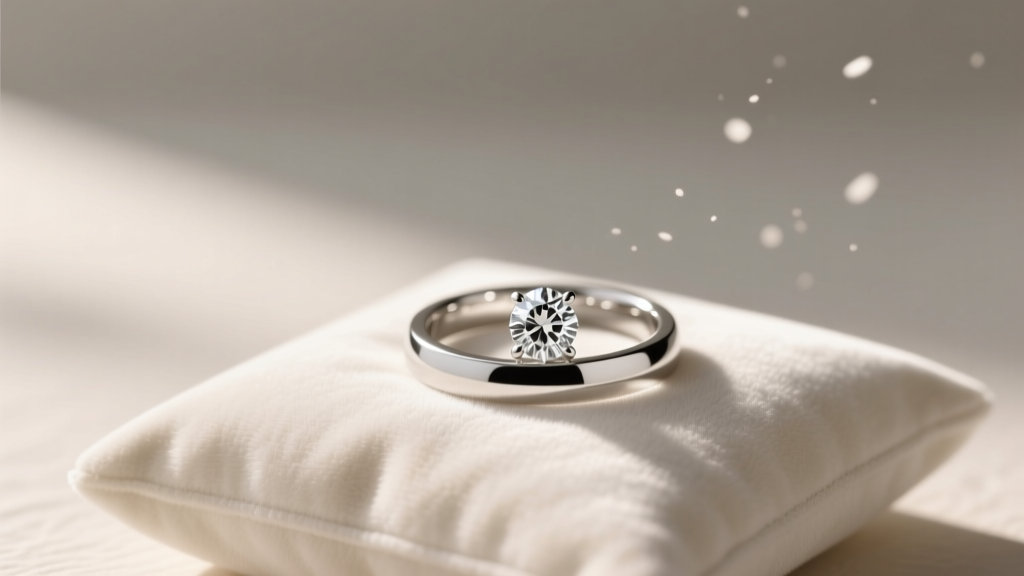
Engagement Ring Appraisal How Often Do You Need One
Your engagement ring is more than a beautiful piece of jewelry—it’s a daily-wear investment, a symbol, and often one of the most valuable items you’ll own. Whether you’ve chosen a classic round brilliant diamond solitaire, a trendy oval hidden halo, or a sapphire center stone in a vintage-inspired setting, the ring’s value and condition can change over time.
An engagement ring appraisal helps you understand what you own and protects you financially. It’s the document most insurers require to properly cover your ring, and it can also guide smart decisions about maintenance, upgrades, or resetting a stone. If you’re shopping for engagement rings and wedding bands right now, knowing how appraisals work (and how often you need them) will help you buy with confidence.
Here’s a jeweler-clear guide to engagement ring appraisals, how frequently to update them, what affects value, and how to avoid common mistakes.
What Is an Engagement Ring Appraisal (and What It Isn’t)?
An appraisal is a written professional opinion of a ring’s value, typically prepared by a qualified jewelry appraiser. It describes the ring in detail—metal type, gemstone specs, setting style, and craftsmanship—and assigns a value based on the appraisal purpose (most commonly insurance replacement value).
Insurance replacement value vs. fair market value
- Insurance replacement value: The most common for engagement rings. It estimates what it would cost to replace the ring with a similar item in a typical retail setting at today’s prices.
- Fair market value: Often used for resale, estate purposes, or liquidation. Usually lower than insurance value.
- Retail value: Sometimes used loosely; can vary widely and isn’t always standardized.
If you’re buying a diamond engagement ring or a gemstone ring, ask what type of value your appraisal states. For ring insurance, “replacement value” is typically what you need.
How Often Do You Need an Engagement Ring Appraisal?
Most couples should plan on updating an engagement ring appraisal every 2–3 years. That’s the sweet spot for keeping insurance coverage accurate without overdoing it.
Update sooner if any of these apply
- Gold or platinum prices have shifted dramatically since your last appraisal (metal markets can move fast).
- Diamond or gemstone prices have changed, especially for popular shapes like oval, emerald, pear, and radiant cuts.
- You upgraded the ring: new center stone, added side stones, changed the setting, or swapped to a different metal.
- You had a major repair: rebuilt prongs, replaced the head, resized significantly, or re-tipped multiple prongs.
- You’re adding or switching insurance (many insurers want a recent appraisal, often within the last 1–3 years).
- You purchased a lab-grown diamond ring: the market is evolving quickly, and values can shift more noticeably than some natural diamonds.
A practical schedule that works for most couples
- At purchase (or right after): Get an appraisal and keep it with your diamond grading report and receipt.
- Every 2–3 years: Update for insurance accuracy.
- After any significant change: Reset, upgrade, or major repair.
What Your Appraisal Should Include (Checklist)
A strong appraisal reads like a detailed ID card for your ring. The more specific it is, the easier it is to replace accurately if it’s lost, stolen, or damaged.
Gemstone details
- Diamond or gemstone type (natural diamond, lab-grown diamond, sapphire, ruby, emerald, moissanite, etc.)
- Carat weight (exact when possible)
- Cut/shape (round brilliant, oval, cushion, emerald, princess, pear, marquise, radiant, Asscher)
- Color and clarity (for diamonds; for colored gems, color description and quality factors)
- Measurements in millimeters
- Fluorescence (diamonds)
- Treatments (common for many colored gemstones; for example, heat-treated sapphire is widely accepted, while fracture-filled emerald should be clearly disclosed)
Metal and setting details
- Metal type and purity: 14k gold, 18k gold, platinum 950, palladium, white gold (often rhodium-plated)
- Setting style: solitaire, halo, hidden halo, three-stone, pavé, bezel, cathedral, vintage-inspired, east-west, toi et moi
- Craftsmanship notes: hand-fabricated vs. cast, milgrain, engraving, prong style (claw, rounded), gallery details
Documentation and photos
- Photos of the ring from multiple angles
- Laser inscription info (if the diamond is inscribed)
- Diamond grading report references (GIA, IGI, GCAL, etc.)
What Affects the Value of an Engagement Ring Over Time?
Even if you never change your ring, its replacement cost can shift due to market forces and design trends.
Diamond and gemstone factors
- The 4Cs for diamonds: carat, cut, color, clarity. Cut quality has an outsized effect on sparkle—especially in round brilliant diamonds.
- Fancy shapes and trends: Ovals, emerald cuts, and elongated cushions remain popular, which can influence replacement pricing.
- Colored gemstones: Fine sapphires (including teal and cornflower blue) and emeralds can vary dramatically in price based on color saturation, clarity, and origin claims.
- Lab-grown vs. natural diamonds: Lab-grown diamonds offer excellent optical beauty and value, but market pricing has been more fluid, which can impact appraisals used for replacement coverage.
Metal prices and wear
- Platinum is prized for durability and heft, while 14k and 18k gold vary in hardness and richness of color. Metal market shifts can change replacement cost.
- Wear and maintenance matter. Thinning shanks, worn prongs, or missing pavé stones affect the ring’s condition and what it would cost to restore or replace.
Appraisal vs. Diamond Certificate: Do You Need Both?
Yes, when possible. A diamond grading report (like GIA or IGI) grades the stone’s characteristics; it doesn’t assign a dollar value. An appraisal assigns value and describes the entire ring, including the setting and side stones.
If you’re buying an engagement ring online or in-store, keep these together:
- Sales receipt and specs
- Diamond grading report (if applicable)
- Appraisal document
- Warranty or care plan information
Practical Tips: Caring for Your Ring Between Appraisals
Think of appraisals as part of a larger ring-care routine. Regular upkeep protects both beauty and value.
Maintenance habits that prevent costly repairs
- Get prongs checked every 6–12 months, especially for pavé and halo settings. A tiny loose stone can become a missing stone quickly.
- Clean gently at home using warm water, mild dish soap, and a soft toothbrush. Rinse well and dry with a lint-free cloth.
- Avoid harsh chemicals (chlorine, bleach) and remove your ring for heavy lifting, gym workouts, gardening, and swimming.
- Store separately in a soft pouch or ring box. Diamonds can scratch other jewelry—and even other diamonds.
When to consider a reset or setting upgrade
- If you love your center stone but want a more current look (hidden halo, bezel, east-west settings).
- If your lifestyle calls for more security (bezel settings and low-profile designs are great for active hands).
- If the shank or prongs are worn and rebuilding costs approach the price of a new setting.
Price Range Considerations: What Does an Appraisal Cost?
Engagement ring appraisal costs vary by region and complexity, but many couples can expect:
- $75–$200 for a straightforward ring (solitaire with one center diamond)
- $150–$350+ for detailed pieces (halo engagement rings, pavé bands, three-stone rings, vintage-inspired settings, multiple gemstones)
Value tips to keep costs reasonable
- Bring all documentation (grading report, receipts). This helps the appraiser work efficiently and accurately.
- Choose an independent appraiser when possible, especially if you want an unbiased valuation for insurance or estate planning.
- Ask what’s included: photos, verification of inscriptions, side-stone estimating, and whether updates are discounted.
Common Mistakes Couples Make With Engagement Ring Appraisals
- Assuming the purchase receipt replaces an appraisal. Receipts show what you paid, not what it costs to replace later.
- Letting appraisals get outdated. If your ring is underinsured, a loss could leave you paying the difference out of pocket.
- Insuring for an inflated number without understanding it. Over-insuring can mean higher premiums with no real benefit.
- Not describing the setting accurately. “Diamond ring in white metal” is not enough. Prong style, band width, halo details, and side-stone quality matter for a true match.
- Skipping condition notes. Worn prongs, thinning shanks, and missing accents should be documented so repairs aren’t a surprise later.
- Not updating after upgrades. If you add a larger center stone or swap to platinum, your old appraisal won’t reflect it.
Modern Trends vs. Timeless Classics: How They Influence Appraisals
Trends affect how rings are built and how they’re replaced:
- Trending now: oval diamonds, hidden halos, elongated cushions, east-west settings, mixed metals, and toi et moi rings (two-stone designs). These often have more intricate craftsmanship and may cost more to replicate.
- Timeless classics: round brilliant solitaires, three-stone rings, and simple pavé bands in platinum or yellow gold. They’re easier to replace with close matches—assuming the appraisal captures key specs.
If you choose a highly detailed setting—micro-pavé, hand engraving, or milgrain—make sure the appraisal spells out those design elements. Craftsmanship is part of replacement value.
FAQ: Engagement Ring Appraisal Questions
Do I need an appraisal for ring insurance?
Most jewelry insurance companies require an appraisal or detailed proof of value, especially above certain price thresholds. If you’re insuring an engagement ring or wedding band set, confirm the insurer’s documentation rules and how recent the appraisal must be.
How long does an engagement ring appraisal take?
Many appraisals take 30–90 minutes for the examination, with the finalized document delivered the same day or within a few days. Complex rings with multiple stones, intricate pavé, or custom work can take longer.
Will an appraisal tell me what I can resell my ring for?
Not usually. Insurance appraisals focus on replacement value, not resale value. If you need resale guidance, ask specifically for fair market value or a resale estimate.
Should I get my ring appraised if it has a lab-grown diamond?
Yes. Lab-grown diamond engagement rings still need documentation for insurance, and the appraisal should clearly state “lab-grown” along with the grading report details. Because pricing has shifted in recent years, updating every 2–3 years is especially helpful.
Does resizing affect my appraisal?
Minor resizing doesn’t usually require a new appraisal, but if resizing involves significant reconstruction or if the ring’s weight/structure changes meaningfully, it’s smart to update the description and value.
Can I use an online appraisal?
Some services offer remote appraisals using photos and documentation, but accuracy can be limited without hands-on inspection. For higher-value diamond rings, intricate settings, or colored gemstones where treatments matter, an in-person appraisal is typically the most reliable.
Next Steps: A Confident Appraisal Plan for Your Engagement Ring
Plan to appraise your engagement ring at purchase, then update every 2–3 years—or sooner after upgrades or major market shifts. Pair that appraisal with good habits: routine prong checks, careful cleaning, and smart storage. You’ll protect not only the ring’s sparkle, but also your investment and your peace of mind.
If you’re still exploring engagement rings, wedding bands, and setting styles—from classic solitaires to modern hidden halos—keep learning as you shop. Browse more practical jewelry guides on weddingsift.com to make confident choices for your forever pieces.
More Articles
 Diamond Bezel Settings Protection and Modern Appeal
 Birthstone Wedding Rings A Unique Alternative
 How Much Is My Wedding Ring Worth? (2026)
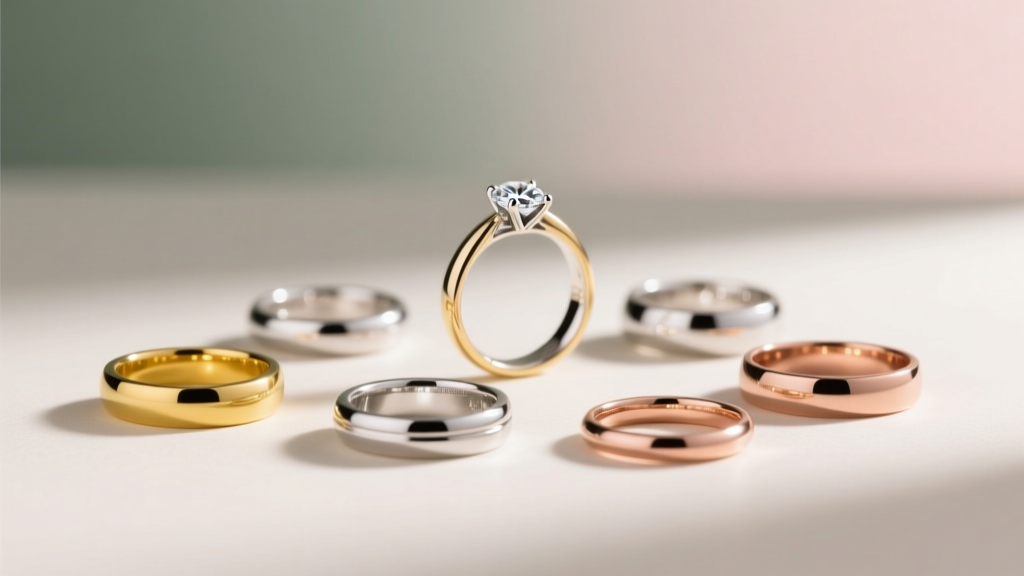 Wedding Ring Metals: Gold, Silver, Platinum & Rose Gold
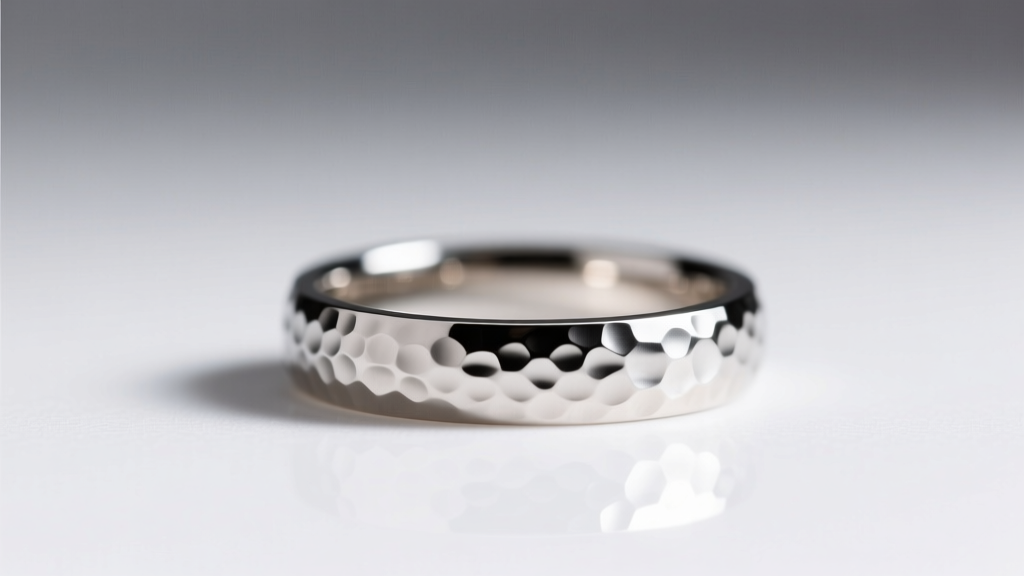 How to Choose a Wedding Band With a Hammered Finish
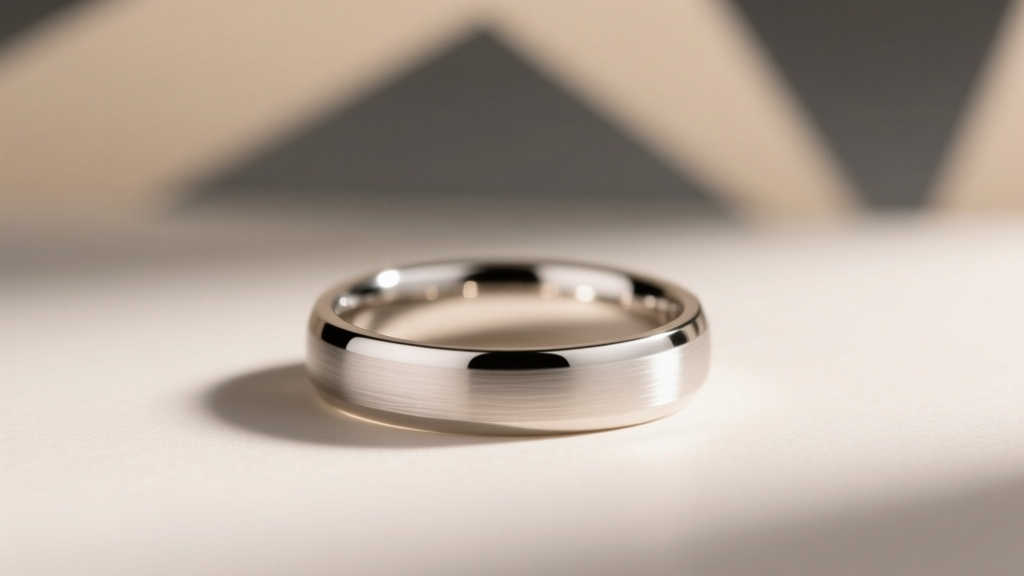 What Is a Comfort Fit Wedding Band?
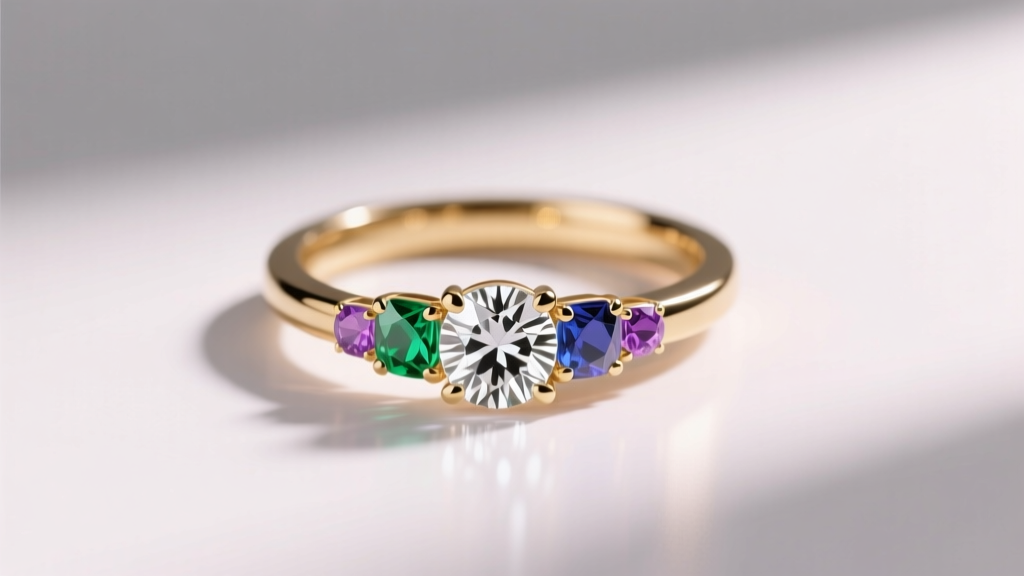 How to Choose an Engagement Ring With Colored Accent Stones
 Platinum vs White Gold Which Lasts Longer
 How to Choose an Engagement Ring With a Tension Setting
 How to Sell Wedding Band Safely & Profitably (2026)