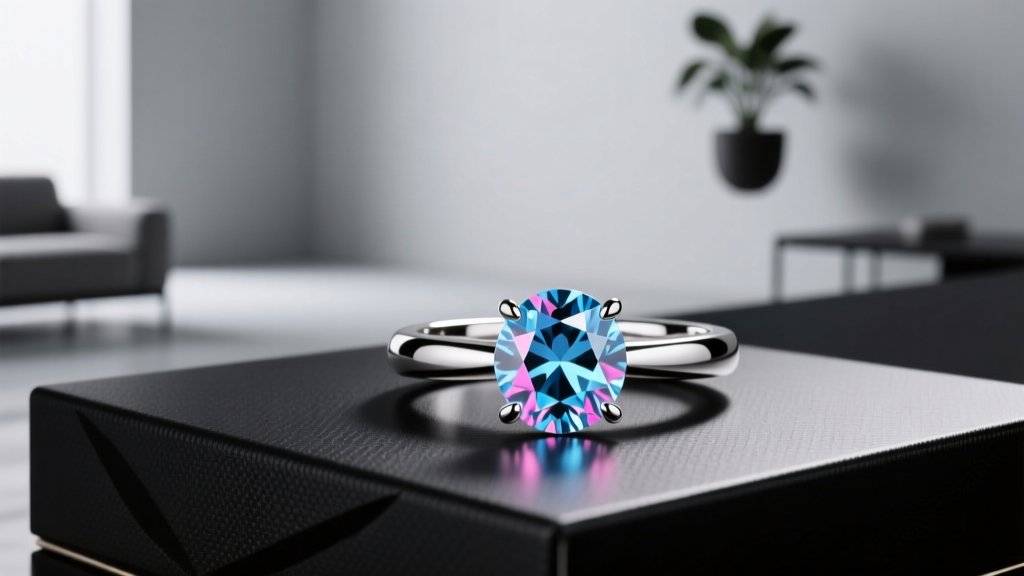
Topaz Engagement Rings November Birthstone Options
Topaz engagement rings have a special kind of romance: they feel personal. Whether November is your birth month, you share a meaningful date in autumn, or you simply love the serene glow of blue gemstones, topaz offers a distinctive alternative to traditional diamond-only rings. It’s colorful without being flashy, elegant without being predictable, and versatile enough to suit everything from vintage-inspired halos to sleek modern solitaires.
For couples shopping for an engagement ring and wedding band set, topaz also brings flexibility. You can choose a classic look with white topaz (a clear stone) or lean into statement color with Swiss blue or London blue topaz. With the right cut, setting, and metal choice, a topaz ring can feel every bit as “forever” as more conventional options—especially when you understand what affects durability, beauty, and long-term wear.
This guide breaks down the best topaz engagement ring styles, how to judge quality, what metals and settings work best, and how to shop smart so you get lasting value.
Why Choose a Topaz Engagement Ring?
Topaz is the November birthstone (alongside citrine), and it’s loved for its brightness, range of colors, and approachable pricing. In engagement jewelry, topaz shines when you want a meaningful gemstone with visual impact—often at a lower cost than sapphire or diamond.
Topaz Color Options for Engagement Rings
- Blue Topaz: The most popular for engagement rings. Shades range from pale Sky Blue to vivid Swiss Blue and deep, moody London Blue.
- White Topaz: Colorless and diamond-like, often chosen as a budget-friendly alternative to diamond or moissanite.
- Imperial Topaz: Naturally occurring golden to peachy-pink hues. Rarer and more premium; often a collector favorite.
- Mystic Topaz: Color-shifting rainbow effect created with a thin coating. Dramatic and trendy, but the coating needs more careful wear.
Is Topaz Durable Enough for Everyday Wear?
Topaz ranks 8 on the Mohs hardness scale, which sounds strong—and it is—but hardness isn’t the whole story. Topaz has perfect cleavage, meaning it can crack if hit at the right angle. For daily wear engagement rings, this is manageable with the right setting and mindful care. If you’re very hands-on (gym, lifting, healthcare work, construction, frequent travel), consider a more protective setting or explore sapphire for maximum resilience.
Topaz vs. Other Popular Engagement Stones
Topaz vs. Sapphire
Blue sapphire is harder (Mohs 9) and typically more durable for lifelong daily wear. Topaz is usually more budget-friendly and often larger for the price. If you want a bold blue center stone without sapphire pricing, Swiss or London blue topaz delivers a similar vibe with a different personality—brighter sparkle and lighter feel.
Topaz vs. Diamond or Moissanite
For a clear look, white topaz can resemble diamond at a glance, but it tends to show wear faster over years (surface abrasion and reduced crispness). Moissanite is typically a better long-term diamond alternative for everyday wear due to hardness and brilliance. White topaz works well if you’re careful with wear, or if the ring is for occasional use.
Topaz vs. Aquamarine
Aquamarine has a softer, sea-glass elegance and often a more subdued sparkle. Blue topaz tends to be more vivid and affordable, especially in deeper shades like London blue.
Best Cuts and Shapes for Topaz Engagement Rings
Topaz can be cut into nearly any shape, but the best choice depends on the color depth and the style you want.
Classic Cuts That Make Topaz Shine
- Oval: Elegant, elongating, and great for maximizing finger coverage.
- Round: Timeless and sparkly, especially in white topaz and Swiss blue.
- Cushion: Romantic and slightly vintage; pairs beautifully with halos.
- Emerald cut: Sleek and modern with a “hall of mirrors” look; best with clearer stones and excellent polish.
- Pear: A popular trend for 2025—soft, feminine, and striking in blue topaz.
Cut Quality Tips for Topaz
Topaz is often cut large, and cut quality can vary. Look for:
- Even color distribution (no obvious light “window” in the center where the stone looks watery or see-through).
- Symmetry and crisp facet edges for clean sparkle.
- Good depth so the color doesn’t wash out.
Settings and Styles: Trend-Forward and Timeless Options
Your setting does more than define the look—it protects the stone. For a topaz engagement ring, choose a setting that balances beauty with security.
Protective Settings for Daily Wear
- Bezel setting: A metal rim surrounds the stone, excellent protection and a clean modern feel.
- Half-bezel or semi-bezel: Modern and protective while allowing more light in.
- V-prongs for corners: Ideal for princess, pear, and marquise shapes where tips are vulnerable.
- Halo: Adds sparkle and offers a “buffer” around the center stone (especially helpful for cleavage-prone gems).
Popular Topaz Engagement Ring Styles
- Solitaire: Timeless, minimal, and lets a colorful topaz center stone do the talking.
- Three-stone ring: Symbolic (past, present, future) and a classic style; pair topaz with diamonds or white sapphires for contrast.
- Vintage-inspired: Milgrain edges, filigree, and engraved shanks are trending again—especially with cushion-cut London blue topaz.
- East-west settings: A modern trend for ovals and emerald cuts; sleek and distinctive.
Choosing the Right Metal for a Topaz Ring
The metal color changes how topaz reads on the hand, and the metal’s strength affects longevity.
Best Metal Pairings
- 14K White Gold: Crisp, bright, and popular for blue topaz engagement rings; good balance of durability and price.
- Platinum: Premium, naturally white, and heavy; excellent for prong security and long-term wear.
- 14K Yellow Gold: Warm contrast with blue topaz; beautiful for vintage and classic looks.
- 14K Rose Gold: Romantic and flattering; pairs especially well with imperial or peachy topaz tones and can soften Swiss blue’s brightness.
Metal Tips Couples Often Miss
- 18K gold is richer in color but softer; if you’re tough on rings, 14K is often the more practical engagement ring choice.
- If you choose white gold, ask about rhodium plating and how often you may want it refreshed (often every 1–3 years depending on wear).
Topaz Quality Factors: What Actually Changes the Price?
Color
For blue topaz, deeper shades (especially London blue) often command more than pale sky blue. With white topaz, look for brightness and clarity rather than “color.”
Clarity
Topaz is typically eye-clean. Visible inclusions are less common and should reduce price.
Treatment
Most blue topaz on the market is heat-treated and/or irradiated to achieve its color. This is standard and accepted in jewelry, but it should be disclosed. The color is generally stable in normal wear, though long exposure to intense heat can be a concern.
Carat Size
Topaz is available in larger sizes without astronomical cost. Make sure the setting is engineered to support a larger stone—especially with prongs and a sturdy gallery.
Price Range and Value Tips
Topaz engagement rings can fit a wide range of budgets depending on metal, accent stones, and craftsmanship.
- Simple sterling silver or gold vermeil: Often $80–$300 (best for fashion or occasional wear rather than lifelong daily wear).
- 10K/14K gold solitaire with blue or white topaz: Commonly $300–$1,200.
- 14K gold halo or three-stone with diamond accents: Often $900–$2,500+ depending on diamond quality and total carat weight.
- Platinum settings and premium craftsmanship: Frequently $1,800–$4,000+.
- Imperial topaz: Can increase quickly with quality and size; fine stones may push the ring well beyond typical blue topaz pricing.
Where the Best Value Usually Is
- Choose 14K gold (durable) and spend for a secure setting before upsizing the center stone.
- Consider lab-grown diamond accents for sparkle at a lower cost than natural melee.
- If you love the deep blue look, compare London blue topaz with blue sapphire side-by-side; sometimes a smaller sapphire offers better long-term durability at a similar total budget.
Practical Buying Tips for Couples
- Prioritize setting security: Look for well-finished prongs (even, rounded tips) and a supportive basket or gallery.
- Match the wedding band early: If you want a flush fit, consider a lower-profile setting or ask about a contoured band.
- Ask for measurements: Carat weight doesn’t show face-up size perfectly. Get millimeter dimensions for the center stone.
- Request care guidance: A reputable jeweler should explain how to clean topaz and what to avoid.
- Check return, resizing, and warranty policies: Especially important for online engagement ring shopping.
Care and Maintenance for Topaz Engagement Rings
How to Clean Topaz Safely
Use warm water, mild dish soap, and a soft toothbrush. Rinse well and pat dry with a lint-free cloth.
What to Avoid
- Ultrasonic cleaners and steam cleaning (risk for cleavage and potential damage in certain settings).
- Harsh chemicals like bleach, chlorine, and abrasive cleaners.
- Wearing the ring during heavy lifting, gardening, or impact-prone activities.
Routine Maintenance
Plan a checkup every 6–12 months to inspect prongs, tighten stones, and polish metal. This is especially helpful for rings with halos or pavé accents.
Common Mistakes to Avoid When Shopping for Topaz Rings
- Choosing a delicate setting for a large stone: Big topaz needs sturdy prongs and a supportive design.
- Ignoring lifestyle: If you’re hard on jewelry, lean toward bezels, halos, and lower-profile designs.
- Assuming all blue topaz is the same: Sky, Swiss, and London blue look very different on the hand and in various lighting.
- Not planning the wedding band fit: Tall baskets and wide halos can leave gaps unless you choose a contoured band.
- Buying mystic topaz without understanding the coating: The finish can wear over time, especially on exposed facets.
FAQ: Topaz Engagement Rings
Are topaz engagement rings suitable for everyday wear?
Yes, with smart design choices. Choose protective settings (bezel, halo, sturdy prongs), avoid hard impacts, and keep up with routine inspections.
What is the best color of topaz for an engagement ring?
That depends on your style. London blue is rich and dramatic, Swiss blue is bright and modern, and white topaz is a clean, classic look. For rarity and warmth, imperial topaz is a standout.
Does blue topaz fade over time?
Most commercially sold blue topaz is treated for color stability and generally holds its color well in normal wear. Avoid prolonged exposure to intense heat and store it away from harsh sunlight when not wearing it for long periods.
What wedding band pairs best with a topaz engagement ring?
Timeless pairings include a plain gold band, a pavé diamond band, or a channel-set band. If your topaz ring sits low or has a wide halo, a contoured or curved wedding band often creates the cleanest fit.
Is white topaz a good alternative to a diamond engagement ring?
White topaz can look similar initially, but it’s more likely to show surface wear over years. If you want a clear stone with long-term durability, consider moissanite or sapphire; if you love the look and are gentle with your ring, white topaz can be a beautiful, budget-friendly choice.
Next Steps: Finding the Right Topaz Ring for Your Story
A topaz engagement ring is at its best when the design protects the stone and highlights what you love most—color, sparkle, meaning, or all three. For many couples, the sweet spot is a blue topaz center (Swiss or London) set in 14K gold with a secure halo or bezel, paired with a wedding band chosen to sit flush and feel comfortable for everyday life.
If you’re still narrowing down gemstone types, settings, and wedding band pairings, explore more jewelry guides on weddingsift.com to compare engagement ring styles, metals, and birthstone options with confidence.
More Articles
 24K Gold Wedding Band Value: What It’s Really Worth
 How to Repurpose a Wedding Ring (2026)
 What to Do If You Lose Your Wedding Ring
 Beauty Question Essentials: What Every Jewelry Buyer and Wearer Needs to Know
 Brittany Mahomes’ Wedding Ring: Carat Weight & Cost (2026)
 Lab-Grown vs Natural Diamonds in 2026
 Clean Wedding Ring Safely at Home: 7 Proven Methods (2026)
 3-Carat Engagement Ring Cost: What It Really Takes
 Engagement Ring Upgrade Options for Anniversaries
 Custom Jewelry Planning: A Metalsmith's Roadmap