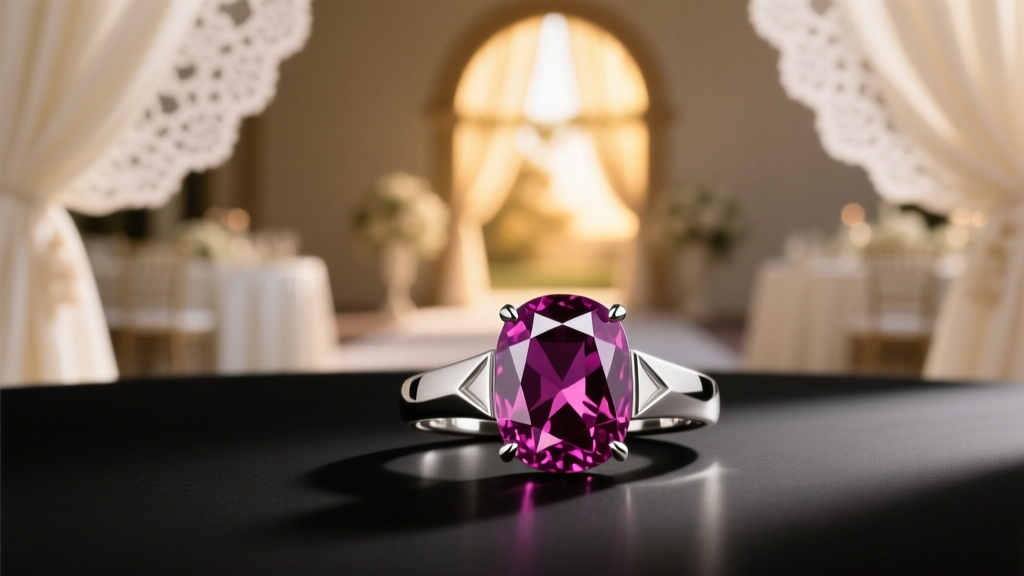
Rhodolite Garnet Purple-Red Gemstone
Choosing a center stone for an engagement ring is personal, but it’s also practical: you want a gemstone that looks stunning every day, fits your budget, and complements your lifestyle. If you’re drawn to romantic color without the price tag of rarer stones, rhodolite garnet deserves a serious look. Its signature purple-red hue can read like a deep raspberry, wine, or magenta—flattering on many skin tones and striking in both modern and vintage-inspired designs.
Rhodolite garnet sits in a sweet spot for couples who want a unique engagement ring that still feels timeless. It’s vivid, wearable, and widely available in beautiful sizes. Whether you’re pairing it with a wedding band stack or shopping for matching his-and-hers rings, understanding how rhodolite performs, how to judge quality, and what settings protect it will help you buy confidently.
What Is Rhodolite Garnet?
Rhodolite is a variety within the garnet family, typically a blend of pyrope and almandine garnet. The result is a gemstone with a rich purple-red color that’s often more “berry” than the classic deep red people associate with garnet. Many shoppers love rhodolite because it offers saturated color without requiring the high clarity and pricing tiers seen in ruby or fine pink sapphire.
Color Profile: Purple-Red That Changes with Light
Rhodolite’s color can shift subtly depending on lighting. In daylight it may look brighter and more pinkish; under warm indoor lighting it can deepen toward red or plum. This natural personality is part of the appeal—especially for engagement rings meant to be seen everywhere, from office lighting to candlelit dinners.
Durability Basics: Is Rhodolite Good for Daily Wear?
Garnets generally rank around 7–7.5 on the Mohs hardness scale. That’s suitable for many engagement rings, but it’s not as hard as sapphire (9) or diamond (10). Rhodolite can scratch over time if worn without care, especially in rings exposed to frequent impact or gritty environments. If you love rhodolite and want it for everyday wear, the right cut, setting, and maintenance routine matter as much as the stone itself.
Why Rhodolite Garnet Works Beautifully in Engagement Rings
Rhodolite hits several engagement ring “must-haves” at once: it’s romantic, distinctive, and often more budget-friendly than comparable-looking gemstones. It also pairs exceptionally well with popular wedding ring metals and settings, making it easy to build a cohesive bridal set.
Rhodolite vs. Ruby vs. Pink Sapphire
- Ruby: Typically stronger red with higher price. Ruby is harder and often better for heavy daily wear, but fine ruby is significantly more expensive.
- Pink sapphire: Excellent durability and a wide range of pink tones. Pricing can rise quickly for vivid colors and larger sizes.
- Rhodolite garnet: Offers saturated purple-red color at a more accessible price. Great choice for couples prioritizing color and value, especially in halo or three-stone engagement ring designs.
Current Trends + Timeless Classics
Right now, colored gemstone engagement rings are firmly in trend, with couples choosing stones that feel personal and less traditional than a classic diamond solitaire. Rhodolite fits that movement perfectly—especially in vintage-inspired halos, east-west settings, and bezel-set solitaires that emphasize a clean, modern silhouette.
If your taste runs classic, rhodolite still shines in timeless settings like a six-prong solitaire, a three-stone ring with diamond side stones, or a pavé band where the center stone remains the star.
Quality Factors: How to Choose a Beautiful Rhodolite
Shopping for rhodolite garnet is all about balancing color, cut, clarity, and size for the best overall look. Unlike diamonds, there’s no universal “one certificate fits all” approach for garnet, so you’ll want to evaluate the stone carefully—or buy from a jeweler who provides detailed photos, videos, and return options.
Color: Aim for Rich Raspberry, Not Brown
The most desirable rhodolite tends to show a vibrant purple-red or raspberry tone with good saturation. Avoid stones that look overly dark (they can appear almost black in low light) or brownish (less lively and less “berry”). Ask to see the stone in multiple lighting conditions if possible.
Cut: The Secret to Sparkle
Cut quality determines whether your rhodolite looks bright or dull. Well-cut stones return light evenly and show crisp scintillation. Poorly cut stones may show “windowing,” where you can see through the center like a glass pane.
- Oval and cushion cuts are popular for engagement rings and flatter rhodolite’s color.
- Round cuts can maximize sparkle and are easy to set securely.
- Pear and marquise feel romantic and elongate the finger, but they need protective prongs at the tips.
- Emerald and step cuts look elegant and vintage, but they reveal clarity and cutting more obviously.
Clarity: Eye-Clean Is the Goal
Many rhodolites are relatively clean to the naked eye. Look for an eye-clean stone with no visible inclusions that interrupt brilliance. Tiny inclusions are normal in natural gemstones, but avoid stones with obvious cracks, chips, or cloudy areas.
Carat Size: What Looks Best on the Hand
Rhodolite is often available in generous sizes. For engagement rings, 1–2 carats is a common sweet spot for presence without feeling oversized. Keep in mind that different cuts face up differently—an oval can look larger than a round of the same carat weight.
Best Metals and Settings for Rhodolite Engagement Rings
Your choice of metal and setting affects both style and protection. Couples building a bridal set should also consider how the engagement ring will sit next to a wedding band.
Metal Pairings: Yellow Gold, Rose Gold, White Gold, or Platinum?
- Yellow gold: Creates a warm, regal contrast that enhances red tones. Great for vintage and classic engagement rings.
- Rose gold: Very popular for romantic gemstone rings; it amplifies pink and berry hues for a soft, cohesive look.
- White gold: Offers crisp contrast and a modern finish, especially with diamond accents.
- Platinum: Premium, naturally white, and durable for prongs—ideal if you want extra security for everyday wear.
Settings That Protect the Stone
- Bezel setting: A top choice for active lifestyles. The metal rim protects the girdle from chips and creates a sleek, contemporary look.
- Halo setting: Surrounds rhodolite with diamonds, adding sparkle and visual size. Works beautifully for bridal sets and wedding band stacks.
- Six-prong solitaire: More secure than four prongs and timeless. Ask for well-finished prong tips that won’t snag.
- Three-stone setting: Adds symbolism and brilliance; diamond side stones help rhodolite pop.
Band Details: Comfort and Longevity
For everyday engagement rings, consider a band width of 1.8–2.2 mm or wider, especially with pavé. Very thin bands can wear down over time. If you love delicate styling, reinforce longevity by choosing a sturdy gallery and a well-built setting with sufficient metal weight.
Practical Buying Tips for Couples
- Prioritize cut over carat weight: A slightly smaller, well-cut rhodolite will look brighter and more luxurious than a large, poorly cut stone.
- Check how it pairs with your wedding band: If you want a flush fit, consider a low-profile halo, a cathedral setting, or plan for a contoured wedding band.
- Ask about treatments: Garnets are often untreated, but always confirm. Natural, untreated stones can be a value plus.
- Request real-life photos/videos: Rhodolite’s color can photograph differently. Look for videos in daylight and indoor light.
- Think about lifestyle: If you work with your hands, consider bezel settings and sturdier metals like platinum or 14k gold.
Care & Maintenance: Keeping Rhodolite Looking Its Best
Rhodolite garnet is straightforward to care for, but it benefits from gentle habits—especially in rings worn daily.
- Cleaning: Use lukewarm water, mild dish soap, and a soft toothbrush. Rinse well and pat dry with a lint-free cloth.
- Avoid harsh chemicals: Remove rings before cleaning with bleach, chlorine, or abrasive products.
- Be cautious with ultrasonic cleaners: Some stones can be sensitive if there are inclusions. When in doubt, stick to gentle hand cleaning or ask your jeweler.
- Storage: Store separately in a soft pouch or lined box to prevent scratching from harder jewelry.
- Routine checks: Have prongs and settings inspected every 6–12 months, especially for pavé or prong-heavy designs.
Price Range & Value Tips
Rhodolite garnet is generally more affordable than ruby or sapphire, making it a strong value for couples designing a custom engagement ring or a coordinated wedding ring set. Pricing varies based on color, cut quality, size, and overall ring craftsmanship.
- Loose rhodolite gemstone: Often found in the ~$50–$300 per carat range for many commercial qualities, with finer stones and exceptional cuts priced higher.
- Rhodolite engagement rings: A simple solitaire in 14k gold may start around the mid-hundreds to low-thousands, while halo designs, platinum settings, and diamond accents can push into the several-thousand range depending on total carat weight and craftsmanship.
Best value strategy: Choose the best cut you can afford, keep the center stone color vivid (not too dark), and invest in a protective setting. Your ring will look more brilliant and stay beautiful longer.
Common Mistakes to Avoid When Shopping for Rhodolite Garnet Rings
- Picking a stone that’s too dark: Deep stones can look dramatic online but lose life in everyday indoor lighting.
- Ignoring windowing: If the center looks transparent, the cut may be leaking light—choose a better-proportioned stone.
- Choosing an overly delicate setting: Ultra-thin bands and minimal prongs may not hold up for daily wear.
- Assuming all “garnet” is the same: Garnet is a family. Rhodolite’s purple-red is distinct from other reds and oranges; confirm the variety and color you want.
- Not planning the bridal set: A beautiful engagement ring can become frustrating if it won’t sit well with your wedding band. Decide early whether you want a flush fit, a gap, or a contour band.
FAQ: Rhodolite Garnet for Engagement Rings & Wedding Jewelry
Is rhodolite garnet durable enough for an engagement ring?
Yes for many wearers, especially with a protective setting (bezel, halo, or sturdy prongs) and routine maintenance. If you’re very hard on rings or work with your hands daily, consider extra protection or alternate stones like sapphire for maximum durability.
Does rhodolite garnet look good in rose gold?
It’s one of the best pairings. Rose gold enhances rhodolite’s pink-to-berry tones for a cohesive, romantic look that’s popular in modern engagement ring trends.
How can I tell if a rhodolite is high quality?
Look for rich purple-red color, strong brightness (no dull center), an eye-clean appearance, and a well-finished cut with balanced sparkle. Videos in multiple lighting conditions help you judge real-world beauty.
What wedding band styles pair well with a rhodolite engagement ring?
Classic diamond pavé bands, plain metal bands, contour bands for halos, and gemstone-accented stacks all work. Match metal color for a unified look or mix metals intentionally (for example, rose gold engagement ring with a white gold diamond band) for contrast.
Is rhodolite garnet a traditional engagement stone?
Diamonds remain the most traditional, but colored gemstone engagement rings are now a mainstream choice. Rhodolite feels both romantic and distinctive—ideal for couples who want a unique engagement ring that still reads elegant and timeless.
A Confident Next Step for Couples Considering Rhodolite
If you want a purple-red gemstone engagement ring that feels romantic, distinctive, and value-smart, rhodolite garnet is a standout choice. Focus on vivid color, excellent cut, and a setting that protects the stone, and you’ll have a ring that looks beautiful now and wears well into married life—especially when paired thoughtfully with your wedding band.
For more guidance on choosing gemstones, metals, settings, and matching wedding ring sets, explore the jewelry guides on weddingsift.com.
More Articles
 Wedding Band vs Engagement Ring: Key Differences Explained
 Do People in China Wear Wedding Rings? The Truth Revealed
 Wedding Ring Tattoos Pros Cons and Alternatives
 Wedding Bands: History, Symbolism & Modern Rules (2026)
 Necklace Tips for Strapless Wedding Dresses
 Best Venues for Performance: A Metalsmith’s Practical Guide to Stage, Studio, and Public Exhibition Spaces
 Paris Hilton's Ring: The 20-Carat Truth
 What Side Does Your Wedding Ring Go On? The Truth Revealed
 25th Wedding Anniversary Gifts for Husband (2026)
 Beauty Question Essentials: What Every Jewelry Buyer and Wearer Needs to Know