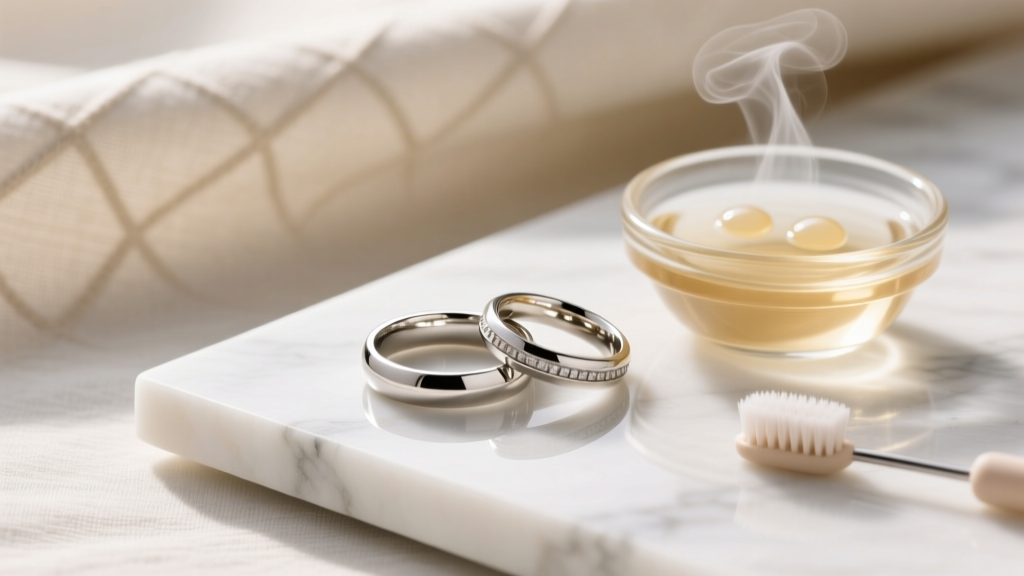
How to Clean and Maintain Your Wedding Rings at Home
Your engagement ring and wedding band are designed for a lifetime, but “daily wear” is exactly what makes them look less brilliant over time. Hand lotion, cooking oils, soap residue, sunscreen, dust, and everyday grime can form a film that dulls sparkle—especially on diamond rings and white metals like platinum and white gold. Even the most perfectly cut round brilliant diamond can look sleepy if its facets are coated.
Home care isn’t just about shine. A consistent cleaning and maintenance routine helps protect your ring’s structure, too. Prongs can loosen, pavé stones can shift, and softer gemstones can scratch if they’re exposed to harsh chemicals or knocked around during chores. Couples shopping for wedding rings often focus on style and carat weight first—smart care keeps that investment beautiful and secure.
This guide breaks down how to clean your wedding rings at home safely, how different metals and gemstones react to cleaning methods, what to avoid, and when it’s worth paying for professional service. You’ll also find practical shopping tips—because the easiest rings to maintain are often the ones chosen with long-term wear in mind.
Know Your Ring: Metal, Gemstone, and Setting Basics
Common wedding ring metals and how they wear
- Platinum: Naturally white and dense. It develops a soft “patina” over time rather than flaking. Platinum prongs are durable and ideal for holding diamonds securely, but the surface can show fine scratches.
- 14K/18K white gold: Typically rhodium-plated for a bright white finish. Over time, rhodium wears down and the ring may look warmer. Cleaning is safe at home, but restoring brightness often requires re-plating.
- Yellow gold and rose gold: Warm, classic choices. 14K tends to be more durable than 18K due to higher alloy content. Rose gold alloys can be quite sturdy, but may irritate very sensitive skin due to copper content.
- Sterling silver: Affordable but prone to tarnish. Not the most common choice for daily-wear wedding rings, but still seen in minimalist bands.
- Tungsten and titanium: Popular modern bands. They’re tough and scratch-resistant (especially tungsten), but resizing can be limited or impossible depending on design.
Gemstones: what’s safe to clean at home
- Diamonds: Hard (Mohs 10) and generally safe for gentle home cleaning. The most common issue is not damage—it’s dullness from oils.
- Sapphires and rubies (corundum): Hard (Mohs 9) and durable for daily wear. Safe with gentle soap-and-water cleaning.
- Moissanite: Very durable with strong sparkle. Safe for gentle cleaning; it can still collect oils like diamond.
- Emerald: Often treated with oils/resins and can have inclusions that make it more vulnerable. Avoid ultrasonic cleaners and harsh scrubbing.
- Opal, pearl, turquoise: Softer or porous. Avoid soaking, chemicals, ultrasonic, and steam.
Settings that collect more dirt (and need more care)
- Pavé and micro-pavé: Tiny stones and beads trap lotion and grime easily; also require careful checking for loose stones.
- Halo settings: Maximum sparkle but more crevices to clean.
- Bezel settings: Sleek and protective, generally easier to keep secure; can hide dirt along the rim.
- Solitaire prong settings: Classic and easy to clean, but prongs should be inspected regularly for snagging or lifting.
The Best At-Home Cleaning Method (Safe for Most Wedding Rings)
Step-by-step: gentle soap and warm water
- Prepare a bowl of warm (not hot) water and a few drops of mild dish soap.
- Soak the ring for 15–20 minutes to loosen oil and debris.
- Brush gently with a soft toothbrush or baby toothbrush, focusing under the center stone and around prongs. Use light pressure—especially on pavé.
- Rinse thoroughly in warm water. Use a fine strainer or rinse over a bowl—never directly over an open drain.
- Dry with a lint-free cloth (microfiber is ideal). Let it air-dry fully before storing.
What this method works best for
This is the go-to approach for diamond engagement rings, moissanite rings, and durable gemstones like sapphire and ruby, across most metals including platinum, gold, and stainless steel. It’s also safe for many wedding bands with simple designs, milgrain edges, and channel-set stones.
Metal-Specific Care Tips: Platinum, Gold, and Alternative Metals
Platinum: shine vs. patina
Platinum’s soft patina is a normal, beloved look for many couples—especially with vintage-inspired rings. If you prefer a high polish, a jeweler can repolish it. At home, avoid abrasive polishing cloths that can change the finish unevenly, especially near prongs and pavé.
White gold: keeping the bright white look
White gold rings are often rhodium-plated. Gentle cleaning removes grime but won’t restore rhodium brightness once it wears. If your ring looks slightly yellowish or dull even after cleaning, budget for rhodium re-plating every 12–36 months depending on wear, skin chemistry, and exposure to chlorine.
Yellow and rose gold: preventing surface wear
Gold is softer than it looks. Remove rings for weight training, heavy lifting, or gardening to reduce dents and misshaping—especially on thinner wedding bands (a current trend), which look elegant but can deform if worn hard.
Tungsten and titanium: modern, low-maintenance bands
These metals resist scratching, making them popular for minimalist men’s wedding bands. Clean them with the same gentle soap method. Skip harsh chemicals and avoid aggressive polishing compounds that can alter the finish. Confirm sizing before purchase, since resizing is often limited.
Gemstone and Setting Care: Protect Sparkle and Security
How cuts and craftsmanship affect cleaning
Highly faceted cuts like round brilliant, oval, cushion, and princess rely on clean facets for light return. Step cuts like emerald cut and asscher show broad flashes and can reveal haze quickly if the table is smudged. A well-made setting with precise prong alignment and clean under-gallery access is easier to brush and rinse thoroughly—another reason craftsmanship matters when shopping.
Prongs, pavé, and halos: cleaning without loosening stones
- Use a soft brush and avoid snapping bristles against pavé beads.
- Brush under the center stone where oil accumulates.
- After cleaning, do a quick check: if you feel snagging on fabric or hear a faint rattle, stop wearing the ring and schedule a jeweler inspection.
What to skip: ultrasonic and steam at home
Ultrasonic cleaners can be tempting, and they can work for some sturdy diamond rings—but they’re risky with certain settings and stones. Ultrasonics can shake loose tiny pavé stones, and they’re a no-go for emerald, opal, pearl, and other delicate gems. Steam is also best left to professionals. For most couples, gentle soap-and-water cleaning at home plus periodic professional checks is the safest balance.
Daily Habits That Keep Wedding Rings Cleaner Longer
- Remove rings for lotions and sunscreen when possible, or wipe them with a microfiber cloth afterward.
- Avoid chlorine (pools, hot tubs, some household cleaners). Chlorine can weaken gold alloys and damage finishes.
- Take rings off for messy tasks: cooking with dough, gardening, painting, or cleaning with chemicals.
- Store rings separately in a soft pouch or lined box to prevent scratching—especially important for diamond rings, since diamonds can scratch other jewelry.
Maintenance Timeline: When to Clean at Home vs. See a Jeweler
Recommended schedule
- At-home cleaning: once a week (more often if you use hand cream frequently or work with oils).
- Quick wipe-down: daily or every few days with a microfiber cloth.
- Professional inspection: every 6–12 months, especially for prong-set solitaires, halos, and pavé wedding rings.
- Professional deep clean/polish: as needed—often once a year for maximum brilliance.
Signs your ring needs professional help
- Prongs look uneven, lifted, or snag on fabric.
- Center stone appears tilted.
- Pavé stones look missing, shifted, or “flat” where beads have worn down.
- Band looks out-of-round or noticeably thin at the bottom from wear.
Price Range Considerations and Value Tips
What home care saves you
Regular at-home cleaning helps you avoid frequent polishing and reduces the chance of expensive repairs. A lost pavé stone or worn prong can turn into a bigger bill if ignored. Think of cleaning as protecting your ring’s value—especially for diamond engagement rings and heirloom settings.
Typical maintenance costs to plan for
- Professional inspection/cleaning: often complimentary with reputable jewelers, or roughly $25–$75 if paid out of pocket.
- Rhodium re-plating (white gold): commonly $50–$150 depending on region and prep work.
- Prong re-tipping or tightening: varies widely, often $50–$200+ depending on number of prongs and wear.
- Resizing: typically $40–$150+, but may be more for eternity bands, intricate designs, or alternative metals.
Value-forward buying tips (before you purchase)
- Choose a setting that suits your lifestyle: bezels and low-set prongs are excellent for active wearers; tall cathedral settings can snag more.
- Mind band width and thickness: ultra-thin bands are trendy and delicate. A slightly sturdier shank often wears better long-term.
- Consider stone security: channel settings protect side stones; pavé delivers brilliance but requires more frequent inspections.
- Ask about aftercare: lifetime cleaning/inspection programs can be a strong value, especially for intricate engagement ring styles.
Common Mistakes to Avoid When Shopping for Wedding Rings (and Caring for Them)
- Assuming “hard” means “indestructible”: diamonds can chip if hit at the right angle, and prongs can bend. Durability comes from both gemstone and setting design.
- Buying a high-maintenance style without realizing it: micro-pavé halos and eternity bands are stunning, but they demand regular inspections and careful cleaning.
- Choosing the wrong metal for your expectations: white gold needs rhodium upkeep; platinum develops patina; alternative metals may not resize.
- Using toothpaste or baking soda as a scrub: these can be abrasive, especially on gold, and may dull polished finishes or damage delicate details like milgrain.
- Cleaning over an open drain: a single slip can be a heartbreaking loss. Always use a bowl or strainer.
- Wearing rings through harsh chemicals: household cleaners and chlorine can weaken metals and cloud some gemstones.
FAQ: Cleaning and Maintaining Wedding Rings at Home
How often should I clean my engagement ring and wedding band?
For most couples, a gentle soap-and-water clean once a week keeps diamond rings and wedding bands looking bright. If you use a lot of hand lotion or work with oils, consider twice a week plus a quick microfiber wipe in between.
Can I use jewelry cleaning solutions from the store?
Many store-bought cleaners are fine for diamonds, sapphires, rubies, and gold/platinum, but always read the label. Avoid anything that warns against porous or treated stones (like emerald, opal, pearl). When in doubt, mild dish soap and warm water is the safest option.
Is it safe to clean pavé or halo rings at home?
Yes—with a soft brush and light pressure. Pavé settings can trap dirt, so gentle cleaning helps, but don’t scrub aggressively. Plan on professional inspections every 6–12 months to confirm stones are tight.
Why does my diamond ring look cloudy even after cleaning?
Cloudiness is usually leftover film (lotion/soap) under the stone or around prongs. Try a longer soak, brush beneath the center stone, and rinse thoroughly. If it still looks hazy, have a jeweler check for product buildup, damaged prongs, or (rarely) internal issues like chips that catch debris.
Will cleaning damage rhodium plating on white gold?
Gentle cleaning won’t strip rhodium, but daily wear naturally does over time. If your white gold ring looks warmer or slightly yellow, it may simply be time for professional re-plating.
When should I take my wedding rings off?
Remove rings for workouts, heavy lifting, gardening, swimming in chlorinated pools, and cleaning with chemicals. Also take them off when applying thick lotions or hair products if you notice frequent buildup.
Next Steps: Keep Your Rings Brilliant for the Long Haul
The best way to protect your wedding ring set—whether it’s a timeless solitaire with a round brilliant diamond, a trending oval halo, or a minimalist platinum band—is consistent, gentle care. Clean at home weekly, store your rings properly, and schedule routine inspections so prongs and pavé stones stay secure. That simple routine preserves sparkle, comfort, and the craftsmanship you paid for.
For more expert guidance on engagement rings, wedding bands, metals, settings, and long-term ring care, explore the latest jewelry guides on weddingsift.com.
More Articles
 Men's Wedding Band Fit: 5-Second Test & Red Flags (2026)
 How to Repurpose a Wedding Ring (2026)
 Spinel Engagement Rings Underrated Gemstone Beauty
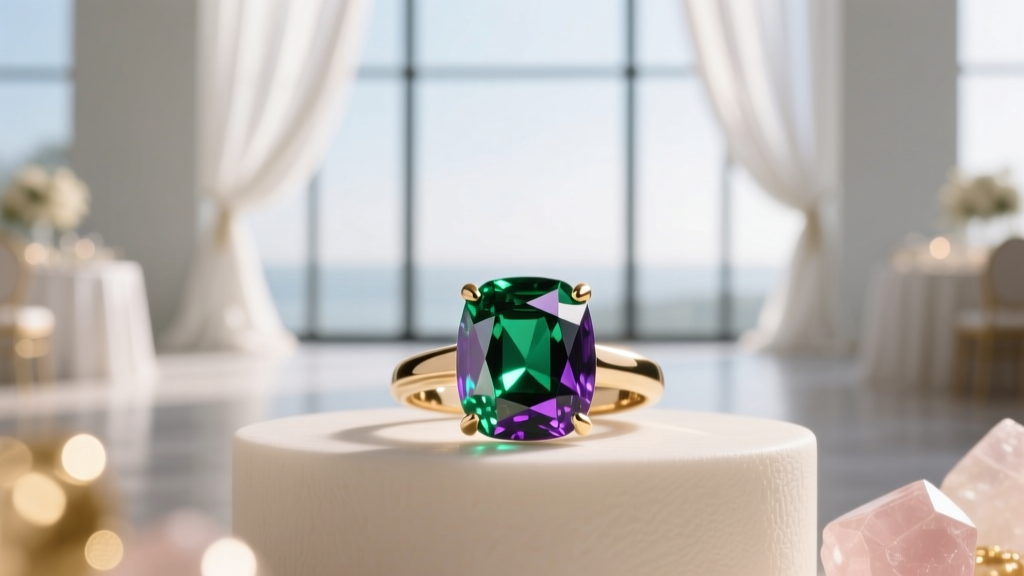 Alexandrite Engagement Rings Color-Changing Rarity
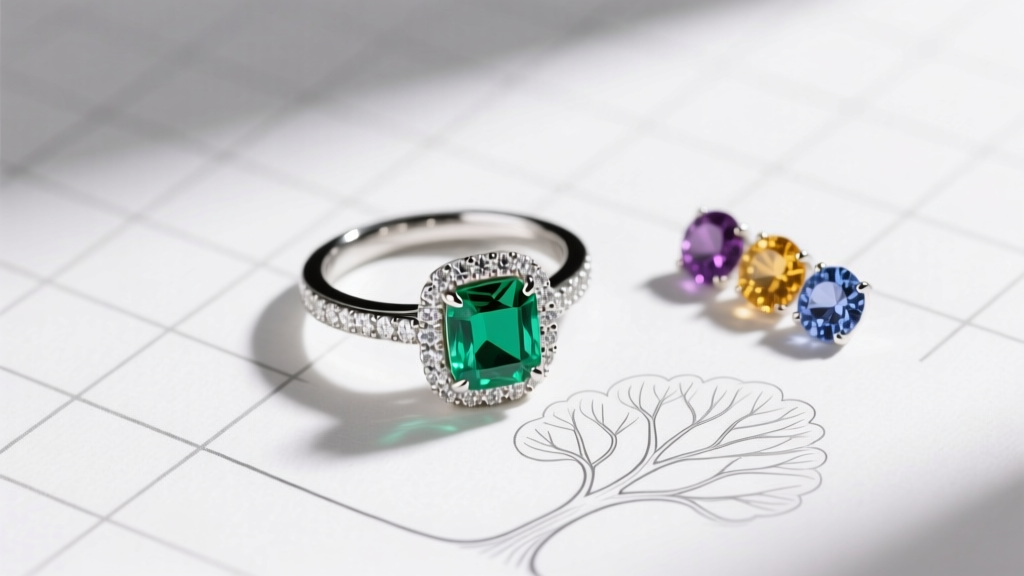 May Birthstone Rings: Emerald Alternatives (2026)
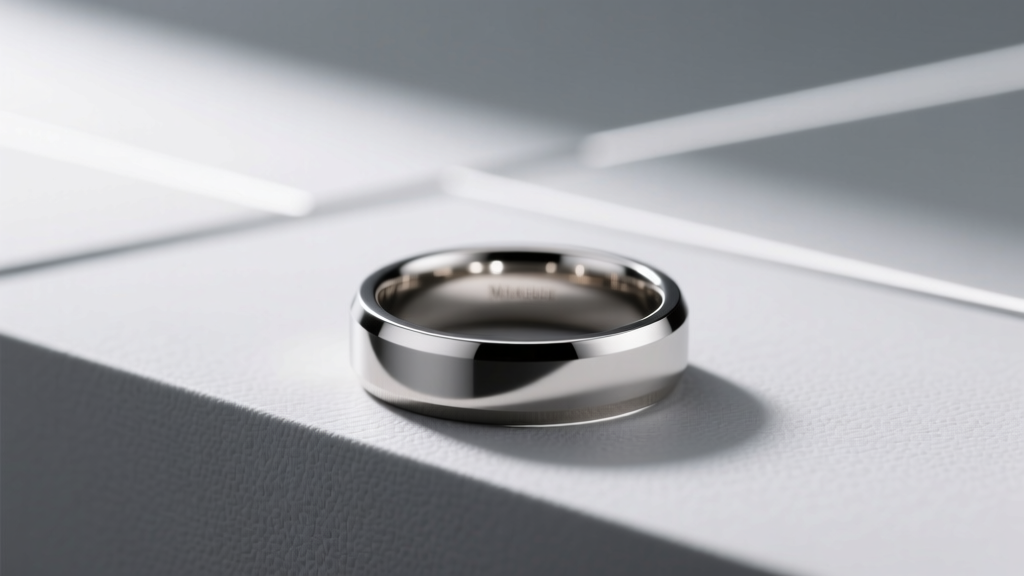 Men's Wedding Band Weight: Real-World Sizing Guide (2026)
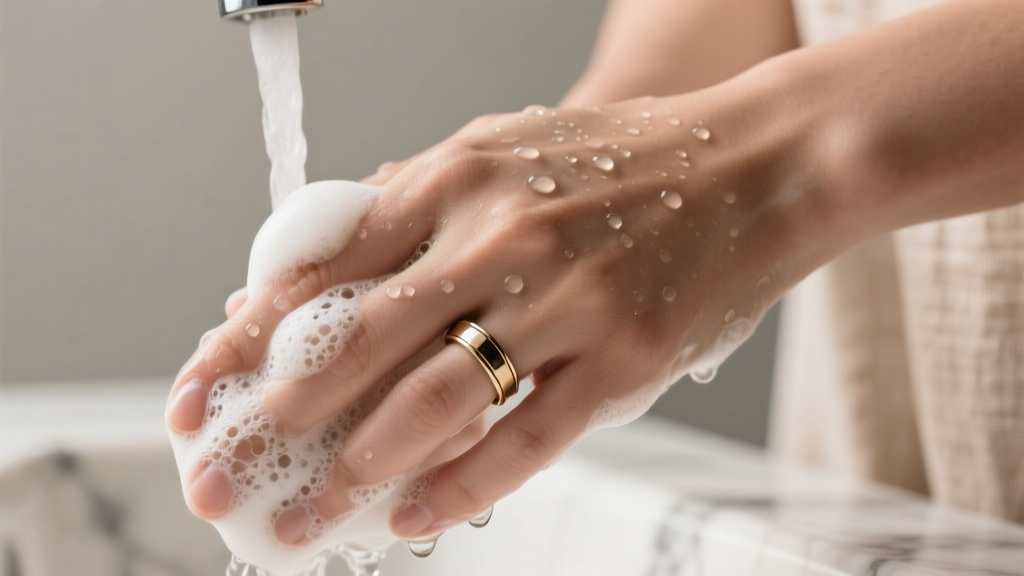 Wedding Ring Handwashing: Soap, Scrubbing & Damage (2026)
 Jewelry FAQ: Answers From a Metalsmith
 How to Choose a Wedding Band With a Milgrain Edge
 Wedding Band Metals Compared: Pros and Cons