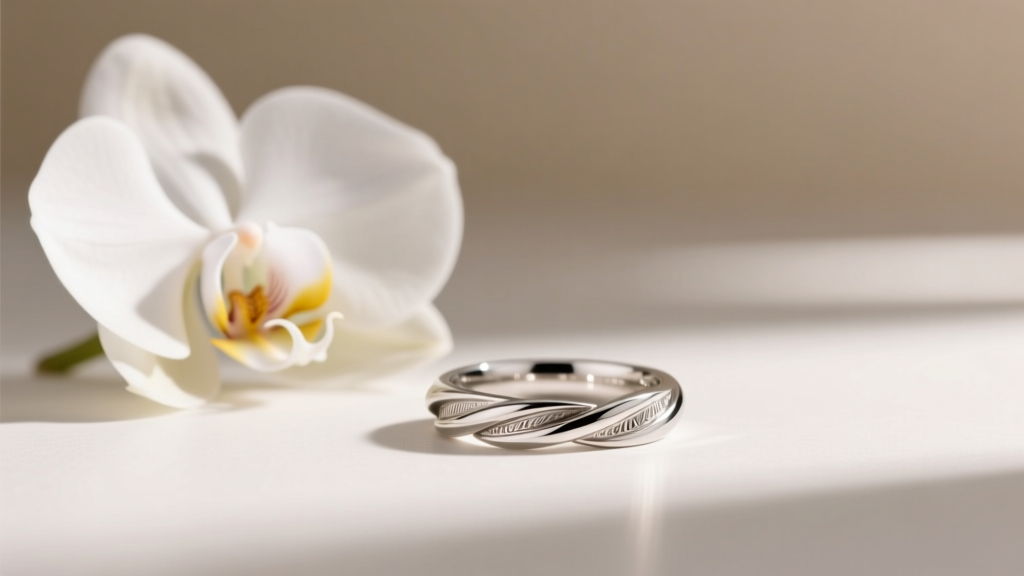
How to Choose an Engagement Ring With a Twisted Band
A twisted band engagement ring has a way of catching light from every angle. Instead of a straight, uniform shank, the band gently spirals—sometimes like a delicate rope, sometimes like two strands woven together. The result feels romantic and symbolic (two lives intertwining), while still looking modern and polished.
That said, the twist that makes these rings so beautiful also introduces a few extra choices: How tight should the twist be? Will the setting sit flush with a wedding band? Does the design snag on sweaters or gloves? Choosing well means balancing style with daily comfort, durability, and long-term wear.
This guide breaks down the key decisions—metal, gemstones, settings, craftsmanship, price, and maintenance—so you can confidently pick a twisted band engagement ring that looks stunning now and still feels right years from now.
What Makes a Twisted Band Engagement Ring Different?
A twisted band (also called a twist shank, rope band, or intertwined band) features a band that visually crosses over itself. Some designs are purely sculptural metal, while others incorporate pavé diamonds or alternating metal colors for contrast. Compared to a classic solitaire on a plain band, the twist adds movement and detail—often making the center stone look larger and brighter.
Popular twisted band styles
- Single twist shank: A simple spiral that feels sleek and timeless.
- Double-strand intertwined: Two “bands” braided together; great for symbolism and texture.
- Rope-inspired twist: Fine ridges mimic a rope; often vintage-leaning.
- Pavé twist: One or both strands are lined with small diamonds for extra sparkle.
- Two-tone twist: Mixed metals (like platinum + yellow gold) for bold contrast and trend-forward style.
Choosing the Right Center Stone for a Twisted Band
The center stone is still the star. A twisted band supports it by adding dimension—so the goal is a stone shape and cut that harmonizes with the movement of the shank, rather than competing with it.
Best diamond shapes for twisted bands
- Round brilliant: The most classic choice; looks balanced with nearly any twist style.
- Oval: Very on-trend and flattering on the finger; pairs beautifully with a flowing twist and can look larger per carat.
- Pear: Elegant and romantic; the twist can echo the teardrop’s curve.
- Cushion: Soft corners work well with vintage-inspired rope twists or pavé strands.
- Emerald cut: Clean lines create a striking contrast against a twisted band; best with a more subtle twist so it doesn’t feel busy.
Cut quality: the sparkle factor you shouldn’t compromise
If you’re choosing a diamond, prioritize cut first—especially for round, oval, and pear shapes. A well-cut diamond will outshine a larger but poorly cut stone. Look for:
- Round: Excellent or Ideal cut grades when available.
- Fancy shapes (oval/pear/cushion): Ask for videos in different lighting and check for symmetry and lively sparkle.
Color and clarity guidelines that balance beauty and value
- Color: For white metals (platinum/white gold), many couples prefer G–I for a bright look at a better price than D–F. For yellow or rose gold, you can often go warmer (H–J) and still see a beautiful face-up color.
- Clarity: Aim for VS2–SI1 (sometimes SI2) as long as the stone is eye-clean. Twisted bands with pavé sparkle can make minor inclusions even less noticeable.
Gemstone alternatives: moissanite and colored stones
Twisted shanks look stunning with non-diamond centers:
- Moissanite: High brilliance and value; pairs nicely with pavé twists for maximum sparkle.
- Sapphire: A timeless classic (especially blue), durable for daily wear; looks elegant with platinum or yellow gold twists.
- Emerald and ruby: Gorgeous but require extra care; choose protective settings and plan for regular maintenance.
Metal Matters: Picking the Best Metal for a Twisted Shank
The twist design highlights metalwork, so your metal choice impacts both appearance and longevity.
Platinum
Best for: durability, secure stone setting, naturally white color. Platinum develops a soft patina over time rather than losing color. It’s a premium choice for intricate twisted bands because it holds prongs well.
14K vs. 18K gold (white, yellow, rose)
- 14K gold: Excellent for everyday wear; slightly harder due to alloy content, often ideal for delicate pavé twists.
- 18K gold: Richer color and more “luxury” feel, but slightly softer—fine for most wearers, especially with a well-built band.
White gold is typically rhodium plated for a bright white finish; expect re-plating over the years depending on wear. Yellow gold is a timeless classic that highlights vintage-inspired twists. Rose gold remains a strong trend for romantic, warm-toned designs and can make pavé diamonds pop.
Two-tone twisted bands
Two-tone is popular in current engagement ring trends because it creates contrast without needing extra diamonds. A common approach is a white metal head (platinum/white gold) to make the diamond look brighter, paired with a yellow or rose gold twisted band for warmth.
Settings That Work Beautifully With a Twisted Band
Prong settings (4-prong vs. 6-prong)
A twisted band often pairs best with a classic prong setting:
- 4-prong: Shows more of the diamond; slightly more modern.
- 6-prong: Extra security and a more traditional look (especially with round stones).
Hidden halo and under-gallery details
Hidden halos (a small ring of diamonds beneath the center stone) are trending because they add sparkle from the side without changing the face-up look. They also complement a twisted shank’s detail—just make sure the overall design doesn’t become too busy.
Pavé twisted bands: beauty vs. maintenance
Pavé diamonds along a twist look breathtaking, but they require careful craftsmanship. Ask about:
- Stone size and setting style: micro-pavé vs. bead-set pavé.
- Comfort fit: inside edges should be smooth even if the outside is detailed.
- Maintenance plan: periodic checks to keep tiny stones secure.
Craftsmanship and Quality Checks for Twisted Designs
Twisted bands reveal workmanship more than a plain shank. Before you buy, evaluate these details:
- Symmetry: The twist should look even on both sides; lopsided twists can look “off” on the finger.
- Band thickness: For durability, many jewelers recommend around 1.8–2.2mm minimum, depending on design and finger size. Extremely thin twisted bands can wear faster.
- Pavé security: Check for consistent bead/prong work and no sharp edges that catch fabric.
- Clean finishing: Look for smooth polishing on the inner shank and crisp lines in the twist.
Wedding Band Pairing: Will It Sit Flush?
This is where many couples get surprised. A twisted band engagement ring can sit higher or have a setting that blocks a straight wedding band from sitting flush. If you want a seamless stack, plan ahead.
Options for a great match
- Contour (curved) wedding band: Designed to nest against the engagement ring’s shape.
- Notched band: A subtle cutout that allows a closer fit.
- Spacer band: A thin band between rings to prevent rubbing, especially with pavé.
- Custom matching set: Best for complex twisted designs and ensures comfort and alignment.
Price Range and Value Tips
Twisted band engagement rings span a wide range based on center stone, metal, and whether the twist includes pavé diamonds.
- Budget-friendly (approx. $800–$2,000): 14K gold twisted shank with moissanite or a smaller lab-grown diamond; minimal or no pavé.
- Mid-range (approx. $2,000–$6,000): Lab-grown diamond center (often 1.0–2.0 ct) with a twisted pavé band in 14K/18K gold; or natural diamond with modest carat weight.
- Premium (approx. $6,000–$15,000+): Natural diamond center with higher color/clarity, platinum setting, detailed pavé twist, or custom two-tone craftsmanship.
Value tips that don’t sacrifice beauty
- Consider lab-grown diamonds: A major trend for couples who want a larger center stone and excellent cut quality within budget.
- Choose 14K for pavé twists: The added hardness can help in daily wear.
- Prioritize cut and setting quality: A well-made setting protects your investment better than upgrading one clarity grade.
- Oval and pear shapes can look larger: Great for maximizing finger coverage per carat.
Care and Maintenance for a Twisted Band Ring
Twisted designs have curves and crevices that can trap lotion, soap, and everyday grime. Regular care keeps sparkle high and reduces wear.
At-home cleaning
- Soak in warm water with mild dish soap for 15–20 minutes.
- Use a soft toothbrush to clean along the twist and under the center stone.
- Rinse thoroughly and dry with a lint-free cloth.
Professional maintenance
- Prong and pavé checks: Every 6–12 months, especially if you chose micro-pavé.
- Re-polishing: Twists show scratches more because light reflects from multiple angles.
- Rhodium re-plating: For white gold, as needed to restore bright whiteness.
Common Mistakes to Avoid
- Choosing an ultra-thin twisted band: Delicate can be beautiful, but too thin may bend or wear down faster.
- Ignoring wedding band fit: If you want a flush stack, confirm it before purchasing—or plan for a contour band.
- Overloading on details: A twisted pavé band plus halo plus hidden halo can look cluttered. Decide what you want to be the focal point.
- Not checking snag potential: Try it on with a knit sleeve; sharp pavé edges or high prongs can catch.
- Skipping craftsmanship questions: Ask how the twist is formed (cast vs. hand-finished), pavé setting type, and warranty/maintenance options.
FAQ: Twisted Band Engagement Rings
Are twisted band engagement rings comfortable for everyday wear?
Yes, when designed well. Look for a comfort-fit interior and adequate band thickness. If the twist is very pronounced or the pavé edges are sharp, it may feel less smooth—try it on and move your fingers naturally before deciding.
Do twisted bands make a diamond look bigger?
Often, yes. The added metal movement and (if included) pavé sparkle draws the eye across the ring, which can make the center stone appear more prominent. Pairing an oval or pear center with a twisted shank can amplify this effect.
Is a pavé twisted band durable?
It can be durable, but it requires better maintenance than a plain twist. Micro-pavé involves many tiny stones and beads/prongs; plan on periodic checks to prevent stone loss and choose a reputable jeweler with solid craftsmanship.
What metal is best for a twisted band ring?
Platinum is excellent for strength and prong security, while 14K gold is a favorite for balancing durability and price—especially for delicate pavé twists. Choose the color (white, yellow, rose, or two-tone) that best matches your style and wardrobe.
Can I stack a straight wedding band with a twisted band engagement ring?
Sometimes, but not always. If the center setting sits low or has a bulky basket, a straight band may leave a gap. Many couples choose a curved wedding band or a custom-fitted matching band for a seamless look.
Next Steps: Choosing the Twist That Fits Your Style and Life
A twisted band engagement ring can be trendy without feeling temporary—especially when paired with timeless choices like a round brilliant solitaire, a well-proportioned oval, or a classic prong setting in platinum or 14K gold. Focus on cut quality, durable band construction, and a wedding band pairing plan, and you’ll end up with a ring that’s both romantic and practical.
If you’re comparing styles—pavé vs. plain twist, platinum vs. gold, oval vs. round—keep exploring more engagement ring and wedding band guides on weddingsift.com to find the best match for your budget, lifestyle, and love story.
More Articles
 How to Choose a Wedding Band for Sensitive Skin
 10 Karat Gold Wedding Band Value (2026)
 How to Choose an Engagement Ring With a Pear-Shaped Stone
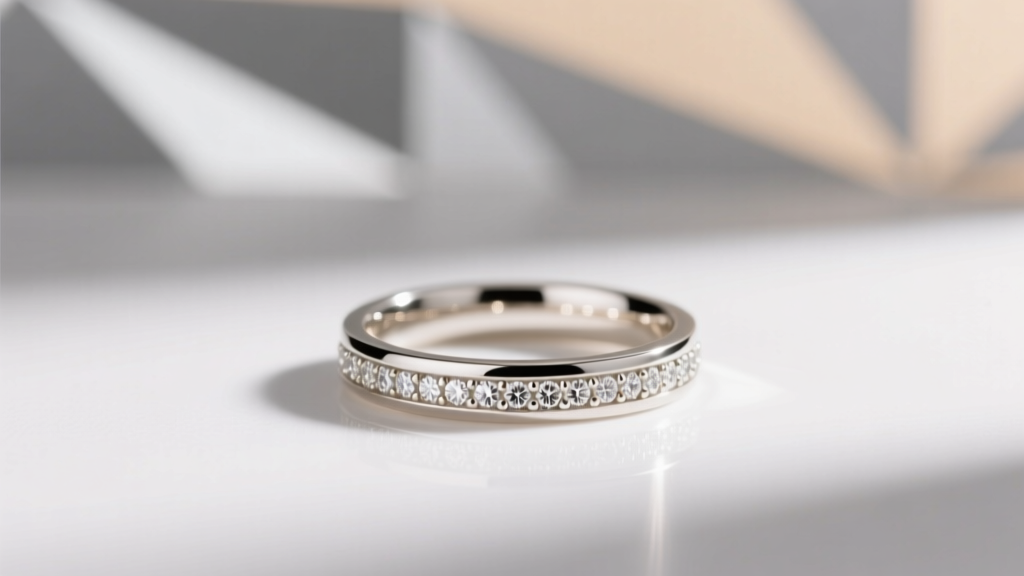 How to Clean a Gold Wedding Ring Safely (2026)
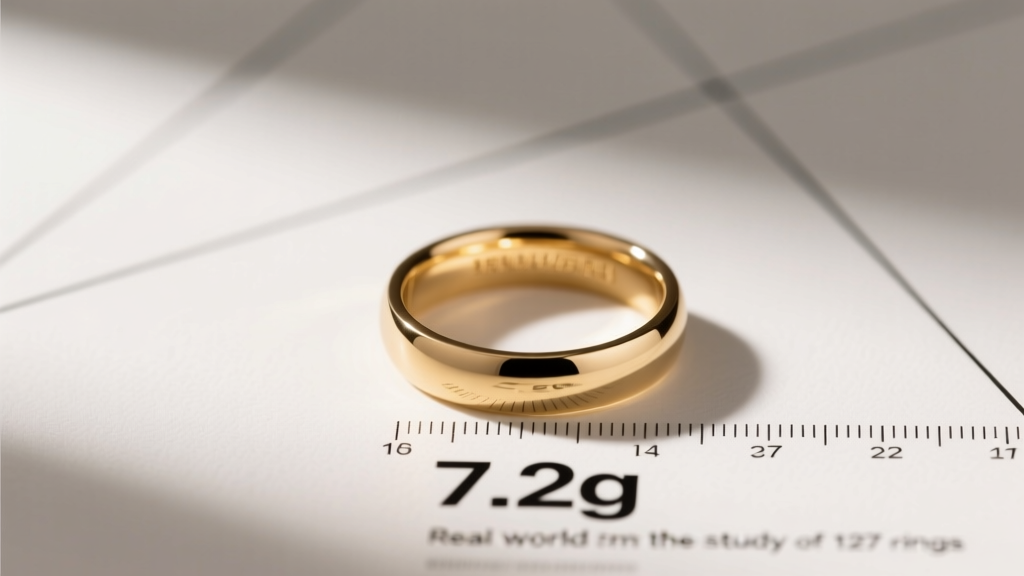 Wedding Ring Weight in Grams: Real Data (2026)
 Stop Wedding Rings from Spinning: 7 Non-Damaging Fixes
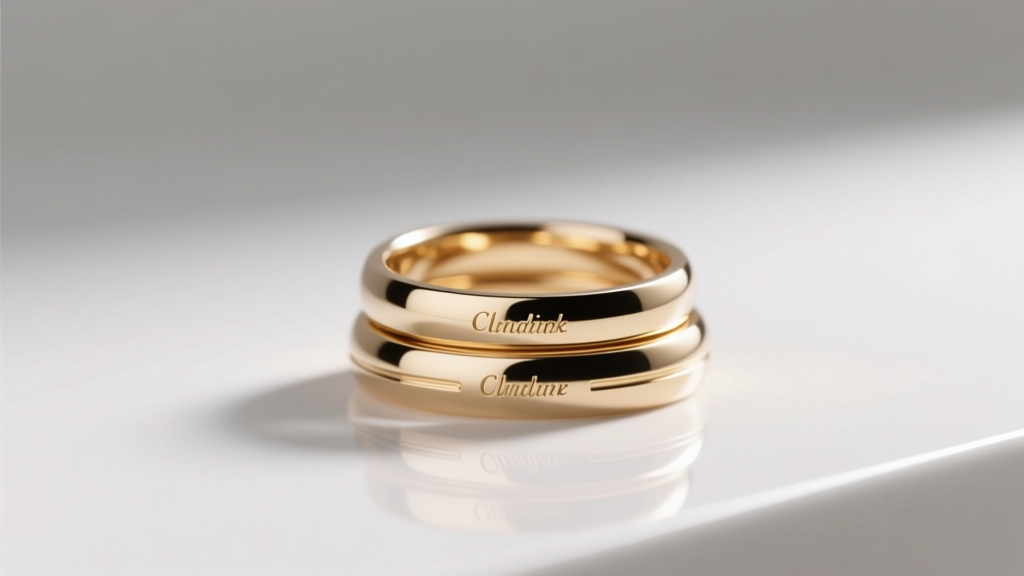 How Do You Stack Wedding Rings Without Ruining Either One
 Gold Ring Weight: How Many Grams? (2026)
 Ring Enhancers: Wedding Bands or Not? (2026)
 Wedding Band Weight: Grams by Metal, Size & Impact