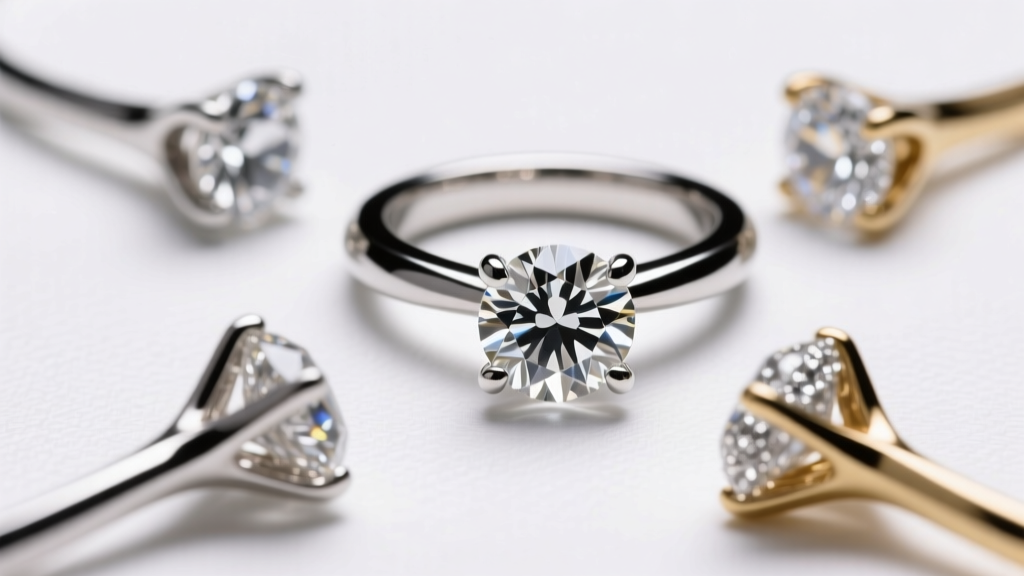
Engagement Ring Prong Types Security and Style Compared
The prongs on an engagement ring may look like small details, but they do the biggest job: holding your center stone safely in place. Prong type influences how secure your diamond or gemstone is, how much light reaches it, how often the ring needs maintenance, and even how the ring feels on your hand (snaggy vs. smooth, high vs. low profile).
For couples shopping for engagement rings and wedding bands, understanding prong styles is one of the quickest ways to narrow down choices with confidence. The right prongs can make a round brilliant diamond look brighter, help a pear-shaped stone sit correctly, or protect a delicate emerald cut from chipping. Below is a jeweler-style guide to the most common engagement ring prong types—how they compare for security and style, which metals work best, what they cost, and how to avoid common shopping mistakes.
Why Prongs Matter: Security, Sparkle, and Wearability
Prongs are the small metal “claws” that grip the gemstone at set points. Most engagement ring settings use 4 or 6 prongs, but you’ll also see 2-prong (rare), 8-prong, double prongs, and V-prongs for corners. Prongs affect:
- Stone security: More contact points generally means a safer hold, especially for active lifestyles.
- Light performance: Prongs block a little light; fewer or slimmer prongs can showcase more of the diamond.
- Protection for vulnerable shapes: Fancy shapes (pear, marquise, princess, emerald) have points or corners that need guarding.
- Comfort and snagging: A higher head or sharp prong tips can catch on sweaters, hair, or bedding.
- Maintenance: All prongs wear down over time; some designs need more frequent checks.
Engagement Ring Prong Styles: Security and Style Side-by-Side
4-Prong Setting: Classic, Open, and Bright
Best for: Round, cushion, oval, radiant (with corner protection considerations)
Why couples love it: A four-prong engagement ring setting is a timeless classic that exposes more of the diamond, often making the stone look slightly larger and brighter. It’s also a popular pairing with slim pavé bands and minimalist wedding bands.
Security notes: With 4 prongs, each prong matters more. If one prong loosens, the stone is more vulnerable than it would be with 6 prongs. This doesn’t mean 4 prongs are “unsafe”—it means craftsmanship and regular inspection are key.
Style trend: Sleek 4-prong solitaires in platinum or 14k yellow gold remain a top engagement ring trend, especially with oval and round diamonds.
6-Prong Setting: Maximum Hold and a Traditional Look
Best for: Round brilliant diamonds, heirloom-inspired designs
Why couples love it: Six prongs provide extra security and a subtly more “crowned” silhouette. The classic example is the Tiffany-style 6-prong solitaire, a timeless engagement ring setting that suits nearly any wedding band style.
Security notes: If one prong is damaged, the stone typically remains stable while you get it repaired. For active wearers or anyone prioritizing durability, 6 prongs are often the safest traditional option.
Considerations: More prongs can slightly interrupt the outline of the diamond, which some prefer and others don’t.
Claw (Pointed) Prongs: Delicate, Modern, and “Barely There”
Best for: Round, oval, cushion, emerald (when paired appropriately), high-end solitaires
Look and feel: Claw prongs taper to a fine point, minimizing visible metal and giving a refined, modern engagement ring look. When well-executed, they’re elegant and subtle.
Security notes: Claw prongs can be secure, but they’re more dependent on excellent finishing and sufficient metal thickness. Very thin claw prongs may wear faster, especially in softer metals or on rings worn daily without routine checks.
Craftsmanship tip: Ask how the prongs are finished and whether they’re hand-cut and shaped. Clean symmetry and smooth tips reduce snagging.
Rounded (Button) Prongs: Comfortable and Durable for Everyday Wear
Best for: Active lifestyles, practical buyers, vintage-style mountings
Look and feel: Rounded prong tips are softer-looking and often more comfortable. They can be slightly more visible than claw prongs, but they tend to snag less and provide a reassuring, sturdy appearance.
Security notes: Their shape can be very durable, especially in platinum, because there’s more metal at the tip compared to ultra-fine claws.
Double Prongs: Extra Security with High-End Detail
Best for: Emerald cut, cushion, radiant, larger center stones
Look and feel: Double prongs (two prongs at each corner) add architectural detail and a luxury feel. They can also visually “frame” step cuts like emerald cut diamonds, complementing crisp lines.
Security notes: Double prongs add redundancy at key contact points, which can be helpful for larger stones. They do require precise alignment; if one prong is slightly off, it’s noticeable.
V-Prongs: The Best Protection for Points and Corners
Best for: Princess, pear, marquise, trillion, heart shapes
Why they matter: A V-prong wraps around a pointed tip or corner, shielding it from impact. This is critical for fancy shape diamonds and gemstones like sapphires or emeralds that can chip at thin points.
Security notes: V-prongs are among the most protective options when properly fitted. Look for clean coverage that doesn’t swallow the tip but fully guards it.
Shared Prongs (for Pavé and Side Stones): Sparkle, but Needs Maintenance
Best for: Pavé engagement rings, micro-pavé halos, diamond-accented shanks
Look and feel: Shared prongs hold multiple small diamonds, maximizing sparkle and minimizing metal. This style remains a strong trend in bridal jewelry, especially for halos and “hidden halo” engagement rings.
Security notes: Because prongs are shared, wear on one area can affect more than one stone. Micro-pavé is beautiful but typically higher maintenance than a solitaire.
Metal Choices and How They Affect Prong Security
Platinum: Premium Security for Prongs
Platinum is a favorite for prongs because it’s tough and naturally white. It tends to deform rather than chip away, which can help keep stones in place after minor knocks. It develops a patina over time, but prongs stay reliable when properly made. Platinum is especially popular for diamond engagement rings where maximum prong durability is the goal.
14k and 18k Gold: Strong, Beautiful, and Style-Driven
14k gold is generally more durable than 18k because it has a higher alloy content. For prongs, 14k white gold, yellow gold, and rose gold can all work well. 18k gold has a richer color (especially yellow) and a more luxurious feel, but it’s a bit softer, so prongs may show wear sooner depending on lifestyle.
White gold is typically rhodium-plated for a bright white finish. Over time, the plating can wear, so you may re-plate the ring every 1–3 years depending on wear.
Mixing Metals: Yellow Gold Band with Platinum Prongs
A classic jeweler trick is pairing a yellow gold shank with platinum prongs. You get the warmth of yellow gold on the band and the extra prong security of platinum near the stone. This can also keep a white diamond looking bright at the setting.
Matching Prongs to Diamond Cuts and Gemstones
- Round brilliant: 4 or 6 prongs both work; 6 prongs for extra security, 4 for a more open look.
- Oval: 4 prongs are common; consider claw prongs for elegance. A well-set oval reduces the “bow-tie” look by keeping the stone level and centered.
- Princess cut: Use V-prongs at corners to prevent chipping.
- Pear and marquise: V-prong at the point is strongly recommended; it’s both protective and visually clean.
- Emerald cut: Double prongs or sturdy corner protection looks sharp and suits the step-cut style.
- Colored gemstones (sapphire, ruby, emerald): Sapphires and rubies are durable for daily wear, but still benefit from protective prongs. Emeralds are more fracture-prone; prioritize protective settings and regular checks.
Quality Factors: What Makes Prongs “Good”?
Proper Seat and Even Pressure
The “seat” is the tiny bearing cut into the prong where the stone rests. A good seat supports the stone evenly—no rocking, no gaps, no stress points that can cause chipping in corners.
Prong Thickness and Height
Overly thin prongs may look delicate but can wear faster. Overly tall prongs snag. The sweet spot is enough metal for long-term wear, finished smoothly, with tips that are secure but not bulky.
Finish and Symmetry
Prongs should be symmetrical when viewed from the top. Uneven prongs can tilt the stone, affect light return, and look “off” next to a straight wedding band.
Practical Buying Tips for Engagement Ring Shoppers
- Ask how often prongs should be checked: Many jewelers recommend every 6–12 months for a daily-wear engagement ring.
- Consider your lifestyle: If you work with your hands, exercise often, or wear gloves frequently, choose sturdier prongs (6-prong, rounded, or protective V-prongs) and a lower profile setting.
- Try your wedding band with the engagement ring: Some prong heads sit low and allow a flush fit; others create a gap. This matters if you want a seamless bridal set.
- Inspect for snagging: Run the ring gently against a knit fabric in-store. If it catches, ask for a smoother finish or a different prong style.
- Prioritize craftsmanship over tiny visual differences: A well-made 4-prong setting can outperform a poorly made 6-prong setting.
Care and Maintenance: Keeping Prongs Secure Over Time
- Clean weekly at home: Use warm water, mild dish soap, and a soft toothbrush. Rinse well and dry with a lint-free cloth. Clean rings sparkle more, and you’ll spot issues sooner.
- Avoid harsh chemicals: Chlorine and strong cleaners can damage metals and finish over time. Remove rings for cleaning, swimming, and heavy yard work.
- Schedule inspections: A jeweler can check for prong lift, thinning, or looseness. Catching prong wear early is far less expensive than replacing a lost center stone.
- Watch for warning signs: A diamond that “clicks,” snags suddenly, or looks tilted may indicate a prong issue—stop wearing the ring and have it checked.
Price Range and Value Tips
Prong style affects price mostly through craftsmanship and labor rather than raw material. Typical influences include metal choice, complexity, and whether the ring is custom-made.
- Simple 4-prong or 6-prong solitaire settings: Often the best value for a classic diamond engagement ring. Expect a wide range depending on metal and brand, commonly starting in the mid-hundreds to low-thousands for the setting alone.
- Claw prongs and fine finishing: Can add cost due to precision work and hand-finishing.
- Double prongs, V-prongs, and custom heads: Often cost more than standard prongs because of extra labor and fitting.
- Pavé and shared prongs: Price increases with the number of accent diamonds and the labor of micro-setting. Budget for maintenance over time.
Value tip: If you’re allocating budget between diamond and setting, don’t under-invest in the setting quality. A secure, well-made prong setting protects your center stone and preserves long-term value.
Common Mistakes to Avoid When Choosing Prongs
- Picking the thinnest prongs for the most delicate look: Ultra-fine prongs can wear faster. Balance elegance with enough metal for daily wear.
- Ignoring corner protection on fancy shapes: Princess, pear, and marquise cuts are more prone to corner damage without V-prongs or appropriate protection.
- Assuming “more prongs” always looks worse: A well-designed 6-prong head can look refined and very classic, especially on round diamonds.
- Not thinking about band pairing: Some prong heads sit in a way that prevents a wedding band from sitting flush. Try the full bridal set if possible.
- Skipping routine inspections: Prongs are not set-and-forget. Regular checks are part of owning fine bridal jewelry.
FAQ: Engagement Ring Prongs
Which prong type is most secure for an engagement ring?
A well-made 6-prong setting is one of the most secure classic options because it provides redundancy if a prong loosens. For pointed shapes, V-prongs add crucial protection where the stone is most vulnerable.
Do prongs make a diamond look bigger or smaller?
Prongs can influence perceived size. Four prongs often show more of the diamond’s outline and can make the center stone look slightly larger. Heavier prongs or more metal coverage can make a stone look a touch more framed.
Are claw prongs safe for daily wear?
Yes—when they’re properly proportioned and well finished. Very thin claw prongs can wear faster, so pair them with strong metal choices (often platinum or 14k gold) and commit to routine inspections.
How often should prongs be checked or retipped?
For a daily-wear engagement ring, have prongs checked every 6–12 months. Retipping depends on wear and lifestyle; many rings need prong work after years of wear, sooner for micro-pavé or very delicate settings.
What’s better for white diamonds: white metal prongs or yellow gold prongs?
White metal prongs (platinum or white gold) are popular for white diamonds because they blend in and keep the look bright. Yellow gold prongs can create a warmer contrast and are a timeless choice, especially for vintage-inspired engagement rings.
Do pavé rings lose stones more easily because of shared prongs?
Pavé and shared-prong settings can be more maintenance-heavy simply because there are more small stones and tiny prongs involved. With good craftsmanship and regular checks, they can be worn safely, but they’re less “low-maintenance” than a solitaire.
Choosing Your Best Prong Style: A Confident Next Step
If you want a timeless engagement ring that wears beautifully for decades, start with the fundamentals: a secure head, prongs matched to your diamond cut, and a metal that fits your lifestyle. For maximum everyday security, a 6-prong solitaire or protective V-prongs on fancy shapes are hard to beat. If your style is modern and minimal, a 4-prong or refined claw-prong setting can look stunning—just prioritize quality craftsmanship and commit to routine checkups.
Keep exploring weddingsift.com for more jewelry guides on engagement ring settings, wedding bands, diamond shapes, metal types, and how to build a bridal set you’ll love for a lifetime.
More Articles
 Stop Wedding Rings from Spinning: 7 Non-Damaging Fixes
 Can You Wear a Wedding Ring in an MRI? (2026)
 Wedding Bands: History, Symbolism & Modern Rules (2026)
 How to Choose an Engagement Ring With a Vintage Engraving
 Men's Wedding Ring Weight: Platinum, Gold & Titanium (2026)
 Is Zirconium Good for Wedding Rings? (2026)
 How to Protect Your Rings During Daily Activities
 How to Choose a Wedding Band With a Damascus Steel Pattern
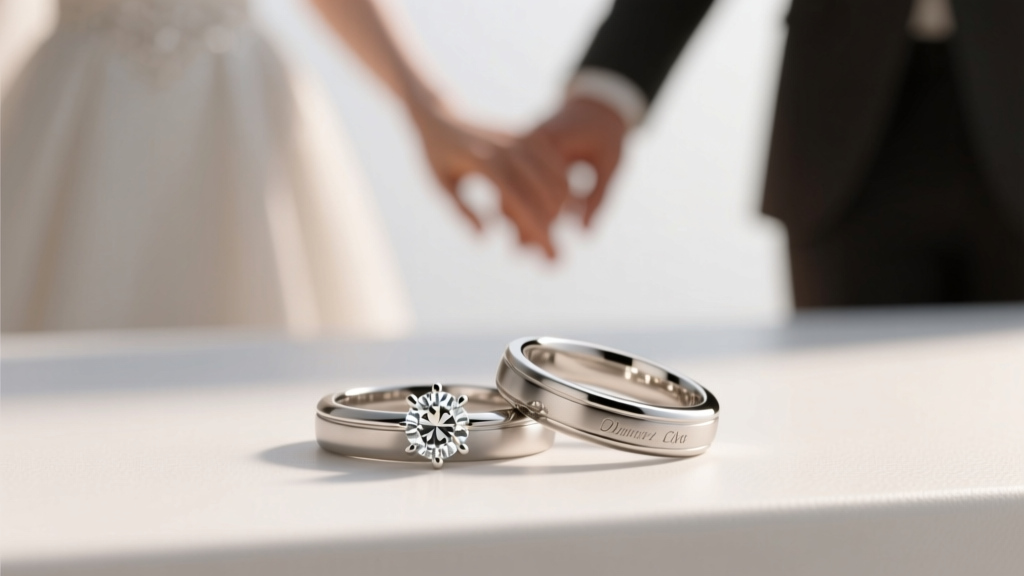 How to Keep Wedding Ring and Engagement Ring Together
 How to Clean Gold Wedding Rings at Home