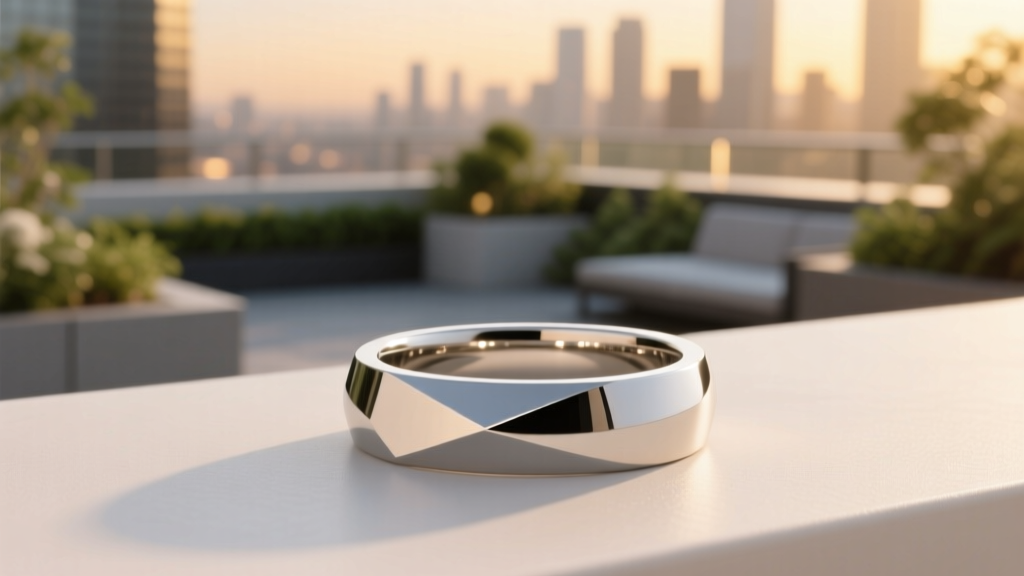
How to Choose a Wedding Band With a Knife Edge Profile
A wedding band is the one piece of fine jewelry you’ll likely wear more than any other—through workdays, travel, celebrations, and everything in between. That’s why the profile (the way the band is shaped from side to side) matters just as much as metal choice or diamond details. A knife edge wedding band stands out for its crisp ridge that runs around the center, creating a clean, architectural line and a flattering silhouette on the finger.
Knife edge bands have a long history in classic jewelry design, yet they feel modern right now thanks to the popularity of minimal, refined wedding ring stacks. They’re sleek, they catch light beautifully, and they pair especially well with many engagement ring styles. The key is choosing the right width, metal, finish, and comfort features so the band looks sharp while still feeling great for daily wear.
This guide breaks down what makes a knife edge profile unique, how to pick the best version for your lifestyle, and how to spot quality craftsmanship—so you can choose a wedding band that feels as good as it looks.
What Is a Knife Edge Wedding Band?
A knife edge wedding band features a raised center ridge (the “edge”) running around the circumference of the ring. Instead of a flat top or a rounded dome, the band slopes up from both sides to a crisp peak. That peak can be very defined (a true “knife” edge) or softly beveled for a gentler look.
Why Couples Love the Knife Edge Profile
- Visual definition: The ridge creates a clean line that reads as elegant and intentional, even in plain metal.
- Light play: Angled surfaces reflect light differently than flat or rounded bands, giving more sparkle without gemstones.
- Finger-flattering shape: The center ridge can make the band look slightly slimmer and more tailored on the hand.
- Versatility: Works as a standalone wedding ring or paired in a bridal set with an engagement ring.
Knife Edge vs. Comfort Fit vs. Flat: How Profiles Compare
When shopping for wedding bands, you’ll see profile terms that affect both appearance and wearability.
Knife Edge
Sharp center ridge; angled shoulders. Best for couples who want a refined, classic-meets-modern look. Some people find a very sharp ridge less comfortable if the ring is wide or if you’re sensitive to pressure points.
Comfort Fit (Interior)
Not a top profile, but an interior shape. Comfort fit bands have a gently rounded inner surface, making the ring feel smoother and often easier to slide over the knuckle. Many knife edge bands are available with comfort fit interiors—an excellent upgrade for daily wear.
Flat or Half-Round
Flat bands look modern and minimal; half-round (domed) bands are timeless and traditional. Compared to these, knife edge offers more definition and a more tailored look while still feeling classic.
Choosing the Right Metal for a Knife Edge Wedding Band
Metal choice matters even more with a knife edge because the ridge and crisp lines showcase finish and craftsmanship. Here’s how common wedding ring metals perform in a knife edge profile.
Platinum: Best for Heirloom Durability
Platinum (usually 950 platinum with alloy) is dense and naturally white. It’s prized for longevity and a substantial feel—great for a knife edge band you want to keep for decades. Platinum develops a soft patina over time rather than losing metal quickly, though the ridge may show micro-scratches that give it a lived-in elegance.
- Best for: Daily wear, sensitive skin, long-term value
- Watch for: Platinum’s weight; it costs more upfront
14K or 18K Gold: Classic, Customizable, and Trend-Friendly
Gold is a favorite for bridal jewelry because it offers many looks:
- Yellow gold: Timeless and currently trending in warm-toned stacks.
- White gold: Bright, neutral, and popular for diamond engagement ring pairings. Look for rhodium plating quality.
- Rose gold: Romantic, flattering on many skin tones, and beautiful with vintage-inspired settings.
For knife edge bands, 14K is often the sweet spot for strength and daily wear, while 18K offers richer color and a more luxe feel but can show wear a bit faster because it’s softer.
Palladium: A Lightweight Alternative
Palladium is naturally white and lighter than platinum. It can be a good choice if you like a white metal but prefer less weight. Availability varies by jeweler, and resizing can be more specialized depending on the alloy.
Titanium and Tungsten: Modern and Budget-Friendly (With Tradeoffs)
Titanium is lightweight and durable; tungsten is extremely scratch-resistant with a sleek sheen. Both can look great in a knife edge profile, especially for minimalist wedding band styles. The main drawback: many tungsten rings can’t be resized, and titanium resizing is limited. If you expect finger size changes or want a long-term heirloom piece, precious metals are usually the better investment.
Width, Edge Sharpness, and Comfort: The Details That Make or Break the Ring
Band Width: 2mm to 6mm+ (How to Choose)
- 2mm–3mm: Delicate, stackable, and ideal for pairing with a solitaire engagement ring or a pavé band. The knife edge reads subtle and refined.
- 4mm–5mm: Balanced presence; great for many hands and a popular choice for men’s and women’s wedding bands.
- 6mm+: Bold and statement-making; make sure the edge isn’t uncomfortably sharp and consider comfort fit.
Tip: If your engagement ring has a prominent center stone (like a round brilliant, oval, or cushion cut), a slimmer knife edge band often pairs more seamlessly. If the engagement ring is minimal, a wider knife edge can add structure and contrast.
Sharp Knife Edge vs. Soft Bevel
A true sharp ridge looks crisp and modern, but it can feel pointy on certain fingers—especially if you wear the ring tightly or your hands swell. A soft knife edge or beveled knife edge keeps the signature look while improving comfort and reducing snagging.
Comfort Fit Interior: Worth It for Many Couples
If you’re choosing a knife edge band in 4mm or wider, a comfort fit interior is a smart upgrade. It helps the ring glide on and off and reduces pressure during long wear. Comfort fit can slightly affect sizing, so always confirm sizing guidance with the jeweler.
Adding Diamonds or Gemstones to a Knife Edge Band
Knife edge bands are often chosen as plain metal wedding bands, but diamonds can be incorporated beautifully when done with precision.
Pavé or Micro-Pavé Accents
Small round brilliant diamonds set along one or both sides of the ridge add sparkle without changing the profile. Look for even beadwork, secure prongs, and a smooth finish that won’t catch on fabric. For daily wear, ask about pavé coverage (half-eternity vs. full-eternity). Half-eternity styles are usually easier to resize and can be more comfortable.
Channel-Set Diamonds
A channel setting protects diamond edges by nesting stones between metal walls. This is a durable option for active lifestyles and gives a clean, modern look that pairs well with the crisp geometry of a knife edge.
Gemstone Options Beyond Diamonds
If you want color, consider sapphires (excellent durability), rubies, or emeralds (beautiful but more prone to chips due to inclusions). For most couples, sapphires—especially deep blue, teal, or even colorless “white sapphire”—offer a practical balance of beauty and wearability for a wedding ring.
Craftsmanship and Quality Checks (What to Look For)
- Symmetry of the ridge: The knife edge should be centered and consistent all the way around.
- Even thickness: Thin spots can warp over time. Ask about band thickness, especially for 2mm–3mm rings.
- Polish and finishing: A high polish emphasizes the edge; a satin or brushed finish softens the look and hides scratches.
- Seamless joins: On plain bands, the circle should look continuous without visible solder lines.
- Stone setting security (if applicable): Check that pavé beads/prongs are smooth and consistent; channel edges should be clean and protective.
Current Trends and Timeless Pairings
Knife edge wedding bands sit right at the intersection of timeless and trending. Right now, couples are leaning into:
- Mixed metals: A knife edge band in yellow gold paired with a white gold or platinum engagement ring for contrast.
- Minimalist stacks: A slim knife edge band next to a solitaire or hidden halo engagement ring for a clean bridal set.
- Matte finishes: Brushed or sandblasted knife edge bands that feel modern and understated.
For a classic look that never dates, a plain platinum or 14K yellow gold knife edge band with a comfort fit interior remains a go-to choice.
Price Range and Value Tips
Prices vary based on metal, width, brand, and whether diamonds are included. Here are realistic ranges for a quality knife edge wedding band:
- Plain 14K gold (2mm–4mm): often $400–$1,200
- Plain 18K gold: often $600–$1,800
- Plain platinum: often $900–$2,500+
- Diamond-accented (pavé/channel): often $1,200–$4,000+ depending on total carat weight, diamond quality, and setting style
- Tungsten/titanium: often $50–$400
How to Get the Best Value
- Prioritize comfort fit if you’ll wear it daily—it’s a quality-of-life upgrade.
- Choose 14K gold for an excellent durability-to-price ratio.
- Consider half-eternity pavé for easier resizing and long-term practicality.
- Ask about warranties and maintenance (rhodium re-plating for white gold, stone tightening, polishing).
Practical Buying Tips for the Perfect Fit
- Try on multiple widths: Knife edge bands can look narrower than they measure due to the ridge, so compare 3mm vs. 4mm in person if possible.
- Pair it with your engagement ring: Bring the engagement ring when shopping to check for gaps, rubbing, and overall balance.
- Check the “flush fit” question: Some engagement ring settings sit low or have a large center stone that prevents bands from sitting flush. You may need a contoured band, a spacer, or a slightly slimmer knife edge.
- Think about your hands day-to-day: If you type, work with tools, or your fingers swell, opt for a softened edge and comfort fit.
Care and Maintenance for Knife Edge Wedding Bands
- Clean regularly: Use warm water, mild dish soap, and a soft toothbrush. Rinse and pat dry with a lint-free cloth.
- Avoid harsh chemicals: Remove your ring for bleach, chlorine, and cleaning solutions—especially important for gold alloys and gemstone settings.
- Plan for refinishing: High polish will show micro-scratches on the ridge. Brushed finishes can be refreshed easily by a jeweler.
- Annual checkups: If your knife edge band includes diamonds or gemstones, have prongs and channels inspected yearly.
- Store smart: Keep it in a soft pouch or separate compartment to avoid scratching other jewelry.
Common Mistakes to Avoid
- Choosing a too-sharp edge for your lifestyle: A crisp ridge looks amazing, but comfort matters. If it feels “pokey” in the showroom, it won’t improve with time.
- Ignoring resizing realities: Tungsten and some alternative metals can’t be resized. Even with precious metals, full-eternity bands are difficult to resize.
- Going too thin for durability: Ultra-thin bands can bend over time, especially in softer metals. Ask about thickness and reinforcement.
- Overlooking finish choice: High polish is striking but shows wear. Brushed finishes hide scratches better—great for active hands.
- Not testing the band next to the engagement ring: Fit, height, and comfort as a bridal set can change the whole experience.
FAQ: Knife Edge Wedding Bands
Are knife edge wedding bands comfortable?
They can be very comfortable, especially with a softened ridge and a comfort fit interior. If the edge is extremely sharp or the band is wide, some wearers may feel pressure at the ridge—try it on for at least a few minutes to be sure.
Do knife edge bands scratch more easily?
They don’t necessarily scratch more than other profiles, but the ridge and angled planes can make surface marks more visible in high polish finishes. Platinum develops a patina; gold shows fine scratches that can be polished out during routine maintenance.
What engagement ring styles pair best with a knife edge band?
Knife edge bands pair beautifully with solitaire engagement rings, cathedral settings, and many pavé styles because the clean line complements a center stone without competing. For low-set rings or large halos, you may need a contoured band or spacer for a flush fit.
Is a knife edge band a good choice for men’s wedding bands?
Yes. Knife edge men’s wedding bands are popular in 4mm–6mm widths, especially in platinum, yellow gold, or brushed white gold. The profile adds definition while staying classic.
Can a knife edge wedding band have diamonds?
Absolutely. Pavé, micro-pavé, and channel-set diamonds are common. For daily wear, prioritize secure settings and consider a half-eternity layout for comfort and resizing flexibility.
Should I choose 14K or 18K gold for a knife edge wedding band?
For most couples, 14K gold offers excellent durability and value for an everyday wedding ring. Choose 18K if you want richer color and don’t mind a bit more visible wear over time.
Next Steps: Choosing Your Knife Edge Band with Confidence
A knife edge wedding band is a smart choice if you love clean lines, subtle dimension, and a profile that feels both current and timeless. Start by selecting the metal that fits your lifestyle, decide on a width that balances well with your engagement ring, and prioritize comfort fit if you’ll wear the band daily. When in doubt, choose a softly beveled knife edge with high-quality finishing—sharp in style, easy to live with.
For more practical ring shopping advice, metal comparisons, and bridal set styling ideas, explore more jewelry guides on weddingsift.com.
More Articles
 Do You Wear Wedding Band On Inside Or Outside (2026)
 How to Choose a Wedding Band With a Geometric Pattern
 Antique Wedding Rings What to Look for When Buying
 Wedding Band Thickness: The Science-Backed Sweet Spot
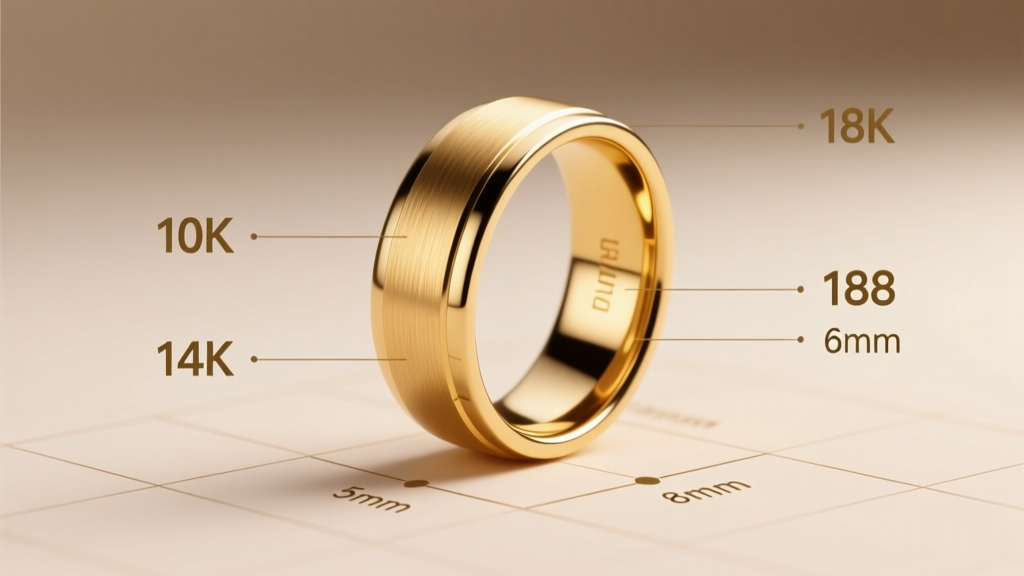 Men’s Gold Wedding Band Weight Guide (2026)
 How to Choose an Engagement Ring With a Cathedral Shank
 How to Wear Wedding Ring with Band (2026)
 Rose Gold Wedding Bands Are They Worth the Hype
 Can Wedding Rings Be Made Bigger? (2026)
 Wedding Ring Stack Styling: 7-Step Guide (2026)