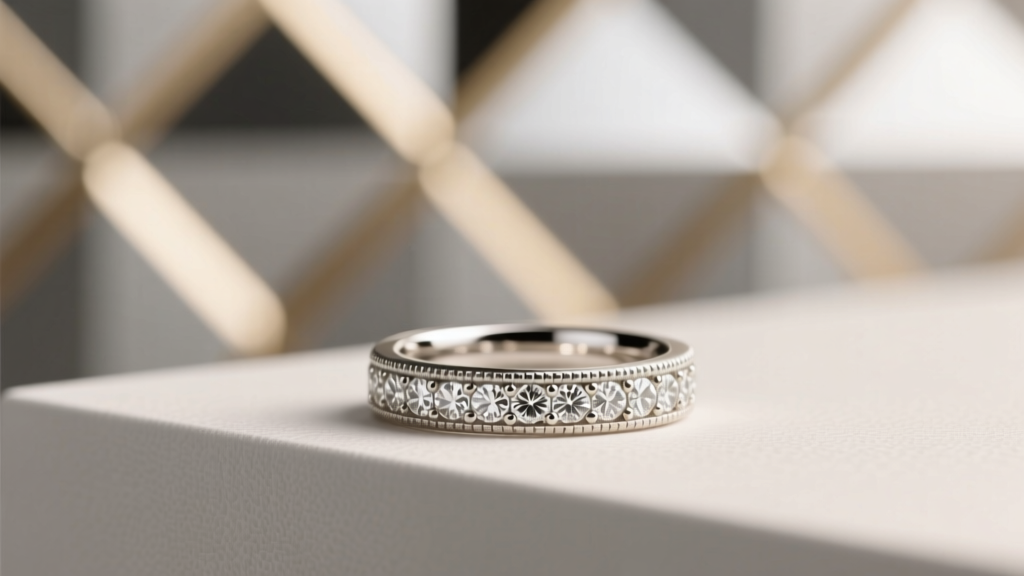
Diamond Bezel Settings Protection and Modern Appeal
A diamond bezel setting is one of those rare design choices that feels both practical and stylish—perfect for couples who want an engagement ring that looks sleek, wears comfortably, and stands up to real life. Instead of holding the diamond with prongs, a bezel uses a rim of metal that wraps around the stone’s edge. The result is a clean silhouette that reads modern, but has roots in classic jewelry craftsmanship.
For many couples shopping for engagement rings and wedding bands, the bezel setting solves a common tension: you want your diamond to shine, but you also want a ring you can wear daily without constantly worrying about snagging, bending prongs, or knocking the stone. A well-made bezel offers excellent protection, a smooth profile, and an elegant, tailored look—especially popular right now with minimalist and low-profile engagement ring trends.
This guide breaks down how bezel settings work, what to look for in quality and craftsmanship, how they compare to prong settings, and how to choose the best metal, diamond cut, and style for your lifestyle and budget.
What Is a Bezel Setting, and Why Couples Love It
A bezel setting encircles the diamond with a thin metal collar (the “bezel”) that holds the stone securely. There are two main types:
Full Bezel vs. Partial (Half) Bezel
- Full bezel setting: Metal fully surrounds the diamond’s perimeter. This is the most protective option and tends to look the most streamlined.
- Partial bezel (half bezel) setting: Metal grips the stone at two or more points, leaving more of the diamond’s edge exposed. This can look lighter and allow more light in while still offering better security than many prong designs.
Bezel settings are especially popular for active lifestyles, hands-on jobs, and anyone who wants a comfortable engagement ring that won’t snag on sweaters, hair, or gloves. They’re also a favorite for couples choosing low-profile engagement rings that sit closer to the finger.
Protection Benefits: How a Bezel Shields Your Diamond
The signature advantage of a diamond bezel setting is protection. Because the diamond’s girdle (the widest edge) is framed by metal, it’s less vulnerable to chips from accidental knocks. This is particularly valuable for:
- Thin girdles: Diamonds with very thin girdles are more prone to damage at the edge.
- Pointed shapes: Cuts like marquise, pear, and princess have corners or tips that can chip more easily.
- Daily wear: If you wear your ring constantly, a bezel can reduce the risk of prong snags and stone loosening.
Security is another major win. A properly crafted bezel locks the stone in place with even pressure around the perimeter. While any ring can be damaged with enough force, bezel settings generally resist the common “caught a prong on something and bent it” scenario that can lead to a loose diamond.
Modern Appeal: Why Bezels Are Trending (and Still Timeless)
Bezel-set engagement rings are having a moment—especially in modern, architectural designs. Current jewelry trends show a strong lean toward:
- Minimalist engagement rings: Clean lines, fewer delicate parts to snag, and a refined look.
- East-west settings: Oval, marquise, or emerald-cut diamonds set horizontally in a bezel for a contemporary twist.
- Mixed metals: Yellow gold bezels around a diamond paired with a white gold or platinum shank for contrast.
- Low-profile settings: Rings that sit closer to the finger for comfort and practicality.
At the same time, bezel settings aren’t just “new.” They’ve been used for centuries, especially in vintage and antique-inspired jewelry. That mix of heritage craftsmanship and current design sensibility makes bezel-set wedding rings and engagement rings feel both fresh and enduring.
Best Diamond Shapes and Cuts for Bezel Settings
Nearly any diamond shape can be bezel-set, but some pair especially well with the bezel’s smooth outline:
Round Brilliant
The most classic choice. A round diamond in a bezel setting looks crisp and balanced, and it tends to maximize sparkle. If you want a timeless engagement ring with extra everyday protection, this is a standout.
Oval
Oval diamonds are hugely popular for engagement rings, and a bezel can emphasize their elegant silhouette. Consider an east-west oval bezel if you want a modern edge.
Emerald Cut
Emerald cuts have long, clean facets that create a “hall of mirrors” effect rather than a glittery sparkle. Bezels complement their geometric style beautifully, especially with a slightly thicker bezel for a bold, contemporary feel.
Princess, Pear, and Marquise
These shapes benefit from bezel protection at corners and tips. A full bezel can shield vulnerable points, while a partial bezel can offer a lighter look while still helping protect the stone.
Metal Choices: How Platinum, Gold, and White Gold Change the Look
Your metal choice impacts durability, maintenance, and the overall style of your bezel-set engagement ring.
Platinum
- Pros: Naturally white, dense, and highly durable—excellent for secure settings. Develops a soft patina many people love.
- Consider: Typically costs more than gold. Patina can be polished back to shine.
14K and 18K Yellow Gold
- Pros: Warm, timeless tone; beautiful contrast with diamonds; popular for vintage-meets-modern styles.
- Consider: 14K is harder and more scratch-resistant than 18K. 18K is richer in color but slightly softer.
White Gold
- Pros: Bright, modern look similar to platinum at a lower price point.
- Consider: Often rhodium-plated for a bright finish; may need re-plating over time depending on wear.
Rose Gold
- Pros: Romantic blush tone; flattering on many skin tones; very on-trend for wedding jewelry.
- Consider: The alloy is typically durable, but color can make warm-tinted diamonds appear slightly warmer.
Quality and Craftsmanship: What to Look For in a Bezel Setting
A bezel setting should look smooth, symmetrical, and intentional. Key quality markers include:
- Even bezel thickness: The rim should be consistent all the way around, without thin weak spots.
- Clean finishing: Look for a polished, snag-free edge. A sharp edge can catch fabric and feel uncomfortable.
- Proper fit to the diamond: The bezel should hug the stone without gaps, while not covering more of the crown than necessary.
- Balanced light performance: Well-designed bezels allow enough light to enter from the sides or through a gallery opening beneath the stone.
Because bezels can subtly influence how big a diamond looks, ask to compare the same carat weight in a bezel vs. a prong setting. Some bezels make a diamond appear slightly larger by creating a bold outline; others can make it look smaller if the bezel is overly thick.
Bezel vs. Prong Settings: A Practical Comparison
Security
Bezel: Excellent security, fewer snag points. Prong: Secure when well-made, but prongs can catch and wear down over time.
Style
Bezel: Modern, sleek, low-profile; also works with vintage-inspired looks in milgrain or engraved styles. Prong: Classic “diamond-forward” look that emphasizes airy sparkle.
Sparkle and Light
Bezel: Can slightly reduce side light, but a well-cut diamond still shines beautifully. Prong: Typically allows maximum light exposure around the diamond.
Maintenance
Bezel: Usually lower maintenance; check for dents and wear. Prong: Requires periodic prong checks and potential re-tipping over years of wear.
Buying Tips for Bezel-Set Engagement Rings and Wedding Bands
- Prioritize diamond cut quality: Because the bezel creates a defined frame, a well-cut diamond pays off. For round diamonds, look for excellent or ideal cut grades where available.
- Match the setting to your lifestyle: If you’re active, consider a full bezel and a low profile. If you want a lighter look, consider a partial bezel.
- Check band pairing: Some bezel engagement rings sit low and may not allow a flush wedding band. Ask about a contoured or notched wedding band if a perfect fit matters to you.
- Choose the right width: A thin bezel feels delicate and modern; a thicker bezel can look bold and makes a strong design statement.
- Ask about customization: Small changes—like adding milgrain, a brushed finish, or a hidden halo under the bezel—can personalize the ring while keeping the sleek bezel profile.
Care and Maintenance: Keeping a Bezel Setting Beautiful
Bezel settings are durable, but they still need care:
- Clean regularly: Soap, lotion, and daily grime can dull sparkle. Soak in warm water with mild dish soap, use a soft toothbrush, and rinse well. Pat dry with a lint-free cloth.
- Schedule inspections: Have a jeweler check the bezel edge and overall condition once a year (more often if you wear it daily). Dents can loosen a bezel over time.
- Avoid harsh chemicals: Remove rings for cleaning products, chlorine, and heavy-duty household chemicals.
- Store thoughtfully: Keep your engagement ring separate from other jewelry to reduce scratching, especially with gold.
Price Range and Value Tips
The cost of a bezel-set diamond ring depends on the diamond (carat, cut, color, clarity), metal type, and the complexity of the design. As a general guide:
- Simple bezel solitaire in 14K gold: Often starts around the mid-range for engagement rings, with pricing heavily influenced by diamond size and quality.
- Platinum bezel settings: Typically higher due to metal cost and labor. Platinum’s density can also mean a heavier ring.
- Designer details: Milgrain edges, hand engraving, hidden halos, or custom shaping can raise the price.
Value tips for couples:
- Put budget toward cut quality: A well-cut diamond will look brighter in any setting, including a bezel.
- Consider near-colorless grades: Many couples find excellent value in diamonds that face up very white in the near-colorless range, especially in yellow or rose gold.
- Lab-grown diamonds: A lab-grown diamond bezel setting can deliver a larger look for the budget while keeping the same sleek, protective style.
Common Mistakes to Avoid
- Choosing an overly thick bezel without seeing it on-hand: Thick bezels can look bold and gorgeous, but they can also visually “shrink” the diamond if the proportions are off.
- Ignoring wedding band fit: Low-profile bezels sometimes leave a gap with straight bands. Plan your engagement ring and wedding band as a set.
- Skipping workmanship checks: Uneven bezel edges, gaps, or rough finishing are red flags. Good bezels should feel smooth and look symmetrical.
- Assuming bezels never need maintenance: They’re durable, not indestructible. Annual checks protect your investment.
- Not considering diamond shape compatibility: Fancy shapes need careful bezel craftsmanship to avoid uneven pressure or poorly aligned outlines.
FAQ: Diamond Bezel Settings
Do bezel settings make diamonds less sparkly?
A bezel can slightly reduce side light compared to prongs, but sparkle mostly comes from the diamond’s cut quality. A well-cut diamond in a thoughtfully designed bezel still looks bright and lively.
Is a bezel setting more secure than prongs?
Generally, yes. Bezels protect the diamond’s edge and don’t have prongs that can snag or bend. Security still depends on craftsmanship and wear, so inspections are recommended.
Are bezel-set engagement rings good for everyday wear?
They’re one of the best choices for daily wear. The smooth profile is comfortable, snag-resistant, and protective—ideal for active lifestyles or hands-on work.
Can I pair a bezel engagement ring with a wedding band?
Usually yes, but not always flush. If a seamless fit matters, consider a contoured wedding band, a curved band, or a custom matching set.
What metal is best for a bezel setting?
Platinum is excellent for durability and long-term wear, while 14K gold offers a strong balance of toughness and value. The “best” metal depends on your budget, color preference, and maintenance expectations.
Do bezel settings work for oval, pear, or marquise diamonds?
Absolutely. Bezels can be especially helpful for protecting pointed ends and corners. Just make sure the bezel is precisely shaped to the stone for a clean outline and even security.
Where Bezel Settings Shine: A Confident Recommendation
If you want a modern engagement ring that’s built for everyday life—secure, smooth, and visually clean—a diamond bezel setting is one of the smartest and most stylish options. It delivers real protection for the diamond, looks current with today’s minimalist and low-profile trends, and still feels timeless enough to love for decades.
Next step: decide whether you prefer a full bezel or partial bezel, choose the metal color that suits your style, and prioritize a beautifully cut diamond for the best brilliance. Keep exploring more engagement ring and wedding band guides on weddingsift.com to compare settings, metals, diamond shapes, and trending bridal jewelry styles.
More Articles
 How to Pair Engagement and Wedding Rings Together
 Can You Wear Other Rings With Your Wedding Ring? (2026)
 How to Choose an Engagement Ring With a Split Shank
 How to Keep Wedding Ring from Spinning (2026)
 Wedding Band Trends That Are Dominating in 2026
 What Is a Wedding Ring and Why Does It Really Matter
 Value Venues Essentials: Where to Sell Fine Jewelry for Maximum Return and Trust
 Gold in Men’s Wedding Rings: Karat, Weight & Price (2026)
 Engagement Ring Appraisal How Often Do You Need One
 Wedding Ring Set Styling: 7 Steps to Stack & Protect (2026)