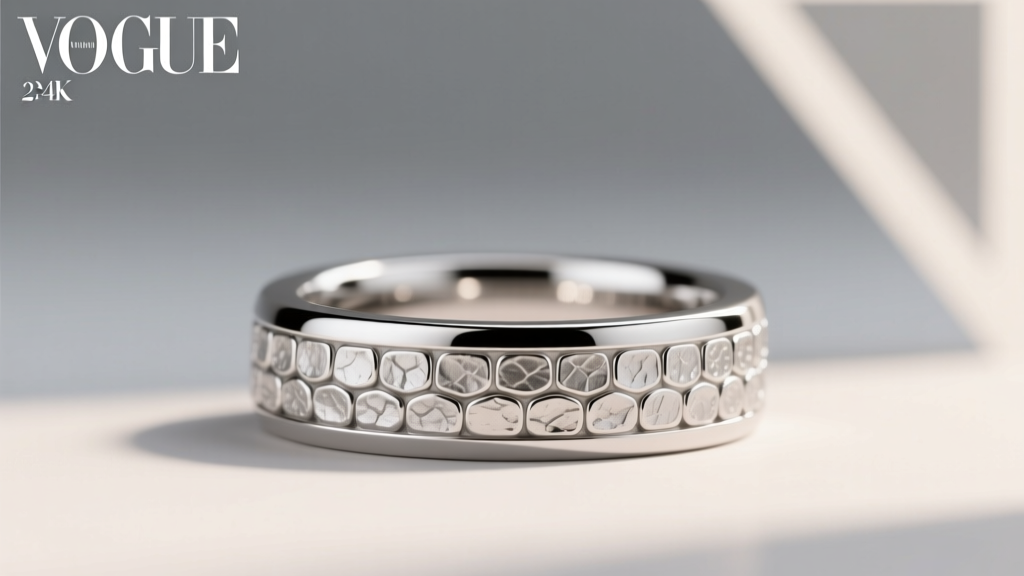
How to Choose a Wedding Band With a Cobblestone Pattern
A cobblestone-pattern wedding band has a distinct kind of charm: it looks like a path made of tiny, hand-set stones or textured “pavers,” creating depth and sparkle without feeling overly formal. For couples shopping for engagement rings and wedding bands, this style offers a balance between modern texture and classic wearability—especially appealing if you want something more interesting than a plain polished band, but less flashy than a full diamond eternity ring.
Because the cobblestone look can be achieved in several ways—pavé diamonds, bead-set clusters, flush-set “scattered” stones, or even textured metal that mimics stonework—the right choice depends on your lifestyle, your engagement ring style, and how much maintenance you’re comfortable with. A band that looks similar in photos can feel very different on the hand depending on metal choice, ring profile, stone size, and craftsmanship.
This guide breaks down what to look for so you can choose a cobblestone wedding band that complements your engagement ring, fits your budget, and stays beautiful for years of daily wear.
What Is a Cobblestone Pattern Wedding Band?
In jewelry, “cobblestone pattern” usually refers to a surface made up of small, irregularly spaced elements that resemble a cobblestone street. You’ll see the effect in two main approaches:
1) Cobblestone via gemstones (sparkly, dimensional)
- Scattered diamond band: Diamonds of similar or mixed sizes set in an irregular pattern.
- Pavé-style cobblestone: Small diamonds (melee) set closely together, but arranged with organic spacing or varied stone sizes for a less uniform look than classic pavé.
- Bead-set or micro-pavé clusters: Groups of tiny stones create “paver” sections.
2) Cobblestone via metalwork (subtle, textured)
- Hammered or pebbled texture: Metal is worked to form a stone-like surface without gemstones.
- Carved or engraved cobblestone: Pattern is cut into the metal, sometimes oxidized (common in alternative metals and sterling silver).
Many couples prefer the gemstone version because it reads “wedding band” immediately and pairs well with diamond engagement rings. The metal-only version is a great choice for low maintenance, active lifestyles, or a more understated aesthetic.
Choosing the Right Look: Styles That Complement Your Engagement Ring
Pairing with solitaire engagement rings
A solitaire leaves lots of visual space, so a cobblestone band can add texture without competing. Consider:
- Low-profile scattered diamonds for a modern, effortless vibe.
- Micro-pavé cobblestone if you want a crisp, brilliant sparkle next to a classic center stone.
Pairing with halo engagement rings
Halo rings already have plenty of sparkle. A good match is a cobblestone band with smaller stones or a mixed-metal texture so the set doesn’t look overly busy. Look for bands with a defined edge (milgrain or polished borders) to keep the look intentional.
Pairing with vintage-inspired engagement rings
Vintage styles pair beautifully with cobblestone patterns that include milgrain detailing, bead setting, and old-world textures. Consider warmer metals like yellow gold or rose gold for a timeless, heirloom feel.
Pairing with elongated center stones (oval, emerald, pear, marquise)
Elongated shapes are trending and look stunning with organic “scattered” cobblestone patterns. Choose a band width that doesn’t overpower the center stone—often 1.8–2.5mm works well, depending on finger size and the engagement ring’s scale.
Metals That Work Best for Cobblestone Wedding Bands
The metal you choose affects comfort, durability, maintenance, and how the stones (if any) show up.
Platinum (strong, naturally white, premium)
- Pros: Excellent for secure stone settings; naturally white; wears by developing a patina rather than losing metal quickly.
- Cons: Higher cost; patina look is loved by some, polished out by others.
14K gold (best balance for daily wear)
- Pros: Durable for everyday; great value; available in yellow, white, and rose gold.
- Cons: White gold usually needs rhodium re-plating over time to keep a bright white finish.
18K gold (richer color, softer)
- Pros: Luxurious color and weight; especially beautiful in yellow gold for a classic wedding ring look.
- Cons: Softer than 14K; can show wear more quickly, particularly on textured surfaces.
Alternative metals (tungsten, titanium, cobalt)
- Pros: Extremely durable, often budget-friendly, great for metal-textured cobblestone looks.
- Cons: Limited resizing; gemstone setting options can be more restricted.
If you want a cobblestone band with diamonds, platinum or 14K gold are the most common choices for long-term setting security and serviceability.
Gemstones, Cuts, and Setting Styles: What Creates the Cobblestone Effect?
Most common stones
- Natural diamonds: Timeless, durable (Mohs 10), and ideal for daily wear.
- Lab-grown diamonds: A major current trend for couples who want larger-looking sparkle at a lower price point; chemically and optically the same as natural diamonds.
- Moissanite: Very durable (Mohs 9.25) with high fire; often a brighter, more “rainbow” sparkle.
- Colored accents: Sapphires (excellent durability), black diamonds (edgy, modern), or champagne diamonds (warm, vintage-leaning).
Melee cuts that perform best
Most cobblestone gemstone bands use round brilliant melee because it maximizes sparkle and is easier to match. You may also see:
- Single cut diamonds: A vintage look with softer sparkle.
- Rose-cut accents: More antique, low-profile shimmer (less common in tiny sizes).
Settings to know (and how they wear)
- Micro-pavé: Very fine beads hold tiny stones; gorgeous sparkle, but requires top-notch craftsmanship and occasional maintenance.
- Bead set / pavé: Slightly more robust than micro-pavé; good for daily wear.
- Bright-cut setting: Metal is cut to frame stones with crisp edges; adds a refined, vintage-meets-modern finish.
- Flush (gypsy) setting: Stones sit level with the metal; excellent durability and a smooth feel—ideal for active lifestyles.
- Channel setting: Stones protected between two walls of metal; not always “cobblestone,” but can be adapted with staggered stones.
If you love the cobblestone look but want the easiest daily wear, consider a flush-set scattered diamond band or a band with protective borders.
Quality Factors That Make (or Break) a Cobblestone Band
Craftsmanship and stone security
The biggest difference between a band that lasts and one that constantly needs repairs is setting quality. Look for:
- Even, clean beadwork with no sharp prongs catching on fabric.
- Consistent stone seat depth so stones don’t sit precariously high.
- Protective edges (a slight lip or border) if the stones go close to the edge.
Comfort and profile
Cobblestone bands can be either smooth or “gritty” depending on height and metal finish. Ask about:
- Low-profile settings for comfort and to reduce snagging.
- Comfort-fit interior (rounded inner edge) for everyday wear.
- Band width: 1.5–2mm is delicate; 2.2–3mm is a popular balanced range; 4mm+ makes the texture more prominent.
Stone matching
With many small stones, matching matters. Ideally, melee diamonds should be consistent in:
- Color range (commonly G–H or F–G for white metals; warmer ranges can be beautiful in yellow gold).
- Clarity (often VS–SI in melee; eye-clean is the goal).
- Cut quality for lively sparkle under everyday lighting.
Buying Tips: Get the Right Band for Your Lifestyle
- Try it on next to your engagement ring: Cobblestone texture can visually “fight” with certain halos or ornate details. Bring your ring or request a matching fit test.
- Check the gap: If your engagement ring has a low basket or protruding prongs, the band may not sit flush. A contoured or notched cobblestone band can solve this.
- Decide your sparkle level: Full cobblestone around the entire band looks luxurious, but partial patterns (top half or top third) are easier to resize and can be more comfortable.
- Ask about resizing before purchase: Eternity-style cobblestone bands are often difficult or impossible to resize without affecting the pattern.
- Confirm maintenance support: For pavé and micro-pavé, ask if the jeweler offers prong checks, tightening, and cleaning.
Care and Maintenance: Keeping the Cobblestone Look Crisp
- Clean at home weekly: Soak in warm water with mild dish soap for 15–20 minutes, then use a soft toothbrush to gently clean around stones. Rinse and dry with a lint-free cloth.
- Avoid harsh chemicals: Chlorine and strong cleaners can damage metals and dull finishes. Remove your wedding band for pool cleaning, heavy household cleaning, and salon treatments.
- Schedule professional checks: Every 6–12 months for pavé or micro-pavé. A jeweler can tighten beads/prongs and polish carefully without thinning details.
- Store separately: Cobblestone textures can scratch other jewelry. Use a soft pouch or a separate compartment.
Price Range and Value Tips
Cobblestone wedding band pricing varies based on metal, total carat weight (for diamond versions), and labor. Typical ranges:
- Textured metal-only cobblestone bands: $150–$800 (sterling silver to 14K gold; alternative metals often land in the lower-middle range).
- Diamond or moissanite cobblestone bands (partial): $700–$2,500 depending on metal and stone quality.
- Diamond cobblestone bands (eternity or higher carat weight): $2,000–$6,000+ especially in platinum or with larger stones.
Value tips that don’t compromise wearability:
- Consider lab-grown diamonds for a bigger look at a lower cost while keeping the same durability as natural diamonds.
- Choose 14K gold if you want excellent daily durability and a better price than platinum.
- Pick a half-eternity layout for easier resizing and better comfort while keeping the cobblestone sparkle on top.
- Prioritize craftsmanship over carat weight: a slightly smaller, well-set band will outlast a larger, poorly set one.
Common Mistakes to Avoid
- Choosing micro-pavé for a very hands-on lifestyle without considering upkeep: If you lift weights, work with your hands, or wear gloves often, a flush-set cobblestone style may be more practical.
- Ignoring how it stacks: Some cobblestone bands sit high and can rub against engagement ring prongs or side stones. Check for contact points.
- Buying an eternity band without confirming sizing stability: Fingers can change with time, temperature, and life events. If you’re between sizes, discuss options before committing.
- Overlooking edge protection: Stones set too close to the edge are more prone to knocks. A subtle border can dramatically improve durability.
- Assuming all “white” metals match: Platinum, rhodium-plated white gold, and naturally white alloys can look different. Compare them side-by-side.
FAQ: Cobblestone Pattern Wedding Bands
Is a cobblestone wedding band the same as a pavé band?
Not always. Many cobblestone bands use pavé techniques, but “cobblestone” usually implies a more organic, irregular layout or a mix of stone sizes. Classic pavé often looks more uniform and symmetrical.
Can I wear a cobblestone diamond band every day?
Yes, as long as it’s well-made and suited to your routine. For maximum durability, consider a lower-profile design, protective borders, or flush-set diamonds. Plan for periodic professional inspections.
What’s better for a cobblestone band: platinum or white gold?
Platinum is excellent for long-term stone security and won’t need rhodium plating, but it costs more. 14K white gold is a strong value and very durable; expect occasional re-plating to keep it bright white.
Do cobblestone bands snag on clothing?
They can, especially higher micro-pavé styles with exposed beads. If snagging worries you, try a flush-set cobblestone pattern or a design with smoother edges and a lower profile.
Should I choose natural diamonds or lab-grown diamonds?
Both are real diamonds with the same hardness and sparkle. Natural diamonds carry traditional rarity; lab-grown diamonds are popular for maximizing size and brilliance within a budget. Choose based on your priorities and ask for grading documentation either way.
Can a cobblestone wedding band be resized?
Many half-eternity and partial cobblestone designs can be resized within a limited range. Full eternity bands are often difficult to resize without affecting the pattern and stone security. Confirm this before purchasing.
Next Steps: Choosing a Band You’ll Love Long-Term
A cobblestone pattern wedding band is a smart choice if you want texture, sparkle, and a design that feels both current and timeless. Focus on the fundamentals—durable metal, secure setting style, comfortable profile, and high-quality craftsmanship—then choose the level of sparkle that fits your everyday life.
If you’re still narrowing down options, compare a flush-set scattered diamond band against a micro-pavé cobblestone style side-by-side with your engagement ring. The right choice will look balanced, feel comfortable, and make you excited to wear it daily. Explore more wedding ring and engagement ring guides on weddingsift.com to keep shopping with confidence.
More Articles
 Jewelry Explained for Party: What to Wear, Why It Works, and How to Avoid Common Mistakes
 Birthstone Wedding Rings A Unique Alternative
 Moissanite vs Diamond: Honest 2026 Guide
 Stop Wedding Rings from Spinning: 7 Non-Damaging Fixes
 Shower With Wedding Ring? 3 Steps to Prevent Damage
 Clean Wedding Rings at Home: 5 Safe Methods (2026)
 Jewelry Buyer Guide: What to Know First
 Eternity Ring Styling: 5 Steps to Stack & Protect (2026)
 Wedding Band Trends That Are Dominating in 2026
 Wedding Ring Resizing Limits: Avoid Cracks & Damage