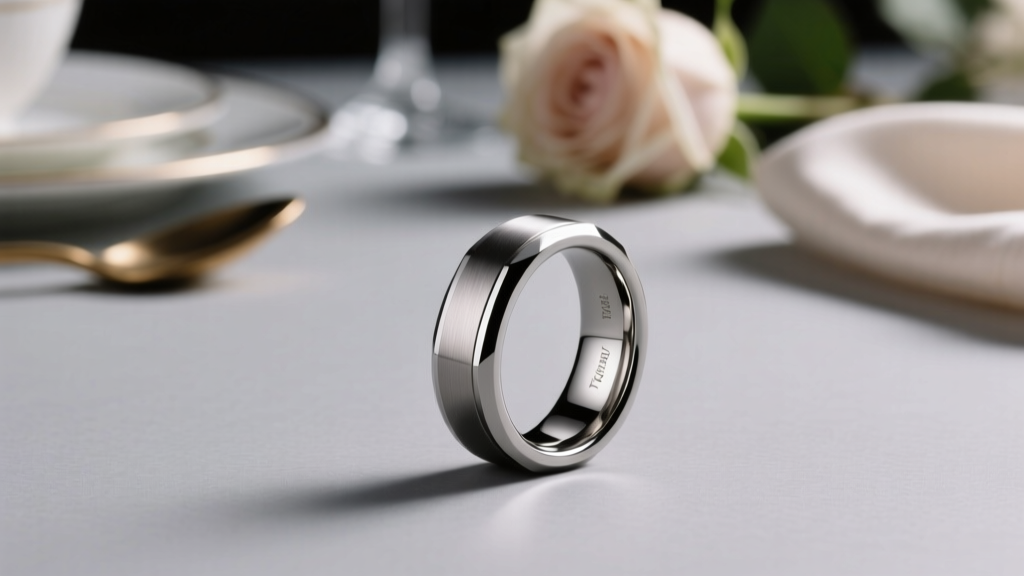
Tungsten Wedding Bands Pros Cons and Care
When you’re shopping for wedding bands, you’re not just picking a piece of jewelry—you’re choosing something you’ll reach for every day, through work, travel, workouts, and anniversaries. For many couples, tungsten wedding bands have become a go-to option because they look bold and modern, feel substantial on the hand, and resist scratches better than most traditional metals.
At the same time, tungsten rings come with a few trade-offs that aren’t always obvious on a product page. Understanding how tungsten carbide is made, what “quality” looks like, and how to care for it will help you choose a band that fits your lifestyle as well as your style.
This guide breaks down the real-world pros and cons of tungsten wedding bands, compares finishes and inlays, explains what to look for when buying, and shares practical care and safety tips—so you can shop confidently for a wedding ring you’ll love long after the ceremony.
What Is a Tungsten Wedding Band?
Most “tungsten” wedding rings are made from tungsten carbide, not pure tungsten. Tungsten carbide is created by combining tungsten with carbon and binding agents (often nickel or cobalt), then compressing and sintering it into an extremely hard, dense material. That hardness is the reason tungsten wedding bands are famous for their scratch resistance and polished shine.
Tungsten carbide rings are typically offered in comfort fit profiles (rounded interior edges) and a range of finishes—from mirror-polished silver tone to gunmetal gray or black tungsten. Many styles also feature inlays or accent stones for extra personality.
Pros of Tungsten Wedding Bands
1) Exceptional scratch resistance
Tungsten carbide is one of the most scratch-resistant wedding ring materials available. Compared with gold (10K–18K), platinum, and even palladium, tungsten is far less likely to pick up everyday scuffs from keys, gym equipment, or desk work. If you love a ring that stays looking “new” with minimal fuss, this is a major advantage.
2) A substantial, premium feel
Tungsten is noticeably heavier than gold. Many wearers appreciate the solid, weighty feel because it reads as durable and high-end. If you’ve tried lightweight bands and they felt insubstantial, tungsten can be a satisfying alternative.
3) Modern styles and finishes
Tungsten wedding bands are at the center of current wedding ring trends: matte and brushed finishes, black wedding bands, hammered textures, beveled edges, and mixed-material looks (like wood or meteorite inlays). You can still find timeless classics too—simple domed polished bands that echo traditional yellow gold styling in a sleek silver-gray tone.
4) Great value for the look
For couples balancing a wedding budget, tungsten bands often deliver a luxurious appearance at a more accessible price than platinum or designer gold. That can free up budget for an engagement ring upgrade, a higher diamond quality, or wedding day expenses.
Cons of Tungsten Wedding Bands (and Who Should Avoid Them)
1) Tungsten can crack under impact
Hardness and toughness aren’t the same. Tungsten carbide is extremely hard, but it’s also more brittle than precious metals. A hard impact (dropping the ring on tile or striking a metal surface) can cause cracking or shattering, whereas gold and platinum are more likely to bend or dent.
2) Limited resizing options
Traditional metals can usually be resized up or down by a jeweler. Tungsten rings generally cannot be resized in the usual way. Many retailers address this with exchange programs, but it’s still a key consideration—especially for couples ordering online or planning for life changes (pregnancy, fitness changes, etc.).
3) Not ideal for frequent ring customization
Engraving is often possible, but deep custom work, intricate hand-engraving, or significant alterations aren’t as straightforward as with gold or platinum. If you want heirloom-style craftsmanship or frequent refinishing, you may prefer a precious metal.
4) Potential sensitivity to binding metals
Tungsten carbide rings may use nickel or cobalt as a binder. Nickel can be a concern for sensitive skin. If you have metal allergies, ask specifically about the binder and consider a seller that offers nickel-binder tungsten options.
Tungsten vs. Other Popular Wedding Ring Metals
Tungsten vs. gold (10K/14K/18K)
- Scratch resistance: Tungsten wins by a wide margin.
- Impact resistance: Gold is tougher (more likely to bend than crack).
- Resizing: Gold is usually resizable; tungsten typically isn’t.
- Style: Gold is classic and warm; tungsten is modern and cool-toned.
Tungsten vs. platinum
- Price: Tungsten is far more affordable.
- Wear: Platinum develops a patina; tungsten tends to keep its finish longer (though finishes can still dull over time depending on texture).
- Durability: Platinum is tough and resizable; tungsten is hard but can crack with a strong impact.
Tungsten vs. titanium
- Weight: Tungsten is heavier; titanium is very light.
- Scratch resistance: Tungsten is generally more scratch resistant.
- Comfort: Both can be comfortable; comfort fit profiles matter more than metal choice.
Styles, Finishes, Inlays, and Stone Details
Popular tungsten wedding band styles
- Classic domed band: Timeless, smooth, and easy to wear daily.
- Flat profile band: Clean and contemporary—popular in minimalist wedding ring trends.
- Beveled edges: Adds definition and a tailored look.
- Hammered tungsten: A handcrafted vibe that pairs well with rustic or outdoor weddings.
Finish choices: polished, brushed, matte, and black tungsten
- High polish: Mirror-bright and classic; shows fingerprints more than brushed.
- Brushed/matte: A top trend for men’s wedding bands; reduces glare and looks modern.
- Black tungsten: Striking and fashionable. Look for durable coatings and understand that coatings may show wear over years, especially on edges.
Inlays: wood, carbon fiber, meteorite, and opal
Inlay tungsten wedding bands are popular for adding contrast. Common options include:
- Wood inlays: Warm and organic; best for people who remove rings for water-heavy activities. Confirm whether the wood is sealed and what the warranty covers.
- Carbon fiber: Sleek, lightweight-looking contrast with a sporty edge.
- Meteorite: A conversation starter with natural patterning; ask about protective treatments and long-term care because meteorite can be sensitive to moisture.
- Opal inlays: Iridescent and eye-catching; opal is softer than many gemstones, so consider protective channels and avoid harsh impacts.
Accent stones: diamonds and alternatives
Some tungsten bands include small gemstone accents—most often round brilliant-cut diamonds in a flush (gypsy) or channel-style placement for a smooth profile. Also popular: moissanite, black diamonds, or sapphires for a modern look. If you choose a stone-set tungsten band, look for clean setting work: even alignment, secure seats, and edges that won’t snag.
Quality Factors: How to Pick a Good Tungsten Ring
Check the composition and binder
Ask what binder is used (nickel vs. cobalt) and whether the ring is advertised as “tungsten carbide” rather than vague “tungsten.” Reputable sellers clearly describe materials and provide care guidance.
Prioritize comfort fit and correct width
Comfort fit tungsten wedding bands are especially popular in 6mm and 8mm widths. As a quick guide:
- 4mm–6mm: Slim, refined, and great for smaller hands or stacked looks.
- 8mm: Bold and traditional for many men’s wedding bands.
- 10mm+: Statement style; make sure the thickness and comfort feel right.
Look closely at finish execution
A well-made brushed finish should look even (not patchy), and polished edges should be crisp but not sharp. For inlays, check for seamless joins and uniform channels without gaps.
Buying Tips: Getting the Right Fit and Best Value
- Get sized properly: Visit a jeweler for sizing, and ask to try on rings in a similar width. Wider bands often feel tighter.
- Ask about exchanges: Since resizing is limited, a solid exchange policy is valuable.
- Match lifestyle to finish: If you’re rough on jewelry, consider brushed finishes (they disguise minor wear) and avoid delicate inlays.
- Coordinate with an engagement ring: If pairing with a diamond engagement ring, consider a profile that sits flush or choose a contoured band for a clean stack.
Tungsten Ring Care and Maintenance
Daily care
- Remove your ring for heavy lifting, impact-prone work, or activities where it could hit hard surfaces.
- Take it off for harsh chemicals (chlorine, strong cleaners) and for swimming, especially if your band has inlays.
Cleaning tungsten wedding bands
- Use warm water, mild dish soap, and a soft cloth.
- Dry thoroughly to keep the finish crisp.
- Avoid abrasive cleaners or aggressive polishing compounds—especially on plated black tungsten or brushed finishes.
Storage
Store tungsten jewelry separately in a soft pouch or ring box. Tungsten can scratch softer metals and can also be scratched by extremely hard materials in a jewelry box (like certain ceramics or diamonds).
Safety note
Because tungsten can crack under strong pressure, emergency responders can typically remove it using specialized ring-removal techniques. If you work with your hands, consider a backup silicone band for high-risk activities.
Price Range: What Tungsten Wedding Bands Cost
Most tungsten wedding bands fall roughly in the $30–$300 range, with price influenced by width, finish complexity, inlays, and gemstones. A simple polished comfort-fit band is often at the lower end, while meteorite inlays, multi-material designs, and diamond-accent styles push higher.
Value tip: Spend for the features that affect daily wear—comfort fit, a finish you love, and a good exchange/warranty policy. Don’t overpay just for weight or hype; tungsten’s core value is durability and style at a practical price.
Common Mistakes to Avoid When Shopping for Tungsten Wedding Bands
- Ordering the wrong size in a wide band: Width changes how tight a ring feels. Always size with similar width when possible.
- Assuming it can be resized later: Plan for exchanges rather than resizing.
- Choosing delicate inlays for a rough lifestyle: Wood and opal can be beautiful but may require more careful wear.
- Ignoring allergy concerns: If you’re sensitive to metals, ask about binders and coatings.
- Picking a finish without thinking long-term: High-polish looks classic; matte and brushed are trend-forward and practical. Choose what you’ll enjoy seeing daily.
FAQ: Tungsten Wedding Bands
Are tungsten wedding bands good for everyday wear?
Yes—tungsten carbide is excellent for everyday wear due to its scratch resistance. If your day involves impacts (construction, weightlifting, mechanical work), consider removing it during high-impact tasks or having a silicone alternative for those hours.
Do tungsten rings tarnish or turn your finger green?
Tungsten carbide doesn’t tarnish like some base metals, and it typically won’t turn your finger green. Discoloration is more commonly linked to certain alloys, skin chemistry, or residue from lotions/soaps—regular cleaning helps.
Can a tungsten wedding band be resized?
Most tungsten rings cannot be resized in the traditional way. Many couples choose a retailer with a size exchange program to cover future changes.
Are black tungsten wedding bands durable?
Black tungsten styles can be very durable, but the black appearance is often created through coating or treatment. Edges may show wear sooner than standard gray tungsten, especially on high-contact areas.
Do tungsten rings work with diamond engagement rings?
They can. If you’re stacking with a diamond engagement ring (especially a raised solitaire or halo setting), consider a band profile that sits flush or choose a contoured/wedding band alternative for a cleaner fit.
What’s the best finish for a tungsten wedding band?
For a timeless look, polished tungsten is classic. For a modern, low-maintenance style, brushed or matte finishes are popular and tend to hide fingerprints and minor wear better.
Confident Recommendation: Is Tungsten Right for You?
If you want a durable, scratch-resistant wedding band with modern style options—especially comfort fit designs, brushed finishes, and bold black wedding bands—tungsten is one of the strongest values in today’s wedding ring market. It’s especially well-suited to couples who prioritize a ring that keeps its appearance with minimal maintenance and prefer a contemporary look over traditional precious-metal softness.
If you need easy resizing, want heirloom-level customization, or expect frequent hard impacts, consider gold, platinum, or an alternate band for certain activities. When you’re ready, explore more expert wedding band and engagement ring guides on weddingsift.com to compare metals, styles, and the details that make a ring truly yours.
More Articles
 24K Gold Wedding Band Value: What It’s Really Worth
 Wedding Band Resizing: Safe, Trusted & Cost Breakdown (2026)
 Clean Wedding Band at Home: 5 Safe, Pro Methods (2026)
 Smart Ring on Wedding Finger: Truth & Trade-Offs
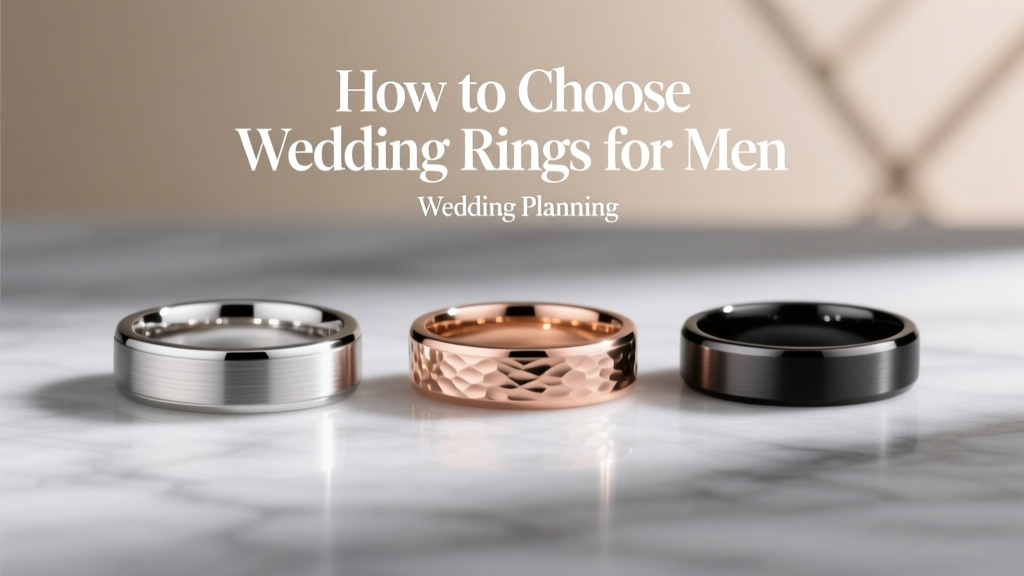 How to Choose Wedding Rings for Men
 How to Choose an Engagement Ring With a Halo Setting
 Irish Wedding Ring: Claddagh Placement & Metal Guide (2026)
 Wedding Ring Stacking Order: Finger Placement Rules (2026)
 Paris Hilton's Ring: The 20-Carat Truth
 How to Choose a Wedding Band With an Art Deco Design