Vintage-Inspired Engagement Rings: How to Choose (2026)
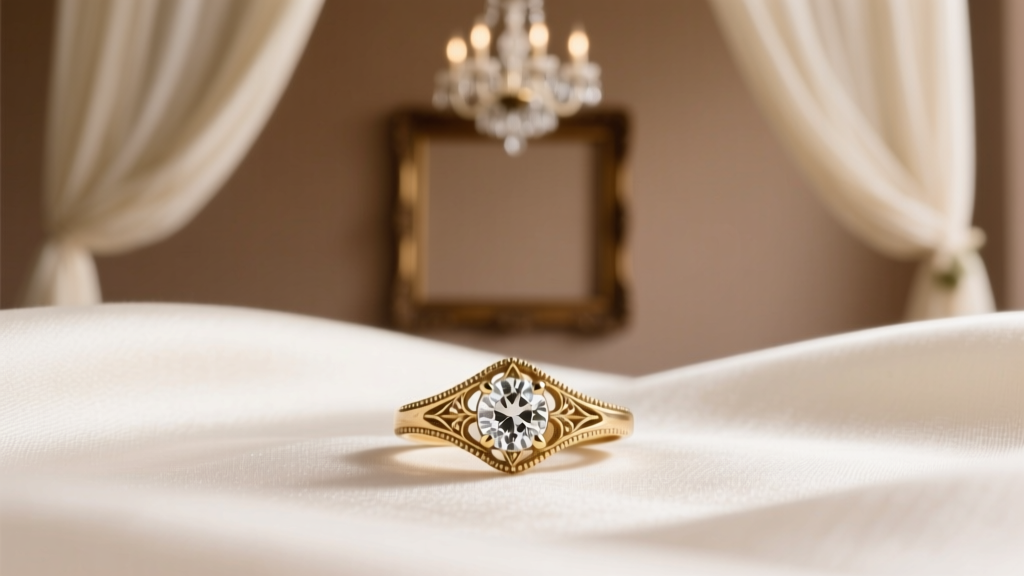
Vintage-inspired engagement rings have a way of feeling instantly meaningful. The details—milgrain beading, hand-engraved scrollwork, delicate filigree, and halo frames—create a romantic, heirloom look even when the ring is newly made. For many couples, this style strikes the perfect balance between timeless tradition and personal expression.
Choosing a vintage-inspired setting isn’t only about aesthetics, though. These designs involve specific craftsmanship, metal choices, gemstone shapes, and setting styles that can affect durability, maintenance, and price. A ring that looks authentically antique should still fit modern life: comfortable on the hand, secure for daily wear, and easy to service for decades.
This guide breaks down what makes a setting “vintage-inspired,” how to choose the right stone and metal, what quality factors matter most, and how to shop smart—so you can find an engagement ring (and matching wedding band) that feels like it’s been in the family forever.
What Counts as a Vintage-Inspired Engagement Ring Setting?
“Vintage-inspired” generally means a new ring designed with visual elements from earlier jewelry eras. Some rings also use true antique stones or recycled settings, but most modern vintage-style engagement rings are newly crafted with old-world details.
Common vintage-era influences
- Victorian (1837–1901): romantic motifs, floral engraving, crescent shapes, and cluster settings; often looks soft and ornate.
- Edwardian (1901–1915): lace-like filigree, airy metalwork, fine milgrain; typically very delicate-looking.
- Art Deco (1920s–1930s): bold geometry, stepped lines, baguettes, symmetrical halos; great for lovers of structure and clean drama.
- Retro (1940s–1950s): sculptural profiles, thicker shanks, warmer metals; a bit more substantial on the hand.
Signature setting details to look for
- Milgrain: tiny beaded edging that frames halos, bezels, and bands with a soft shimmer.
- Hand engraving: scrolls, wheat patterns, or floral motifs carved into the metal. Hand-engraving looks more fluid than machine patterns.
- Filigree: ornamental openwork—either pierced metal or wire-like detailing—often under the center stone or along the gallery.
- Halos and cluster designs: a center stone surrounded by smaller diamonds; common in Edwardian and Art Deco styles.
- Bezel and semi-bezel shapes: protective metal rims around the stone, often with milgrain for an antique feel.
Start With Lifestyle: Beauty Is Best When It Wears Well
Vintage-inspired rings can be dainty, detailed, and intricate—beautiful, but sometimes more prone to snagging or collecting debris than simpler solitaire settings. Before you fall in love with a design, match the setting to daily routines.
Choose details based on how you live
- Hands-on jobs or active hobbies: consider a bezel or low-set halo, and avoid extremely high prongs and open filigree that can catch on fabrics.
- Minimal maintenance preference: simpler milgrain borders and fewer crevices are easier to keep clean than heavy filigree under the stone.
- Sensitive skin: platinum and high-karat gold can be more comfortable; confirm the alloy blend if you’re sensitive to nickel.
Choosing the Center Stone: Shapes That Suit Vintage-Inspired Settings
Vintage-style settings pair especially well with certain gemstone cuts—some are literal classics, and others are modern cuts that mimic antique charm.
Diamond and gemstone cuts that look “vintage”
- Old European cut (OEC): a precursor to the modern round brilliant; larger facets, softer sparkle, and a romantic glow. Often found as antique or newly cut in vintage style.
- Old mine cut: cushion-like shape with a high crown and chunky facets; perfect for Victorian-inspired halos and bezels.
- Cushion cut: a modern favorite that bridges vintage and contemporary; looks stunning in halos and engraved settings.
- Asscher cut: a step-cut square with a “hall of mirrors” effect; iconic in Art Deco engagement rings with baguette accents.
- Emerald cut: elongated step-cut elegance; pairs beautifully with geometric side stones and milgrain frames.
- Pear and oval: more modern in popularity (a current trend), but they look beautifully vintage when set in a halo with milgrain and tapered shoulders.
Beyond diamonds: popular vintage-friendly gemstones
- Sapphires: durable (Mohs 9) and available in classic blue plus pink, teal, and yellow; a favorite for antique-inspired engagement rings.
- Rubies: also Mohs 9; striking in halos and three-stone settings, especially with warm gold.
- Emeralds: lush color but more fragile; choose protective settings (bezel or halo) and expect more careful wear.
- Moissanite: bright sparkle and good durability; can be cut in antique-style cushions for a vintage look at a lower price point.
Metal Choices: Matching Color, Durability, and Era
The metal you choose affects the ring’s character and how well delicate details hold up over time. Vintage-inspired settings often rely on fine edges—milgrain and engraving look best when the metal supports crisp definition.
Platinum
Best for: prong security, daily wear, and cool-toned styles. Platinum is dense and durable, ideal for holding diamonds in intricate settings. It develops a patina rather than wearing away quickly, which many people love for an antique vibe.
White gold (14K or 18K)
Best for: a bright white look at a lower price than platinum. Most white gold is rhodium-plated for extra whiteness. Plan for periodic rhodium re-plating if you want the brightest finish—especially on high-contact areas.
Yellow gold (14K or 18K)
Best for: a classic, warm vintage feel—especially Victorian and Retro styles. Yellow gold is trending strongly again, and it pairs beautifully with sapphires, old mine cushions, and champagne diamonds.
Rose gold
Best for: romantic warmth and a soft antique mood. Rose gold has been popular for years and remains a modern classic. It can make colorless diamonds appear slightly warmer, which is often flattering in vintage settings.
Which karat is best?
- 14K gold: more durable for daily wear; a great choice for engraved shanks and active lifestyles.
- 18K gold: richer color and slightly more luxurious feel; a bit softer, so fine edges may soften faster over decades.
Setting Styles That Create a True Vintage Look (and How to Choose)
Halo settings with milgrain
A halo can make the center stone look larger and add period detail. Look for evenly matched halo diamonds and a clean, symmetrical outline. For the most vintage feel, choose a cushion halo, octagonal halo (Art Deco), or a delicate round halo with milgrain.
Three-stone and five-stone designs
Three-stone engagement rings are timeless and symbolic. Vintage versions often use tapered baguettes, bullet side stones, or antique-style rounds. This style can also transition easily into a matching wedding band set.
Bezel and semi-bezel settings
Bezels are one of the best options for durability—especially for emeralds and other softer gemstones. Add milgrain around the bezel edge for an Edwardian-inspired finish.
Filigree galleries and cathedral shoulders
Filigree under the center stone looks stunning from the side profile. If you love this detail, confirm the ring won’t sit too high and ask how easy it is to clean. Cathedral shoulders (where the band rises to meet the center setting) add elegance and can offer extra support.
Quality Factors That Matter Most in Vintage-Inspired Craftsmanship
When a ring has intricate detail, workmanship becomes as important as the center stone. Two rings can look similar online but wear very differently over time.
Prong security and stone protection
- Check for well-shaped prongs that sit neatly over the stone and don’t snag easily.
- For halos, ensure the center stone isn’t overly exposed at the girdle (the stone’s edge).
- If you choose a soft gemstone, favor bezels, double prongs, or protective halos.
Milgrain and engraving clarity
Clean, consistent milgrain beads and crisp engraving lines are signs of strong finishing. Hand-engraving often has subtle variations that look more authentic than machine-applied patterns.
Accent diamonds: matching and setting style
Vintage-inspired rings often use pavé, bead-set, or channel-set diamonds. Ask about total carat weight, clarity range, and how the stones are set. Secure bead-setting should look neat, not rough or overly bulky.
Comfort and band thickness
Ultra-thin bands can look delicate, but they may bend more easily. Many jewelers recommend a minimum width around 1.8–2.0 mm for everyday durability, especially if the ring has pavé or a larger center stone.
Matching a Wedding Band to a Vintage-Inspired Engagement Ring
Couples shopping for engagement rings and wedding bands should think about the set early—vintage settings can have shaped halos or low galleries that affect band fit.
- Flush fit: If you want the wedding band to sit snug against the engagement ring, consider a higher setting or a ring designed for stacking.
- Curved or contour bands: A custom contour band can follow the halo or center setting for a seamless look.
- Vintage-style eternity bands: Milgrain, engraving, and small diamond accents can echo the engagement ring without overpowering it.
Price Range Considerations and Smart Value Tips
Vintage-inspired engagement rings range widely in price depending on the center stone, metal, and complexity of labor.
Typical budget ranges
- $1,500–$3,500: vintage-inspired settings in 10K/14K gold with moissanite or smaller diamonds; simpler milgrain and modest halos.
- $3,500–$8,000: 14K/18K gold or platinum with natural diamonds or sapphire centers; higher-quality pavé and more refined detailing.
- $8,000–$20,000+: larger natural diamonds, custom hand engraving, premium matching accent diamonds, and complex filigree; platinum often common here.
Where to spend vs. where to save
- Spend on: secure setting construction, prong work, and a well-cut center stone (cut quality affects beauty more than almost any other factor).
- Save on: choosing near-colorless diamonds (like G–I) in yellow/rose gold, or considering lab-grown diamonds for a larger look at a lower cost.
- Consider: antique-style cuts (old mine/OEC) for a softer, romantic sparkle—these can cost more when authentically antique, but they deliver a true period feel.
Care and Maintenance: Keeping Vintage Details Beautiful
Intricate rings need a little extra attention to stay brilliant and secure.
- Clean gently: warm water, mild dish soap, and a soft toothbrush work well for most diamonds, sapphires, and moissanite. Rinse thoroughly and dry with a lint-free cloth.
- Avoid harsh chemicals: chlorine and strong cleaners can damage metal alloys and dull finishes.
- Be cautious with ultrasonic cleaners: they can loosen pavé stones and may harm certain gemstones (especially emeralds). When in doubt, skip it.
- Schedule inspections: have prongs and pavé checked about every 6–12 months, especially for rings with halos and micro-pavé.
- Store properly: keep the ring in a soft pouch or separate compartment to prevent scratching and snagging.
Common Mistakes to Avoid When Shopping Vintage-Inspired
- Choosing a ring that sits too high: tall settings look dramatic but can catch on clothing and take more impacts.
- Going too thin for the band: extremely slim shanks can bend, especially with larger stones or top-heavy halos.
- Ignoring wedding band compatibility: some vintage halos require a curved band, spacer band, or custom solution.
- Overlooking stone shape-to-setting harmony: a geometric Art Deco setting may not complement a very rounded, soft outline (and vice versa).
- Assuming all “vintage-inspired” rings are equally well made: detail quality varies. Look closely at finishing, symmetry, and stone setting neatness.
Vintage-Inspired Trends Right Now (and the Classics That Never Fade)
Current engagement ring trends lean toward personalization and character—exactly what vintage-inspired settings offer. Popular choices include yellow gold with cushion cuts, oval halos with milgrain, east-west set stones in antique-style bezels, and mixed shapes like emerald cuts with tapered baguettes. Timeless classics remain strong: Art Deco geometry, three-stone rings, and Edwardian filigree that feels light and romantic.
FAQ: Vintage-Inspired Engagement Ring Settings
Are vintage-inspired engagement rings durable enough for everyday wear?
Yes—when built well. Choose a setting with adequate band thickness, secure prongs or bezel edges, and quality pavé work. If you’re hard on jewelry, consider a bezel or a lower-profile halo.
What’s the best diamond shape for a vintage-style setting?
Cushion, old mine, and Old European cuts look especially authentic. Emerald and Asscher cuts are perfect for Art Deco styles. Round brilliants also work beautifully, especially in Edwardian-inspired halos.
Do halos look more vintage or more modern?
Both. Halos originated long ago, but modern halos can look contemporary depending on the shape and detailing. A milgrain halo, softer proportions, and antique-style cuts lean more vintage.
Is platinum better than white gold for intricate vintage details?
Platinum is excellent for stone security and long-term wear, but white gold can also be a great choice. If you prefer a bright white look, remember white gold may need rhodium re-plating over time.
How do I keep milgrain and filigree from getting dull?
Regular gentle cleaning helps, plus professional cleanings and inspections. Intricate areas collect lotion and soap residue more easily, so a simple at-home soak and soft brushing can make a big difference.
Can a vintage-inspired engagement ring be resized easily?
Often yes, but it depends on the design. Rings with full eternity pavé, heavy engraving around the entire band, or complex filigree may have resizing limits. Ask before you buy, especially if the band has diamonds set along the sides.
Next Steps: Choose the Setting That Feels Like Yours
A great vintage-inspired engagement ring should deliver two things at once: that heirloom romance you can’t stop staring at, and the practical build quality that holds up to real life. Start with the era and setting style that speaks to you, choose a center stone cut that matches the mood, and prioritize craftsmanship—especially prongs, pavé, and finishing details like milgrain and engraving.
When you’re ready, explore more engagement ring and wedding band guides on weddingsift.com to compare styles, metals, gemstone options, and pairing ideas for a set that looks beautifully vintage and feels confidently modern.
More Articles
 Spinel Engagement Rings Underrated Gemstone Beauty
 Silver Anniversary Gifts for Him (2026)
 Pink Diamond Rarity and Romance
 What Is a Comfort Fit Wedding Band?
 How to Choose an Engagement Ring With Side Stones
 Sterling Silver Wedding Bands: Durability, Tarnish & 2026
 Old Mine Cut Diamonds Antique Charm
 How to Choose a Wedding Band With an Inlaid Design
 Wedding Ring Styling Rules: 7 Fixes for 2026
 Wedding Ring Fit: Science-Backed Standards for Lifelong Wear