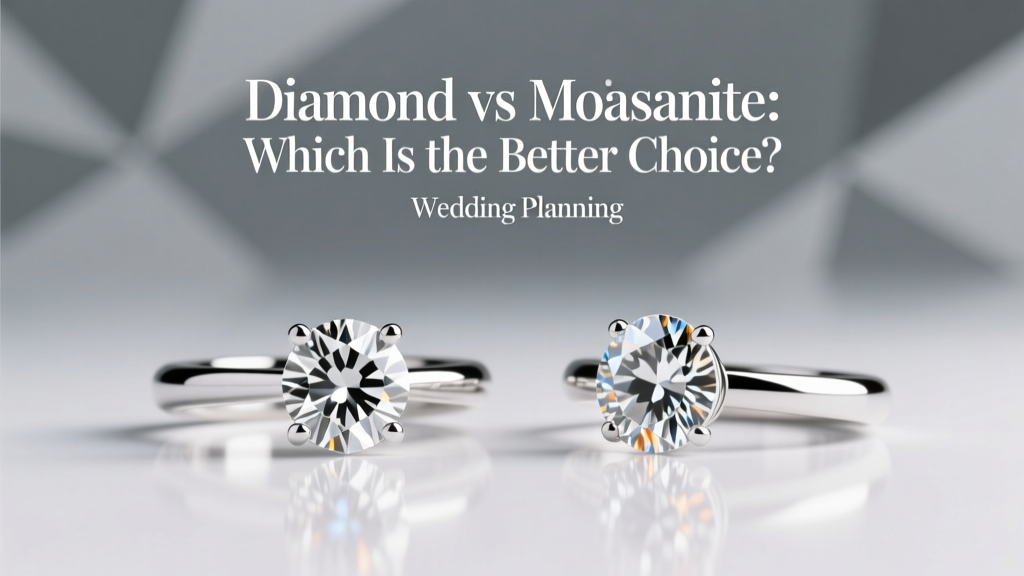
Diamond vs Moissanite Which Is the Better Choice
Choosing the center stone for an engagement ring or wedding band set is one of the first “big” decisions couples make together—and it’s easy to feel torn between tradition, budget, and personal style. Diamonds are the classic engagement ring gemstone, but moissanite has become a serious contender thanks to its bright sparkle, approachable price, and modern appeal.
Both stones can look stunning in popular engagement ring settings like solitaires, halos, and three-stone rings. The better choice comes down to what you value most: natural rarity and long-term resale perception, or maximum brilliance and size for your budget. This guide breaks down diamond vs moissanite in clear, jeweler-level terms so you can shop confidently for the ring you’ll wear every day.
Below you’ll find a side-by-side comparison of performance, beauty, durability, price range, and buying tips—plus common mistakes to avoid when ring shopping.
Diamond vs Moissanite: Quick Overview
- Diamond: Classic, naturally occurring (or lab-grown), exceptional hardness, broad grading standards, strong tradition in engagement rings.
- Moissanite: Lab-created silicon carbide, extremely durable, higher sparkle (“fire”), typically lower cost per carat-equivalent, very popular for larger looks on a budget.
What They Are: Origins and Composition
Diamond (Natural and Lab-Grown)
Diamond is crystallized carbon. Natural diamonds are mined; lab-grown diamonds are created in controlled environments (HPHT or CVD methods) and are chemically the same as mined diamonds. Couples often choose lab-grown diamonds to get more size or higher quality within a set budget, while keeping the “real diamond” experience.
Moissanite
Moissanite is silicon carbide. Natural moissanite is extremely rare, so virtually all moissanite on the market is lab-created. It’s not a diamond, but it is a fine gemstone used specifically for engagement rings and wedding jewelry because of its durability and eye-catching sparkle.
How They Look: Brilliance, Fire, and Color
Sparkle: Brilliance vs Fire
If you’ve ever seen a stone throw off rainbow flashes in sunlight, that’s “fire.” Moissanite has a higher refractive index than diamond, which means it can show more rainbow sparkle—especially in larger stones, certain lighting, or highly faceted cuts like round brilliant. Diamonds tend to deliver a crisper white sparkle with more contrast patterns, which many people read as “classic” or “luxury.”
- Choose diamond if you prefer crisp, balanced sparkle and a traditional look in any lighting.
- Choose moissanite if you love bold sparkle and rainbow flashes, especially in bright light.
Color and Warmth
Diamonds are graded on a color scale (typically D-Z), and many couples aim for D-F (colorless) or G-H (near-colorless) depending on budget and metal choice. Moissanite is often sold in colorless or near-colorless options as well, but some stones may show slight warmth depending on brand, size, and cut.
Metal tip: White metals (platinum, white gold) highlight colorlessness, while yellow and rose gold can make slight warmth look intentional and romantic—very on-trend with vintage-inspired engagement ring styles.
Durability for Everyday Wear: Hardness and Toughness
Hardness (Scratch Resistance)
Hardness matters for rings worn daily. Diamond ranks 10 on the Mohs scale (the hardest natural material). Moissanite ranks around 9.25, which is still excellent for engagement rings and wedding bands.
Toughness (Chipping Resistance)
Toughness is different from hardness. Both stones are suitable for daily wear when set properly. Diamonds can chip if hit at certain angles (especially sharp corners in fancy shapes), and moissanite can also chip under extreme impact. A protective setting helps either stone last.
Setting recommendation: If you choose a princess, pear, marquise, or emerald cut, consider V-prongs or bezel details at vulnerable corners.
Cuts and Shapes: What Looks Best in Each Stone
Both diamonds and moissanite come in popular engagement ring shapes: round, oval, cushion, emerald, pear, marquise, and radiant. The best shape depends on the look you want and how the stone performs optically.
Round Brilliant
The most timeless and trend-proof choice. Round brilliant maximizes sparkle in both stones. If you want the safest, most universally flattering option, start here.
Oval and Cushion (Trending Favorites)
Oval engagement rings remain a leading trend because they elongate the finger and look larger than their carat weight suggests. Cushion cuts are loved for soft, romantic edges and a “pillowy” outline that suits vintage settings.
Pro tip for ovals: Both diamond and moissanite can show a “bow-tie” shadow. A well-cut stone minimizes it—ask to see videos in different lighting, not just studio photos.
Emerald and Asscher (Timeless, Elegant)
Step cuts like emerald and Asscher emphasize clarity and clean lines over sparkle. Diamonds often deliver the signature “hall of mirrors” effect with crisp flashes. Moissanite can still look beautiful in step cuts, but clarity and cut quality matter even more because the facet pattern is less forgiving.
Settings and Craftsmanship: Making Either Stone Look Its Best
Classic Settings
- Solitaires: Timeless, minimal, and perfect for showcasing the stone.
- Halo rings: Add extra sparkle and make the center appear larger—still popular, especially with vintage halos.
- Three-stone rings: Symbolic and balanced; a great option for mixing shapes (oval center with pear sides is a current favorite).
Modern and Practical Settings
- Bezel settings: A sleek, modern look with excellent protection—ideal for active lifestyles.
- Cathedral settings: Adds height and presence; works well with classic bridal sets.
- Low-profile settings: A major trend for comfort; reduces snagging on sweaters and hair.
Craftsmanship detail: Look for even prongs, smooth metal finishing, secure stone seating, and a comfortable band thickness. For long-term wear, many jewelers recommend a minimum band width around 1.8–2.0mm depending on the design, and enough metal weight to resist bending.
Quality Factors: How to Shop Smart
Diamond Quality: The 4Cs
Diamonds are typically evaluated by cut, color, clarity, and carat. Cut quality is the biggest driver of beauty. A well-cut diamond can outshine a larger stone with a poor cut.
- Cut: Prioritize Excellent/Ideal where possible.
- Color: G-H often looks bright in white metals; I-J can be beautiful in yellow/rose gold.
- Clarity: VS2–SI1 can be great values if eye-clean.
- Carat: Choose size after cut and overall balance with the setting.
Moissanite Quality: What to Check
Moissanite isn’t graded the same way as diamonds across all sellers, so focus on:
- Cut precision: Symmetry and facet alignment impact sparkle and reduce haziness.
- Color grade: Ask whether it’s colorless, near-colorless, or warm.
- Stone brand or grading report: Reputable sources provide consistency and documentation.
Price Range and Value Tips
Budget is often the deciding factor for engagement rings, especially when you’re also planning a wedding. In general, moissanite costs significantly less than diamond for a similar “looks-like” size. Lab-grown diamonds usually cost less than mined diamonds, but more than moissanite.
- Best value for size: Moissanite offers the most visual impact for the price.
- Best value for “diamond authenticity”: Lab-grown diamonds provide real diamond properties and appearance at a lower cost than mined.
- Best value for tradition and resale perception: Mined diamonds still hold the strongest cultural recognition, though resale value can vary widely.
Money-smart strategy: Put your budget into cut quality and a durable setting. A slightly smaller, beautifully cut stone in a secure setting will look more impressive than a larger stone that’s poorly cut or mounted in thin metal.
Care and Maintenance: Keeping Your Ring Looking New
Diamonds and moissanite both attract oils and lotions, which can dull sparkle. Regular cleaning makes a bigger difference than most people expect.
At-Home Cleaning
- Soak in warm water with mild dish soap for 15–20 minutes.
- Gently brush with a soft toothbrush, especially under the stone.
- Rinse well and pat dry with a lint-free cloth.
Professional Maintenance
- Have prongs and settings checked every 6–12 months.
- Consider professional cleaning and polishing annually, especially for white gold rhodium re-plating needs.
Metal note: Platinum is naturally white and develops a soft patina over time. White gold is typically rhodium-plated for brightness and may need re-plating depending on wear.
Common Mistakes to Avoid When Shopping
- Choosing carat size before cut quality: Cut drives sparkle and beauty in both stones.
- Ignoring lifestyle: If you’re hands-on at work, a low-profile or bezel setting can save you years of hassle.
- Going too thin on the band: Ultra-thin bands can bend over time, especially with larger center stones.
- Not checking return and warranty policies: Always confirm resizing, repairs, and coverage for stone loss.
- Assuming all “colorless” stones look identical: Request videos in natural light and indoor light to judge sparkle and warmth.
Which Is Better: Diamond or Moissanite?
Choose a diamond (mined or lab-grown) if you want the traditional engagement ring standard, a crisp sparkle profile, and widely recognized grading. If budget is a concern, a lab-grown diamond can be the sweet spot for couples who want a real diamond with more size or better specs.
Choose moissanite if you want maximum brilliance and size for your budget, love rainbow fire, and prioritize durability and daily wear practicality. Moissanite is also a strong choice for travel rings, backup rings, or couples who want a bigger center stone without stretching finances.
If you’re still undecided, try on both in the same shape and setting. A round solitaire in platinum looks very different from an oval halo in yellow gold—and seeing them on your hand often makes the decision obvious.
FAQ: Diamond vs Moissanite
Does moissanite look fake compared to a diamond?
High-quality moissanite doesn’t look “fake,” but it can look different. The main difference is the type of sparkle—moissanite often shows more rainbow fire. If you prefer a more classic, crisp white sparkle, you may prefer diamond.
Is moissanite durable enough for an engagement ring?
Yes. With a Mohs hardness around 9.25, moissanite is well-suited for everyday wear. Pair it with a protective setting and schedule routine prong checks just like you would with a diamond ring.
What’s better for a halo engagement ring: diamond or moissanite?
Both work beautifully. Halos add sparkle and can make the center stone appear larger. If you choose moissanite, consider a slightly simpler halo design to balance the high fire; for diamonds, halos are a timeless classic.
Which looks bigger: a 1 carat diamond or a 1 carat moissanite?
Carat measures weight, not size. Moissanite is lighter than diamond, so it’s often sold in millimeters or “diamond equivalent weight.” A moissanite marketed as a 1.00ct equivalent typically faces up similar in size to a 1.00ct diamond.
Can you tell the difference between diamond and moissanite in photos?
Sometimes, especially in strong lighting where moissanite’s rainbow fire shows more. In many photos—particularly studio shots—differences can be subtle. Videos in natural light and indoor light are more helpful than still images.
What’s the best metal for an engagement ring with either stone?
Platinum and 14k/18k gold are the most popular for bridal jewelry. Platinum is durable and naturally white; 14k gold is a practical balance of strength and price; 18k gold is richer in color and slightly softer. Choose based on lifestyle, color preference, and whether you want a matching wedding band set.
Whether you choose a diamond engagement ring for its legacy or a moissanite ring for its brilliant value, the best choice is the one that fits your style, budget, and daily life. Keep your focus on cut quality, secure settings, and a metal that suits how you wear your jewelry.
For more expert tips on engagement rings, wedding bands, gemstone choices, and current bridal jewelry trends, explore more guides on weddingsift.com.
More Articles
 Platinum Wedding Ring Value: Real 2026 Worth
 How to Clean Gold Wedding Ring at Home Safely
 Cheap vs Premium Party Jewelry: What You’re Really Paying For
 DIY Timeline Ideas for Jewelry Making: A Practical, Step-by-Step Framework
 How to Choose an Engagement Ring With a Pear-Shaped Stone
 Wedding Band vs Engagement Ring: Key Differences Explained
 Why Polish People Wear Wedding Rings on the Right Hand
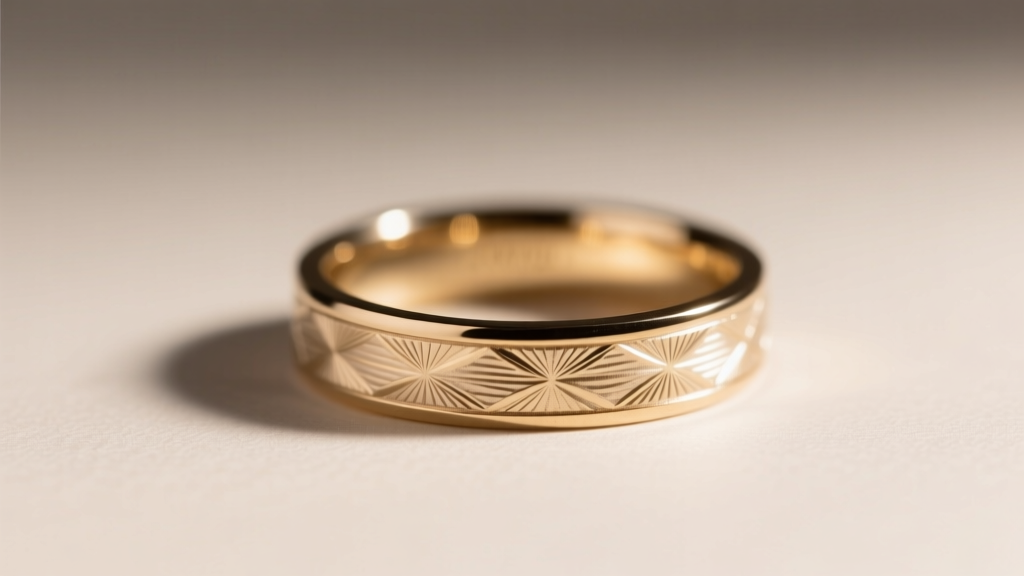 How to Choose a Wedding Band With a Textured Pattern
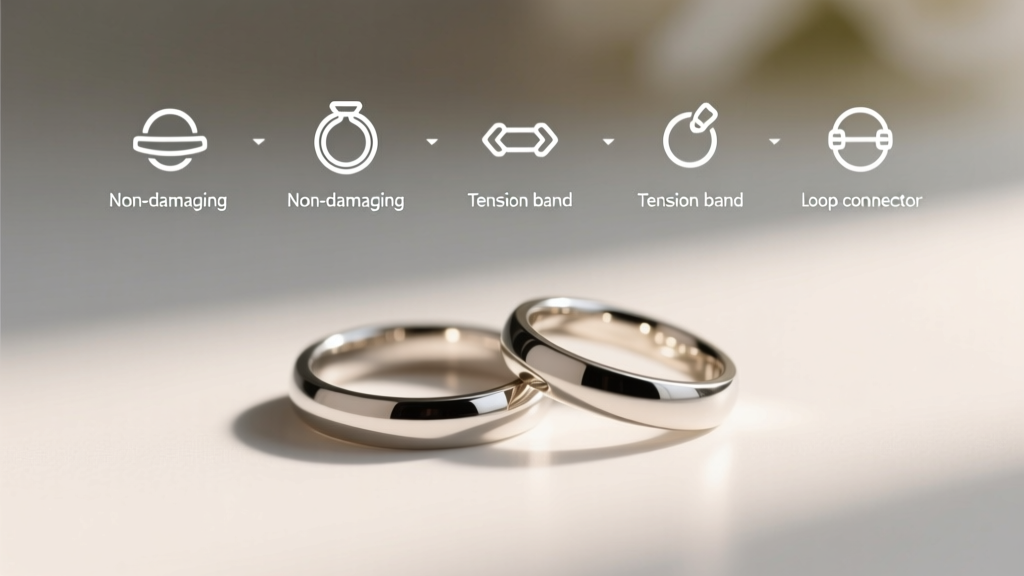 How to Keep Wedding Rings Together Without Soldering
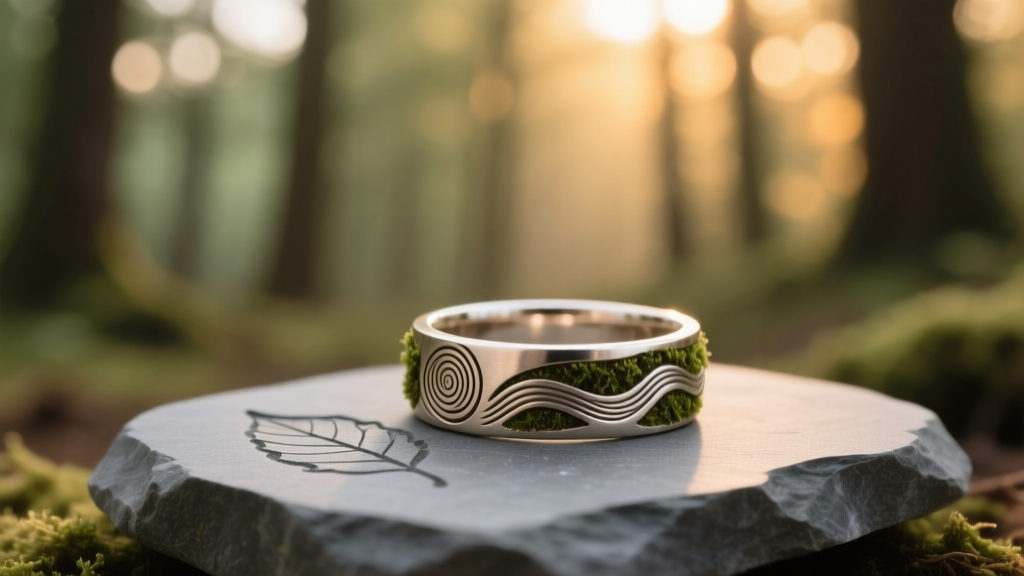 How to Choose a Wedding Band With a Nature-Inspired Design