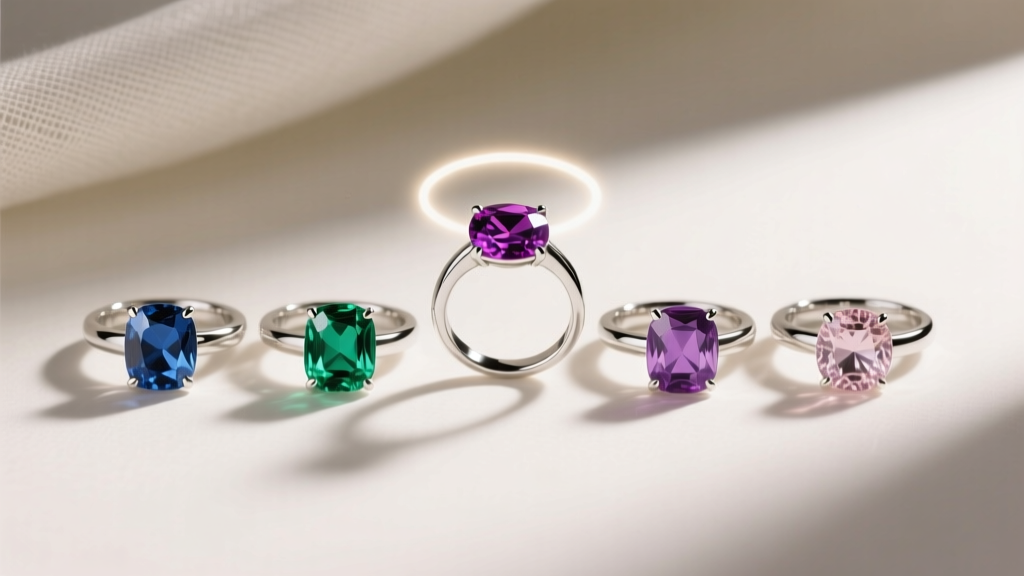
Colored Gemstone Engagement Rings Buying Guide
Colored gemstone engagement rings have moved from “alternative” to genuinely mainstream. Couples are choosing sapphires, emeralds, rubies, morganite, and even spinel or aquamarine to reflect personal style, cultural meaning, or simply a love of color. When done well, a gemstone engagement ring can feel both fashion-forward and deeply timeless—especially when paired with a thoughtfully chosen metal, cut, and setting.
Color adds personality, but it also adds decisions. Unlike diamonds, colored gemstones vary widely in durability, treatment, and value. Two rings can look similar at a glance yet wear very differently over decades. This guide breaks down the materials, styles, quality factors, and pricing so you can shop confidently for a colored gemstone engagement ring (and the wedding band that will sit beside it).
Why choose a colored gemstone engagement ring?
Couples often gravitate to colored gemstone rings for three reasons: symbolism, uniqueness, and design flexibility. Sapphires are tied to loyalty; emeralds to renewal; rubies to passion. Beyond meaning, color offers individuality—your ring doesn’t have to look like anyone else’s. And from a design standpoint, colored stones can be breathtaking in halos, three-stone rings, vintage-inspired settings, or sleek solitaires.
Current trends lean toward bold center stones (especially oval and elongated cushion cuts), mixed metals (yellow gold with platinum prongs), and nature-inspired details like floral halos or tapered baguette side stones. Timeless classics are still going strong too: a blue sapphire oval with a diamond halo, a three-stone ring with a round center, or a simple emerald-cut stone in a clean bezel setting.
Best gemstones for everyday wear (and which to be cautious with)
Top durable choices
Sapphire (including blue, pink, yellow, peach, and “teal” sapphires) ranks among the best engagement ring stones. On the Mohs hardness scale it’s a 9, making it highly resistant to scratching. Sapphires also come in a wide range of shades and price points. If you want a “forever” ring with color, sapphire is the safest bet.
Ruby is also corundum (like sapphire) and shares the same Mohs 9 hardness. Fine ruby can be expensive, but it’s an excellent daily-wear gemstone. Many rubies are heat-treated; that’s common and generally accepted in the trade.
Spinel is a rising favorite for engagement rings. It’s durable (Mohs ~8) and comes in gorgeous colors—especially vibrant reds, steely blues, and soft lavenders—often with fewer treatments than other stones.
Beautiful, but needs more care
Emerald is iconic, but it’s not “set it and forget it.” Emerald is relatively hard (Mohs 7.5–8) but can be brittle due to natural inclusions. Many emeralds are clarity-enhanced (often with oil or resin). An emerald engagement ring can absolutely work, especially in a protective setting like a bezel or a halo, but it’s best for someone comfortable with regular maintenance and mindful wear.
Aquamarine (Mohs 7.5–8) is a popular alternative to diamond with its airy blue tone. It can scratch over time, particularly in high-profile settings. If you love aquamarine, consider a bezel setting, slightly thicker band, and a stone size that won’t snag.
Morganite (Mohs 7.5–8) offers blush tones that pair beautifully with rose gold. It’s wearable, but it can show abrasion and needs routine cleaning to maintain sparkle.
Stones to avoid for daily engagement ring wear
Soft or cleavage-prone gemstones like opal, pearl, turquoise, tanzanite, and many varieties of quartz are typically better suited for occasional wear or protected designs. They can chip, crack, or scratch more easily with daily life.
How to evaluate gemstone quality: color, clarity, cut, and treatments
Color: the number one value driver
For colored gemstones, color matters more than anything. Look for a hue you love with pleasing saturation (not too gray or washed out, not overly dark). Ask to see the stone in different lighting—daylight, indoor warm light, and indirect light—because many gemstones shift in appearance.
Clarity: inclusions can be normal (or problematic)
Some gemstones are expected to have inclusions. Emeralds nearly always do; sapphire and spinel often look cleaner. The key is whether inclusions weaken the stone or distract from beauty. For engagement rings, avoid stones with surface-reaching fractures near corners or edges, especially in step cuts like emerald cut or asscher.
Cut: brilliance, shape, and “windowing”
Unlike diamonds, colored gemstones are cut to maximize color rather than pure sparkle. A well-cut stone will look lively without a dull, see-through “window” in the center. Popular engagement ring shapes include oval (elongating), cushion (soft and vintage), round (classic brilliance), emerald cut (sleek and architectural), and pear (romantic, modern).
Treatments: ask what was done and get it in writing
Most colored gemstones receive some treatment. Common examples:
- Heat treatment (sapphire/ruby): widely accepted; can improve color and clarity.
- Clarity enhancement (emerald): oil or resin; may require periodic re-oiling and careful cleaning.
- Irradiation (some stones): can alter color; ask about stability.
For significant purchases, request a lab report from a recognized gem lab (such as GIA or AGL) and confirm whether the stone is natural, lab-grown, or treated.
Metal choices that complement colored stones
Your metal impacts both style and durability. For engagement rings and wedding bands, these are the most common options:
- Platinum: naturally white, very durable, excellent for prongs; develops a soft patina over time.
- 14k gold (yellow/white/rose): a strong everyday choice and often the best value for durability.
- 18k gold: richer color and more luxury feel, slightly softer than 14k.
Trend watch: Mixed-metal designs are popular—yellow gold shanks with platinum prongs to keep white diamonds bright and provide extra strength at the stone’s most vulnerable points. Rose gold remains a favorite for morganite and peach/pink sapphires, while classic yellow gold makes blue sapphires look richer and more vintage.
Settings and craftsmanship: where longevity is won (or lost)
A colored gemstone engagement ring should be built for real life. The best setting depends on the stone and your lifestyle.
Protective settings
- Bezel setting: a metal rim surrounds the stone; excellent protection and a clean, modern look.
- Halo setting: diamonds surround the center; adds sparkle and can protect edges, especially for emeralds.
- Low-profile basket: keeps the stone closer to the finger to reduce snagging.
Classic settings
- Solitaire: timeless and focuses on the gemstone; choose sturdy prongs and a supportive gallery.
- Three-stone ring: symbolic and balanced; great for mixing diamond side stones with a colored center.
Craftsmanship details to check: even prong placement, smooth finishing, secure stone seat, and a band thickness that won’t warp. As a practical baseline, many jewelers recommend a shank that’s roughly 1.8–2.2mm wide for daily wear (adjust based on design and finger size).
Matching wedding bands with colored gemstone engagement rings
Colored center stones often come with more dimensional settings (halos, baskets, side stones), which affects band fit. If you want a flush fit, consider:
- Contoured or curved wedding bands shaped to hug the engagement ring.
- Open bands that frame the center setting without rubbing.
- Custom-fitted bands for halos and low-set designs.
For a timeless bridal set, many couples pair a sapphire engagement ring with a classic diamond pavé band in the same metal. For a modern look, choose a plain polished band and let the gemstone be the star.
Price ranges and value tips
Colored gemstone engagement ring pricing varies dramatically based on the stone type, size, color quality, origin, and whether it’s natural or lab-grown.
- More budget-friendly (often): morganite, aquamarine, many garnets, some lab-grown sapphires.
- Mid-range: natural sapphires (depending on color/size), spinel, well-cut aquamarine in larger sizes.
- High-end: fine ruby, vivid emerald, top-color sapphires (especially larger stones), rare untreated stones with lab reports.
Value tips:
- Prioritize color and cut over carat size. A smaller, richly colored stone often looks more luxurious than a larger dull one.
- Consider lab-grown sapphire if you want excellent durability and color for less, and focus budget on a beautiful setting and quality diamonds.
- Choose 14k gold for a strong balance of price and wear resistance.
- If buying emerald or ruby, paying for a reputable lab report can protect long-term value and peace of mind.
Care and maintenance for colored gemstone rings
Daily wear adds up, especially with colored stones. A few habits keep your engagement ring looking crisp:
- Clean gently at home with lukewarm water, mild dish soap, and a soft brush. Rinse well and pat dry.
- Avoid ultrasonic cleaners for emeralds or heavily included stones, and be cautious with any treated gems.
- Remove your ring for gym workouts, gardening, cleaning chemicals, and anything with impact risk.
- Schedule checks every 6–12 months to inspect prongs, tighten stones, and polish if desired.
Common mistakes to avoid
- Choosing a fragile gemstone for an active lifestyle without a protective setting.
- Buying by carat weight alone and ending up with a dark or lifeless stone.
- Ignoring treatments (or not getting them disclosed in writing), especially with emerald clarity enhancement.
- Picking a high-set ring that snags constantly—beautiful in photos, frustrating in daily wear.
- Forgetting the wedding band fit until later; some settings require a curved or custom band.
- Overly thin bands that bend over time, especially with larger center stones.
FAQ: Colored gemstone engagement rings
Are sapphires good for engagement rings?
Yes. Sapphire is one of the best engagement ring gemstones because it’s very durable (Mohs 9), widely available, and comes in many colors beyond classic blue. It works beautifully in solitaires, halos, and three-stone settings.
Which gemstone is most durable for daily wear?
Sapphire and ruby are top-tier for daily wear. Spinel is also an excellent durable choice. If you want maximum durability, pair your gemstone with a protective setting like a bezel or sturdy prongs in platinum or 14k gold.
Do colored gemstones sparkle like diamonds?
They can sparkle, but differently. Diamonds are optimized for bright white brilliance. Colored gemstones show a mix of brilliance and color flashes, and their beauty is often more about rich color and depth than pure sparkle. Adding diamond accents (halo or pavé) can increase overall sparkle.
What’s the best metal for a gemstone engagement ring?
Platinum and 14k gold are the most practical everyday choices. Platinum is especially strong for prongs, while 14k gold offers excellent durability and value. The “best” also depends on the look you want—yellow gold warms up stones, white metals feel crisp and modern, and rose gold flatters blush tones.
How do I know if a gemstone is treated?
Ask the seller for written treatment disclosure and consider an independent lab report (GIA, AGL, or another reputable lab). Heat treatment is common for sapphire/ruby; emeralds are often clarity-enhanced. Transparency is the goal—treatments aren’t automatically bad, but you should know what you’re buying.
Can I wear an emerald engagement ring every day?
You can, but it requires more care than sapphire or ruby. Choose a protective setting (bezel or halo), avoid impacts and harsh cleaners, and plan for routine professional checkups. Emerald’s beauty is unmatched, but it rewards mindful wear.
Next steps: choose color with confidence
A great colored gemstone engagement ring balances three things: a gemstone that suits your lifestyle, a setting built to protect it, and a design that still feels like you years from now. If you want the safest all-around choice, start with sapphire or ruby in a well-made solitaire, halo, or three-stone ring in platinum or 14k gold. If your heart is set on emerald or morganite, go in with eyes open—choose a protective setting, keep the profile practical, and commit to regular care.
For more help comparing engagement ring styles, wedding bands, metals, and gemstone options, explore more jewelry guides on weddingsift.com.
More Articles
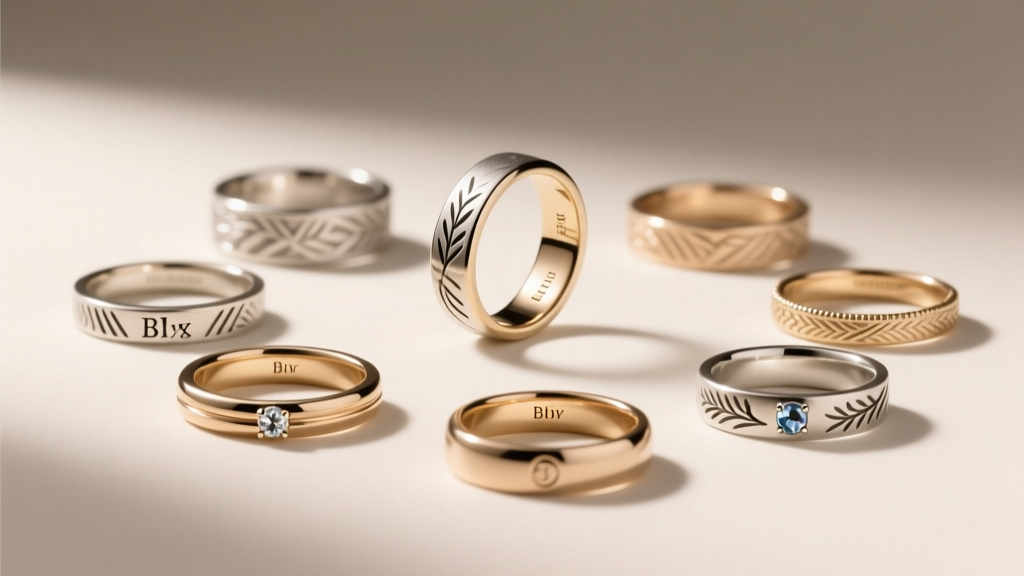 Best Places to Find Artisan Wedding Bands
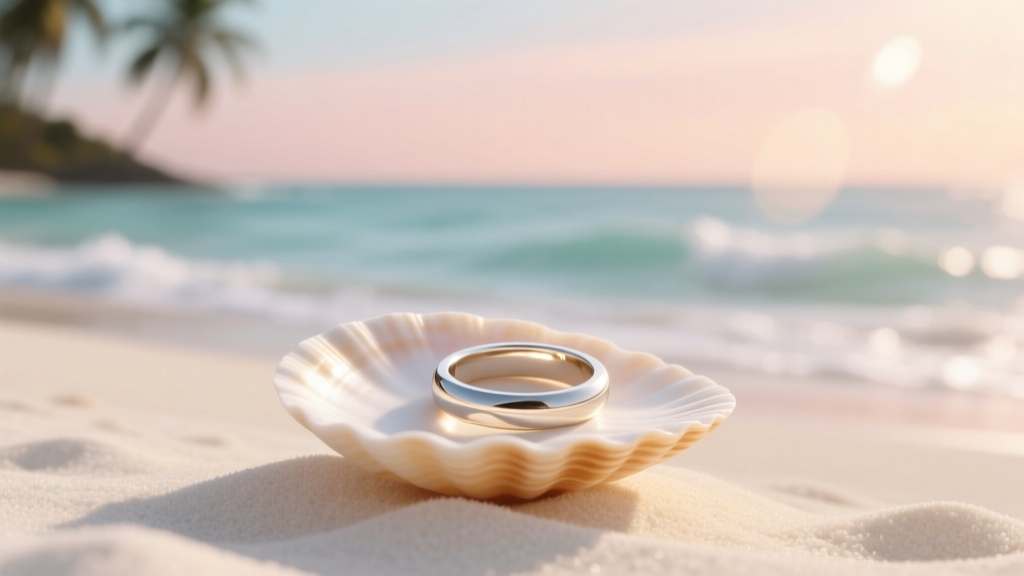 How to Choose a Ring for a Proposal at the Beach
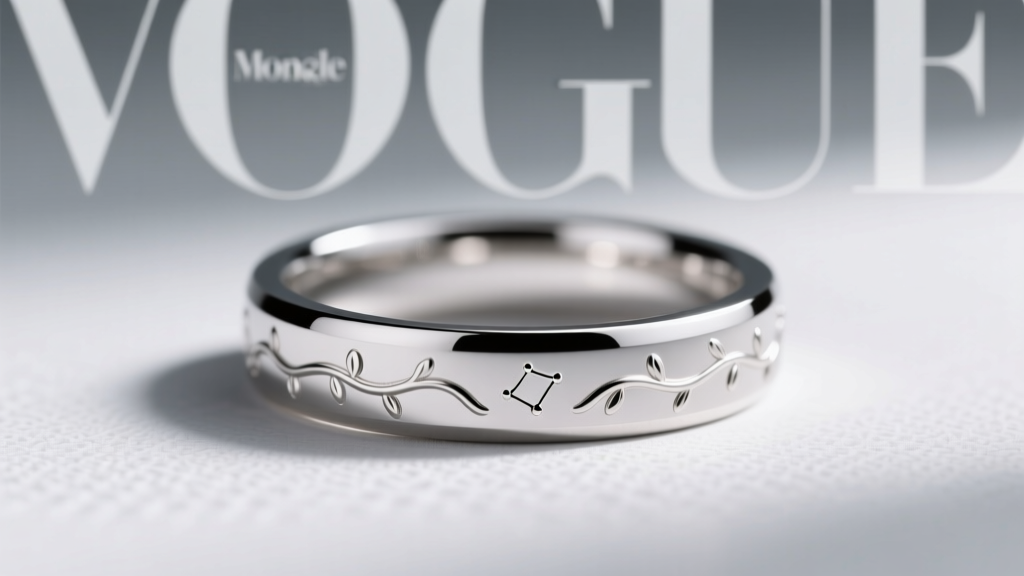 How to Choose a Wedding Band With Hidden Details
 How to Choose a Wedding Ring for Wide Fingers
 How to Choose an Engagement Ring With a Tension Setting
 Wedding Ring and Band Stacking Rules (2026)
 Topaz Engagement Rings November Birthstone Options
 Amber Engagement Rings Warm Organic Fossilized Beauty
 How to Repurpose a Wedding Ring (2026)
 Peridot Engagement Rings August Birthstone Green Beauty