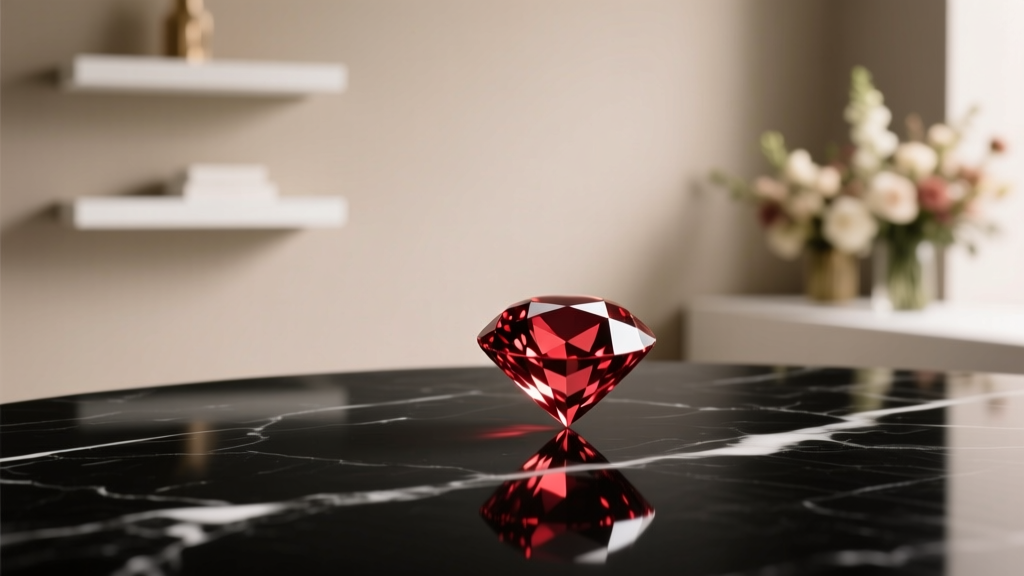
Red Diamond Rarest Natural Diamond Color
When couples start shopping for engagement rings and wedding bands, most conversations begin with the classics: colorless diamonds, yellow gold, maybe a modern oval cut. Then someone asks a question that changes the whole mood in the showroom: “Are red diamonds real?” They are—and they sit at the very top of the rarity scale.
A natural red diamond isn’t simply a “fancy colored diamond” in a pretty shade. It’s one of the rarest gemstone colors on earth, prized for its scarcity, intense hue, and serious collector value. For couples who want an engagement ring that feels truly one-of-a-kind (or for those considering red diamond accents alongside a traditional center stone), understanding what makes a red diamond different helps you buy with confidence.
This guide breaks down what red diamonds are, why they’re so rare, how they’re graded, what settings and metals suit them best, and how to shop wisely—whether you’re dreaming of a headline-making center stone or a subtle red diamond detail in a wedding ring set.
What Is a Natural Red Diamond?
A natural red diamond is a diamond whose body color appears red due to changes in its internal crystal structure. Unlike many other fancy colors that may be influenced by trace elements (like nitrogen in yellow diamonds or boron in blue diamonds), red coloration is typically associated with plastic deformation—microscopic shifts that occur as the diamond forms and moves under extreme pressure in the earth.
That structural distortion changes how the diamond absorbs and reflects light, producing a red appearance. True natural reds are so uncommon that many buyers will never see one in person. More frequently, shoppers encounter:
- Fancy pink diamonds with reddish modifiers (often labeled “purplish red,” “brownish red,” or “orangy red”).
- Treated diamonds (irradiation, annealing, or other processes) that can create or intensify red hues.
- Lab-grown diamonds with red to pinkish-red coloration—beautiful, but not the same rarity category as natural reds.
Why Red Diamonds Are the Rarest Diamond Color
Red is widely regarded as the rarest natural diamond color. Even among fancy colored diamonds—already a small fraction of all diamonds—true reds appear in exceptionally limited numbers. Most are small in carat weight, and many are found as modified reds (with secondary tones) rather than pure, vivid red.
Natural Supply Is Extremely Limited
Historically, a meaningful portion of notable red and pink diamonds came from the Argyle mine in Australia, which closed in 2020. That closure tightened supply across the entire red/pink spectrum and increased attention on existing stones.
Size Is Rare—Even More Than Color
As carat weight increases, red diamonds become exponentially rarer. Stones above 1 carat exist but are extraordinarily scarce, often appearing at elite auctions rather than standard retail.
Red Diamond Color Grading: What You’ll See on a Report
Fancy colored diamonds are graded differently from near-colorless diamonds. Instead of a D–Z scale, reputable laboratories (especially GIA) evaluate:
- Hue: the dominant color (red) and any modifiers (purplish, brownish, orangy).
- Tone: how light or dark the color appears.
- Saturation: the strength and intensity of the color.
Common descriptions include Fancy Red, Fancy Intense Red, and Fancy Vivid Red (when applicable). Many stones you’ll encounter are “Fancy Red” with modifiers, such as Fancy Purplish Red or Fancy Brownish Red. Modifiers matter because they influence both visual appeal and price.
Cut, Shape, and Sparkle: What Works Best for Red Diamonds
Cut is critical for any diamond, but for fancy color diamonds it has a different goal: maximizing color presence rather than only brilliance. Many red diamonds are cut to enhance saturation, even if that means a deeper pavilion or a smaller face-up spread.
Popular Shapes for Fancy Color Diamonds
- Radiant cut: a top choice for intensifying color while still offering lively sparkle.
- Cushion cut: classic, romantic, and excellent for rich color concentration.
- Pear and oval: elegant shapes that can show strong color, often chosen for modern engagement ring styles.
- Round brilliant: timeless, but true red rounds are rare and can command a premium.
Clarity Considerations
With fancy colored diamonds, color often takes priority over clarity. Many buyers accept lower clarity grades if the diamond’s face-up appearance is clean. That said, always review high-quality images or videos and confirm inclusions won’t threaten durability, especially near edges or corners.
Best Metals and Settings for Red Diamond Engagement Rings
The setting and metal can either elevate a red diamond’s color or dull it. Since red diamonds are rare and often smaller, craftsmanship and design details matter.
Metal Choices
- Platinum: a timeless, durable choice that keeps the look crisp and high-end. Great for halos and multi-stone designs.
- 18K rose gold: a trend-forward favorite that can harmonize with red and pink tones, creating a warm, romantic look. Best when you want a seamless color story.
- 18K yellow gold: classic and bold; can enhance warmth and create vintage-style contrast.
- 14K gold: more affordable and durable for everyday wear, often chosen for wedding bands and practical engagement ring settings.
Setting Styles That Complement Red Diamonds
- Halo settings: a white diamond halo can make a smaller red diamond look larger and amplify sparkle—popular in modern bridal jewelry trends.
- Three-stone rings: a timeless classic; consider a center white diamond with red diamond side stones for a meaningful, subtle rarity.
- Bezel settings: sleek, secure, and contemporary—ideal for active lifestyles and protecting a valuable stone.
- Pavé bands: delicate sparkle with red diamond accents for a distinctive wedding ring set.
Craftsmanship tip: Ask about the quality of prongs (hand-finished vs. cast), symmetry, and how the diamond is seated. For stones of this value and rarity, fine finishing isn’t optional.
Red Diamonds vs. Alternatives: Practical Options for Couples
Because natural red diamonds are exceptionally expensive and difficult to source, many couples consider alternatives that still achieve a romantic red look.
Natural Red Diamond vs. Fancy Pink Diamond
Fancy pink diamonds (including purplish pink or pinkish red stones) can offer a similar vibe at a more accessible level. They’re still rare and valuable, but typically more available than true reds.
Natural Red Diamond vs. Ruby
Ruby is a timeless red gemstone and a classic engagement ring alternative. It’s durable (Mohs 9), richly colored, and often far more attainable. Rubies also offer strong symbolic meaning for love and passion, making them popular in vintage and royal-inspired ring styles.
Natural Red Diamond vs. Lab-Grown Red Diamond
Lab-grown diamonds can be a smart choice for couples who want the diamond identity and red hue without the extreme rarity pricing. Be sure you’re comfortable with the value proposition: lab-grown diamonds excel in beauty and affordability, but they don’t carry the same scarcity-based collectability as natural stones.
Price Range and Value Tips
Natural red diamonds don’t follow typical engagement ring budgeting rules. Pricing depends heavily on intensity, size, and whether the stone is a pure red or a modified red. Even very small natural red diamonds can cost more than a larger colorless diamond of high quality.
- Expect premiums for “pure” red (fewer modifiers) and stronger saturation.
- Carat weight drives price sharply—moving from 0.20 to 0.50 carat can be a major leap.
- Certification matters: A GIA report is a major value protector for fancy color diamonds.
- Consider accents: Red diamond melee or small side stones can deliver rarity and romance without requiring a massive center stone budget.
If your goal is long-term value, prioritize a documented natural color origin, reputable grading, and a setting built to last (platinum or well-made 18K gold). If your goal is purely the look, lab-grown red diamonds or rubies may offer better visual impact per dollar.
Buying Tips: How to Shop Smart for a Red Diamond Ring
- Insist on an independent lab report (GIA is the gold standard for fancy colors). Confirm whether the color is natural and whether any treatments are disclosed.
- Review color under multiple lighting conditions: daylight, office lighting, and warm indoor lighting can shift how red, pink, or brown a stone appears.
- Ask for magnified videos: Red diamonds are often tiny; good imaging helps you evaluate sparkle, extinction (dark areas), and inclusions.
- Choose protective designs: For daily wear engagement rings, consider bezel or halo styles and avoid overly thin bands.
- Match the wedding band early: If you’re building a bridal set, confirm the engagement ring’s profile allows a flush fit—or plan for a curved or contour wedding band.
Care and Maintenance for Red Diamond Engagement Rings and Wedding Bands
Diamonds are durable (Mohs 10), but the ring still needs care—especially when a rare stone is involved.
- Clean gently at home using warm water, mild dish soap, and a soft toothbrush. Rinse well and pat dry with a lint-free cloth.
- Avoid harsh chemicals (chlorine, strong cleaners) that can damage metal alloys and loosen settings over time.
- Store separately so the diamond doesn’t scratch other jewelry (and other jewelry doesn’t abrade the setting).
- Get prongs and settings inspected every 6–12 months, especially for pavé and halo rings.
- Insure the ring: For high-value red diamonds, a specialized jewelry insurance policy is a practical step.
Common Mistakes to Avoid
- Assuming “red” means natural: Many red-looking diamonds are treated or lab-grown. Neither is “bad,” but disclosure and pricing must align with reality.
- Skipping certification: For fancy color diamonds, a respected lab report is essential for authenticity and value.
- Chasing carat over color quality: A slightly smaller stone with stronger, cleaner red saturation can look more impressive and hold value better.
- Choosing a fragile setting: Ultra-thin shanks and high-set stones can be risky for everyday wear engagement rings.
- Not planning the full bridal set: Some statement settings make it hard to pair a wedding band comfortably.
FAQ: Red Diamonds for Engagement Rings and Wedding Bands
Are red diamonds real?
Yes. Natural red diamonds exist, but they are extremely rare. You’ll also see treated and lab-grown red diamonds; those are real diamonds too, but they differ in rarity and pricing.
How can I tell if a red diamond is natural or treated?
The most reliable way is an independent grading report (commonly GIA) that states whether the color is natural and discloses any treatments.
What metal looks best with a red diamond?
Platinum and white gold create crisp contrast and make the red stand out. Rose gold creates a warm, romantic look that pairs beautifully with red and pinkish-red tones. The “best” choice depends on whether you want contrast or harmony.
Can I wear a red diamond ring every day?
Yes, diamonds are suitable for daily wear. Choose a protective setting (bezel, halo, secure prongs) and schedule routine inspections to keep the stone safe.
Are red diamond engagement rings trendy or timeless?
They’re both. Colored diamond engagement rings are a current trend, while rare fancy colors and classic settings (solitaire, halo, three-stone) have long-lasting appeal. A well-designed ring with quality craftsmanship won’t feel dated.
What’s a practical way to incorporate red diamonds in a bridal set?
Many couples choose a traditional center diamond (round, oval, cushion) and add red diamond accents on the band, in a hidden halo, or as side stones—unique, romantic, and often more budget-friendly.
Confident Next Steps for Couples
If you love the idea of a red diamond, start by deciding whether your priority is natural rarity or red color aesthetic. For natural stones, focus on certification, color description, and a protective setting in platinum or 18K gold. For the look at a more approachable price, consider a lab-grown red diamond or a fine ruby paired with a timeless engagement ring setting and a matching wedding band.
Keep exploring more engagement ring and wedding band guides on weddingsift.com to compare gemstones, settings, metals, and bridal jewelry trends—so you can choose a ring set you’ll feel proud to wear for a lifetime.
More Articles
 Wedding Ringer: Why 72% of Couples Regret Skipping It
 Trillion Cut Triangular Diamond Brilliance
 Engagement Ring Upgrade Options for Anniversaries
 Deep Clean Wedding Ring at Home: 5 Safe Methods (2026)
 Wedding Ring on Middle Finger Meaning (2026)
 Engagement Ring Trends Predictions for Next Year
 How to Choose a Wedding Band to Wear During Workouts
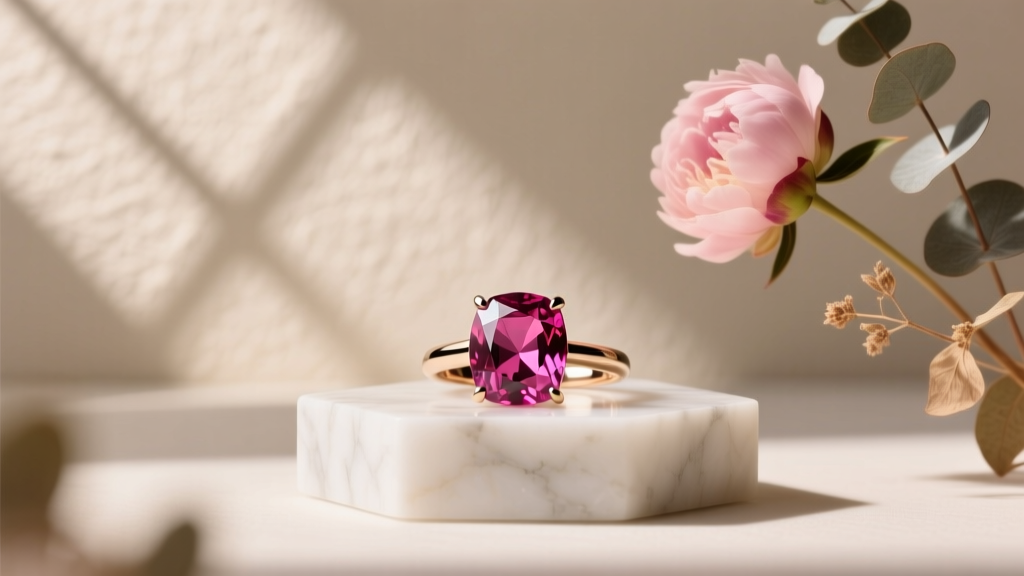 Rubellite and Pink Tourmaline Engagement Ring Options
 How Many Songs for a Wedding Ceremony? (2026)
 Stefana Wedding Crowns: Easy DIY with Authentic Symbolism