Wedding Ring Insurance Costs What to Expect
Your wedding ring set is more than a pretty detail in your engagement photos—it’s one of the most frequently worn pieces of fine jewelry you’ll ever own. From daily hand-washing and gym sessions to travel, gardening, and the occasional bump against a countertop, rings live a tough life. That’s exactly why wedding ring insurance has become a standard part of modern ring shopping, right alongside choosing a metal, diamond cut, or setting style.
Couples often focus on the ring price at checkout, then feel surprised later by the real-world costs of ownership: resizing after the wedding, routine prong checks, replating white gold, and—most stressful—loss or damage. Ring insurance helps protect that investment, but premiums vary widely depending on the ring’s value, design, materials, and where you live.
This guide breaks down what wedding ring insurance costs typically look like, what affects your premium, and how to make smart coverage choices—especially if you’re buying an engagement ring and wedding band as a set.
What Wedding Ring Insurance Covers (and What It Usually Doesn’t)
Most wedding ring insurance policies are designed to cover the big, expensive surprises. Coverage details vary by provider, but common covered events include:
- Theft (including burglary or robbery)
- Loss (a missing ring after a vacation, misplaced at a hotel, slipped off in cold weather)
- Accidental damage (bent prongs, chipped gemstones, cracked shanks, broken settings)
- “Mysterious disappearance” (the ring is gone, and there’s no clear explanation)
What’s commonly not covered or limited:
- Normal wear and tear (thin shanks over years, minor scratches)
- Manufacturer defects (sometimes covered under a jeweler warranty instead)
- Maintenance services unless included (prong tightening, rhodium replating, resizing)
- Unattended loss conditions depending on policy terms (for example, leaving it somewhere intentionally)
Think of ring insurance as protection against catastrophic costs, not a substitute for routine jewelry care.
Average Wedding Ring Insurance Cost: Typical Price Ranges
Most couples can expect wedding ring insurance to cost around 1% to 2% of the ring’s insured value per year. Your actual rate may land slightly below or above that depending on location, deductible, and the ring’s risk factors.
Realistic annual premium examples
- $2,500 ring: approximately $25–$50/year
- $5,000 ring: approximately $50–$100/year
- $10,000 ring: approximately $100–$200/year
- $20,000 ring: approximately $200–$400/year
If you insure both an engagement ring and wedding band together, the premium is usually based on the combined appraised value. Many couples insure each ring separately if one is worn less often or stored.
What Impacts Wedding Ring Insurance Costs?
Insurance pricing isn’t random. It’s built around replacement cost and risk. Here are the major factors that influence what you’ll pay.
1) Insured value (appraisal or receipt amount)
The biggest driver is the ring’s insured value. A policy meant to replace a $12,000 platinum oval diamond solitaire will naturally cost more than one for a $1,200 14K gold band. For diamond engagement rings, the insured value is often based on a jewelry appraisal that lists:
- Diamond carat weight and measurements
- Cut grade (especially for round brilliant; for fancy shapes, overall cut quality and proportions)
- Color and clarity grades
- Fluorescence
- Metal type and weight
- Setting style and craftsmanship details
- Side stones (pavé diamonds, halo accents) and total carat weight
2) Metal choice and workmanship
Metal affects replacement cost and repair complexity. Typical costs and considerations:
- Platinum: premium pricing; dense and durable; prongs wear differently than gold and may need skilled bench work.
- 18K gold: richer color and higher gold content; slightly softer than 14K; common in luxury settings.
- 14K gold: a classic for engagement rings and wedding bands; strong for daily wear and often more budget-friendly.
- White gold: usually rhodium-plated for a bright finish; replating is routine maintenance (not always insurance-covered).
Hand-forged settings, custom engraving, milgrain edges, and intricate pavé can raise insured value because they’re more labor-intensive to replicate.
3) Setting style (risk level)
Some settings expose stones more than others, affecting damage likelihood.
- Solitaire (prong setting): timeless and trending again for minimal, “quiet luxury” looks; generally straightforward to repair, but prongs can snag if worn hard.
- Halo: popular for extra sparkle and a larger look; many small diamonds mean more potential points of loss.
- Pavé or micro-pavé bands: glamorous and very on-trend; higher chance of losing a tiny accent stone over time.
- Bezel setting: a modern classic; excellent protection for diamonds and gemstones; often lower risk for chipping and snagging.
- Tension setting: sleek, contemporary style; can be more complex and costly to repair or replace.
4) Gemstone type, cut, and durability
Diamonds are the most common center stone, but many couples choose alternatives—each with different risk profiles.
- Diamond: best overall for daily wear (Mohs 10); round brilliant is the classic, while oval, emerald cut, pear, and radiant are current favorites.
- Moissanite: very durable (Mohs ~9.25), high brilliance; often less expensive to replace than diamond of similar size.
- Sapphire: durable (Mohs 9), especially for engagement rings; blue is timeless, while peach, teal, and parti sapphires are trend-forward.
- Emerald: stunning but more delicate due to inclusions and cleavage; often higher risk of chips, especially in exposed settings.
Cut style matters too. Pointed tips on pear, marquise, and princess cuts are more prone to chipping without protective V-prongs or a bezel.
5) Location and lifestyle factors
Premiums can vary by region due to theft rates and claim patterns. Your daily habits matter as well: frequent travel, outdoor sports, and hands-on work can increase the odds of loss or damage. Some insurers don’t ask about lifestyle directly, but risk is built into broader pricing models.
6) Deductible and claim terms
Choosing a deductible (the amount you pay out of pocket for a claim) typically reduces your annual premium. A $0 deductible is convenient, but you’ll likely pay more annually than you would with a $100–$500 deductible.
Trends vs. Timeless Classics: How Style Choices Affect Insurance
Right now, couples are balancing bold design with practical wearability:
- Elongated center stones (oval, emerald cut, elongated cushion) are a major trend—especially on slim bands. Slim bands look elegant but can wear faster; a slightly thicker shank can improve longevity.
- Hidden halos and basket details add sparkle without looking busy from the top. They can add insured value due to extra diamonds and labor.
- Mixed metals (yellow gold shank with a white head) remain popular for enhancing diamond whiteness while keeping a warm, classic look.
- Classic solitaires and plain gold bands never go out of style—and they’re often easier and less costly to repair.
If your dream ring includes pavé, intricate vintage-inspired filigree, or a fragile gemstone, insurance becomes less optional and more essential.
Buying Tips: How to Get Accurate Coverage Without Overpaying
Get a proper appraisal (and update it)
For most wedding ring insurance policies, you’ll need either a detailed receipt or a professional jewelry appraisal. An appraisal should describe the stone and setting precisely, including diamond grading details and metal quality. Update your appraisal every 2–3 years or sooner if metal and diamond prices shift significantly.
Confirm how replacements work
Ask whether the insurer offers:
- Replacement with “like kind and quality”
- Repair at a jeweler of your choice
- Cash settlement (less common and often capped)
If you’re attached to a specific designer setting or a custom hand-engraved band, make sure the policy can realistically replicate it.
Insure the ring for the right amount
Overinsuring can inflate premiums. Underinsuring can leave you short during replacement. Use a current appraisal or a receipt that reflects real replacement cost.
Bundle smartly
Insuring your engagement ring and wedding band together can simplify paperwork. If one ring is rarely worn (for example, a diamond eternity band reserved for events), separate coverage may fit better.
Care and Maintenance: Insurance Likes Responsible Ownership
Even with a strong policy, caring for your ring reduces the chance of claims and keeps stones secure.
- Get prongs checked every 6–12 months, especially for prong-set diamonds, halos, and pavé.
- Clean safely at home: warm water, mild dish soap, a soft toothbrush; rinse and dry with a lint-free cloth.
- Avoid harsh chemicals: chlorine can damage gold alloys; some cleaners can harm softer gemstones.
- Take rings off for weightlifting, gardening, heavy cleaning, swimming, and applying lotions (lotions build up under settings).
- Store properly: a fabric-lined box or ring dish; keep diamond jewelry separate from other pieces to prevent scratching.
Common Mistakes Couples Make with Wedding Ring Insurance
- Waiting too long to insure: the highest risk period is often right after purchase—travel, engagement parties, honeymoon.
- Assuming a warranty is the same as insurance: warranties may cover manufacturing defects or limited maintenance, not loss or theft.
- Using an outdated appraisal: replacement costs change; a low insured value can limit what you get back.
- Not reading claim limits: some policies cap coverage for mysterious disappearance or have stricter requirements for travel.
- Skipping documentation: keep copies of your receipt, appraisal, diamond grading report (like GIA or IGI), and clear photos of the ring.
FAQ: Wedding Ring Insurance Costs and Coverage
How much does it cost to insure a wedding ring?
Many policies cost around 1% to 2% of the ring’s insured value per year. A $5,000 wedding ring set often lands around $50–$100 annually, depending on deductible and location.
Do I need an appraisal to insure an engagement ring?
Often yes—especially for higher-value diamond engagement rings or custom settings. Some insurers accept a detailed receipt, but an appraisal gives the most accurate description for “like kind and quality” replacement.
Does wedding ring insurance cover losing a diamond from the setting?
Many policies cover accidental damage and stone loss, but terms vary. Pavé and halo settings have many small stones, so confirm whether replacing accent diamonds is included and whether there are any special limits.
Is a bezel setting cheaper to insure than prongs?
Not automatically, but bezel settings tend to protect the stone better, which can reduce the chance of damage. Premiums are mainly tied to insured value, yet lower-risk designs can be a practical choice for everyday wear.
Can I insure both the engagement ring and wedding band together?
Yes. Many couples insure the full bridal set under one policy using the combined appraised value. If the band is an eternity style with diamonds, include it—those can be expensive to repair or replace.
Will insurance pay for resizing or rhodium plating?
Typically no. Resizing, rhodium replating for white gold, polishing, and routine prong tightening are usually considered maintenance. Some jewelers offer service plans that cover these items separately.
Next Steps: Choose Coverage That Matches How You Wear Your Ring
Wedding ring insurance costs are usually modest compared to the replacement price of a diamond engagement ring or a detailed wedding band. The smartest approach is to insure early, document your ring thoroughly, and choose coverage that reflects your lifestyle and your ring’s design—especially if you’re wearing a pavé band, halo setting, or a delicate gemstone cut with exposed corners.
If you’re still deciding between platinum vs. gold, bezel vs. prongs, or diamond vs. sapphire (or moissanite), explore more jewelry guides on weddingsift.com to compare styles, materials, craftsmanship, and long-term value with confidence.
More Articles
 Pearl and Diamond Engagement Rings Classic Combination
 How Do You Wear a Wedding Ring Set the Right Way
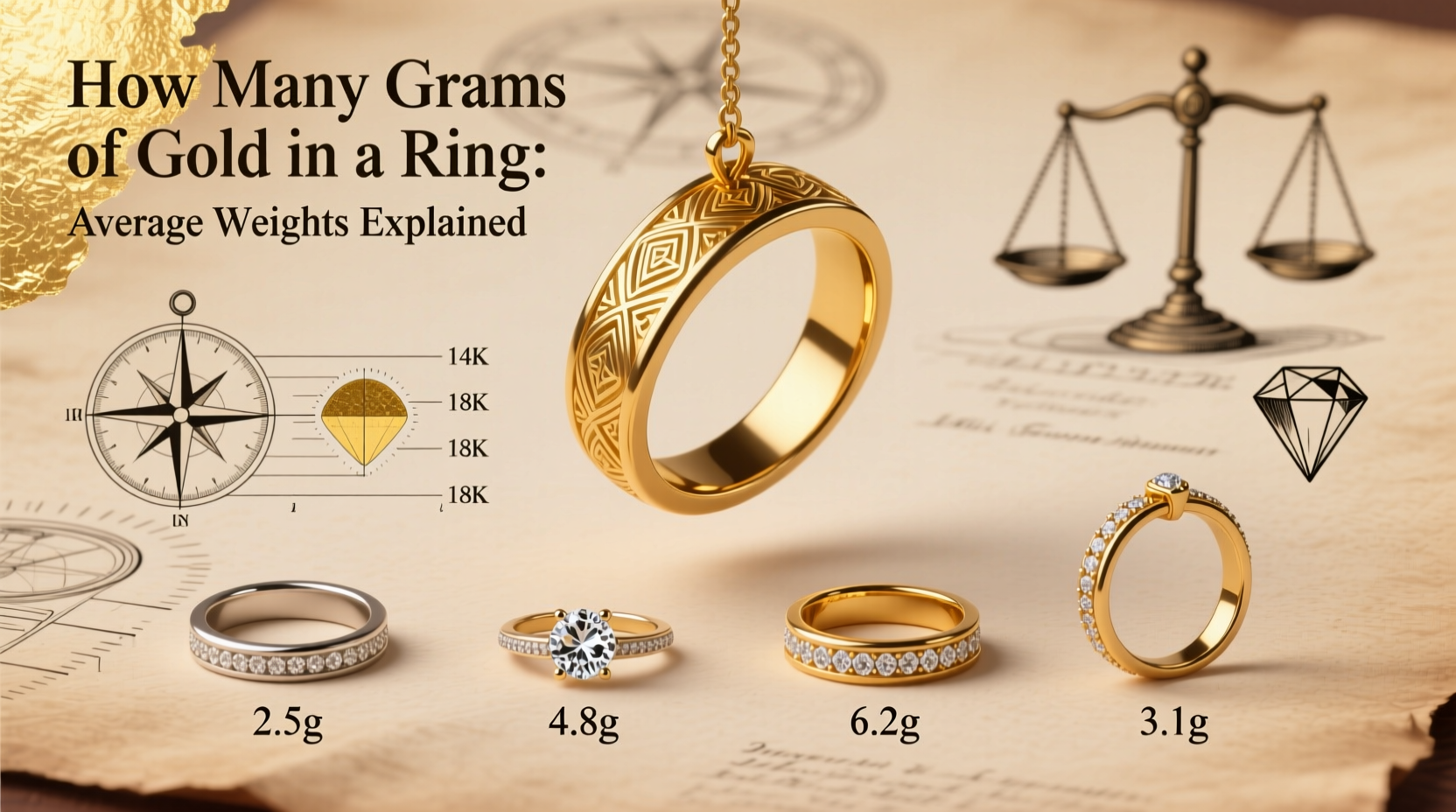 Gold Ring Weight: How Many Grams? (2026)
 How to Choose an Engagement Ring With a Heart-Shaped Diamond
 Lab-Grown vs Natural Diamonds in 2026
 How to Remove a Stuck Wedding Ring Safely
 Wedding Websites Simplify RSVP Management
 Lapis Lazuli Engagement Rings Ancient Blue Elegance
 Wedding Bands: History, Symbolism & Modern Rules (2026)
 Wedding Rings: Types & How to Choose (2026)