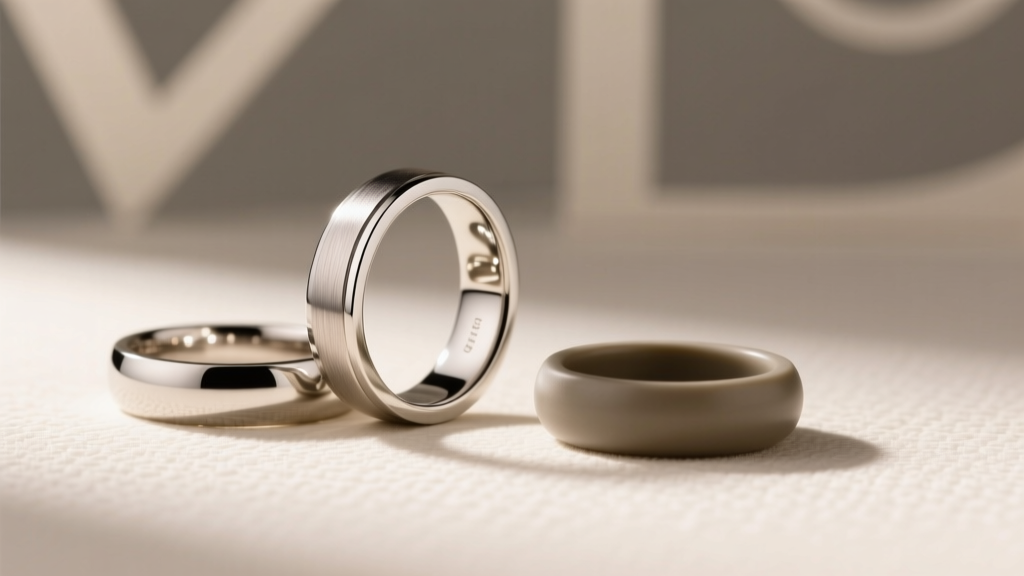
How to Choose a Wedding Band for Sensitive Skin
If your skin reacts to certain earrings, watch backs, or costume jewelry, you’re not alone. Sensitive skin is common—and once you wear a wedding band daily, comfort becomes more than a nice-to-have. Redness, itching, dark discoloration on the finger, or dry patches can turn a meaningful ring into something you can’t wait to take off.
The good news: choosing a wedding ring for sensitive skin is usually straightforward once you understand which metals cause reactions, how finishes and workmanship affect comfort, and which design choices trap moisture and irritants. This guide breaks down the best hypoallergenic wedding band options, what to avoid, and how to get a ring that looks beautiful and feels easy to wear every day.
Why Wedding Bands Trigger Skin Reactions
Most “ring rash” issues come from one of three sources:
- Metal allergy (most often nickel, sometimes cobalt): The skin reacts to alloys used in white gold or inexpensive metals.
- Irritation from moisture and buildup: Soap, lotion, sweat, and cleaning chemicals can get trapped under the ring—especially with wide bands or snug fits—leading to dermatitis-like symptoms.
- Rough craftsmanship or abrasive finishes: Sharp edges, porous cast surfaces, or deep textures can rub, trap debris, and worsen irritation.
If you’ve ever had a reaction to costume jewelry or “mystery metal” rings, assume you may have a nickel sensitivity and shop accordingly. When in doubt, a dermatologist can perform a patch test to identify the exact trigger.
Best Metals for Sensitive Skin (Hypoallergenic Choices)
Platinum: The Classic, Low-Reaction Choice
Platinum wedding bands are a top pick for sensitive skin because platinum is naturally hypoallergenic and typically alloyed with other platinum-group metals (like iridium or ruthenium) rather than nickel. It’s also dense and durable, making it ideal for everyday wear.
- Pros: Hypoallergenic, long-lasting, naturally white (no plating), excellent for prong security if you pair it with a diamond band.
- Cons: Higher cost; develops a soft patina over time (many couples love this understated, timeless look).
18K Yellow Gold: Warm, Traditional, and Often Skin-Friendly
Yellow gold is often easier on sensitive skin than white gold because it’s less likely to rely on nickel for color. 18K yellow gold (75% pure gold) is a sweet spot: high gold content, rich color, and good durability for a wedding band.
- Pros: Classic look, generally well-tolerated, easy to resize, easy to polish.
- Cons: Softer than platinum; can scratch over time (scratches are normal and can be refined in routine maintenance).
14K Yellow Gold: Durable and Budget-Friendly
14K gold has more alloy metals than 18K, which increases durability and lowers price. Most people with mild sensitivity do fine with 14K yellow gold, but if you’re highly reactive, 18K or platinum can be a safer bet.
Palladium: Platinum’s Lighter Cousin
Palladium is a naturally white precious metal in the same family as platinum. It’s usually hypoallergenic and doesn’t require rhodium plating like many white gold rings.
- Pros: Hypoallergenic, naturally white, lighter weight than platinum.
- Cons: Not every jeweler works with palladium regularly, so sizing/repairs may be more limited.
Titanium and Tungsten Carbide: Modern, Minimal, and Often Hypoallergenic
These contemporary wedding band metals are popular in current jewelry trends—especially for clean, minimal looks. They’re typically well-tolerated, but sensitivity can vary depending on the exact alloy and manufacturing process.
- Titanium: Lightweight, strong, often hypoallergenic, great for comfort-fit bands.
- Tungsten carbide: Extremely scratch resistant and sleek; heavier feel; generally hypoallergenic.
Trade-off: Titanium and tungsten rings are difficult or impossible to resize, so correct sizing matters more than ever.
Stainless Steel (Use Caution)
Some stainless steels can contain trace nickel. Many people wear it without issues, but for known nickel allergies, it’s better to choose platinum, palladium, titanium, or verified nickel-free gold alloys.
Metals to Be Careful With (Especially for Nickel Sensitivity)
White Gold (Ask About the Alloy and Plating)
White gold is one of the most common culprits for reactions because it’s made by alloying gold with “white” metals. Some white gold uses nickel alloys, and many white gold rings are rhodium-plated to look bright white. The rhodium can act like a barrier at first, but plating wears down with time—especially on the palm side of the band—potentially exposing the underlying alloy.
If you love the look of a white metal wedding band:
- Choose platinum or palladium for a naturally white, hypoallergenic option.
- If choosing white gold, request nickel-free white gold and ask how often rhodium re-plating may be needed.
Low-Karat Gold or Mystery Metal Rings
Very low-karat gold or unknown alloys can contain higher percentages of reactive metals. If you’re shopping online, look for clear metal disclosures and reputable sellers that list alloy details.
Design Choices That Improve Comfort (and Reduce Irritation)
Comfort-Fit Interiors
A comfort-fit wedding band has a slightly rounded interior edge, reducing pressure and friction. This can be a game-changer for sensitive skin, especially for wider bands or anyone prone to swelling.
Choose Smooth Profiles Over Deep Texture
Hammered, braided, and heavily engraved bands are trendy and beautiful, but deep texture can trap soap and moisture. If you love texture, consider:
- Light hammering with a smoother interior
- High-polish edges paired with a matte center
- Engraving on the outside only (avoid textured interiors)
Mind the Band Width and Fit
Wider bands can hold more heat and moisture against the skin. If you’re sensitive, consider a 2mm–4mm band or a tapered design that feels lighter between the fingers. Also, avoid overly tight sizing—snug rings trap irritants and increase friction.
Stone Settings: Keep the Skin Clear
If you’re considering a diamond wedding band or gemstone band, settings matter:
- Channel setting: Diamonds (often round brilliant cuts) sit between metal walls—sleek, secure, fewer snag points, easier on skin.
- Bezel setting: Metal surrounds each stone—smooth and protective; great for active lifestyles.
- Pavé setting: Tiny stones with small beads of metal—sparkly and on-trend, but can trap debris and may feel “gritty” if craftsmanship is poor.
For sensitive skin, prioritize high-quality pavé work (even bead setting, clean finishing) and a smooth inner band. Diamonds are typically the easiest gemstone choice for daily wear because they resist scratching and don’t shed dyes or coatings.
Quality Factors That Matter for Sensitive Skin
Alloy Disclosure and Hallmarks
Look for clear stamping (like PT950 for platinum, 18K or 750 for 18K gold, 14K or 585 for 14K gold). Ask the jeweler whether the ring is nickel-free if you’re choosing white gold or a less common alloy.
Finishing and Polishing
A well-made band should have:
- Smooth edges with no sharp transitions
- Even polish (high polish, satin, or brushed—just consistent)
- No pits or porous areas from casting
For sensitive skin, a high-polish interior often feels best because it reduces friction and makes it easier to clean.
Craftsmanship in Stone Bands
If buying a diamond band, inspect the underside and edges. Poorly finished pavé can scratch neighboring fingers and catch on fabrics, leading to irritation and more frequent cleaning—both enemies of sensitive skin.
Practical Buying Tips (Try-On, Testing, and Timing)
- Try rings on at the end of the day: Fingers swell slightly, giving you a more realistic fit.
- Wear a test band for a week: If you’re unsure, wear a simple titanium or silicone band temporarily to learn your preferred width and fit.
- Ask for a comfort-fit option: Many classic wedding bands come in both standard and comfort-fit.
- Consider your lifestyle: If you use skincare products, clean often, or work with your hands, prioritize smooth designs and easy-clean settings.
- Plan for maintenance: White gold may need rhodium re-plating; stone bands need periodic checks for loose stones.
Care and Maintenance to Prevent Irritation
Even the most hypoallergenic wedding ring can irritate skin if buildup is trapped underneath. A simple routine helps:
- Daily: Remove your band before applying lotion, sunscreen, or hair products. Put the ring on after products absorb.
- After workouts or cleaning: Rinse the ring and your hands, then dry thoroughly—moisture under the band is a common trigger.
- Weekly cleaning: Soak in warm water with a few drops of mild dish soap for 10–15 minutes, gently brush with a soft toothbrush, rinse, and dry completely.
- Avoid harsh chemicals: Chlorine and strong cleaners can damage metals and finishes and irritate skin.
- Professional checkups: For diamond or gemstone bands, have prongs and settings checked at least yearly.
Price Ranges and Value Tips
Pricing varies by metal, width, craftsmanship, and whether stones are included. Typical ranges for a simple, high-quality wedding band:
- 14K yellow gold band: Often the best value for durability and classic style; generally mid-range pricing.
- 18K yellow gold band: Higher cost for higher gold content and richer color.
- Platinum band: Usually the highest upfront cost, but excellent long-term value due to durability and hypoallergenic properties.
- Titanium/tungsten band: Often the most budget-friendly for a sleek, modern look, but factor in limited resizing.
- Diamond bands (channel, pavé, eternity): Price depends on total carat weight, diamond cut (round brilliant is most common), color/clarity, and setting quality.
Value tip: If sensitive skin is your priority, spend where it matters: the metal quality and finishing. A simpler, impeccably made comfort-fit band in platinum or 18K yellow gold often outperforms a cheaper, more intricate ring that causes reactions and needs frequent replating or replacement.
Common Mistakes to Avoid
- Assuming all gold is hypoallergenic: The alloy matters. White gold is the frequent troublemaker for nickel-sensitive wearers.
- Buying rhodium-plated white gold without a plan: Rhodium wears off; reactions can appear months later.
- Choosing a textured interior: It feels unique, but it can trap soap and irritants against the skin.
- Going too tight for “security”: A tight fit increases friction and moisture buildup.
- Ignoring craftsmanship on pavé bands: Poor finishing can scratch skin and snag fabric, leading to discomfort and higher maintenance.
- Not asking about returns/resizing: Especially important for titanium and tungsten bands that can’t be adjusted easily.
FAQ: Wedding Bands for Sensitive Skin
What is the best hypoallergenic metal for a wedding band?
Platinum is one of the most reliable hypoallergenic choices for sensitive skin. Palladium and titanium are also commonly well-tolerated. If you prefer gold, 18K yellow gold is often a skin-friendly classic.
Is white gold bad for sensitive skin?
White gold can be problematic if it contains nickel. Many white gold rings are also rhodium-plated, and when that plating wears down, irritation may appear. If you love a white metal look, platinum or palladium is typically the safest route.
Can I wear a diamond wedding band if I have sensitive skin?
Yes. Diamonds are inert and rarely cause skin reactions. Focus on the metal alloy and a setting that’s easy to clean, like channel or bezel. For pavé, choose high-quality craftsmanship and keep up with cleaning.
Why does my finger get a rash under my ring even if I’m not allergic?
It’s often irritant dermatitis from moisture, soap residue, or lotions trapped under the band. Removing the ring to wash hands thoroughly, drying well, and cleaning the ring weekly usually helps.
Are titanium and tungsten wedding bands safe for sensitive skin?
They’re often good choices, especially titanium. Reactions are less common than with nickel alloys, but quality varies by manufacturer. The key drawback is resizing limitations, so get sizing right and confirm return policies.
How do I ask a jeweler for a sensitive-skin-friendly ring?
Use direct language: ask for a nickel-free alloy, request a comfort-fit interior, and confirm the ring’s metal stamp/hallmark. If choosing white gold, ask whether it’s rhodium-plated and how often replating is recommended.
Choosing a Band You’ll Love Wearing Every Day
For most couples with sensitive skin, the most dependable picks are a platinum comfort-fit wedding band or an 18K yellow gold band with a smooth, high-polish interior. If you want a modern, minimalist look on a tighter budget, titanium can be a strong option—just treat sizing and exchange policies as part of the purchase.
Start by narrowing your metal choices to hypoallergenic favorites, then choose a profile and setting that stays clean and comfortable. Once you’ve found the right match, a simple care routine keeps your ring looking brilliant and feeling effortless.
For more expert advice on wedding bands, engagement rings, diamond settings, and current jewelry trends, explore more jewelry guides on weddingsift.com.
More Articles
 Vintage-Inspired Engagement Rings: How to Choose (2026)
 Smart Ring on Wedding Finger: Truth & Trade-Offs
 How to Choose an Engagement Ring With a Tension Setting
 Tungsten Wedding Bands Pros Cons and Care
 Gold Wedding Ring Buying Guide: Real-World Durability (2026)
 Garnet Engagement Rings January Birthstone Deep Red
 Jewelry Explained for Party: What to Wear, Why It Works, and How to Avoid Common Mistakes
 How to Protect Your Rings During Daily Activities
 7 Things Nobody Tells You Before Buying a Plain Wedding Band
 Wedding Ring Care: Keep It Shining Forever