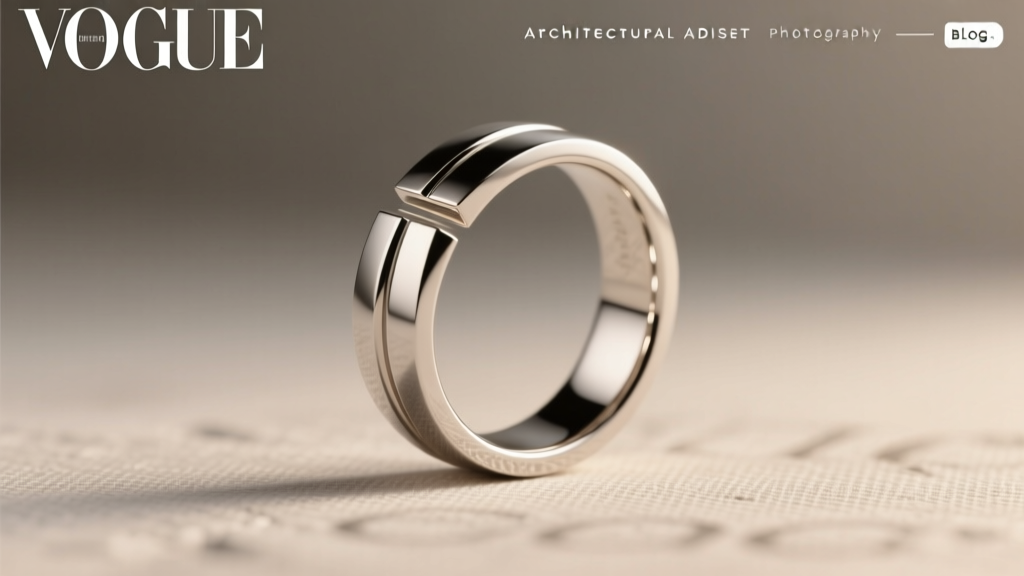
How to Choose a Wedding Band With a D-Shaped Profile
A wedding band seems simple until you start trying them on. Suddenly, small details—how a ring feels on your finger, how it sits next to an engagement ring, and how it catches the light—make a big difference. One of the most classic (and most misunderstood) shapes is the D-shaped wedding band, named for its cross-section: rounded on top like a dome, flatter on the inside.
The D-shape has been a long-time favorite in traditional bridal jewelry, and it’s also having a moment again as couples look for bands that feel substantial, wear comfortably, and still look refined. If you want a ring that’s timeless, practical, and flattering on the hand, a D-shaped profile deserves a serious look.
This guide breaks down what a D-shaped band is, how it compares to other profiles, which metals and finishes make sense for your lifestyle, and how to shop smart—so you end up with a wedding ring you’ll love wearing every day.
What Is a D-Shaped Wedding Band?
A D-shaped wedding band has a rounded exterior (the “curve” of the D) and a flatter interior (the “straight line” of the D). From the top, it usually looks like a softly domed band rather than a flat strip of metal.
Why couples choose the D-shaped profile
- Classic look: It’s one of the most traditional wedding ring profiles, especially in yellow gold.
- Substantial presence: The domed top gives a richer look than very flat profiles, even at similar widths.
- Comfort with stability: Many people find the flatter interior feels secure on the finger, especially in medium-to-wide widths.
D-shape vs. comfort fit vs. court shape (quick comparison)
- D-shape: Rounded outside, flatter inside. Balanced feel; classic appearance.
- Court shape (traditional court): Rounded outside and rounded inside. Often the most “buttery” feel, especially for sensitive skin.
- Comfort fit (modern comfort fit): Can look flat or slightly domed on top, but has a rounded interior edge for easier sliding over knuckles.
- Flat profile: Flat outside and usually flat inside; modern and sleek, but edges can feel sharper if not softened.
If you like the look of a domed ring but want a more structured feel than fully rounded court bands, D-shape often lands in the sweet spot.
Choosing the Right Metal for a D-Shaped Wedding Band
The metal you choose affects not only color, but also durability, maintenance, weight, and how well your ring holds its shape over decades. For a D-shaped profile—where the dome can show reflections and surface wear—finish and hardness matter, too.
Platinum (Platinum 950)
Best for: Low-allergy wearers, people who want a premium, weighty feel, and those who like a naturally white metal.
- Pros: Dense and durable; prongs and settings (if you add diamonds) hold well; naturally white.
- Wear & patina: Platinum develops a soft patina rather than “wearing away” quickly; it can be polished back to high shine.
- Consider: Typically the most expensive metal option; heavier on the hand.
White Gold (14k or 18k)
Best for: A bright white look at a lower price point than platinum.
- Pros: Strong and widely available; 14k is especially durable for daily wear.
- Rhodium plating: Most white gold is rhodium-plated for a crisp white finish. Expect periodic replating (often every 1–3 years depending on wear).
- Consider: If you prefer minimal maintenance, platinum may suit you better.
Yellow Gold (14k or 18k)
Best for: Traditional wedding ring style, warm skin tones, and timeless bridal sets.
- Pros: Iconic look; easy to polish; pairs beautifully with classic solitaire engagement rings.
- 14k vs 18k: 14k is harder and more scratch-resistant; 18k is richer in color and slightly softer.
Rose Gold (14k or 18k)
Best for: A romantic, modern-classic twist.
- Pros: Copper content makes it relatively durable; flattering warm blush tone.
- Trend note: Rose gold remains popular for couples who want a timeless shape (like D-profile) with a contemporary color.
Titanium, tungsten, and alternative metals
Alternative metals can be budget-friendly and very scratch-resistant (especially tungsten), but they’re not always ideal for a traditional D-shaped wedding band if you want long-term resizing options.
- Tungsten: Highly scratch-resistant, but can’t be resized easily and may chip if struck hard.
- Titanium: Lightweight and durable, but resizing is limited.
For heirloom value and easy maintenance, precious metals (gold or platinum) are the safer choice.
Width, Thickness, and Fit: Getting the D-Shape Right
A D-shaped band’s comfort depends heavily on its measurements and finishing. Two rings can both be “D-shape” but feel completely different on the hand.
Choosing the right width
- 2mm–3mm: Delicate and subtle; popular for pairing with petite engagement rings or minimalist bridal sets.
- 4mm–5mm: The most versatile range; visible presence without feeling bulky.
- 6mm–8mm: Bold, statement look; great for solo wedding bands or larger hands.
Thickness and durability
Ask for the band’s depth/thickness, not just width. A very thin ring may bend over time, especially in softer metals. Many jewelers recommend a practical minimum thickness for daily wear (often around 1.6–2.0mm depending on design), particularly if you’re choosing a wider band.
Standard fit vs. comfort fit edges
Even within a D-shaped profile, you can request softened edges or a comfort-fit interior. If you have larger knuckles or remove your ring often, a comfort-fit edge can make a noticeable difference.
Finish and Style Options: From Timeless Classics to Current Trends
The D-shape is a classic silhouette, but you can personalize it with modern finishes and small design details.
High polish
The most traditional choice. A polished D-shaped wedding band reflects light beautifully and looks especially rich in yellow or rose gold. Expect to see fine surface scratches over time—normal for daily wear.
Matte, satin, or brushed finishes
Brushed finishes soften the look and can disguise minor scratches. This finish is popular in modern men’s wedding bands and gender-neutral styles, especially in white gold and platinum.
Hammered or textured D-shape bands
Texture adds character and hides wear. Hammered finishes are on-trend right now, giving a handcrafted feel while keeping the comfort and familiarity of a D-shaped profile.
Milgrain edges and vintage detailing
Milgrain (tiny beaded edging) complements the dome of a D-shape and pairs beautifully with vintage-inspired engagement rings like halos or engraved settings.
Adding Diamonds or Gemstones to a D-Shaped Band
While many D-shaped bands are plain, you can absolutely incorporate gemstones—just be mindful of durability and how the setting affects comfort.
Diamond accents: what works best
- Pavé: Tiny diamonds set closely together for maximum sparkle. Choose this if you’re comfortable with more maintenance and careful wear.
- Channel-set diamonds: Diamonds sit between two metal walls—one of the best options for active lifestyles because edges are protected.
- Gypsy (flush) set diamonds: Stones set into the band surface. Great for a sleek look and reduced snagging.
Colored gemstones: sapphires, rubies, and more
If you want color, consider sapphires (excellent durability for daily wear; available in blue, pink, yellow, and white). Rubies are also durable and romantic. Softer stones (like opals or emeralds) require more caution in a wedding band due to daily knocks.
Craftsmanship details to look for
- Secure setting work: Even bead-set pavé should look neat and symmetrical with no sharp prongs.
- Matching metalwork: Stone settings should be balanced so the band doesn’t spin.
- Good finishing: The inside edge should feel smooth; any roughness will irritate over time.
How a D-Shaped Band Pairs With an Engagement Ring
Many couples shop for wedding band and engagement ring sets, and pairing is where profile really matters.
- With a solitaire engagement ring: A D-shaped band is a classic match, especially in matching metal and similar width.
- With a low-set engagement ring: The dome may create a small gap. Consider a thinner D-shape, a notched band, or a custom contour band if you want a flush fit.
- With a halo or pavé engagement ring: A plain D-shaped band can balance sparkle, while a diamond-set D-shape can create a cohesive “all-around” brilliance.
Bring your engagement ring (or a close match) when you try on wedding bands. The best-looking band on its own isn’t always the best pairing.
Price Range and Value Tips
Pricing depends on metal type, ring width and thickness, brand, and whether gemstones are included. As a general guide:
- Plain 14k gold D-shaped band: Often mid-range; price rises with width and gold weight.
- 18k gold D-shaped band: Typically higher due to increased gold content.
- Platinum D-shaped band: Usually the highest for plain bands because of metal cost and density.
- Diamond-set D-shaped band: Depends heavily on total carat weight, diamond quality, and setting style (pavé and channel settings add labor cost).
Getting the best value
- Prioritize thickness for longevity: A slightly heavier band can outperform a thin, cheaper ring over decades.
- Choose 14k for durability: If you’re hard on jewelry, 14k gold can be a smart balance of strength and price.
- For diamonds, focus on cut quality: Even small melee diamonds look brighter when well-cut. Ask about matching and setting quality.
- Consider timeless finishes: High polish and classic brushed finishes age well and are easy to refresh.
Care and Maintenance for a D-Shaped Wedding Band
D-shaped bands are straightforward to maintain, but routine care keeps them looking their best.
- Clean at home: Warm water, mild dish soap, and a soft toothbrush. Rinse well and dry with a lint-free cloth.
- Avoid harsh chemicals: Chlorine and abrasive cleaners can damage metal finishes and some gemstone settings.
- Remove during heavy work: Gardening, weightlifting, and DIY projects can dent metal or loosen stones.
- Schedule checkups: If your band has diamonds, have a jeweler inspect settings once or twice a year.
- Refinishing: Polished rings can be repolished; brushed finishes can be rebrushed. Platinum patina can be maintained or polished depending on your preference.
Common Mistakes to Avoid When Buying a D-Shaped Wedding Band
- Choosing width without testing comfort: A 6mm band can feel very different from a 4mm, especially with a flatter interior.
- Ignoring thickness: Ultra-thin bands may warp over time. Ask for measurements.
- Forgetting lifestyle: High-polish platinum is gorgeous, but if you want “always pristine,” consider brushed finishes or accept natural wear as part of the ring’s story.
- Assuming it will sit flush with your engagement ring: Test the stack. If you dislike gaps, look at contour options.
- Overpaying for unclear diamond specs: For diamond-set bands, ask about total carat weight, diamond color/clarity range, and setting method (pavé, channel, flush).
- Buying the wrong size for swelling: Fingers change with temperature and time of day. Get sized properly and discuss seasonal fit.
FAQ: D-Shaped Wedding Bands
Are D-shaped wedding bands comfortable for everyday wear?
Yes. Many people find them very comfortable because the rounded exterior feels smooth while the flatter interior gives a stable, secure fit. If comfort is your top priority, ask to compare a D-shape to a court and a comfort-fit interior.
Will a D-shaped band scratch more than a flat band?
Not necessarily, but the domed surface can make light scratches more visible on high-polish finishes. A brushed or satin finish is a good option if you prefer a lower-maintenance look.
Can a D-shaped wedding band be resized?
Most precious-metal D-shaped bands (gold and platinum) can be resized. Designs with full-eternity diamonds, complex patterns, or alternative metals like tungsten may be difficult or impossible to resize.
What width D-shaped band is most popular?
For many couples, 4mm–5mm is the sweet spot: noticeable, comfortable, and easy to pair with engagement rings. Petite hands often favor 2mm–3mm, while bolder styles lean 6mm and up.
Do D-shaped bands work with engagement rings that sit low?
They can, but you may see a gap if the engagement ring’s setting sits close to the finger. If a flush fit matters, try a slimmer D-shape, a band with a slight contour, or a custom fitted wedding band.
Is platinum or gold better for a D-shaped wedding band?
Platinum is naturally white, dense, and long-wearing with a patina over time. Gold offers more color options and often a lower price, with 14k providing excellent durability. The “better” choice depends on your budget, color preference, and maintenance expectations.
Choosing Your D-Shaped Band: A Confident Next Step
If you want a wedding band that feels traditional without looking dated, the D-shaped profile is a smart, time-tested choice. Start by deciding on metal (gold or platinum for heirloom wear), then try widths across a small range—especially alongside your engagement ring. From there, pick a finish that suits your lifestyle, and only add diamonds or gemstones if you’re happy with the extra care that comes with sparkle.
For more help narrowing down profiles, metals, diamond settings, and matching wedding band styles, explore more jewelry guides on weddingsift.com.
More Articles
 How To Get Off A Wedding Ring That Is Stuck
 Can You Use Engagement Ring as Wedding Band?
 Wedding Ring Weight in Grams: Real Data (2026)
 Shower With Wedding Ring? 3 Steps to Prevent Damage
 How to Plan a Ring Shopping Experience as a Surprise
 How to Choose a Wedding Band With Hidden Details
 How to Keep Wedding Rings Together Without Soldering
 Best Venues for Performance: A Metalsmith’s Practical Guide to Stage, Studio, and Public Exhibition Spaces
 DIY Timeline Ideas for Jewelry Making: A Practical, Step-by-Step Framework
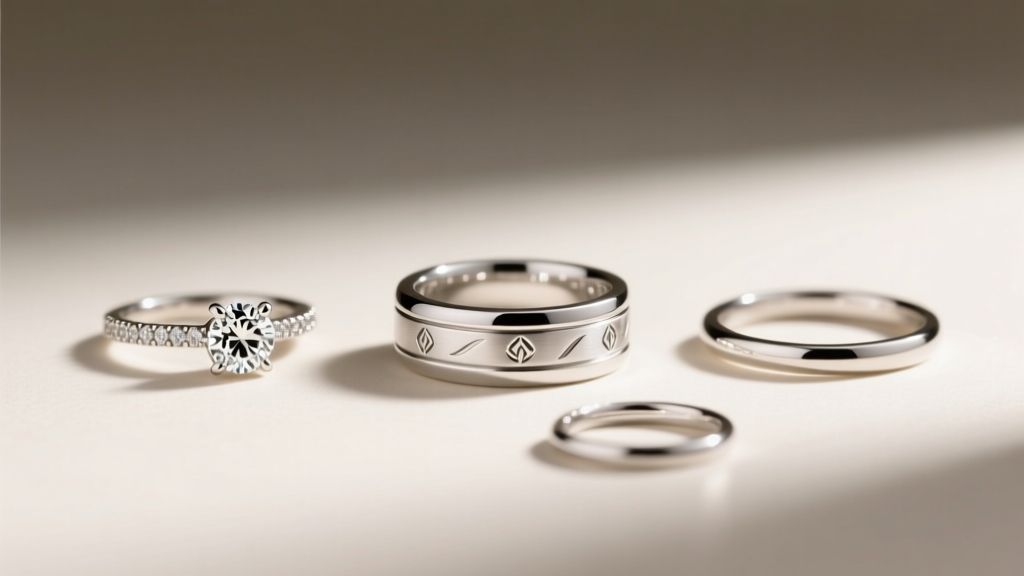 Pandora Wedding Rings (2026) & Better Alternatives