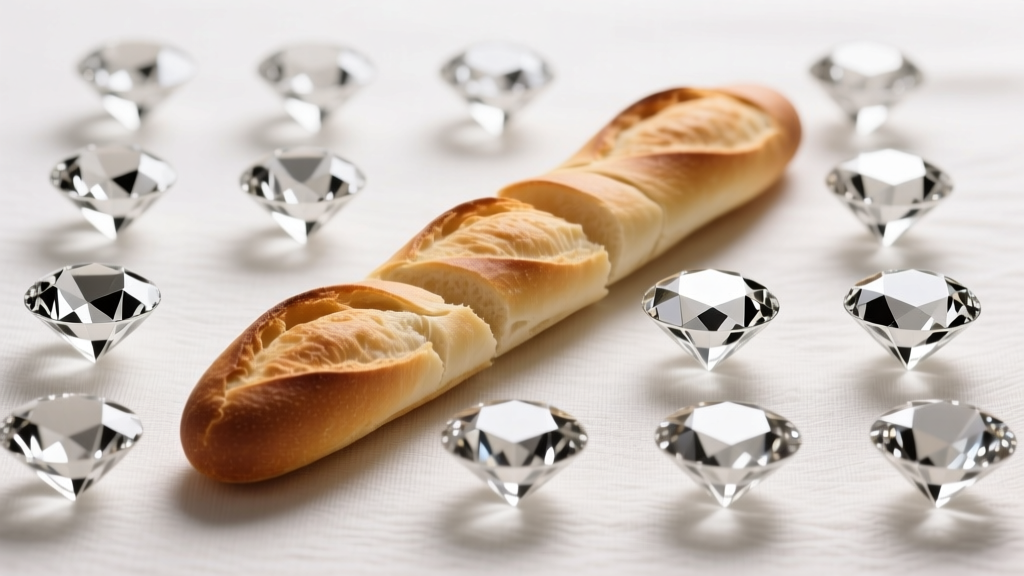
Baguette Diamonds Rectangular Step Cut
Baguette diamonds have a way of looking simultaneously modern and timeless. Their long, clean rectangles feel sleek and architectural, yet they’ve been a jewelry staple since the Art Deco era. If you’re shopping for an engagement ring or wedding band and you’re drawn to refined sparkle rather than a “disco ball” look, baguettes are worth a close look.
Unlike brilliant-cut diamonds that shimmer from every angle, baguette diamonds (a rectangular step cut) glow with calm flashes of light. They emphasize craftsmanship, symmetry, and the beauty of the stone’s clarity. That’s why they show up everywhere from minimalist wedding bands to iconic three-stone engagement rings—and why so many couples choose them when they want a sophisticated, elevated finish.
This guide breaks down what makes baguette diamonds unique, how to judge quality, which settings and metals work best, what they cost, and how to avoid common shopping pitfalls.
What Is a Baguette Diamond (Rectangular Step Cut)?
A baguette diamond is a rectangular step-cut diamond with long, linear facets arranged like stairs. Instead of many tiny facets designed for maximum sparkle (brilliant cut), step cuts use fewer, broader facets that create crisp reflections and a “hall of mirrors” effect.
Step Cut vs. Brilliant Cut: What You’ll See on the Hand
- Baguette (step cut): clean flashes, elegant glow, emphasizes clarity and cut precision.
- Round brilliant / pavé (brilliant cut): high scintillation, lots of sparkle, masks inclusions more easily.
This difference is exactly why baguettes are often used as side stones: they complement a center diamond without competing for attention, adding length and structure to the design.
Why Couples Love Baguette Diamonds for Wedding Jewelry
1) A flattering shape that elongates the finger
Rectangular lines naturally create a lengthening effect. Baguette side stones can make a center stone look larger and the overall ring appear more streamlined—especially in three-stone engagement ring styles.
2) A perfect match for modern minimalism
One of today’s strongest engagement ring trends is “quiet luxury”: clean silhouettes, thoughtful details, and enduring materials. Baguette diamonds fit this perfectly, whether in a channel-set wedding band or an east-west baguette solitaire.
3) Vintage roots with contemporary edge
Baguettes are a signature Art Deco element, often paired with emerald-cut or Asscher-cut center diamonds. That vintage connection feels fresh again as couples seek rings with character, not just sparkle.
Popular Baguette Diamond Ring Styles (Engagement Rings & Bands)
Three-Stone Engagement Rings (Baguette Side Stones)
The classic pairing is a center diamond (round, oval, emerald cut, cushion, or radiant) flanked by two baguettes. This style balances romance and structure, and it works beautifully in platinum or 18K gold.
Channel-Set Baguette Wedding Bands
Channel settings protect the edges of baguettes by nesting them between two metal walls. This is one of the most practical choices for everyday wear and a favorite for couples who want a diamond wedding band that stays sleek and snag-free.
Half-Eternity and Eternity Bands
Alternating baguettes or full rows of baguettes can create a high-end “tennis band” look with a more modern geometry. Half-eternity designs are typically more comfortable and easier to resize than full eternity bands.
East-West Baguette Solitaires
A single baguette diamond set horizontally (east-west) feels fresh, minimal, and very current. It’s a strong choice for someone who prefers a low-profile engagement ring with clean lines.
Baguette + Pavé Combinations
Many contemporary engagement rings combine baguettes with micro-pavé round diamonds. The baguettes provide structure; the pavé adds sparkle. This pairing is trendy yet still grounded in classic design principles.
Quality Factors: How to Choose a Beautiful Baguette Diamond
Baguettes reward careful selection. Because the facets are broad and open, they show issues more readily than brilliant cuts. Focus on these quality points:
Cut Quality (The Make) Matters Most
There isn’t a universal “ideal cut” grade for baguettes the way there is for round brilliants. Instead, look for:
- Even facet pattern: reflections should look symmetrical, not patchy.
- Good proportions: overly shallow stones can look glassy; overly deep stones can look dark.
- Crisp corners and straight edges: especially important for channel-set baguette bands where stones align in a row.
Clarity: Baguettes Are Less Forgiving
Step cuts tend to reveal inclusions more easily. As a general guide:
- Side-stone baguettes: aim for VS clarity when possible; SI1 can work if eye-clean.
- Center baguette (solitaire): consider VS2–VVS for a cleaner look, especially in larger sizes.
Color: Match the Metal and the Center Stone
Baguettes show body color more readily than brilliant cuts. For engagement rings and wedding bands:
- Platinum/white gold settings: D–H is a common sweet spot; go higher if you’re pairing with a colorless center stone.
- Yellow/rose gold settings: F–I often looks beautiful, since warmer metals visually blend with slightly warmer diamonds.
Carat Weight and Size: Think in Millimeters
With baguettes, millimeter measurements matter more than carat weight. Two stones with the same carat weight can look quite different depending on depth. Ask for the stone dimensions (length x width) to ensure the proportions suit your design.
Best Metals for Baguette Diamond Rings
Platinum
Platinum is a top choice for baguette diamond engagement rings and wedding bands because it’s durable, naturally white, and holds stones securely. It develops a soft patina over time rather than wearing away quickly, making it a strong “forever” metal.
18K Gold (White, Yellow, or Rose)
18K gold offers rich color and a premium feel. For baguettes, 18K is ideal when you want a luxurious look and don’t mind a bit more maintenance over many years compared to platinum.
14K Gold
14K gold is slightly harder than 18K due to alloy content, making it a practical everyday option—especially for channel-set baguette wedding bands.
Settings That Work Best with Baguettes (and Why)
Channel Setting
Best for wedding bands and eternity styles. It protects the edges and corners—key because baguettes have sharper points than many cuts and can be more vulnerable to chipping if exposed.
Bar Setting
Each baguette is separated by a vertical bar of metal. This creates a modern, structured look and can allow more light in than a full channel while still offering good security.
Prong Setting (For Side Stones)
Prongs can make baguettes look lighter and more delicate, but prong placement must be precise. Well-made prongs protect corners without covering too much of the stone.
Bezel Setting
One of the most protective options. A bezel frame around a baguette can look ultra-modern and is excellent for active lifestyles. The tradeoff is a slightly more metal-forward look.
Price Range and Value Tips
Baguette diamonds can be a smart value because they typically cost less per carat than round brilliants. Pricing varies based on quality, matching, and craftsmanship.
Typical Price Considerations
- Baguette diamond wedding bands: often range from $700–$3,500+ depending on total carat weight, metal (14K vs 18K vs platinum), and whether it’s half- or full-eternity.
- Engagement rings with baguette side stones: settings commonly add $800–$3,000+ to the cost, with the center diamond being the largest variable.
- Higher-end designer craftsmanship: expect a premium for ultra-precise stone matching, hand-finishing, and refined setting work.
Where the Real Value Is
- Prioritize matching: In a band, baguettes should match in length, width, and color. Mismatched stones can make an otherwise expensive ring look uneven.
- Pay for setting quality: A well-built channel or bar setting protects stones and reduces long-term repair costs.
- Consider half-eternity: often lower cost, more comfortable, and resizable—excellent value for many couples.
Practical Buying Tips for Couples
- Ask how the baguettes are matched: Especially for eternity bands, confirm the jeweler matches color/clarity and calibrates dimensions for a seamless row.
- Check comfort and profile: If you wear your engagement ring daily, make sure your baguette wedding band sits flush (or choose a contour band designed to fit).
- Look at the ring in different lighting: Step cuts can look very different in soft indoor light vs bright daylight. You want consistent, pleasing reflections.
- Confirm resizing policy: Full eternity baguette bands usually can’t be resized without major work; half-eternity is more flexible.
- Choose durable details: Corner protection, well-finished prongs, and sturdy channels matter more than tiny “extra sparkle” upgrades.
Care and Maintenance for Baguette Diamond Rings
Baguette diamonds are durable (they’re diamonds), but the shape and settings deserve mindful care.
- Clean gently at home: Warm water, mild dish soap, and a soft toothbrush work well. Rinse thoroughly and pat dry with a lint-free cloth.
- Avoid harsh chemicals: Chlorine and strong cleaners can damage metal alloys and erode prongs/settings over time.
- Store separately: Diamonds can scratch other jewelry—and other diamonds. Use a soft pouch or separate compartment.
- Schedule inspections: Have a jeweler check channel walls, prongs, and alignment every 6–12 months, especially for wedding bands worn daily.
Common Mistakes to Avoid When Shopping Baguette Diamonds
- Assuming all baguettes sparkle the same: Some look bright and crisp; others look dull or “glassy.” Cut quality and proportion drive the look.
- Ignoring corner protection: Exposed corners are more vulnerable to chipping, especially on side stones that get bumped.
- Choosing the lowest clarity without checking: Inclusions can be more visible in step cuts. Make sure stones are eye-clean for your preferences.
- Overlooking band-to-ring fit: A baguette wedding band may not sit flush against certain engagement ring settings. Try them together.
- Buying an eternity band without thinking ahead: Finger sizes can change. If resizing matters, choose half-eternity or discuss sizing solutions upfront.
FAQ: Baguette Diamonds (Rectangular Step Cut)
Are baguette diamonds real diamonds?
Yes—“baguette” refers to the shape and cut (rectangular step cut), not the material. You can find baguette-cut natural diamonds and lab-grown diamonds.
Do baguette diamonds sparkle less than round diamonds?
They sparkle differently. Baguettes produce broader flashes and a sleek glow rather than intense twinkling. Many people prefer that calmer, more refined look for engagement rings and wedding bands.
Are baguette diamonds durable enough for everyday wear?
Diamonds are extremely hard, but baguettes have corners that can be more exposed in certain settings. Choose protective settings (channel, bezel, well-built prongs) and keep up with inspections for best long-term wear.
What center stones pair best with baguette side stones?
Almost anything pairs well, but the most classic combinations are round brilliant with baguette sides, emerald-cut with baguette sides, and oval centers with tapered baguettes for a lengthened look.
Can a baguette diamond wedding band be resized?
Half-eternity bands are often resizable. Full eternity baguette bands are usually difficult or impossible to resize without compromising the stone layout, so confirm before you buy.
Should I choose platinum or gold for a baguette diamond ring?
Platinum is ideal for maximum durability and a naturally white look. 14K or 18K gold is also excellent—choose based on color preference, lifestyle, and whether you want a brighter white (white gold/platinum) or warmer tone (yellow/rose).
Next Steps: Choosing Baguettes That Feel Like “You”
If your style leans clean, tailored, and timeless, baguette diamonds deliver a level of polish that’s hard to beat. They shine brightest when the craftsmanship is precise—well-matched stones, secure settings, and a metal choice that fits your lifestyle. For many couples, a channel-set baguette wedding band or a three-stone engagement ring with baguette side stones strikes the perfect balance of everyday practicality and heirloom elegance.
Keep exploring more engagement ring and wedding band guides on weddingsift.com to compare diamond cuts, settings, and metals—so you can choose a ring set you’ll love wearing for decades.
More Articles
 Damascus Steel Wedding Bands Unique Patterns
 How to Disinfect Wedding Ring Safely (2026)
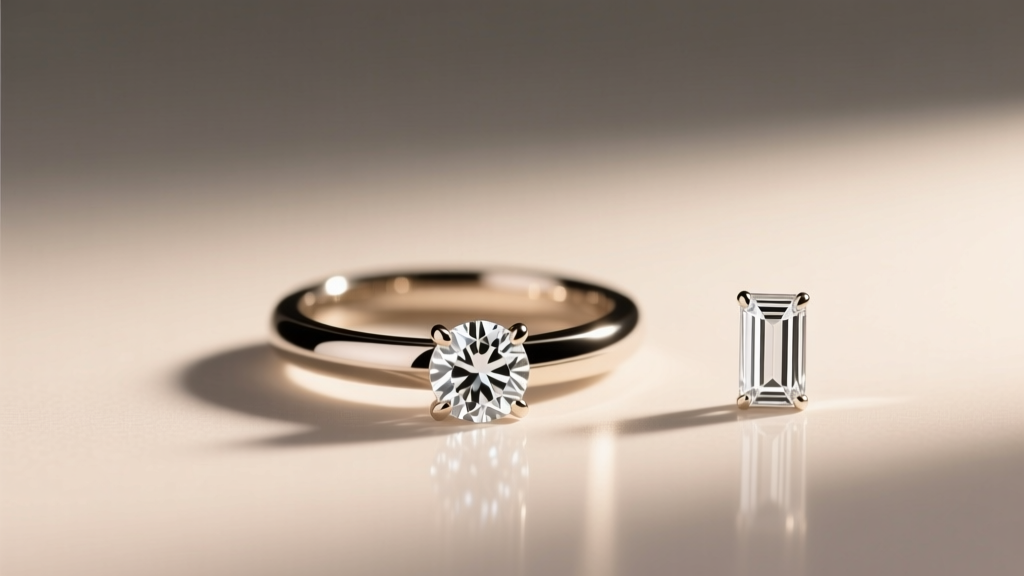 How to Choose an Engagement Ring With a Baguette Side Stone
 Oval Diamonds Illusion of Larger Size
 How to Choose an Engagement Ring With a Twisted Band
 Do Wedding Rings Get Scratched? (2026)
 Tungsten Wedding Bands: Emergency Removal & Resizing (2026)
 How to Choose Wedding Rings for Men
 Gold Wedding Ring Buying Guide: Real-World Durability (2026)
 How to Choose a Wedding Ring for Wide Fingers