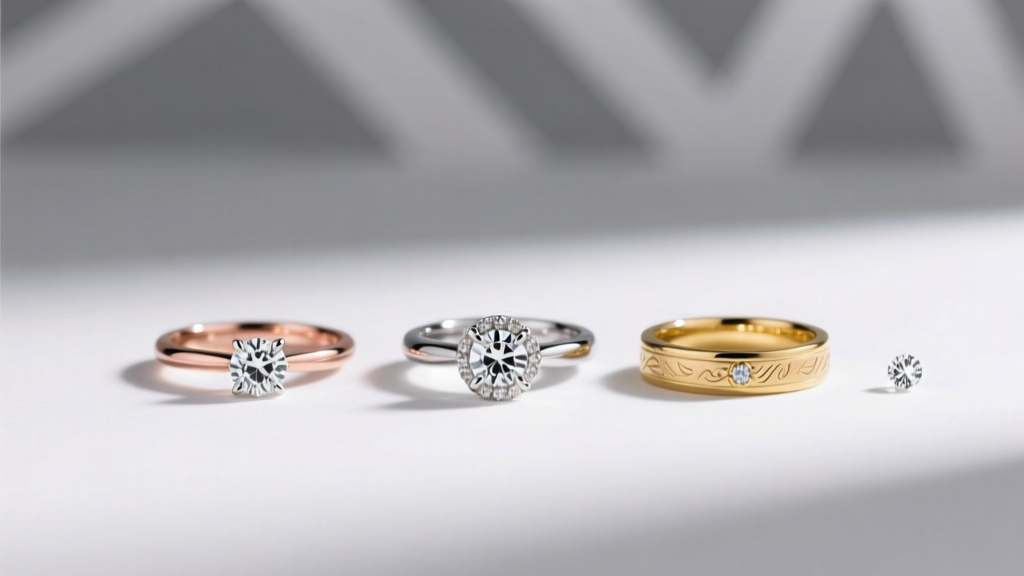
Matching Wedding Bands to Your Engagement Ring Style
Your engagement ring is usually the showpiece—the ring you stared at in the box, the one friends ask to see, the one you’ll wear in photos for decades. Your wedding band is different: it’s the ring you’ll reach for every day, the one that has to sit comfortably next to your engagement ring and still look intentional, balanced, and beautiful.
Matching a wedding band to an engagement ring style isn’t about rules or rigid “sets.” It’s about proportions, metal tone, stone shape, and how the rings physically fit together. A band that complements your center stone and setting can make your engagement ring look bigger, cleaner, and more cohesive. A mismatched band can rub, gap awkwardly, twist, or visually compete.
This guide breaks down how to choose a wedding band that pairs naturally with your engagement ring—whether you’re drawn to classic solitaires, vintage halos, modern minimalism, or today’s trending mixed metals and curved bands.
Start With the Engagement Ring: Style, Height, and Profile
Before falling in love with a band, look closely at how your engagement ring is built. These details determine whether bands will sit flush, whether you’ll need a curved band, and how durable the pairing will be.
Key features to check
- Setting height: Higher settings (common with cathedral or peg-head solitaires) often allow a straight band to sit flush. Low settings can force a gap unless you choose a contour band or notched band.
- Basket and prongs: A protruding basket can block a straight band. Prongs that extend far down the sides can snag pavé bands.
- Shank shape: A knife-edge shank looks best with crisp, clean bands; a rounded shank pairs well with comfort-fit and softer profiles.
- Stone shape: Round, oval, emerald, pear, marquise, cushion, and princess cuts all “read” differently next to a band—especially with eternity styles.
- Existing accent stones: Side stones, halos, and pavé influence how much sparkle your band should have.
Matching by Engagement Ring Style
Solitaires: the most flexible pairing
Solitaire engagement rings—round brilliant, oval, emerald cut, cushion, and more—pair well with nearly any band. If you want a timeless look, a plain metal band in the same metal is unbeatable. If you want sparkle, a half-eternity pavé band adds brilliance without overwhelming the center stone.
Best matches:
- Classic 2mm–3mm polished band (yellow gold, white gold, rose gold, or platinum)
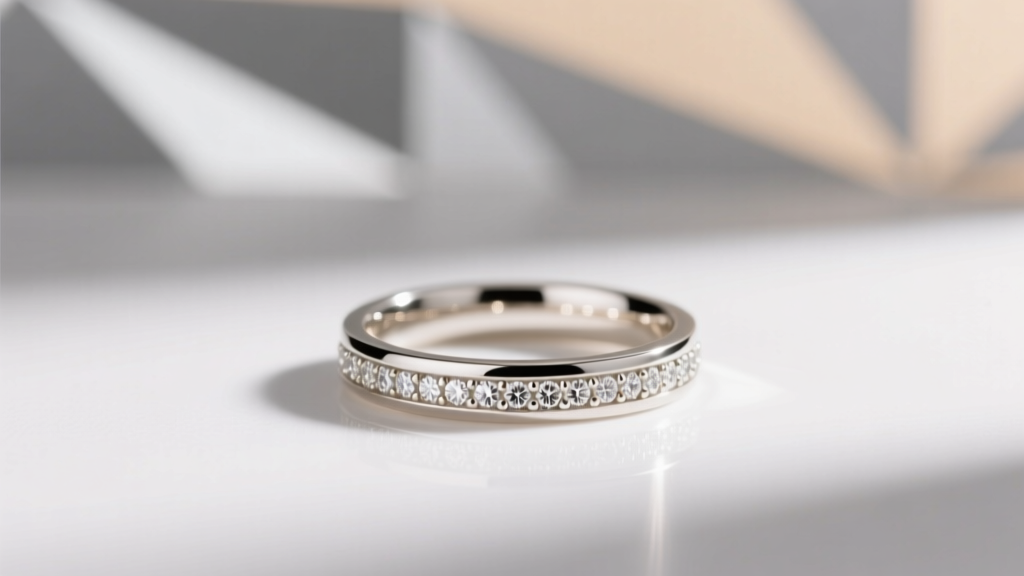
- Micropavé band (1.5mm–2.2mm) for a refined glitter
- Channel-set diamond band for a sleek, protected sparkle
Halo rings: balance sparkle with structure
Halo engagement rings already bring a lot of visual energy. Pairing them with a band is about supporting the halo rather than competing with it. Many couples choose a simple matching pavé band that mirrors the halo’s diamond size and setting style, or a plain band to let the halo remain the star.
Best matches:
- Matching pavé band with similar diamond size and bead setting
- Plain band for a clean, modern contrast
- Curved band if the halo overhang prevents a flush fit
Three-stone rings: keep proportions consistent
Three-stone engagement rings (classic rounds, trapezoid sides, pear sides, baguettes) look best with bands that echo their geometry. An emerald cut center with baguette sides loves a baguette or channel-set band. A round three-stone pairs beautifully with a rounded pavé band.
Best matches:
- Channel-set diamonds for structured, linear styles
- Shared-prong or pavé bands for softer, rounded styles
- Consider a slightly thinner band to avoid overpowering side stones
Vintage and heirloom-inspired rings: match detailing thoughtfully
Vintage-style engagement rings often include milgrain edges, filigree, engraving, and old-world proportions. Pair with a wedding band that reflects at least one vintage detail—milgrain, hand engraving, or antique-style diamonds like Old European or rose-cut accents.
Best matches:
- Milgrain diamond band (great with halos and engraved shanks)
- Engraved gold band for a romantic, timeless look
- Alternating diamond-and-metal “vintage rhythm” bands
Modern minimal and East-West settings: lean into clean lines
Current jewelry trends include East-West emerald cuts, sleek bezel settings, and sculptural bands. These rings shine with simple bands: plain metal, step-cut diamond bands, or slim baguette half-eternity styles. A good match here feels intentional, not busy.
Best matches:
- Polished knife-edge or flat-profile band
- Baguette half-eternity band
- Bezel-set diamond band for a clean, secure look
Choose the Right Band Shape: Straight, Curved, Notched, or Stacked
Straight bands (classic)
Straight bands are the timeless default. They’re easiest to resize, easiest to maintain, and work well if your engagement ring sits high enough to allow a flush fit.
Curved/contour bands (best for flush fit)
Curved bands are designed to hug the engagement ring’s shape—ideal for halos, low baskets, and wider centers. This is one of today’s most popular wedding ring trends because it solves fit problems without custom work.
Notched bands (precision solution)
Notched bands have a small cut-out to accommodate a protruding basket or unique setting. They can look like a straight band from the top but fit like a contour band.
Stacking (two bands or more)
Stacks are trending: a thin pavé band on one side, a plain band on the other, or mixing textures (polished + brushed). Stacking lets you build a look over time and balance a bold engagement ring.
Metal Matching: What Looks Best and What Lasts
Platinum
Platinum is naturally white, dense, and durable—excellent for securing diamonds. It develops a soft patina rather than losing metal over time. Great for daily wear, especially with diamond bands and prong-heavy engagement rings.
18K and 14K gold (yellow, white, rose)
14K gold is a popular choice for wedding bands because it’s harder and more scratch-resistant than 18K, making it strong for pavé and thin bands. 18K gold has richer color and a slightly softer feel. White gold is typically rhodium plated for a bright white finish; expect periodic replating.
Mixed metals: modern and intentional
Mixing metals is a current favorite (yellow gold engagement ring with a white gold or platinum band, or vice versa). The trick is to repeat the mixed-metal moment elsewhere—like a two-tone engagement ring head—or keep the band profile simple so it reads cohesive rather than accidental.
Diamond and Gemstone Bands: Cuts, Settings, and Quality Factors
Diamond shapes that pair well
- Round brilliant: the most classic sparkle; pairs with everything
- Baguette/emerald cut: clean, architectural look; best with step-cut engagement rings
- Marquise: trendy and elongating; beautiful in vintage and modern stacks
Band settings compared
- Pavé / micropavé: maximum sparkle; choose well-made beadwork and secure prongs
- Channel set: diamonds protected by metal rails; great for active lifestyles
- Bezel set: each stone framed by metal; sleek, secure, modern
- Shared prong: airy sparkle; needs quality craftsmanship to stay secure
Quality checkpoints
For diamond wedding bands, prioritize cut quality and consistent matching. Even tiny diamonds (melee) should look uniform in brightness and color. If you’re pairing to a diamond engagement ring, ask for diamond color that visually matches—many bands use G-H color and VS-SI clarity as a sweet spot for value.
If you’re considering gemstone wedding bands (sapphires, rubies, emeralds), sapphires are the most durable for everyday wear (Mohs 9). Emeralds are beautiful but softer and often included—choose protective settings like bezel or channel if you want green.
Practical Buying Tips for a Perfect Match
- Bring your engagement ring to try bands on in person (or use a try-on kit). Photos rarely reveal gaps and rubbing points.
- Decide if “flush fit” matters. A small gap can be comfortable and intentional, but too much can look accidental and cause spinning.
- Match band width to the engagement ring’s proportions. A delicate 1.6mm pavé band may look lost next to a 3mm cathedral shank; a 3.5mm band can overpower a petite solitaire.
- Consider lifestyle. If you work with your hands, consider lower-profile settings, channel or bezel stones, and a comfort-fit interior.
- Ask about resizing. Eternity bands are difficult or impossible to resize. Half-eternity bands are more flexible.
Care and Maintenance: Keeping Both Rings Beautiful
- Clean at home weekly: warm water, mild dish soap, a soft toothbrush. Rinse well and dry with a lint-free cloth.
- Avoid harsh chemicals: chlorine and cleaning agents can damage metals and dull gemstones.
- Schedule inspections: have prongs and pavé checked every 6–12 months, especially if you chose micropavé or shared prongs.
- Prevent ring-on-ring wear: if your band rubs the engagement ring, consider a contour band or a thin spacer band to reduce friction.
- Store smart: keep rings in a soft pouch or separate compartments to avoid scratching.
Price Range and Value Tips
Wedding band pricing depends on metal, width, and whether it includes diamonds or gemstones. Here are realistic ranges many couples see:
- Plain gold band (14K/18K): roughly $300–$1,200 depending on width and brand
- Plain platinum band: roughly $700–$2,000
- Diamond half-eternity band: roughly $800–$3,500 (diamond quality, setting style, and total carat weight drive cost)
- Diamond eternity band: roughly $1,500–$6,000+
- Custom contour or notched band: often adds $200–$1,000+ depending on complexity
Value tips: Choose 14K gold for durability and budget friendliness, opt for a half-eternity for easier resizing, and prioritize craftsmanship (secure stone setting, smooth finishing, balanced prongs) over extra carat weight that you can’t see from the top.
Common Mistakes to Avoid
- Buying a band without trying it with the engagement ring. The most common issue is an awkward gap or rubbing that damages prongs over time.
- Assuming “matching metal” is mandatory. Mixed metals can look elevated—just keep the pairing intentional and balanced.
- Choosing ultra-thin bands without considering durability. Very thin pavé bands can warp more easily with daily wear.
- Over-sparkling the set. If your engagement ring is a halo with pavé, a second heavy pavé band may look busy; a simpler band often reads more luxurious.
- Ignoring future resizing needs. Eternity bands are a commitment—make sure your size is stable or choose half-eternity.
FAQ: Matching Wedding Bands to Engagement Rings
Should my wedding band sit flush against my engagement ring?
Flush fit is popular and comfortable, but it’s not required. A small intentional gap can look modern and prevent rubbing, especially with delicate pavé. If you dislike gaps, choose a curved/contour band or a custom notched band.
Can I mix metals between my engagement ring and wedding band?
Yes. Mixed metal wedding ring sets are a current trend and can look very intentional. The easiest way to pull it off is to keep at least one design element consistent—band width, profile, or diamond style.
What’s better for everyday wear: platinum or gold?
Platinum is dense and holds stones securely, making it excellent for diamond-heavy rings. Fourteen-karat gold is harder and more scratch-resistant than 18K, making it a practical daily choice. The “best” option depends on your lifestyle and whether you prefer a bright white metal or warmer tones.
Do diamond wedding bands snag on clothing?
They can, especially shared-prong and some pavé designs if prongs lift over time. Channel-set and bezel-set diamond bands are typically the most snag-resistant.
Can an eternity band be resized later?
Most full eternity bands can’t be resized (or only slightly) because stones go all the way around. If you want flexibility, choose a half-eternity or three-quarter eternity band.
How do I match a band to an oval or pear-shaped engagement ring?
Oval and pear cuts look great with curved bands, slim pavé, and marquise accents that echo the elongated silhouette. For pears, consider a contour band that follows the point for a seamless look.
Next Steps: Build a Set That Looks Unified and Feels Easy to Wear
The best wedding band match should do three things: fit comfortably next to your engagement ring, complement the center stone and setting style, and hold up to daily wear. Start by deciding whether you want a flush fit, choose a metal (or a deliberate mixed-metal look), then pick a band style that supports your engagement ring rather than competing with it.
If you’re still deciding between a straight band, a contour band, or a diamond half-eternity, explore more expert jewelry guides on weddingsift.com to compare styles, materials, and wedding ring trends with confidence.
More Articles
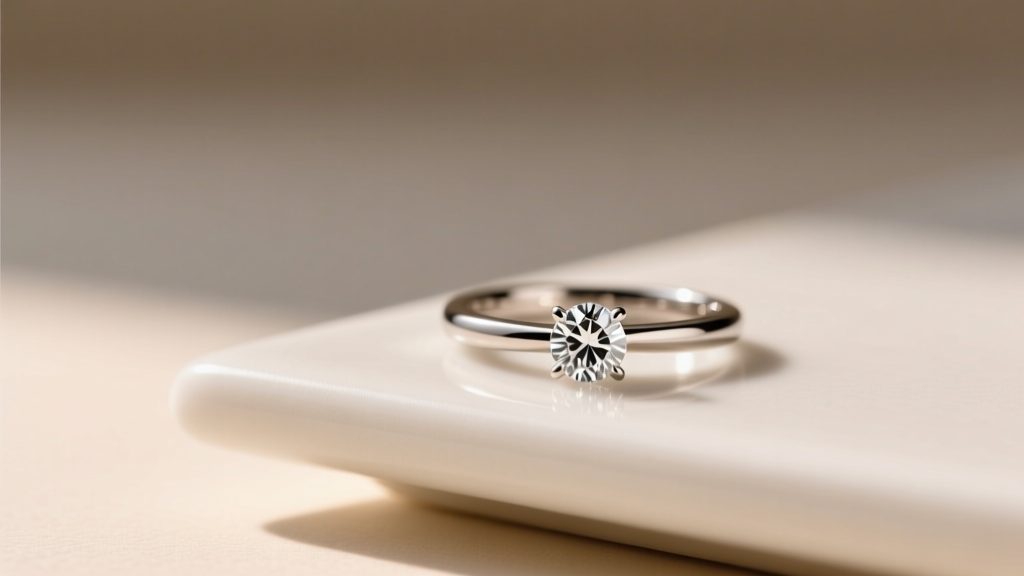 Modern Minimalist Engagement Ring Guide
 Custom Jewelry Planning: A Metalsmith's Roadmap
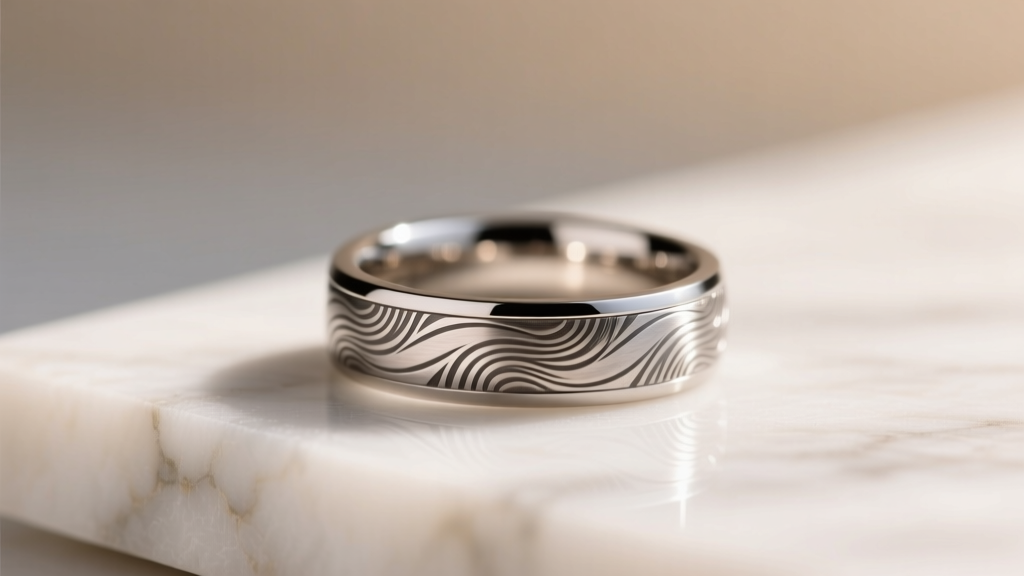 How to Choose a Wedding Band With a Damascus Steel Pattern
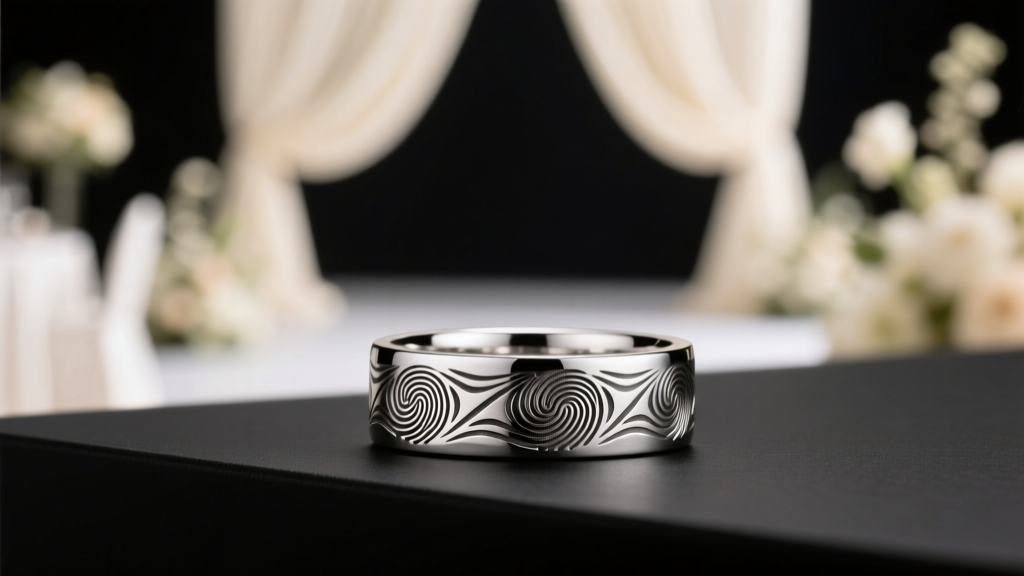 Damascus Steel Wedding Bands Unique Patterns
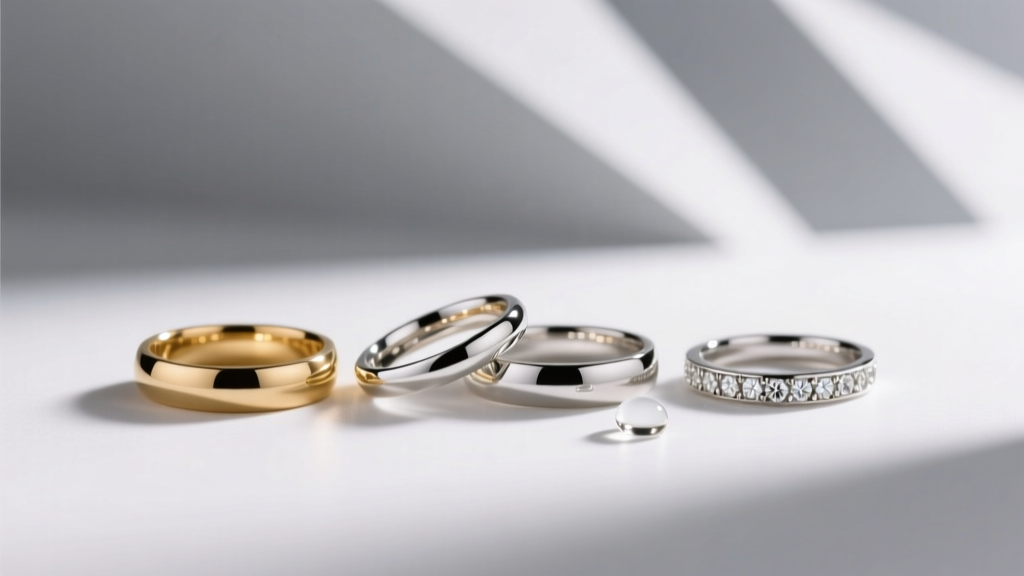 Clean Wedding Rings at Home: 5 Safe Methods (2026)
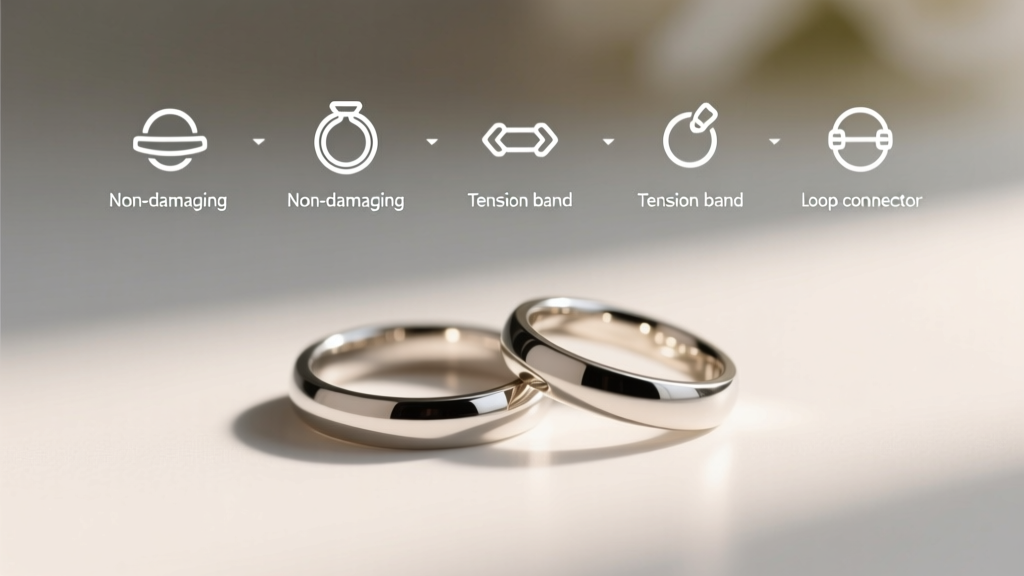 How to Keep Wedding Rings Together Without Soldering
 Clean Your Engagement Ring at Home Safely
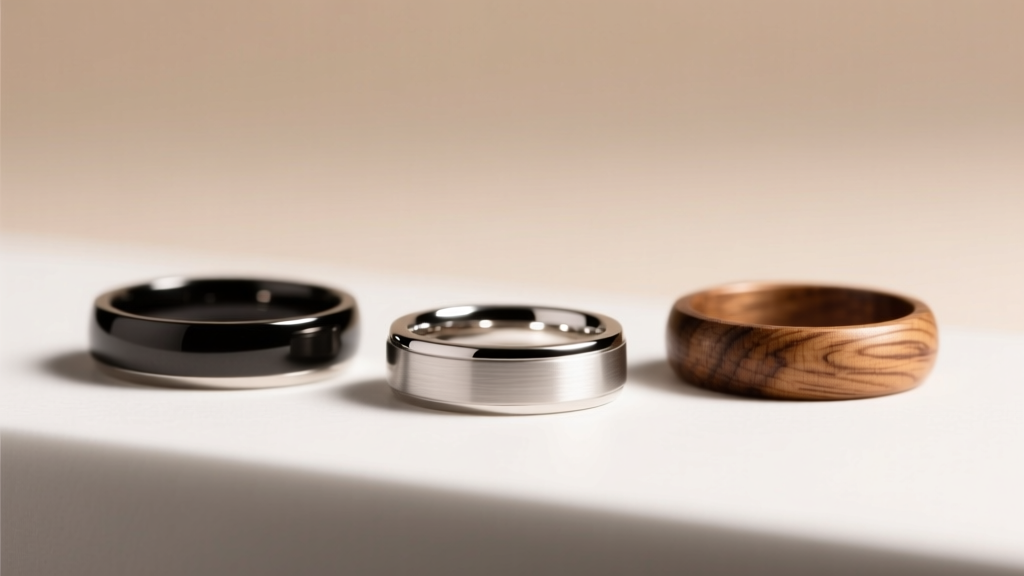 Wedding Ring Metal Options: Truth Behind Gold Alternatives
 Cheap vs Premium Wedding Venues Compared
 How to Clean a Gold Wedding Ring Safely (2026)