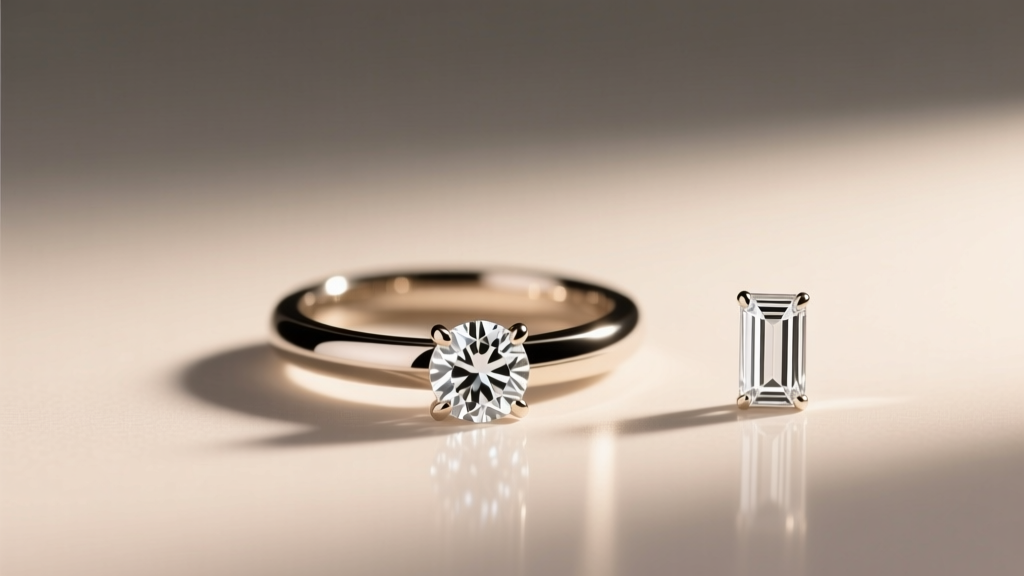
How to Choose an Engagement Ring With a Baguette Side Stone
Baguette side stones have a way of making an engagement ring look instantly polished. Their clean, step-cut facets read as crisp lines of light—more “tailored elegance” than “sparkle overload.” If you love a center stone that feels like the star of the show, baguettes are a smart supporting cast: structured, bright, and quietly luxurious.
This style also matters because baguettes change the way a ring wears and the way it’s built. They affect the ring’s overall width, how secure the center stone feels, how a wedding band sits, and even how often you’ll need maintenance. Choosing the right baguette design is less about chasing a trend and more about matching craftsmanship, proportions, and lifestyle to the look you want for the long haul.
Below is a jeweler’s guide to selecting an engagement ring with baguette side stones—covering cuts, settings, metal choices, diamond quality, price expectations, and the common pitfalls couples run into when shopping.
What Makes a Baguette Side Stone Special?
A baguette is a rectangular step-cut stone (usually a diamond, sometimes a gemstone) with long, parallel facets. Unlike brilliant cuts that “twinkle,” step cuts create broad flashes—often described as a hall-of-mirrors effect. Because of that, baguettes show clarity and cutting precision more readily than rounds or cushions.
Baguette vs. Tapered Baguette
- Straight baguettes are uniform rectangles. They look modern, architectural, and symmetrical—great for clean-lined solitaires and three-stone rings.
- Tapered baguettes narrow toward one end. They naturally frame a center stone and create a flattering, elongated look on the finger. This is one of the most timeless “classic engagement ring” silhouettes.
Why Couples Love the Look
- They enhance the center stone without competing for attention.
- They add finger coverage and make many center stones appear larger.
- They work with both trends and classics—from minimalist solitaires to vintage-inspired settings.
Choosing the Best Center Stone Shape for Baguette Sides
Baguettes play well with many center stones, but the most successful designs match the center stone’s outline and visual “energy.”
Round Brilliant
A round center with tapered baguettes is a forever classic. The contrast is the point: lively brilliance in the middle, crisp flashes on the sides. Choose slightly tapered baguettes to soften the transition from round to band.
Emerald Cut
Emerald cuts and baguettes are step-cut cousins, so they look cohesive and refined. This pairing is popular in today’s “quiet luxury” trend—sleek, minimal, and high-end. Prioritize excellent symmetry and clarity because step cuts reveal more.
Oval, Pear, and Marquise
Elongated center stones already lengthen the finger; tapered baguettes can amplify that effect. Pear and marquise centers look especially elegant with baguettes that angle slightly inward, guiding the eye toward the point.
Princess and Radiant
These shapes have sharper corners and more sparkle. Straight baguettes can look clean and contemporary here, while tapered baguettes can help bridge the transition from square/rectangular center to a rounded shank.
Popular Baguette Engagement Ring Styles (Trendy and Timeless)
Three-Stone Ring (Center + Two Baguettes)
A three-stone engagement ring with baguette side stones is a classic. It offers balance, presence, and meaning (past/present/future) without overwhelming the hand. Tapered baguettes are most common, but straight baguettes feel more modern.
Solitaires with Baguette Accents
Many current designs keep a solitaire feel while adding small baguettes set into the shoulders. This is a great option if you want a clean look from the top but added detail up close.
East-West Baguette Sides
“East-west” means the baguettes are set horizontally across the band. It’s a modern trend that looks bold but still minimalist. This style can widen the look of the ring, so it’s best for those who like a bit more coverage.
Vintage-Inspired (Channel, Milgrain, or Art Deco)
Baguettes are a natural fit for Art Deco-inspired engagement rings. Look for fine milgrain edges, geometric gallery details, and precise stone alignment. These designs can be timeless when executed with clean craftsmanship—not overly fussy.
Settings: How Baguettes Are Held (and Why It Matters)
The setting style influences durability, cleaning, and the ring’s overall vibe.
Prong-Set Baguettes
Prongs let in more light and can make baguettes look brighter. The tradeoff is exposed edges—baguettes have crisp corners and can be vulnerable to chipping if knocked.
Channel-Set Baguettes
Channel settings tuck baguettes between two metal walls, protecting edges and creating a sleek line. This is one of the best options for active lifestyles and for anyone who wants a smooth, snag-resistant engagement ring.
Bezel or Half-Bezel Accents
A bezel is extremely secure and modern-looking. It slightly reduces visible stone surface area, but for baguettes the clean outline often looks intentional and chic.
Bar Setting
Small metal bars separate and secure stones. Bar-set baguettes are popular in contemporary wedding ring stacks because they look airy while staying protected.
Metal Choices: Platinum vs. Gold for Baguette Rings
Baguettes emphasize geometry, so metal color and finish make a bigger visual impact than you might expect.
Platinum
- Pros: Naturally white, dense, excellent for holding stones securely, great for prongs and fine detailing.
- Cons: Usually higher cost; develops a patina over time (many people love this).
14K vs. 18K Gold (White, Yellow, Rose)
- 14K gold: Durable and budget-friendly; ideal for everyday wear and thinner shanks.
- 18K gold: Richer color and slightly heavier feel; softer than 14K, but still suitable with good craftsmanship.
- Yellow/rose gold: Warm contrast makes diamonds pop and feels timeless. Great for vintage-inspired baguette rings.
- White gold: Bright, silvery look (usually rhodium-plated). Plan on periodic re-plating to maintain that crisp white finish.
Diamond Quality Factors for Baguette Side Stones
Baguettes may be small, but they’re not “set and forget.” Their step-cut faceting can reveal mismatches quickly, especially when the pair sits side-by-side.
Cut and Matching
Ask about matched pairs. You want the baguettes to have the same length, width, taper, and faceting pattern. Poor matching can make one side look darker or shorter.
Clarity
Because baguettes are step-cut, inclusions can be easier to spot. Many shoppers are happy around VS2–SI1 for side stones if they’re eye-clean, but higher clarity can be worthwhile if the baguettes are larger or more exposed.
Color
Match the baguettes to your center stone. For a colorless diamond center (D–F), consider baguettes in a similar range. For near-colorless centers (G–I), well-matched baguettes keep the look cohesive without overspending.
Carat Weight and Proportion
Side stones shouldn’t overpower the center. As a general rule, baguettes often look balanced when their combined weight is around 20–40% of the center stone’s carat weight, but proportions matter more than numbers. A good jeweler will show you multiple widths so you can choose “subtle frame” vs. “bold shoulders.”
Fit and Wearability: Wedding Band Pairing Tips
If you’re shopping as a couple (or planning a full bridal set), consider the wedding band early—especially with three-stone designs.
- Check band flush-fit: Some baguette settings and low baskets prevent a wedding band from sitting flush. You may need a contoured band, notched band, or a slightly raised setting.
- Mind the width: Baguette sides add visual width. Pairing with a super-wide wedding band can feel bulky; a slimmer band often stacks more comfortably.
- Match metal and finish: Satin, high polish, or brushed finishes change the look dramatically next to baguettes’ crisp lines.
Price Range and Value Tips
Engagement rings with baguette side stones span a wide range because pricing depends on center stone, metal, and craftsmanship. As a practical guide:
- Budget-friendly: 14K gold setting with small baguette accents and a modest center stone often starts around $1,500–$3,500, depending on center stone choice.
- Mid-range: Larger center stone with tapered baguettes in 14K/18K gold or platinum commonly falls around $3,500–$8,000.
- Higher-end: Platinum, larger matched baguettes, premium cut center stones, or designer-level craftsmanship often ranges $8,000+.
Where the Value Is
- Prioritize center stone cut quality (especially for round brilliant and radiant) and matching for the baguettes.
- Consider 14K gold for durability and cost efficiency if you prefer a thinner band.
- Invest in setting craftsmanship: clean channels, secure prongs, symmetrical stone placement, and a sturdy gallery are what keep baguette rings looking sharp for decades.
Care and Maintenance for Baguette Side Stones
Baguettes have edges and corners that deserve a bit of respect. Good maintenance keeps them bright and secure.
- Clean gently: Warm water, mild dish soap, and a soft toothbrush work well. Brush under the center setting and along the baguette channels where lotion and soap build up.
- Avoid harsh chemicals: Chlorine and strong cleaners can damage metal alloys and dull finishes over time.
- Remove for impact-heavy activities: Gym lifting, rock climbing, gardening, and moving furniture are common times when baguette corners can get hit.
- Professional checks: Have prongs and channel walls inspected about every 6–12 months, especially if you wear the ring daily.
Common Mistakes to Avoid
- Choosing baguettes that don’t match: Even slight differences in length or taper stand out when worn.
- Ignoring ring height and band fit: Many couples buy a wedding band later and discover it won’t sit flush.
- Going too thin on the shank: A very thin band can look delicate, but it may warp over time—especially with side stones adding width and weight.
- Underestimating clarity needs: Step cuts reveal inclusions more readily; don’t assume “small” means “forgiving.”
- Overpaying for side-stone carat weight: With baguettes, precision and matching often matter more than size.
FAQ: Engagement Rings With Baguette Side Stones
Do baguette side stones make the center diamond look bigger?
Yes. Baguettes add length and visual presence across the finger, which can make the center stone appear larger and more substantial—especially with tapered baguettes that draw the eye inward.
Are baguette diamonds less sparkly than round diamonds?
They’re different. Baguettes (step cut) create broader, cleaner flashes of light rather than the “pinfire” sparkle of brilliant cuts. Many people prefer this calmer, elegant look.
What’s the most durable setting for baguette side stones?
A channel setting is typically the most protective because it shields the baguette edges. Bezel and bar settings are also strong choices, depending on the design.
Can I pair a baguette engagement ring with a straight wedding band?
Often yes, but not always. Three-stone settings and low baskets may require a contoured or notched wedding band. Try on bands with the engagement ring (or request a flush-fit design) to avoid gaps.
Do baguette side stones snag on clothing?
They can if the baguettes are prong-set with exposed corners. Channel-set or bezel-set baguettes are smoother and generally more snag-resistant for everyday wear.
Are baguette side stones a trend or a timeless choice?
Both. Baguette accents are having a moment thanks to minimalist and Art Deco-inspired styles, but the classic three-stone ring with tapered baguettes has been popular for generations—and still reads timeless.
Next Steps: How to Choose the Right Ring Confidently
For most couples, the best baguette engagement ring comes down to three decisions: choose a center stone shape you love, select a secure setting style that fits your lifestyle, and insist on well-matched baguette pairs with clean craftsmanship. If you want a forever-classic look, a round or emerald-cut center with tapered baguettes in platinum or 14K gold is hard to beat. If your style leans modern, consider straight baguettes or an east-west accent with a sleek band.
Keep exploring more engagement ring and wedding band guides on weddingsift.com to compare settings, metals, and bridal set pairings before you buy.
More Articles
 Wedding Ring Stack Styling: 7-Step Guide (2026)
 Citrine Engagement Rings Warm Golden Autumn Tones
 How to Choose a Wedding Band With a Satin Finish
 How to Choose a Wedding Band With a Knife Edge Profile
 Rose Gold Wedding Bands Are They Worth the Hype
 Jewelry Buyer Guide: What to Know First
 Wedding Ring Changes: Swap, Resize, or Redesign (2026)
 Jewelry Care FAQ: Wear and Sizing Guide
 Pandora Wedding Rings (2026) & Better Alternatives
 How to Repurpose a Wedding Ring (2026)