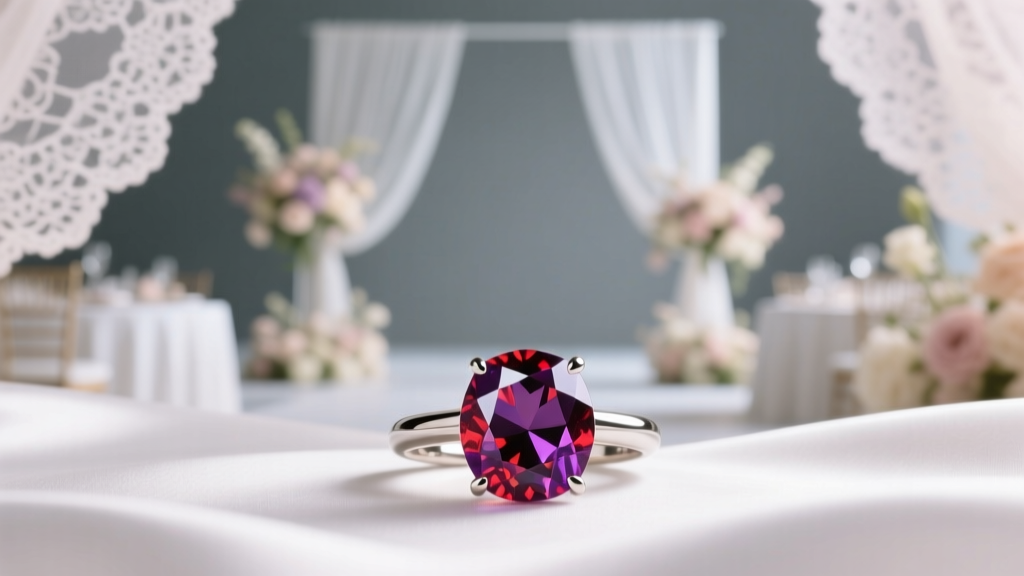
Spinel Engagement Rings Underrated Gemstone Beauty
When couples start shopping for an engagement ring, the conversation usually goes straight to diamonds, sapphires, or maybe emeralds. Spinel rarely makes the shortlist—yet it delivers the very things modern ring shoppers want: standout color, excellent durability for everyday wear, and a refined look that feels both classic and fresh.
Spinel engagement rings are having a quiet moment in bridal jewelry, driven by couples who want a non-traditional gemstone that still feels “forever-worthy.” If you love the idea of a ring that doesn’t look like everyone else’s, but you don’t want to sacrifice practicality, spinel deserves a serious look.
This guide breaks down spinel’s strengths, how to judge quality, which metals and settings work best, and how to buy smart—so you can choose an engagement ring (and matching wedding band) you’ll be proud to wear for decades.
What Is Spinel, and Why Is It Underrated?
Spinel is a naturally occurring gemstone known for its vibrant colors and crisp sparkle. Historically, many famous “rubies” in royal collections turned out to be spinels after modern gem identification—one reason spinel is often called a “misunderstood” gem. Today, that history works in your favor: spinel offers a similar visual punch to ruby or sapphire at a more approachable price, especially in larger sizes.
Spinel’s Durability for Daily Wear
On the Mohs hardness scale, spinel typically ranks around 8, making it a strong candidate for an engagement ring worn daily. It’s harder than many popular gemstones (like garnet or opal) and has good toughness, meaning it’s less prone to chipping than more brittle stones.
Spinel Colors: From Timeless to Trend-Forward
Spinel occurs in a wide range of colors, which is part of its appeal for custom engagement rings:
- Red spinel: Rich, ruby-like, and classic for a romantic look.
- Pink spinel: A bridal favorite, especially in rose gold settings.
- Blue spinel: Elegant, sapphire-adjacent, and ideal for understated color.
- Lavender and purple spinel: Trend-forward, soft, and distinctive.
- Gray or “steel” spinel: Sleek and modern, popular with minimalist settings.
- Black spinel: Bold and graphic, often chosen for alternative bridal style.
Spinel vs. Other Engagement Ring Gemstones
Spinel vs. Sapphire
Sapphire is slightly harder (9 on Mohs) and widely recognized in bridal jewelry. Spinel, however, can offer similar color depth with a different style of brilliance—often a lively, crisp sparkle. Many couples choose spinel because it feels more personal and less expected than sapphire while still being durable.
Spinel vs. Ruby
Fine ruby can be extremely expensive, and many rubies on the market are heavily treated. Spinel can deliver a comparable red or pink look with fewer treatment concerns and a more accessible price per carat.
Spinel vs. Diamond
Diamonds remain the traditional engagement ring centerpiece for maximum brilliance and hardness (10 on Mohs). Spinel doesn’t match diamond’s light return, but it offers saturated color, character, and a distinctive look. For couples building a unique bridal set, a spinel center stone with diamond accents is a popular hybrid approach.
Choosing a Spinel Engagement Ring: Quality Factors That Matter
Color: The Main Value Driver
Color is the biggest factor in spinel pricing and beauty. Look for:
- Saturation: Rich color without looking muddy.
- Tone: Not too dark (which can hide sparkle) and not too light (which can look washed out).
- Evenness: Consistent color across the stone, without obvious zoning.
Hot pinks, vivid reds, and striking cobalt-like blues often command the highest prices.
Clarity: Eye-Clean Is the Sweet Spot
Many spinels are impressively clean. For an engagement ring, prioritize eye-clean clarity—no inclusions visible to the naked eye when viewed from the top. Tiny inclusions are normal; avoid stones with obvious fractures or cloudy areas that dull the gem’s life.
Cut: Where Sparkle and Craftsmanship Show
A well-cut spinel should look bright and balanced, not “windowed” (a see-through area in the center) or overly dark. Popular cuts for spinel engagement rings include:
- Oval: Elongates the finger, timeless and flattering.
- Cushion: Soft corners, vintage feel, great in halos.
- Round: Classic, maximum symmetry, easy to pair with bands.
- Emerald cut: Sleek and architectural; best with high clarity.
- Pear: Romantic and elegant; choose protective settings for the tip.
Carat Size and Finger Coverage
Spinel is available in a range of sizes, though extremely large, top-color stones are rarer. If you want a bigger look without jumping to an oversized center stone, consider an oval or elongated cushion for more finger coverage per carat.
Best Metals and Settings for Spinel Engagement Rings
Metal Choices: Platinum, Gold, and What Works Best
- Platinum: Naturally white, dense, and durable—ideal for secure prongs and daily wear. Pairs beautifully with blue, gray, and red spinel.
- 18k yellow gold: Warm and classic, stunning with red, pink, and orange-leaning spinel.
- 14k gold: A practical choice for active lifestyles; slightly harder due to alloy content.
- Rose gold: Trend-forward and romantic, especially with blush pink or lavender spinel.
- White gold: Bright and versatile; confirm whether it’s rhodium-plated and plan for periodic replating.
Setting Styles: Modern Trends and Timeless Classics
- Solitaire: A single spinel in a clean setting—timeless and lets color shine. Trending now in knife-edge bands and ultra-slim profiles.
- Halo setting: Adds sparkle and visual size; classic choice for colored gemstones. A hidden halo under the center stone is a current favorite.
- Three-stone ring: Symbolic and elegant; spinel center with diamond sides is a popular bridal set style.
- Bezel setting: A protective metal rim around the stone—excellent for active wearers and a modern look.
- Cathedral setting: Raised shoulders add presence and security, great for taller center stones.
Band Pairing Tips: Wedding Bands That Sit Well
Think ahead to your wedding band. If you want a flush fit, ask for:
- Low-profile solitaires with enough clearance for a band
- Cathedral shoulders that lift the head slightly
- Notched or contour wedding bands designed to nest alongside the engagement ring
Price Range and Value Tips for Spinel Rings
Spinel pricing varies widely based on color, size, and cut quality. As a broad guide:
- Commercial-quality spinel: Often budget-friendly and attractive in smaller sizes.
- Fine-quality spinel: Rich color, eye-clean clarity, strong cut—priced higher but still typically below comparable ruby.
- Collector colors (vivid red, intense pink, top blue): Premium pricing, especially above 1–2 carats.
For the full ring, setting cost and metal choice matter just as much as the gemstone. A platinum halo with diamond accents will cost significantly more than a 14k solitaire. To maximize value:
- Spend on cut and color first—these determine beauty at a glance.
- Choose a simple, well-made setting if you want the stone to be the star.
- Consider slightly included but eye-clean stones to save without sacrificing appearance.
- Ask for a lab report (GIA or other reputable labs) for higher-value stones, especially if the price jumps sharply.
Practical Buying Tips: How to Shop Confidently
Ask About Treatments and Origin
Spinel is commonly sold with minimal treatment, which is part of its appeal. Still, always ask the jeweler:
- Is the spinel natural or lab-created?
- Has it been heated or otherwise treated?
- Do you have documentation or a lab report?
Inspect the Stone in Different Lighting
Colored gemstones can shift personality depending on lighting. View the ring in daylight, indoor warm light, and indirect light. A great spinel should keep its charm without looking overly dark.
Prioritize Secure Craftsmanship
For an engagement ring meant for daily wear, craftsmanship is non-negotiable. Check for:
- Even, sturdy prongs (or a solid bezel)
- Smooth finishing around the gallery and band
- Balanced stone setting with no wobble or rattling
Care and Maintenance for Spinel Engagement Rings
Spinel is relatively low-maintenance, but any engagement ring benefits from routine care:
- Cleaning at home: Warm water, mild dish soap, and a soft toothbrush. Rinse and pat dry with a lint-free cloth.
- Avoid harsh chemicals: Remove your ring for cleaning products, chlorine, and beauty treatments.
- Storage: Store separately to prevent scratches from harder stones like diamonds.
- Professional checkups: Have prongs and settings inspected every 6–12 months, especially for pavé or halo rings.
Common Mistakes to Avoid When Shopping for Spinel Rings
- Buying by carat weight alone: Color and cut quality matter more than size for spinel’s beauty.
- Ignoring windowing: A poorly cut stone may look bright at the edges but see-through in the center.
- Choosing an unprotected shape without the right setting: Pears and marquises need protection for pointed tips (V-prongs or bezel).
- Forgetting band compatibility: Some settings leave no room for a wedding band to sit flush.
- Assuming all “blue” spinel looks the same: Blue can range from icy to inky; always view videos or multiple photos in varied lighting.
FAQ: Spinel Engagement Rings
Is spinel durable enough for an engagement ring?
Yes. With a Mohs hardness around 8 and good toughness, spinel holds up well for everyday wear, especially in secure settings like prong solitaires with sturdy prongs or bezel settings.
Does spinel sparkle like a diamond?
Spinel has a bright, lively sparkle, but it won’t match diamond’s level of brilliance and fire. Its appeal is the combination of crisp shine and saturated color.
What metal looks best with a spinel engagement ring?
Platinum and white gold complement blue, gray, and black spinel beautifully. Yellow gold and rose gold enhance warmer tones like red, pink, and lavender. The “best” metal is the one that suits your lifestyle and the spinel color you love.
Are spinels treated or enhanced?
Many spinels are sold with minimal or no treatment, but treatments can exist. Ask for disclosure and consider a lab report for higher-value stones.
How much does a spinel engagement ring cost?
Costs vary widely based on spinel quality, carat size, and setting style. A simple gold solitaire is typically far less than a platinum halo with diamond accents. Focus on color and cut first, then build the setting around your budget.
Can I pair a spinel engagement ring with a diamond wedding band?
Absolutely. Diamond bands are a timeless match for spinel, whether you choose a pavé band, channel-set diamonds, or a classic plain wedding band for a clean contrast.
Spinel Engagement Rings: A Smart, Beautiful Choice
If you want an engagement ring that feels personal, durable, and genuinely distinctive, spinel checks all the right boxes. It offers the romance of rich color, the practicality needed for daily wear, and a refreshing alternative to the most common gemstone choices—without looking trendy in a way that will date quickly.
Start by choosing the spinel color that fits your style, prioritize a quality cut, then select a setting and metal that protect the stone and pair well with your future wedding band. For more expert ring-shopping advice, gemstone comparisons, and bridal set styling tips, explore more jewelry guides on weddingsift.com.
More Articles
 Wedding Band Placement: Top or Bottom in 2026
 How to Get Off a Stuck Wedding Ring Without Panic
 Wedding Ring Set Styling: Fit, Care & Stack Tips (2026)
 Wedding Websites Simplify RSVP Management
 Black Wedding Band Meaning: 7 Truths (2026)
 Couples Rings vs. Really: Decoding the Critical Distinction in Commitment Jewelry
 How to Choose an Engagement Ring With a Low Profile
 Wedding & Engagement Ring Stacking: 7 Pro Rules (2026)
 Jewelry FAQ: Materials, Care & Craftsmanship
 Tungsten Wedding Bands: Emergency Removal & Resizing (2026)