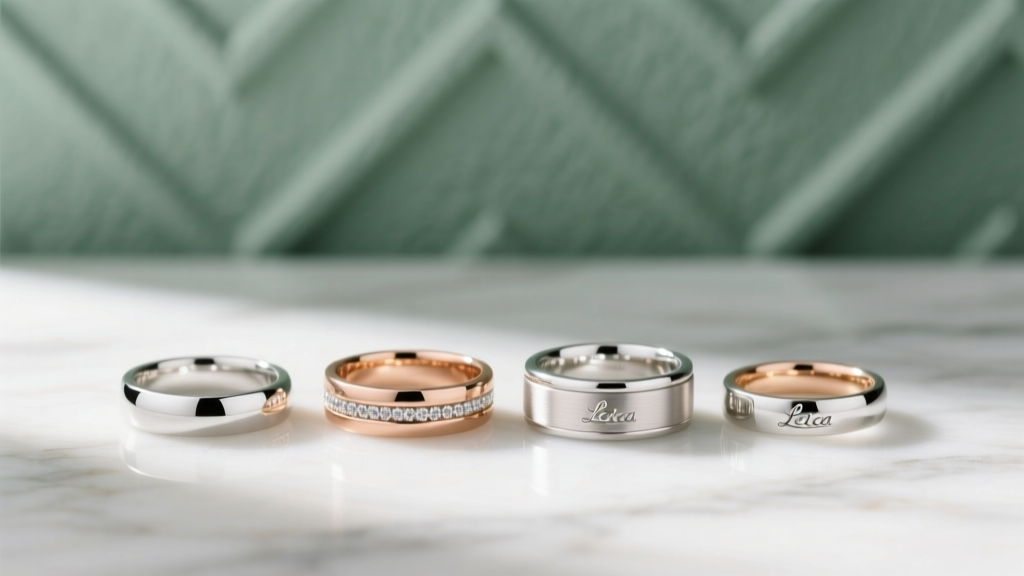
Stackable Wedding Rings How to Create the Perfect Look
Stackable wedding rings have changed the way couples think about bridal jewelry. Instead of choosing one wedding band and calling it done, more people are building a personal “ring wardrobe” that grows with their marriage—an engagement ring plus a wedding band, then an anniversary ring, a push-present band, or a simple diamond stack to mark milestones.
The appeal is both practical and deeply sentimental. Stacking lets you fine-tune comfort, match different outfits or seasons, and create a look that’s uniquely yours—without committing to a single, unchangeable design. It also gives couples flexibility on budget: you can start with a classic band and add accent rings over time.
This guide breaks down how to design a stackable wedding ring set that looks cohesive, feels comfortable, and lasts for daily wear. You’ll learn how to mix metals, choose gemstones and settings, evaluate quality, and avoid the common missteps that cause gaps, scratching, and buyer’s regret.
What Are Stackable Wedding Rings?
A stackable wedding ring set is a combination of rings worn together on the same finger, typically including an engagement ring and one or more wedding bands. Stacks can be symmetrical (one band on each side of the engagement ring), layered (multiple bands on one side), or minimalist (engagement ring plus one fitted band). The best stacks look intentional—balanced in width, profile, and design detail.
Popular Stack Styles Couples Love
- Classic Bridal Stack: Solitaire engagement ring + slim pavé diamond band.
- Contour/Fitted Stack: Engagement ring + curved or notched band that hugs the center stone.
- Mixed-Metal Stack: Yellow gold band paired with a platinum engagement ring for contrast.
- Texture Stack: A polished band plus a hammered or brushed finish band.
- Color Accent Stack: A sapphire or emerald band added for a subtle pop.
Start With the Anchor: Your Engagement Ring
Most stacks are built around the engagement ring, since its center stone and setting define the space and silhouette. Before selecting bands, identify three anchor details:
- Setting profile: Low-profile settings sit close to the finger; high-profile settings have more clearance and may stack more easily.
- Center stone shape: Round, oval, pear, emerald, cushion, and marquise each “pair” differently with bands.
- Band width: A 1.8–2.2mm engagement band often matches well with 1.5–2.5mm stack bands, depending on your style.
Matching Bands to Stone Shapes
- Round: Pairs with nearly everything; straight pavé bands are a timeless choice.
- Oval: Trending strongly right now; looks great with contour bands or a delicate eternity band to echo the elongated shape.
- Pear: Consider a V-shaped (chevron) band to frame the point, or a curved band to follow the outline.
- Emerald cut: A classic for clean lines; try baguette bands, channel-set diamonds, or sleek metal bands for an Art Deco feel.
- Marquise: Works beautifully with curved bands and stacks that emphasize symmetry.
Choosing Metals: Mixing, Matching, and Durability
Metal choice affects color, wear resistance, maintenance, and how a stack feels on the hand. A cohesive stack doesn’t have to be all one metal, but compatibility matters—especially for daily wear.
Yellow Gold (14K vs. 18K)
14K yellow gold is a favorite for stackable wedding rings because it’s durable and slightly lighter in color than 18K. 18K yellow gold has a richer tone and higher gold content, but it’s softer—fine for most wearers, especially if bands aren’t ultra-thin.
White Gold
White gold is usually rhodium-plated for a bright white finish. It’s popular for diamond stacks because it enhances the “icy” look of stones. Plan for periodic replating (often every 12–24 months depending on wear and body chemistry).
Platinum
Platinum is naturally white, dense, and prized for security around stones—excellent for pavé and prong work. It develops a soft patina over time rather than losing metal quickly. It’s also heavier, which some people love and others find noticeable in a multi-ring stack.
Rose Gold
Rose gold remains a romantic classic and is still trending in mixed-metal stacks. Its warm blush tone flatters many skin tones and pairs nicely with morganite, champagne diamonds, and white diamonds for contrast.
Can You Mix Metals in a Stack?
Yes—mixing metals is a modern bridal trend and can look intentional when you repeat a color at least twice (for example, two yellow gold bands with a platinum engagement ring). One caution: very hard metals worn against softer metals can increase wear. Ask your jeweler about metal hardness and whether spacer bands are a smart idea.
Gemstones, Cuts, and Settings That Stack Well
Stacking rings adds visual complexity, so your gemstone and setting choices should balance sparkle with comfort and practicality.
Diamond Accents: What to Look For
- Cut quality: For small accent diamonds (melee), cut still matters for sparkle. Well-matched stones create a clean, “continuous” shimmer.
- Color matching: If your center diamond is G–H color, bands in the G–I range usually blend beautifully.
- Clarity: SI to VS is common for band diamonds; eye-clean is the goal.
Popular Stackable Band Styles
- Pavé bands: Tiny diamonds set with bead or micro-prongs; very sparkly, but needs skilled craftsmanship.
- Channel-set bands: Diamonds secured between metal rails; smoother edges and great for daily wear.
- Eternity bands: Diamonds all the way around; gorgeous but can be harder to resize.
- Half-eternity bands: Diamonds across the top; more resizing flexibility and often better value.
- Baguette and bar-set bands: A sleek, modern look—especially stunning with emerald cut engagement rings.
Colored Gemstones for a Personal Touch
Sapphires (especially blue, pink, and peach) are durable enough for everyday wear (9 on the Mohs scale). Rubies are also excellent. Emeralds are more delicate, so if you love green, consider green sapphire or tsavorite garnet for better durability. For stack bands, look for protective settings like channel or bezel when possible.
How to Build a Stack That Looks Balanced
Great stacks follow a few design rules that jewelers use to keep everything flattering and wearable.
Balance Width and Proportion
If your engagement ring has a thin 1.6–2.0mm shank, stacking with two very wide bands can overpower it. A common sweet spot is:
- Minimalist stack: 1.5–2.0mm band + 1.8–2.2mm engagement ring.
- Statement stack: Mix one slim band with one slightly wider band (2.5–3.5mm) for contrast.
Plan for a Flush Fit (or Choose a Contour Band)
Many engagement rings—especially those with larger center stones or ornate baskets—won’t sit flush with a straight wedding band, causing a visible gap. If you want a seamless look, consider a curved, contour, or notched wedding band designed to nest against the setting.
Use a Spacer Band When Needed
A thin plain metal spacer (often 1.0–1.5mm) between rings can reduce rubbing and protect delicate pavé from abrasion. This is especially useful when stacking multiple diamond bands.
Quality and Craftsmanship: What Matters Most
Stackable wedding rings are worn together every day, so build quality is non-negotiable.
Pavé and Prong Work
Look for even prongs/beads, consistent stone spacing, and smooth edges. Poor pavé work can snag and can lead to lost stones over time. Ask whether the band is hand-set or cast-set—hand-set often indicates higher labor and finer finishing.
Comfort Fit and Edge Finishing
Comfort-fit interiors (slightly rounded inside) can make a multi-ring stack feel noticeably better. Also check the side profile: sharp edges may irritate neighboring fingers when you add more bands.
Resizing and Future Flexibility
If you plan to add anniversary bands later, choose a stack strategy that can evolve. Half-eternity bands and plain metal bands are typically easier to resize than full eternity styles.
Price Ranges and Value Tips
Stackable wedding ring prices vary widely based on metal, diamond weight, setting style, and brand. Here are realistic starting points for many shoppers:
- Plain stacking band (14K gold): often $150–$500 depending on width and maker.
- Diamond pavé or half-eternity band: often $500–$2,000+ depending on total carat weight and craftsmanship.
- Platinum bands: commonly 30–60% more than comparable gold styles.
- Custom contour band: can add cost, but often improves wearability and the finished look.
How to Get the Best Value
- Prioritize craftsmanship over maximum carat weight in pavé bands—secure setting work saves money long-term.
- Consider lab-grown diamonds for stacking bands if you want more sparkle for the budget; they can be a strong value while maintaining the same visual impact.
- Build over time: start with one excellent wedding band now and add an anniversary band later.
- Choose half-eternity for daily wear: often more comfortable and easier to service.
Care and Maintenance for Stackable Rings
Stacks experience more friction than a single ring, so maintenance keeps them looking brilliant and prevents damage.
- Clean at home weekly: soak in warm water with mild dish soap, use a soft toothbrush, rinse, and dry with a lint-free cloth.
- Avoid harsh chemicals: remove rings for cleaning products, chlorine, and beauty products that can dull metal and trap residue.
- Schedule professional checks: have prongs and pavé inspected every 6–12 months, especially if you wear your rings daily.
- Store smart: separate rings in a pouch or ring box compartments to prevent scratching.
Common Mistakes to Avoid When Shopping
- Buying bands without trying them with your engagement ring: small differences in height and profile can create awkward gaps or discomfort.
- Going too thin for daily wear: ultra-thin bands (around 1.2–1.4mm) can bend more easily, especially in stacked sets.
- Ignoring lifestyle: very delicate micro-pavé may not suit hands-on jobs or frequent gym use without extra care.
- Choosing full eternity without considering resizing: finger sizes can change; discuss future service options first.
- Mixing metals without a plan: mixed metal stacks look best when they’re intentional and repeated, not random.
FAQ: Stackable Wedding Rings
How many rings can you stack comfortably?
Most people find 2–3 rings comfortable for daily wear (engagement ring plus one or two bands). Four or more can work if the bands are slim, low-profile, and comfort-fit, but the stack may feel bulky for active lifestyles.
Should wedding bands match the engagement ring metal?
Matching metals creates a seamless, classic bridal set. Mixed metals are also popular and very on-trend—just keep the look cohesive by repeating metal tones and checking how the metals will wear against each other.
What’s the best wedding band style for a low-profile engagement ring?
A contour, curved, or notched band is often the best solution for a snug fit without a gap. Channel-set or bezel details are also great if you want sparkle with fewer snag points.
Are eternity bands practical for everyday wear?
Eternity bands are beautiful but can be less practical if you need resizing, and stones on the palm side may feel exposed. Many couples choose half-eternity bands for a similar look with easier maintenance and comfort.
Can I add an anniversary band later without it looking mismatched?
Yes—choose a “base” stack with consistent widths and metal tone, then add a complementary ring later (for example, a baguette band to contrast a pavé band). Keeping one unadorned metal band in the stack also helps everything blend.
Do stackable rings damage each other?
They can. Rings rub together, which may cause scratching or wear—especially with multiple diamond bands. A thin spacer band and regular inspections help reduce damage and keep settings secure.
Next Steps: Build a Stack That’s Personal and Built to Last
The perfect stackable wedding ring look comes down to thoughtful balance: a strong anchor engagement ring, bands that fit flush (or are intentionally contoured), durable materials, and craftsmanship that stands up to everyday life. If you want a timeless look, stick to a classic solitaire with a slim pavé or channel-set wedding band. If you love current trends, try mixed metals, baguette accents, or a subtle sapphire band for color and personality.
When you’re ready, try on bands with your engagement ring, ask about resizing and maintenance, and choose quality you’ll feel confident wearing every day. Explore more jewelry guides, wedding ring tips, and engagement ring inspiration on weddingsift.com.
More Articles
 Wedding Ring Cleaning: 90-Second Pro Method (2026)
 Moissanite vs Diamond: Honest 2026 Guide
 Wedding Ring Care Tips From Professional Jewelers
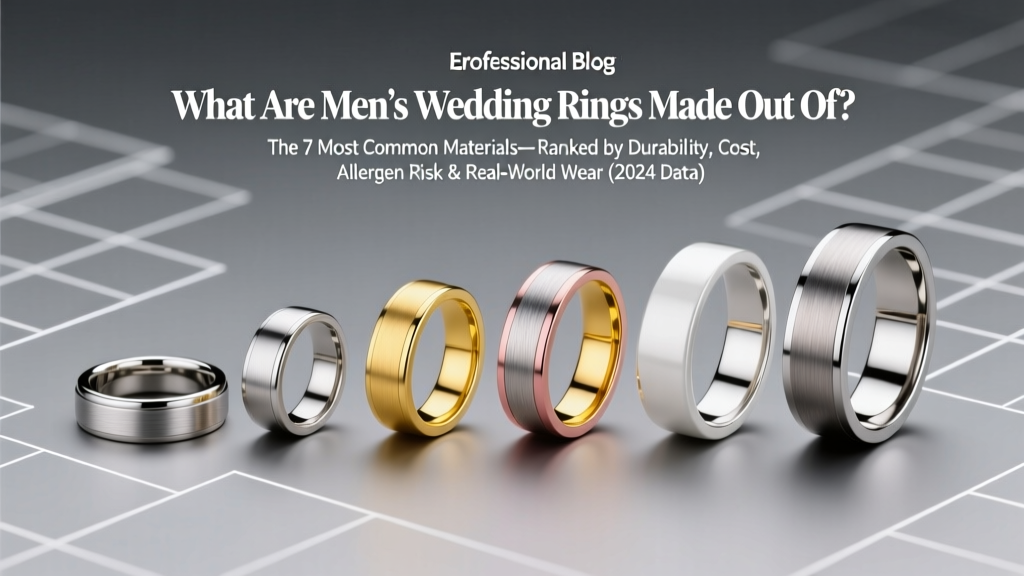 Men’s Wedding Rings Materials: Top 7 (2026)
 Men's Wedding Ring Fit: The 5-Second Test (2026)
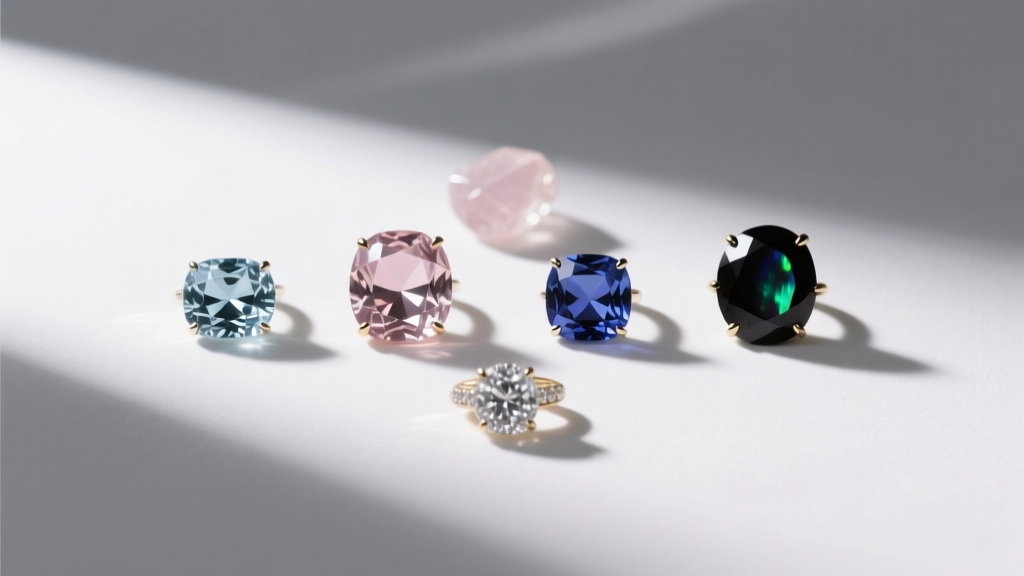 Alternative Engagement Stones Beyond Diamonds
 How to Accessorize a Strapless Wedding Dress
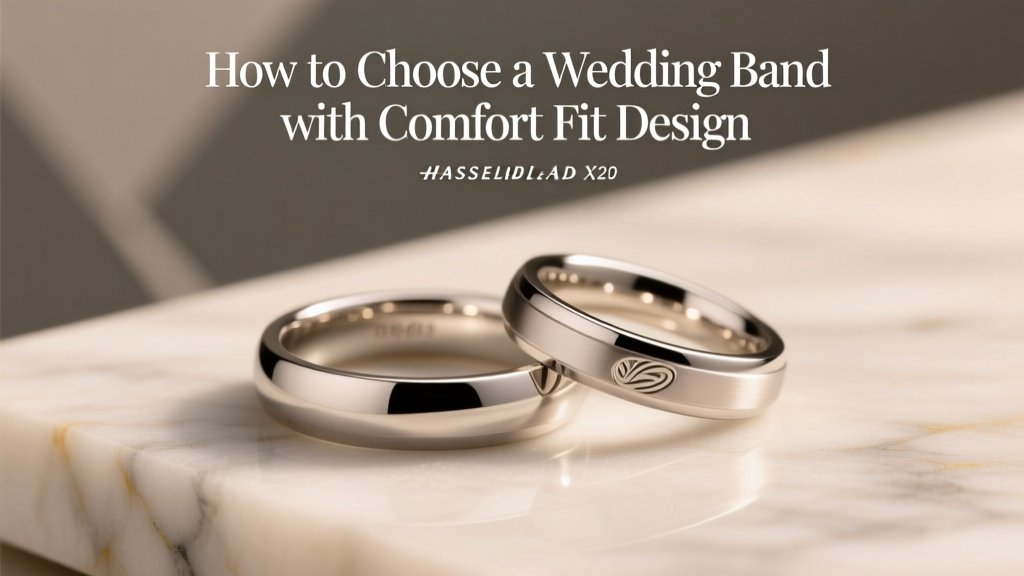 How to Choose a Wedding Band With Comfort Fit Design
 How To Remove A Wedding Ring From A Swollen Finger
 How to Plan a Ring Shopping Experience as a Surprise