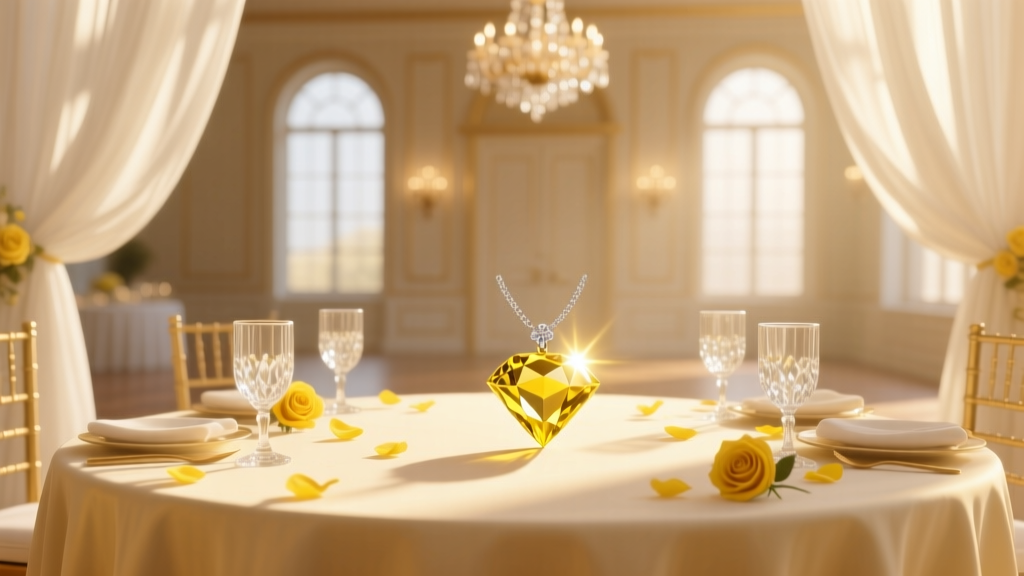
Yellow Diamond Sunshine and Warmth
Yellow diamonds have a way of making engagement rings feel instantly personal. The color reads as sunshine—optimistic, flattering on the hand, and eye-catching without being loud. For couples who want a ring that feels romantic yet distinctive, a yellow diamond can deliver that “classic with a twist” look that photographs beautifully in both natural daylight and candlelit receptions.
There’s also a practical side to their appeal. Yellow diamonds can offer excellent visual impact at a range of budgets, especially when you understand how color intensity, cut, and setting work together. This guide breaks down what couples should know before choosing a yellow diamond engagement ring or wedding band—from quality factors and popular styles to pricing, care, and the most common shopping mistakes.
What Makes a Yellow Diamond Special?
A yellow diamond is a natural diamond whose color is caused mainly by trace nitrogen. In white diamonds, buyers typically aim for minimal color. With yellow diamonds—especially “fancy color” diamonds—color is the feature. That’s why the shopping criteria shift: you’re balancing color beauty, sparkle, and design in a slightly different way than with a traditional colorless diamond.
Fancy yellow vs. “warm” white diamonds
Not every diamond that looks yellow is a fancy yellow diamond. Diamonds in the normal color range (commonly graded D through Z) can show warmth in the lower grades (like S–Z). These stones may appear softly tinted, but they are not classified as fancy color diamonds. True fancy yellow diamonds are graded on a separate color scale focused on hue and intensity (such as Fancy Light, Fancy, Fancy Intense, and Fancy Vivid).
Yellow Diamond Quality Factors: Color, Cut, Clarity, and Carat
Color: the main event
For yellow diamonds, color is usually the top priority. Labs like GIA grade fancy colors by:
- Hue (yellow, orangy yellow, greenish yellow, etc.)
- Tone (how light or dark the color appears)
- Saturation (how vivid or intense the color looks)
Many couples gravitate toward Fancy Intense Yellow or Fancy Vivid Yellow because they give that unmistakable golden glow even from across the room. Lighter grades can be beautiful too—especially if you prefer a softer, airy look or want a larger carat weight for the same budget.
Cut: how yellow diamonds get their glow
Cut affects two things: sparkle (brilliance) and how strongly the body color presents. Some shapes enhance color better than others. In general, fancy shapes—especially those with deeper pavilions—tend to show richer color than round brilliants.
- Radiant cut: A top choice for yellow diamonds; it blends strong sparkle with excellent color return.
- Cushion cut: Romantic and timeless; can make yellow look warm and buttery, with a softer scintillation pattern.
- Oval and pear: Elegant, finger-lengthening shapes; can show color beautifully when well cut.
- Round brilliant: Maximum sparkle, but may face up slightly lighter in color than a comparable radiant or cushion.
- Emerald and Asscher: Step cuts highlight clarity and can show color evenly; best for those who love a sleek, architectural look.
Ask to see the diamond in different lighting (daylight, indoor, warm LED) and view it face-up and from the side. A well-cut yellow diamond should look lively, not flat or sleepy.
Clarity: you can often go lower (smartly)
Because yellow diamonds carry color, many inclusions are less noticeable than in icy white diamonds—especially in brilliant-style cuts. For most engagement rings, VS2 to SI1 can be a strong value zone if the diamond is eye-clean. Step cuts (emerald/Asscher) may need higher clarity because their open facets make inclusions easier to spot.
Carat: size, spread, and setting balance
Carat weight affects price, but shape and depth affect how large a diamond looks. A shallow stone may look bigger but can lose performance; a deep stone may carry color well but face up smaller. Try to judge size by millimeters, not just carats, and think about how the diamond’s footprint fits your partner’s hand and your wedding band pairing.
Metal Choices That Enhance Yellow Diamonds
Yellow gold: seamless warmth
Yellow gold is a natural partner for yellow diamonds, creating a rich, continuous golden palette. It’s ideal if you want the diamond’s color to read deeper and more cohesive. 14K yellow gold offers durability for daily wear; 18K yellow gold looks richer but is slightly softer.
White gold and platinum: contrast and brightness
White metals can make a yellow center stone stand out through contrast. Many jewelers use a two-tone approach—white prongs with a yellow gold shank—to keep the diamond looking bright and to minimize any yellow reflection into side stones.
- Platinum: Naturally white, dense, and long-wearing; a favorite for prongs and heirloom-level craftsmanship.
- White gold: Usually rhodium plated for a crisp finish; expect periodic replating depending on wear.
Rose gold: romantic, modern warmth
Rose gold is trending for engagement rings and stackable wedding bands. With yellow diamonds, rose gold creates a soft sunset effect—best when the diamond’s hue is a pure yellow or slightly orangy yellow. If the diamond has a greenish tint, rose gold may emphasize it more than you’d like.
Best Engagement Ring Settings for Yellow Diamonds
Halo settings (classic sparkle with a color pop)
Halos remain a staple in bridal jewelry trends because they amplify size and sparkle. A white diamond halo around a yellow center creates crisp contrast and makes the yellow look more saturated. For a more vintage feel, consider a cushion yellow center with a delicate micropavé halo.
Solitaire settings (timeless and modern)
A solitaire yellow diamond engagement ring is clean, iconic, and easy to pair with almost any wedding band. A four-prong or six-prong head in platinum or white gold can keep the look bright, while a yellow gold basket can subtly intensify the diamond’s warmth.
Three-stone rings (symbolism and balance)
Three-stone engagement rings are meaningful (past, present, future) and visually substantial. Popular pairings include a yellow center with white diamond side stones, or a yellow center with tapered baguettes for a sleek, contemporary silhouette.
Bezel and half-bezel settings (secure and sleek)
For active lifestyles, bezel settings offer excellent protection. They also frame the color beautifully, giving the ring a smooth, modern profile that’s comfortable for daily wear.
Matching Yellow Diamond Engagement Rings With Wedding Bands
Couples often overlook band compatibility until the last minute. If your engagement ring sits low, a straight wedding band may not sit flush. Consider:
- Contoured or curved wedding bands to hug a halo or low-set center
- Chevron (V-shaped) bands for elongation and a stylish stack
- Pavé wedding bands in white diamonds to echo a halo or add extra sparkle
- Plain gold bands for a timeless, low-maintenance pairing
Mixing metals is also very current—yellow gold engagement ring with a platinum wedding band, or vice versa—when done intentionally and matched by design details (like milgrain or shared prong styles).
Price Range and Value Tips for Yellow Diamonds
Yellow diamond pricing varies widely based on whether the diamond is in the normal color range (D–Z) or is a true fancy color. As a broad guide for engagement rings:
- Warm-tinted diamonds (near the end of D–Z): Often more affordable than colorless diamonds, especially in larger sizes.
- Fancy Light to Fancy Yellow: Typically mid-range; strong choice for couples who want visible color without the premium of top intensity grades.
- Fancy Intense / Fancy Vivid Yellow: Premium pricing; sought after for saturated, unmistakable color.
For the best value, many couples choose a slightly smaller carat with higher color intensity, or select a shape like radiant or cushion that presents color strongly. Another smart approach is prioritizing an eye-clean clarity grade rather than paying for ultra-high clarity you won’t notice in daily wear.
Practical Buying Tips: What to Ask Before You Buy
- Request a grading report from a respected lab (GIA is widely trusted for color grading of fancy diamonds).
- Ask whether the diamond is natural or treated. Some diamonds are color-enhanced; treated stones can be beautiful but should be priced accordingly and disclosed clearly.
- View the diamond in multiple lighting conditions. Yellow can shift from lemony to honey depending on light temperature.
- Check the setting craftsmanship: prong symmetry, secure pavé work, smooth edges, and a comfortable inner band (especially for daily wear).
- Plan for your wedding band: try rings on together or confirm band fit with measurements and photos.
Care and Maintenance for Yellow Diamond Rings
Diamonds are durable, but settings and small accent stones need care. Keep your yellow diamond engagement ring and wedding band looking bright with:
- At-home cleaning: warm water, mild dish soap, and a soft toothbrush. Rinse well and pat dry with a lint-free cloth.
- Avoid harsh chemicals: bleach and abrasive cleaners can damage metal finishes and erode prongs over time.
- Regular inspections: have prongs and pavé checked every 6–12 months, especially for halos and micropavé bands.
- Safe storage: store rings separately to prevent scratching other jewelry, especially if you stack rings.
Common Mistakes to Avoid When Shopping for Yellow Diamond Jewelry
- Buying by carat alone: a larger diamond with weak color can look less impressive than a smaller, more vivid stone.
- Ignoring the setting’s impact on color: yellow gold can intensify warmth; white metal can boost contrast. Choose intentionally.
- Overpaying for clarity: if a diamond is eye-clean, ultra-high clarity may not add visible beauty.
- Not confirming natural vs. treated color: always ask and get it in writing on documentation.
- Forgetting band compatibility: halos and low-set baskets often need a curved wedding band for a clean stack.
FAQ: Yellow Diamond Engagement Rings and Wedding Bands
Are yellow diamonds real diamonds?
Yes. Natural yellow diamonds are genuine diamonds with color caused by trace elements. Some yellow diamonds are color-treated; they’re still diamonds, but the color origin and pricing should be disclosed clearly.
What metal looks best with a yellow diamond engagement ring?
Yellow gold creates a seamless warm look, while platinum or white gold creates contrast and can make the yellow center stand out. Two-tone settings are popular because they blend warmth with crisp brilliance around the stone.
Which cut is best for a yellow diamond?
Radiant and cushion cuts are favorites because they can show strong color and sparkle. Step cuts like emerald can look very refined, but they emphasize clarity and produce a calmer flash.
How do I choose the right shade of yellow?
Decide whether you want a soft pastel yellow (lighter intensity) or a bold golden hue (Fancy Intense/Vivid). View stones side-by-side and in different lighting to see which shade feels most flattering on your skin tone.
Do yellow diamond rings need special care?
Care is similar to other diamond rings: gentle soap-and-water cleaning, avoid harsh chemicals, and schedule routine prong checks—especially for halos and pavé wedding bands.
Can I pair a yellow diamond engagement ring with a plain wedding band?
Absolutely. A plain 14K or 18K gold band is a timeless match and keeps the focus on the center stone. If you want extra sparkle, a slim pavé band in white diamonds is also a popular bridal trend.
Your Next Step: Choosing Sunshine You’ll Wear for Life
A yellow diamond engagement ring brings warmth, individuality, and a joyful glow that stands out in a sea of traditional white diamonds. Focus first on color intensity and a cut that shows that color beautifully, then choose a setting and metal that supports your style—whether that’s a timeless solitaire, a classic halo, or a modern bezel.
If you’re comparing options for engagement rings, wedding bands, or a coordinated bridal set, explore more jewelry guides on weddingsift.com to find the style and craftsmanship details that fit your story.
More Articles
 Rachel McAdams Wig in Wedding Crashers? (2026)
 How to Choose an Engagement Ring With an Oval Diamond
 Marquise Diamonds Elongating Finger Appearance
 Wedding Ring Cleaning Schedule: Science-Backed (2026)
 Wedding Band Metals: Gold vs Platinum 2026
 How to Choose a Wedding Band With Comfort Fit Design
 Chicago Wedding Ring Stores (2026) | Verified Jewelers
 How to Accessorize a Strapless Wedding Dress
 Is Zirconium Good for Wedding Rings? (2026)
 How to Choose an Engagement Ring With a Hidden Halo