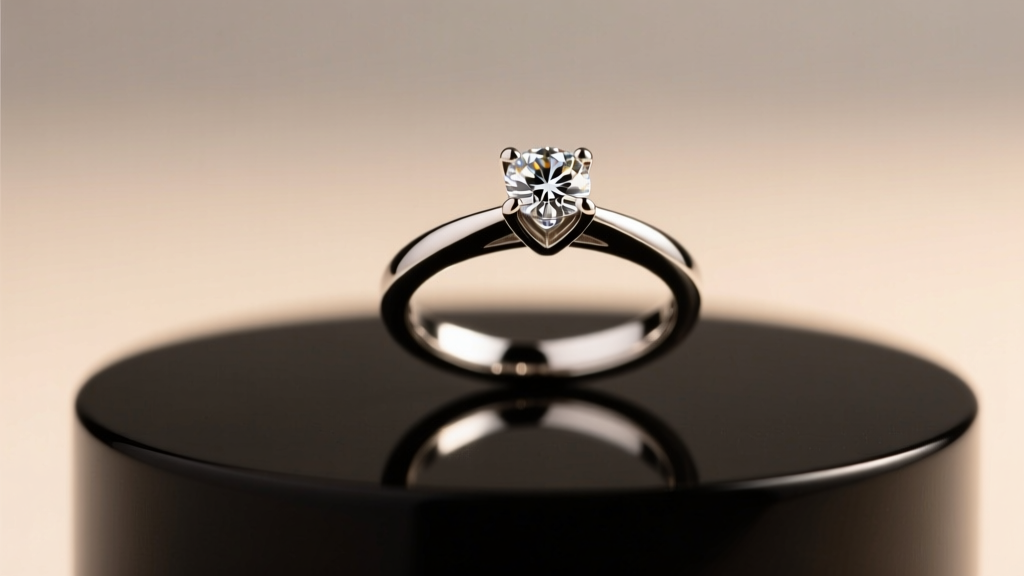
Diamond Tension Settings Modern and Minimalist Style
Few engagement ring settings look as clean and architectural as a diamond tension setting. Instead of prongs or a bezel, the gemstone appears to “float” between two ends of a band. The effect is striking: a modern, minimalist engagement ring that feels engineered as much as it is romantic.
That sleek look comes with real craftsmanship behind it. A true tension setting relies on carefully calibrated metal pressure to hold the diamond securely, and small differences in metal choice, ring design, and diamond cut can affect both durability and how bright the stone looks. If you’re shopping for engagement rings or wedding bands and want something contemporary yet wearable, understanding how tension settings work will help you choose confidently.
This guide breaks down what makes a diamond tension setting special, how to assess quality, which metals and diamond shapes perform best, and how to avoid common shopping mistakes—so you can get the minimalist style you love without compromising on everyday security.
What Is a Diamond Tension Setting?
A tension setting is a ring design where the band itself holds the diamond in place using compression. The center stone sits in a precisely cut “seat” at each side of the opening, and the ring’s spring-like tension grips the diamond at its girdle (the widest edge of the stone). To the eye, the diamond appears suspended with open space around it, allowing light to enter from multiple angles.
Tension Setting vs. “Tension-Style” Rings
Not every ring that looks like a tension setting is a true tension setting. Some “tension-style” rings use hidden prongs, a partial bezel, or other support elements for extra security while keeping a similar floating look. Both can be excellent choices—what matters is knowing which one you’re buying:
- True tension setting: The diamond is held primarily by the band’s calibrated pressure. Requires precise engineering and specific metals.
- Tension-style setting: Looks similar but includes additional support (often safer for very active lifestyles and easier for repairs).
Why Couples Love Tension Settings for Engagement Rings
Minimalist engagement rings continue to trend, especially among couples drawn to clean lines, mixed metals, and contemporary design. A tension setting fits right into that aesthetic while still centering the diamond as the main feature.
Key Style Benefits
- Modern silhouette: No prongs to break up the outline; the band and diamond read as one sculptural piece.
- Maximum light exposure: Open sides allow light to reach the diamond, supporting strong sparkle when the stone is well cut.
- Comfortable, low visual bulk: Even with a sizable carat, the ring can look streamlined and understated.
- Great for matching wedding bands: Many designs pair beautifully with a simple metal band or a contoured wedding band.
Best Metals for Diamond Tension Settings
Metal choice isn’t just about color—it directly affects how secure a tension setting can be. Tension settings need metals with the right combination of strength, elasticity, and long-term stability.
Platinum
Best for durability and longevity. Platinum (typically 950 platinum) is dense and tough, and it wears by developing a patina rather than thinning quickly. It’s a timeless choice that works beautifully for modern engagement rings because it feels substantial and premium.
18K Gold (White, Yellow, or Rose)
Excellent balance of luxury and strength. 18K gold contains 75% pure gold alloyed with other metals for durability. For tension settings, 18K is often preferred over 14K for high-end craftsmanship, though the exact performance depends on the alloy formulation.
14K Gold
Durable and budget-friendly. 14K gold is harder than 18K due to a higher proportion of alloy metals. Many couples choose 14K for everyday engagement rings. For tension designs, confirm the manufacturer specifically rates the ring for tension setting use.
Titanium and Stainless Steel (With Caution)
These can be strong and lightweight, but sizing and repairs can be difficult. If you love the industrial look, consider a tension-style ring with added support, especially for a diamond engagement ring you plan to wear daily.
Metals to Avoid for True Tension Settings
Very soft metals or designs that remove too much metal around the opening can compromise stability. Also, extremely thin bands may not provide enough structural strength for a true tension hold.
Diamond Choices That Work Best in Tension Settings
A tension setting puts more attention on the diamond’s outline and precision. Choosing the right cut and quality factors helps ensure both beauty and security.
Best Diamond Shapes
- Round brilliant: A classic choice; excellent sparkle and forgiving in many settings.
- Princess cut: Crisp, modern edges that suit minimalist styles, but corners must be protected by the seat design.
- Emerald cut: A favorite in modern engagement ring trends; shows elegant “hall of mirrors” flashes. Needs a well-proportioned stone and expert setting alignment.
- Oval: Contemporary and flattering on the finger, with a softer look than a round while still sparkling strongly.
Cut Quality Matters More Than Ever
Because tension settings expose the diamond from the sides, you’ll notice light performance and symmetry. Prioritize cut grade and proportions. For round diamonds, look for Excellent/Ideal cut when possible. For fancy shapes, evaluate symmetry, polish, and overall face-up brilliance.
Clarity and Color Tips
- Clarity: Many couples find VS2–SI1 a sweet spot for value, as long as the diamond is eye-clean. In open settings, avoid inclusions near the girdle if possible.
- Color: White metals (platinum/white gold) typically pair well with G–I color for a bright look. Yellow or rose gold can allow you to go slightly warmer (H–J) while still looking beautiful.
Girdle Thickness and Setting Security
The girdle is the contact point in a tension setting. Extremely thin girdles may be more vulnerable, while extremely thick girdles can add weight without increasing beauty. Aim for a medium to slightly thick girdle, and confirm with your jeweler that the diamond’s measurements are suitable for tension mounting.
Craftsmanship and Quality Checks to Look For
Tension settings are precision work. Small differences in finishing and engineering affect how well the ring performs over time.
What a Well-Made Tension Setting Should Include
- Precise seats: The diamond should sit evenly with symmetrical contact on both sides.
- Balanced gap: The opening should look intentional and even, not forced or uneven.
- Smooth interior (comfort fit): Many modern rings use comfort-fit shaping for daily wear.
- Reputable documentation: For center stones, prefer GIA or AGS grading reports (or IGI for many lab-grown diamonds).
Consider a Tension Setting With a Safety Design
Some contemporary tension-style engagement rings add subtle support—like a hidden bridge under the diamond—without changing the minimalist look. For couples with active lifestyles, this can be the best of both worlds: the floating aesthetic with extra security.
Pairing a Tension Engagement Ring With Wedding Bands
Because tension settings often have a distinctive silhouette, band pairing is worth planning early—especially if you want a perfectly flush fit.
- Classic match: A simple polished wedding band in the same metal for a clean, timeless stack.
- Modern trend: Mixed metals (platinum engagement ring with a yellow gold band) for contrast and personality.
- Shaped/contoured band: Designed to follow the engagement ring’s curve if the setting prevents a straight band from sitting flush.
- Pavé band (use restraint): Adds sparkle, but the overall look is less minimalist and may increase maintenance.
Practical Buying Tips for Diamond Tension Settings
Ask These Questions Before You Buy
- Is this a true tension setting or a tension-style design with hidden support?
- Which metals does the brand recommend for this setting, and why?
- Can the ring be resized? If so, how much (and what are the limitations)?
- What warranty, maintenance, or inspections are included?
- Is the diamond insured and fully documented with a grading report?
Think About Lifestyle
If you work with your hands, travel often, or plan to wear your engagement ring nonstop, choose a design known for stability and ask about protective engineering. A minimalist ring shouldn’t mean a fragile ring.
Care and Maintenance: Keeping a Tension-Set Diamond Secure
- Schedule inspections: Have a jeweler check the ring at least once a year to confirm the diamond is seated properly.
- Clean gently: Warm water, mild soap, and a soft brush work well. Rinse thoroughly and dry with a lint-free cloth.
- Avoid harsh chemicals: Chlorine and strong cleaners can damage metals and finishes over time.
- Remove for high-impact activities: Weightlifting, rock climbing, and certain sports can stress the ring or expose it to sharp impacts.
- Store smart: Keep it in a soft pouch or separate compartment so it doesn’t scratch other jewelry (or get scratched by it).
Price Range and Value Tips
Pricing for diamond tension settings varies widely because you’re paying for both the diamond and the precision of the mounting. As a general guide:
- Setting alone: Often starts around $800–$2,500 for gold and $1,200–$4,000+ for platinum, depending on brand and engineering.
- Complete engagement ring: Frequently falls in the $2,500–$10,000+ range, driven mostly by diamond carat, cut quality, and whether the diamond is natural or lab-grown.
How to Get Better Value
- Prioritize cut over size: A well-cut diamond will look brighter and often larger face-up than a poorly cut bigger stone.
- Consider lab-grown diamonds: Lab-grown options can offer larger carat weight or higher color/clarity for the same budget, and they look identical to natural diamonds.
- Choose smart clarity: Eye-clean SI1 or VS2 can be an excellent value in a minimalist setting.
- Don’t overpay for complexity you won’t use: If you prefer a clean band, skip elaborate side stones and invest in a stronger metal or better diamond cut.
Common Mistakes to Avoid
- Assuming all “floating” diamonds are true tension settings: Ask for details on how the stone is held and what the setting is rated for.
- Choosing the wrong metal for the design: Some metals and alloys aren’t ideal for maintaining long-term tension.
- Ignoring diamond measurements: The ring must be engineered to the diamond’s exact dimensions; mismatches can affect security and appearance.
- Buying too thin of a band: Ultra-thin minimalist bands can be trendy, but tension designs need structure.
- Forgetting about resizing: Many tension rings have limited sizing ranges. Plan ahead if your fingers swell seasonally or if the ring is a surprise proposal with an estimated size.
- Skipping maintenance: Even the best engagement ring benefits from periodic professional checks.
FAQ: Diamond Tension Settings
Are tension-set diamonds secure?
When engineered correctly in the right metal and made to match the diamond’s exact measurements, tension settings can be very secure. Security depends heavily on craftsmanship and proper maintenance, so choose a reputable jeweler and schedule inspections.
Can a tension setting be resized?
Many can be resized, but usually within a limited range. Resizing can affect the ring’s tension, so it should be done only by a jeweler experienced with tension settings (often the original manufacturer).
What diamond shapes work best in tension settings?
Round brilliant, oval, princess, and emerald cut diamonds are common. The best choice depends on the design and how the seats protect the stone’s edges—especially important for corners in princess cuts.
Do tension settings make diamonds sparkle more?
They can enhance light entry because the sides of the stone are open. Sparkle still depends primarily on diamond cut quality and how clean the stone is kept, so prioritize an excellent cut and regular cleaning.
Is a tension setting good for everyday wear?
Yes, if you choose a well-made ring in a suitable metal and you’re realistic about taking it off for high-impact activities. For very hands-on lifestyles, a tension-style setting with added support can be a practical choice.
Do tension settings work with wedding bands?
They can, but some designs need a contoured wedding band for a flush fit. If stacking matters to you, try on band pairings early or choose a matching wedding band set designed to sit together.
A Confident Next Step for Modern, Minimalist Ring Shoppers
If you love contemporary engagement rings with clean lines and an unmistakably modern feel, a diamond tension setting is one of the most distinctive choices you can make. Focus on a strong, appropriate metal (often platinum or well-formulated gold alloys), insist on excellent craftsmanship, and choose a diamond with standout cut quality and a suitable girdle for the setting’s design.
Once you’ve narrowed down the look—true tension versus tension-style—try on a few profiles, confirm resizing and maintenance policies, and think through how your wedding band will pair. For more guidance on engagement ring settings, diamond cuts, and wedding band styles, explore the jewelry guides on weddingsift.com.
More Articles
 DIY Wedding Centerpiece Flowers on Any Budget
 Polish Wedding Ring at Home: 5 Safe Methods (2026)
 How to Remove a Stuck Wedding Ring Safely
 Wedding Ring Size Measurement: 7 Accurate Methods
 Wedding Ring Fit: 5-Second Test & 3 Red Flags (2026)
 Champagne Diamond Warm Earthy Elegance
 Men’s Wedding Ring Resizing Limits (2026)
 Jewelry Sustainability Evolution: Real Change Tracked
 Clean Diamond Wedding Band: 5 Mistakes & Quick Fixes (2026)
 Lab-Grown vs Natural Diamonds in 2026