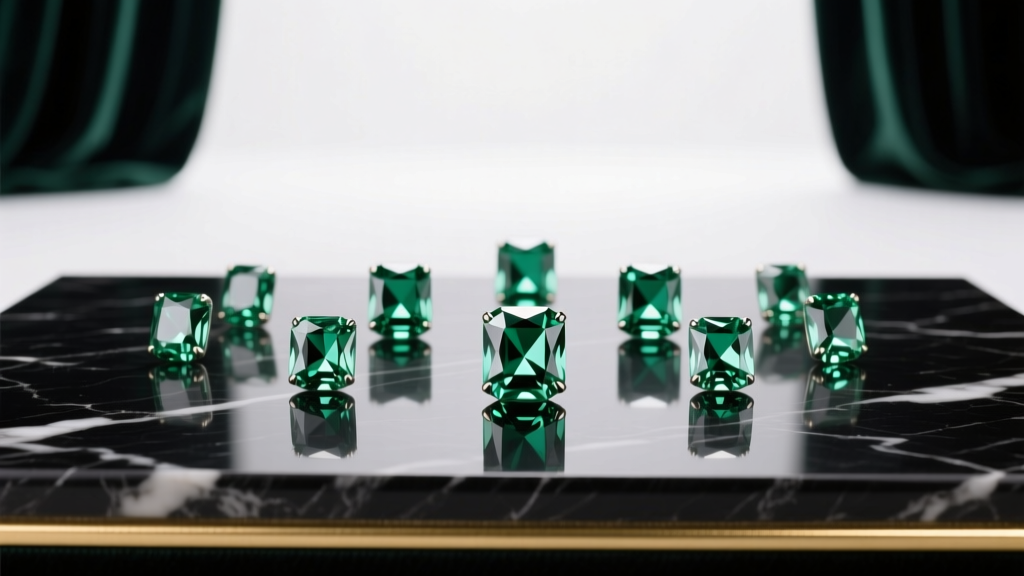
Emerald Cut Diamonds Step Cut Elegance
Some diamond shapes sparkle like fireworks. The emerald cut sparkles like candlelight—steady, sophisticated, and quietly mesmerizing. Known for its long lines and “hall of mirrors” effect, the emerald cut diamond has become a favorite for couples who want an engagement ring that feels polished, intentional, and timeless rather than trendy for a single season.
Emerald cut diamonds are step cuts, meaning their facets are arranged in clean, parallel “steps” instead of the triangular facet pattern you see in a round brilliant. That difference changes everything: the way the diamond handles light, how it shows clarity, how it flatters the finger, and even how you should shop for quality. If you’re comparing engagement ring styles or choosing a wedding band to match, understanding this cut helps you get the elegance you’re paying for.
This guide breaks down what makes emerald cut diamonds special, how to judge quality, what settings and metals look best, what they cost, and how to avoid common shopping mistakes—so you can choose an emerald cut ring you’ll love for decades.
What Makes an Emerald Cut Diamond Unique?
Step Cut Facets and the “Hall of Mirrors” Look
Emerald cuts typically feature a rectangular outline with cropped corners and a large, open table (the flat top facet). Rather than intense, scattered sparkle, the step cut facet arrangement creates broad flashes of light that turn on and off as the diamond moves. This is the famous “hall of mirrors” effect—sleek, architectural reflections that highlight the stone’s shape and transparency.
Shape, Proportions, and Finger-Flattering Length
Emerald cut diamonds often appear larger than their carat weight suggests because of their elongated face-up look and large table. They can also make fingers look longer and more slender—one reason emerald cut engagement rings are a classic choice for minimalists and lovers of vintage glamour alike.
Length-to-width ratio has a big impact on style:
- 1.30–1.40: Classic emerald cut proportions—balanced and widely flattering.
- 1.40–1.50: More elongated—sleeker, very elegant, and popular in current engagement ring trends.
- Under 1.30: A squarer look—sometimes described as a softer rectangle, great for vintage-inspired settings.
Emerald Cut vs. Other Popular Diamond Cuts
Emerald Cut vs. Radiant Cut
Radiant cuts are also rectangular but use brilliant-style facets, delivering more “crushed ice” sparkle. Emerald cuts are calmer and clearer, showing larger flashes and sharper geometry. If you love sparkle above all else, radiant may win. If you love clean lines and a designer look, emerald cut is hard to beat.
Emerald Cut vs. Oval and Round Brilliant
Round brilliant and oval diamonds are designed for maximum scintillation (sparkle). Emerald cuts prioritize clarity and symmetry. Many couples choose emerald cuts because they feel refined and distinctive—especially in solitaire engagement rings where the diamond takes center stage.
Quality Factors: How to Choose a Beautiful Emerald Cut Diamond
Clarity Matters More in Step Cuts
Because emerald cuts have large open facets and fewer sparkle “distractions,” inclusions can be easier to see compared to brilliant cuts. Many shoppers aim for VS2–SI1 clarity depending on where inclusions sit and how visible they are. A well-chosen SI1 can be eye-clean and offer excellent value, but you’ll want to inspect videos or view the diamond in person.
Tip: Look for inclusions near the edges where prongs or a bezel can help conceal them, and avoid dark crystals under the table if possible.
Color: The Step Cut “Tint Test”
Emerald cut diamonds can show color more readily than round brilliants. If you prefer a crisp, icy look in a white metal (platinum or white gold), many couples choose G–H color, sometimes F for a brighter face-up appearance. If you’re setting the diamond in yellow or rose gold, you may be comfortable with I–J while still enjoying a warm, romantic tone.
Cut Quality: What to Look For Beyond the Certificate
Unlike round diamonds, emerald cuts don’t receive a universal cut grade on many lab reports, so you’ll evaluate proportions and the visual pattern.
- Table and depth: Many attractive stones fall around table 60–68% and depth 62–70%, but visuals matter most.
- Symmetry: Look for crisp, aligned steps and balanced corner cuts.
- Light performance: Avoid stones that look glassy or dark in the center.
The Bow-Tie Effect: Yes, Emerald Cuts Can Have It
Bow-tie shadowing (a darker band across the center) is common in elongated shapes, including emerald cuts. A slight bow-tie can be normal, but a strong, permanent dark zone reduces life and brightness. Video is your best friend here—look for a stone that “wakes up” as it moves.
Best Settings for Emerald Cut Engagement Rings
Solitaire: Timeless and On-Trend
An emerald cut solitaire engagement ring is the definition of modern classic. Current jewelry trends favor clean, refined solitaires with thoughtful details—like a hidden halo, a knife-edge band, or a sculpted cathedral.
- Four prongs: Minimal and airy, shows more diamond.
- Double claw prongs: Popular right now—adds delicate, designer framing.
- Six prongs: Extra security, especially for larger stones.
Halo and Hidden Halo: Extra Sparkle Without Losing the Shape
A halo can amplify finger coverage and add brilliance around the step cut. Many couples choose a hidden halo (set beneath the center stone) for a subtle sparkle boost while keeping the top view sleek—an enduring trend that still feels classic.
Three-Stone Settings: Balanced, Meaningful, and Elegant
Three-stone emerald cut engagement rings are timeless. Side stones can be tapered baguettes (very Art Deco), trapezoids (bolder, architectural), or even half-moons for softness. This style also pairs beautifully with a wedding band stack.
Bezel Settings: Secure, Clean, and Lifestyle-Friendly
A bezel wraps metal around the diamond’s edge, protecting corners and reducing snagging—great for active lifestyles or anyone who wants a low-fuss daily-wear ring. A full bezel looks modern and streamlined; a partial bezel balances openness with protection.
Metal Choices: Platinum, Gold, and How They Change the Look
- Platinum: Naturally white, durable, and heavy. Develops a patina over time that many consider part of its character. Excellent for holding prongs securely.
- 14K White Gold: Strong and budget-friendly; usually rhodium-plated for a bright white finish (may need replating over years).
- 18K Yellow Gold: Rich warmth and a classic heirloom feel. Looks stunning with emerald cuts, especially with a white prong head to keep the diamond bright.
- Rose Gold: Romantic and current. Complements warmer color grades and looks especially beautiful with minimalist solitaires.
Craftsmanship detail to ask for: Many emerald cut rings benefit from a slightly higher-quality setting build—secure prongs, clean gallery work, and a well-finished seat for the stone. Those crisp step facets deserve crisp metalwork.
Wedding Band Pairing Ideas for Emerald Cut Rings
Emerald cut engagement rings pair best with bands that respect their clean geometry.
- Classic matching band: A plain metal band in the same width for a cohesive, timeless set.
- Pavé diamond wedding band: Adds sparkle contrast against the step cut’s broader flashes.
- Baguette or channel-set band: Extremely cohesive—step cuts with step cuts for an Art Deco-inspired look.
- Contoured or notched band: Useful if your setting sits low and a straight band leaves a gap.
Price Range and Value Tips
Emerald cut diamond pricing varies widely based on the 4Cs, lab grading, and overall beauty. As a general guide for a natural emerald cut diamond:
- 0.70–1.00 carat: Often starts around the mid-thousands and climbs quickly with higher color/clarity.
- 1.00–1.50 carats: Common “sweet spot” for many couples; pricing depends heavily on color/clarity and visual performance.
- 1.50–2.50+ carats: Premium territory, where excellent proportions, higher clarity, and top craftsmanship matter even more.
For lab-grown emerald cut diamonds, you can often get a larger carat size or higher color/clarity for significantly less than natural, while still choosing a high-quality setting. Many couples put the savings into a platinum setting, a more intricate design, or a wedding band stack.
Value tips that actually work:
- Choose the best visual cut and pattern you can—emerald cuts live or die by their look.
- Consider H–I color if you’re using yellow or rose gold.
- Look for an eye-clean SI1 if you can confirm it’s clean to the naked eye.
- Don’t overpay for carat weight—sometimes a slightly smaller stone with better light performance looks more luxurious.
Care and Maintenance for Emerald Cut Diamond Rings
Step cuts show smudges more easily because of their broad facets. Regular cleaning keeps that mirror-like look sharp.
- At-home cleaning: Warm water, mild dish soap, and a soft toothbrush. Rinse well and pat dry with a lint-free cloth.
- What to avoid: Harsh chemicals (especially chlorine), abrasive cleaners, and rough brushing on pavé.
- Professional checkups: Have prongs inspected about every 6–12 months, especially if you wear the ring daily.
- Storage: Store separately to prevent diamonds from scratching other jewelry (and other diamonds).
Common Mistakes to Avoid When Shopping Emerald Cut Diamonds
- Buying by numbers alone: Two emerald cuts with similar specs can look completely different. Always review videos or view in person.
- Going too low on clarity without verification: Step cuts reveal inclusions more easily; confirm “eye-clean” rather than assuming.
- Ignoring the bow-tie: A strong bow-tie can make the center look lifeless.
- Choosing a delicate setting without protection: Emerald cut corners need secure prongs or a bezel. Craftsmanship matters.
- Mismatching the wedding band: Some low settings don’t sit flush with a straight band—plan your bridal set early.
FAQ: Emerald Cut Diamonds and Step Cut Engagement Rings
Do emerald cut diamonds sparkle less than round diamonds?
They sparkle differently. Emerald cuts produce broader, slower flashes of light rather than the intense twinkle of a round brilliant. Many people find the look more elegant and refined.
What clarity grade is best for an emerald cut engagement ring?
Many couples target VS2–SI1. The best choice depends on where inclusions are located and whether the diamond is eye-clean. Because emerald cuts are more transparent-looking, clarity is worth prioritizing.
Are emerald cut diamonds a good choice for everyday wear?
Yes, especially in a secure setting. Choose sturdy prongs (often claw prongs) or a bezel, and keep up with routine prong inspections for long-term durability.
What setting makes an emerald cut diamond look bigger?
Halos increase visible size, while solitaires emphasize the diamond’s clean outline. Thin bands, tapered shoulders, and a well-proportioned elongated stone also enhance the “larger” look.
Do emerald cuts look better in platinum or yellow gold?
Both can be stunning. Platinum and white gold enhance a crisp, icy look. Yellow and rose gold add warmth and a vintage-meets-modern feel. A popular compromise is a yellow gold band with a white metal head for the center stone.
How do I choose a wedding band for an emerald cut engagement ring?
Start with how your engagement ring sits. If it’s high-set, a straight band may sit flush. If it’s low-set, you may need a contoured band. For style, classic metal bands and baguette/channel-set diamond bands pair beautifully with step cut geometry.
Where Emerald Cut Elegance Fits: A Confident Next Step
If you’re drawn to clean lines, timeless style, and a diamond that looks intentional rather than flashy, an emerald cut engagement ring is one of the most rewarding choices you can make. Focus on the diamond’s visual pattern, confirm an eye-clean clarity grade, choose a setting that protects the corners, and match your wedding band with the same sense of proportion and polish.
For more help comparing diamond shapes, choosing the right metal, and building a bridal set that lasts, explore more jewelry guides on weddingsift.com.
More Articles
 Pandora Wedding Rings (2026) & Better Alternatives
 Venues vs. Step: A Metalsmith’s Deep-Dive Comparison of Two Iconic Diamond Cuts
 Do People in China Wear Wedding Rings? The Truth Revealed
 Clean Wedding Rings at Home: 5 Safe Methods (2026)
 Realistic Wedding Bands Drawing: Step-by-Step (2026)
 How to Wear Your Wedding Band Set (2026)
 Claddagh Wedding Ring: Left vs. Right Hand Rules (2026)
 Silver Anniversary Gifts for Him (2026)
 What to Do If You Lose Your Wedding Ring
 Wedding Ring Fit Test: Avoid Regret (2026)