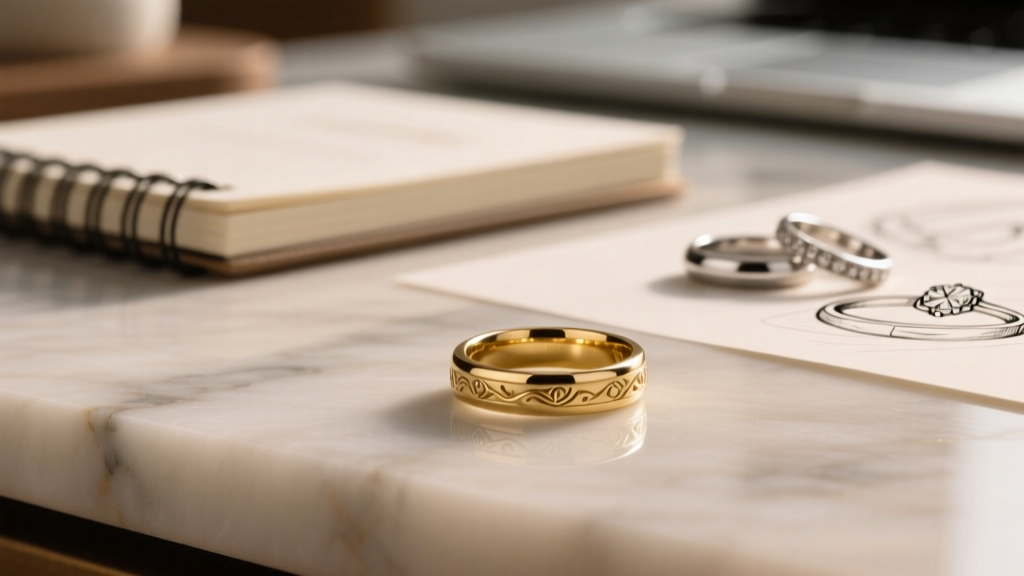
How to Restore an Old Family Engagement Ring
An heirloom engagement ring carries more than sparkle—it holds family history, memories, and often a distinct style you won’t find in modern mass production. For many couples, restoring an old family ring is the perfect way to honor the past while creating a piece that fits today’s lifestyle. The result can be a truly one-of-a-kind engagement ring that feels both meaningful and wearable.
That said, heirloom rings come with unknowns: worn prongs, thin shanks, chipped gemstones, outdated settings, or mismatched repairs from decades ago. Restoration isn’t just “polish and go.” It’s a careful balance of preservation, durability, and design—especially if you plan to wear the ring daily and pair it with a wedding band.
This guide breaks down what a professional jeweler looks for, what restoration options cost, how to keep value intact, and how to avoid common mistakes when updating an antique or vintage engagement ring.
Step 1: Identify What You Have (Before Anyone Touches It)
Get a professional inspection and documentation
Start with a thorough inspection by a reputable jeweler—ideally one who works with antique jewelry restoration. Ask for written notes and photos of the ring from multiple angles. If your ring has hallmarks or maker’s marks (often inside the shank), get those photographed too. This documentation helps you:
- Track changes during restoration
- Support insurance coverage
- Preserve provenance for future resale or family history
Confirm metal type and gemstone identity
Many heirloom rings are 14k or 18k gold (yellow, white, or rose), platinum, or occasionally palladium. White gold may be rhodium-plated and appear brighter than its underlying tone. Platinum develops a soft patina over time rather than “wearing off” like plating.
Gemstones in family engagement rings commonly include:
- Old European cut diamonds (rounder outline, smaller table, higher crown, charming “chunky” sparkle)
- Old mine cut diamonds (cushion-like shape, deeper proportions, antique character)
- Single cut or rose cut diamonds in halo and accent roles
- Sapphires (often blue, but also pink, yellow, or padparadscha tones)
- Emeralds (beautiful but typically softer and more included)
A jeweler can test metal and verify whether the center stone is a natural diamond, lab-grown diamond, moissanite, or another gem. If the ring includes an emerald, opal, pearl, or other delicate gemstone, restoration choices may shift to protect it.
Step 2: Decide on Restoration vs. Redesign
Restoration: keep the original look, improve safety
Restoration aims to preserve the ring’s original style—Art Deco geometry, Edwardian filigree, mid-century simplicity—while making it structurally sound. Common restoration work includes rebuilding prongs, tightening stones, reinforcing the shank, and repairing engraving or milgrain.
Redesign: keep the stones, change the setting
Redesign uses the original diamonds or gemstones in a new setting. This is popular when the current setting is too fragile, too tall, or incompatible with a wedding band. Many couples reset an heirloom diamond into a modern solitaire, a low-profile bezel, or a classic cathedral setting for improved security.
A hybrid approach is often best
You can keep signature details—like an engraved shoulder, a vintage halo, or hand-applied milgrain—while updating weak areas. This preserves heirloom charm while meeting modern daily-wear standards.
Step 3: Understand Key Quality Factors (What Jewelers Check)
Prongs and stone security
Prongs are the most common failure point in older engagement rings. A jeweler will look for flattened tips, gaps, uneven wear, or previous “quick fixes.” Re-tipping prongs (adding metal to rebuild them) can work when the base is still strong. If the prong structure is compromised, replacing the entire head (the basket that holds the center stone) is safer.
Shank thickness and wear
The shank (band) can thin over decades, especially at the bottom where it rubs against surfaces. If it’s too thin, it can bend out of round or crack. Options include reshanking (replacing the band) or adding metal to reinforce wear points.
Setting style and daily wear
Some timeless settings are inherently sturdier:
- Bezel settings (metal rim around the stone) offer excellent protection and a sleek modern-vintage blend
- Six-prong solitaires are classic and secure for round diamonds
- Low-profile baskets reduce snagging and feel more practical for everyday life
More delicate styles—like ultra-thin pavé bands, tall antique crowns, and lace-like filigree—can be wearable, but they may require reinforcement or more frequent maintenance.
Diamond cuts: antique charm vs. modern brilliance
Old European and old mine cut diamonds are trending again because couples love their warmth and “candlelight” sparkle. They often face up differently than modern round brilliant cuts, with broader flashes rather than splintery scintillation. If your heirloom diamond is one of these, preserving it in a setting that complements its proportions can protect both value and aesthetics.
Step 4: Restoration Options (What Can Actually Be Done)
Professional cleaning and polishing
A jeweler may use ultrasonic or steam cleaning, but not every ring can handle it. Emeralds, opals, pearls, and stones with fractures or old treatments may need gentler methods. Polishing can refresh the surface, but over-polishing can blur engraving, soften crisp edges, and reduce antique character—so a light touch matters.
Re-tipping prongs and tightening stones
This is one of the most valuable maintenance steps. Properly rebuilt prongs protect your center diamond and small accent stones. Ask for a final prong check under magnification before you take the ring home.
Replacing a head or rebuilding a setting
If the head is worn or mismatched from prior repairs, replacing it can drastically improve security. You can still preserve the original shank and side details if they’re in good shape.
Replating white gold (rhodium)
Many white gold rings are rhodium-plated for a bright white finish. Replating restores that look, but it will wear over time depending on lifestyle. Platinum doesn’t need plating, which is one reason it remains a timeless choice for engagement rings and wedding bands.
Re-cutting or re-polishing gemstones (use caution)
Repolishing a diamond can remove chips and improve symmetry, but it also removes weight (carat) and may alter antique charm. With old cuts, even a small change can impact the stone’s personality and value. For colored gemstones like sapphires, minor polishing can help, but deep abrasions may require a recut—often changing shape and size. This step should be a last resort unless damage is severe.
Adding a wedding band-friendly profile
Many vintage rings sit low or have protruding details that prevent a wedding band from sitting flush. Options include:
- Modifying the ring’s profile (if structurally feasible)
- Choosing a contoured or notched wedding band
- Resetting the center stone into a setting designed for stacking
Price Range and Value Tips
Restoration costs vary widely depending on metal type, craftsmanship, and how much needs rebuilding. Here are realistic ranges many couples encounter:
- Basic clean, polish, and inspection: $50–$200
- Prong re-tipping / tightening: $100–$400 (more if many stones)
- Rhodium plating (white gold): $60–$150
- Shank reinforcement or partial reshank: $300–$900
- Full reshank or major rebuild: $800–$2,500+
- Reset into a new setting (using your stone): $700–$4,000+ depending on metal, setting style, and accent stones
Value tip: Spend money first on security (prongs, head, shank) and comfort (fit, profile). Cosmetic upgrades like high-polish finishing, engraving refresh, or rhodium plating can come later if budget is tight.
Insurance tip: After restoration, get an updated jewelry appraisal that includes current replacement value, metal type, and diamond/gem details. This is essential for protecting your engagement ring and wedding ring investment.
Current Trends That Work Beautifully with Heirloom Rings
- Vintage-meets-modern resets: heirloom diamond in a clean solitaire or bezel, paired with a detailed wedding band
- Yellow gold revival: warm metal tones that highlight antique diamonds and classic craftsmanship
- Low-profile settings: practical for daily wear and popular with couples who want comfort
- Mixed metals: yellow gold shank with a white gold or platinum head to enhance diamond brightness
- Meaningful details: hidden halos, engraved initials, or incorporating small family accent stones
Timeless classics still lead the way: a well-built solitaire, a three-stone engagement ring (past-present-future symbolism), and refined halo settings that don’t overwhelm the center stone.
Care Instructions After Restoration
- Schedule routine checks: every 6–12 months for prongs and stone tightness, especially for pavé or halo rings
- Remove your ring for impact activities: gym workouts, gardening, home repairs, heavy lifting
- Clean safely at home: warm water, mild dish soap, soft toothbrush; rinse and pat dry with a lint-free cloth
- Avoid harsh chemicals: chlorine, bleach, and some household cleaners can damage metal alloys and certain gemstones
- Store separately: keep your engagement ring away from other jewelry to prevent scratches, especially if paired with diamond wedding bands
Common Mistakes to Avoid
- Skipping a true bench jeweler: A storefront that “sends it out” can be fine, but ask who actually does the work, their experience with antique rings, and what’s guaranteed.
- Over-polishing vintage details: Too much buffing can erase milgrain, soften filigree, and reduce the crispness that makes antique jewelry special.
- Choosing the thinnest possible band: Ultra-thin shanks look delicate but may not last with daily wear. Prioritize durability—especially if you plan to stack with a wedding band.
- Re-cutting an antique diamond for “perfect” sparkle: You can permanently lose the old-cut charm and some carat weight. Consider preservation-first options.
- Not planning for a wedding band: If you want a flush fit or a stacked set, discuss that before restoration. Small design decisions now prevent costly revisions later.
- Ignoring insurance and appraisals: Restoration changes replacement value. Update your appraisal and insurance coverage once work is complete.
FAQ: Restoring an Heirloom Engagement Ring
Can an old family engagement ring be resized safely?
In most cases, yes. Gold and platinum rings are commonly resized, but the safest approach depends on the design. Eternity bands with diamonds all the way around, very thin shanks, or intricate filigree can be more complex. A jeweler will assess where sizing can happen without weakening the ring or disrupting patterns.
Should I keep the original setting or reset the stone?
If the setting is structurally sound and suits your style, restoration is ideal for preserving heritage and antique value. If the setting is worn, sits too high, or doesn’t work with your wedding band, resetting the diamond into a modern, durable setting can be the better long-term choice.
Is platinum better than white gold for restoring antique rings?
Platinum is very durable and doesn’t require rhodium plating, making it popular for engagement ring settings. White gold can also be excellent, often at a lower cost, but it may need periodic replating. For a ring with fine details, discuss which metal best matches the original look and wear expectations.
Will restoration ruin the “antique look”?
Not if it’s done with restraint. The goal is to secure stones and strengthen weak points while preserving details like engraving, milgrain, and original proportions. Ask your jeweler to avoid aggressive polishing and to keep any removed original components (if possible).
How long does restoration usually take?
Simple work like prong tightening or rhodium plating may take a few days. Larger projects—reshanking, rebuilding a head, or custom resetting—often take 2–6 weeks depending on complexity and the jeweler’s workload.
What if the center stone is chipped or loose?
Stop wearing the ring and store it safely. A jeweler can evaluate whether the stone can be repolished, whether the setting needs rebuilding, or whether a protective setting style (like a bezel) makes sense. For fragile gems such as emeralds, extra care is needed to prevent further damage.
Next Steps: Restore with Confidence
A restored heirloom engagement ring can be the best of both worlds: timeless craftsmanship and modern-day reliability. Start with a detailed inspection, prioritize structural repairs, and choose a restoration or reset plan that fits how you actually live—especially if you’re selecting a matching wedding band and building a cohesive bridal set.
If you’re exploring engagement rings, wedding bands, vintage settings, or modern resets, keep browsing the jewelry guides on weddingsift.com for more practical, jeweler-informed advice.
More Articles
 Does Priscilla Presley Still Have Elvis’s Wedding Ring?
 Gold Wedding Ring Buying Guide: Real-World Durability (2026)
 Wear Wedding Ring on Necklace: Safe & Meaningful Ways
 How to Choose a Wedding Band With a Milgrain Edge
 How to Clean Wedding Rings Safely (2026)
 Jewelry Care FAQ: Wear and Sizing Guide
 De Beers Wedding Rings: 7 Hidden Truths (2026)
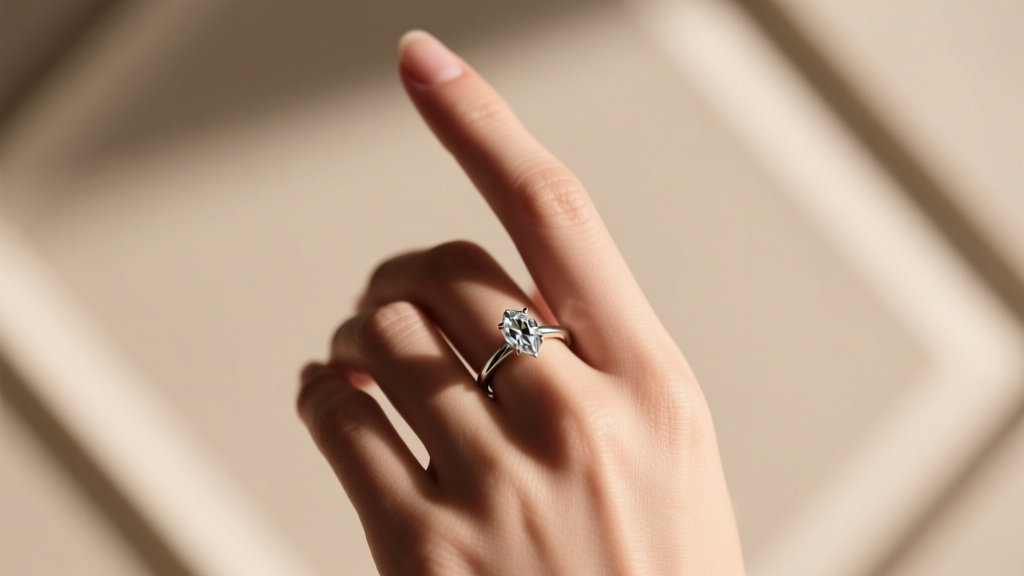 Marquise Diamonds Elongating Finger Appearance
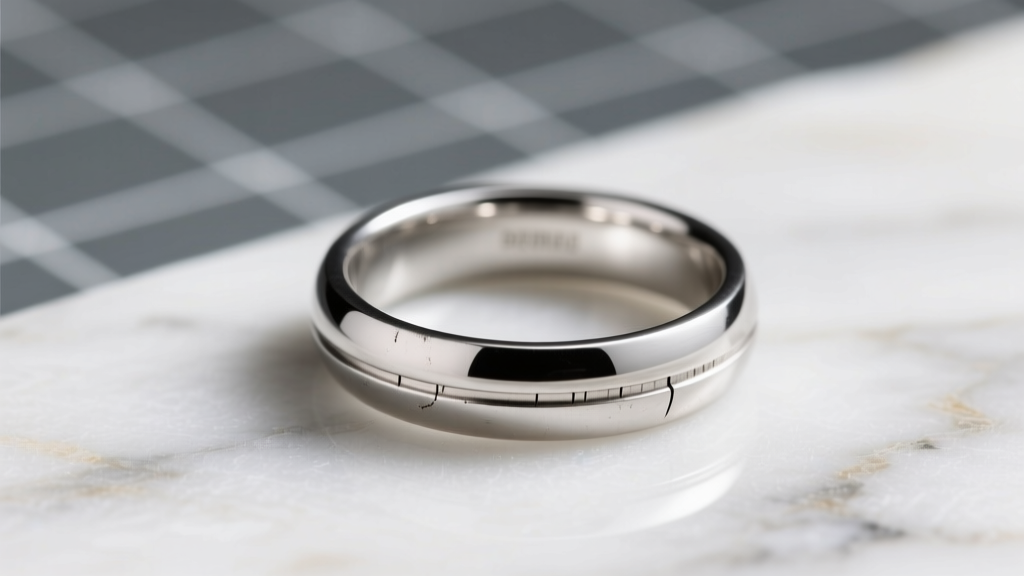 Wedding Ring Resizing Limits: Avoid Cracks & Damage
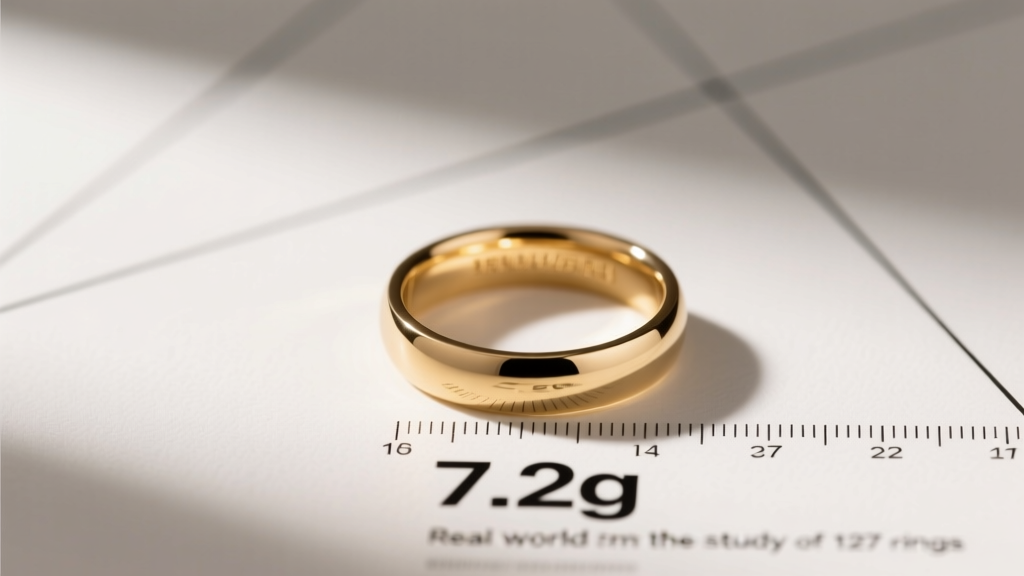 Wedding Ring Weight in Grams: Real Data (2026)