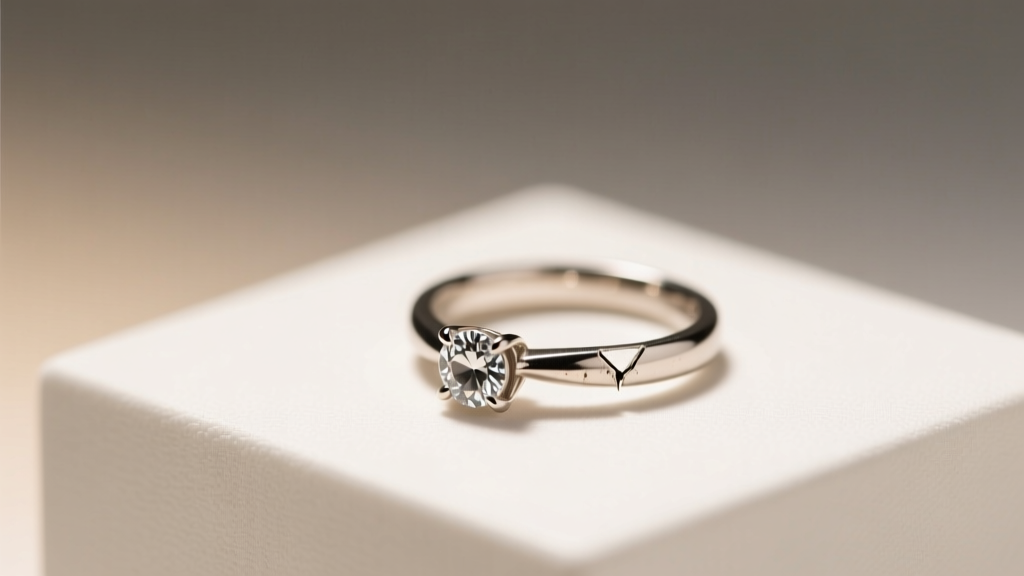
How to Tell If Your Ring Setting Needs Repair
Your engagement ring or wedding band is meant to be worn, loved, and lived in—through handshakes, travel days, gym sessions, and everyday errands. Over time, even a beautifully made ring setting can loosen, thin, snag, or shift. The tricky part is that small problems often look harmless right up until a center stone goes missing or a band cracks at the worst moment.
Knowing how to spot early warning signs saves money, protects your diamond or gemstone, and keeps your ring comfortable. Whether you’re shopping for a new engagement ring, comparing wedding band styles, or maintaining a ring you already own, understanding setting health is part of smart jewelry ownership.
This guide breaks down the most common setting issues, what causes them, which metals and setting styles are more vulnerable, and when to repair versus replace. You’ll also find practical care tips, price expectations, and shopping mistakes to avoid—so your ring stays secure and stunning for years.
What a “Ring Setting” Includes (and Why It Fails)
A ring setting is more than the visible prongs holding a gemstone. It’s the entire structure that secures stones and supports the band, including:
- Head or basket (the part that holds the center stone)
- Prongs (claws that grip the gemstone)
- Bezel rim (a metal collar surrounding the stone in bezel settings)
- Shoulders (upper shank area that connects to the head)
- Gallery/bridge (supportive architecture under the stone)
- Pavé channels or bead settings (small stones set into the band)
Settings usually fail due to wear, impact, poor craftsmanship, or metal fatigue. Daily friction slowly thins prongs and edges; a single hard knock can bend a prong or crack a delicate halo. Rings with intricate micro-pavé or ultra-thin bands are also more prone to maintenance needs—especially in today’s trend toward dainty engagement rings and stackable wedding bands.
Top Signs Your Ring Setting Needs Repair
1) Your Stone Looks Crooked or Off-Center
If a round brilliant diamond or cushion cut center stone suddenly looks tilted, the head may be bent or prongs may be uneven. This is common after catching your ring on a sweater, gym bag, or countertop edge. A shifted stone is an urgent sign—stop wearing the ring and schedule a jeweler inspection.
2) Snagging on Clothing, Hair, or Linens
Snags often mean a prong tip has lifted, cracked, or worn down into a sharp edge. Claw prongs and shared-prong pavé are especially snag-prone when worn. If your ring catches on knit fabrics or pulls hair, you may need prong retipping, tightening, or replacement.
3) You Hear or Feel a “Rattle”
A properly set gemstone shouldn’t move. Hold your ring close to your ear and gently tap it against your fingertip. If you hear a faint clicking, the stone may be loose in the setting. This can happen in prong settings, halo settings, and even bezels if the rim has been knocked or thinned.
4) Prongs Look Thin, Flat, or Uneven
Prongs naturally wear down over time—especially on rings worn daily. Warning signs include:
- Prong tips that look flattened rather than rounded
- Uneven prong height (one looks shorter than the others)
- Visible gaps between prong and stone
- Discoloration or porosity at the prong base (possible casting issue)
For classic solitaire engagement rings (four-prong or six-prong), healthy prongs are your primary security system. If you’re unsure, a jeweler can check prong integrity under magnification in minutes.
5) Pavé or Side Stones Look Dull, Missing, or “Sunk In”
Micro-pavé and pavé wedding bands are popular trends because they deliver sparkle from every angle, but they require more upkeep. If small diamonds (often melee, typically 1.0–2.0 mm) look lower than surrounding stones, the beads holding them may be worn down. A missing stone usually indicates the surrounding beads are compromised too, not just that one spot.
6) The Band Feels Out of Round or Warped
Rings can deform from gripping weights, pushing strollers, or frequent hand pressure. A band that’s no longer round can put stress on the setting head and loosen stones. This matters most for:
- Thin bands (around 1.5–1.8 mm)
- Soft metals like 18k gold
- Eternity bands with stones all around (harder to resize; more prone to distortion)
7) Cracks, Splits, or Deep Grooves in the Shank
A visible crack is a stop-wearing-now situation. Deep grooves can form where the ring rubs against another band in a stack. Over time, metal thins—especially in the palm area (the bottom of the ring), which takes the most abrasion. If your wedding set spins constantly, that friction can accelerate wear.
How Metal Choice Affects Setting Durability
Platinum (950 Platinum or Platinum Alloys)
Platinum is a timeless classic for engagement ring settings because it’s tough and naturally white. It tends to displace rather than chip away, which can be safer for prongs long-term. It does develop patina, which many people love. Repairs can cost more due to labor and metal density, but platinum is an excellent value for security.
14k vs. 18k Gold (Yellow, White, Rose)
14k gold is often the sweet spot for everyday wear: durable, affordable, and widely used in modern bridal jewelry. 18k gold has richer color and higher gold content, but it’s slightly softer—meaning prongs and thin shanks may wear faster for very active wearers.
White gold is usually rhodium plated for a bright finish; if your ring looks yellowish, it may need replating rather than repair. Still, if the yellow tone is paired with snagging or looseness, get the setting inspected.
Sterling Silver and Alternative Metals
Sterling silver is generally not ideal for long-term engagement ring settings because it’s softer and more prone to bending and tarnish. Alternative metals like titanium and tungsten are hard, but they can be difficult (or impossible) to repair traditionally—making them a risk if the setting needs work later.
Setting Styles: What Holds Up Best (and What Needs More Maintenance)
Prong Settings (Solitaire, Cathedral, Tiffany-Style)
Prongs show off a diamond’s cut—especially a round brilliant, oval, or emerald cut—by letting in maximum light. They’re classic and popular for engagement rings, but prongs are exposed and can snag. Expect periodic tightening and occasional retipping over the years.
Bezel Settings
Bezel settings surround the stone with a protective rim, making them a top choice for active lifestyles. They’re sleek, modern, and secure—great for diamonds and hard gemstones like sapphire. Repairs often involve rebuilding or re-seating the bezel edge if it gets dented.
Halo and Hidden Halo Settings
Halos and hidden halos are current favorites because they boost sparkle and make the center stone look larger. The tradeoff is more tiny stones and more metal beads/prongs to maintain. Choose quality craftsmanship here: precise stone spacing, even beadwork, and a sturdy gallery reduce repair needs.
Channel-Set Wedding Bands
Channel settings protect small diamonds between metal walls—more secure than pavé for many wearers. Watch for dents along channel edges and stones that appear uneven, which can mean the channel has spread from impact.
At-Home Checks vs. Professional Inspections
Safe Checks You Can Do at Home
- Visual symmetry check: Look at the center stone from the top and side; it should sit straight and centered.
- Snag test: Gently glide a soft knit cloth over prongs; snagging suggests a lifted prong tip.
- Sound test: Listen for clicking when tapping lightly (don’t shake aggressively).
- Comfort check: New sharpness or scratching against adjacent fingers can indicate a bent prong or damaged edge.
When to See a Jeweler Immediately
- Any movement in the center stone
- A missing side stone
- Visible cracks in metal
- A bent head or severely warped band
A professional can inspect with magnification, check prong tension, and evaluate whether the setting needs tightening, retipping, reshanking, or full head replacement.
Repair Options and What They Typically Cost
Pricing varies by metal, complexity, and local labor rates, but these ranges help set expectations:
- Prong tightening: $25–$80
- Prong retipping (per prong): $40–$120 (more for platinum)
- Replace the head/basket: $150–$600+ depending on style and metal
- Rebuild a worn shank (reshanking): $250–$900+
- Replace a small pavé stone: $40–$150 per stone (plus setting work)
- Rhodium plating (white gold): $50–$150
Value tip: If your ring is insured, many policies cover repairs related to stone tightening or damage—especially if caught early. Keep receipts and inspection records. Also, paying for routine maintenance (like periodic prong checks) is almost always cheaper than replacing a lost diamond.
Care and Maintenance Tips for Engagement Rings and Wedding Bands
- Schedule inspections: Every 6–12 months for daily-wear rings, and immediately after a hard impact.
- Remove your ring strategically: Gym, gardening, heavy lifting, swimming, and cleaning with chemicals are common damage triggers.
- Store separately: Diamonds can scratch metal and other gemstones. Keep rings in a fabric-lined box or individual pouch.
- Clean gently: Warm water, mild dish soap, and a soft brush work for diamonds, sapphires, and rubies. Avoid harsh chemicals and be cautious with ultrasonic cleaners—especially for emeralds, opals, pearls, and rings with fragile pavé.
- Stack smart: If you wear multiple bands, consider a spacer band or match metal hardness to reduce wear grooves.
Common Shopping Mistakes That Lead to Setting Repairs
Choosing Ultra-Thin Bands Without Understanding Tradeoffs
Thin, delicate bands are trendy, but a 1.5 mm shank with a large center stone can bend more easily. If you love the look, ask for hidden reinforcement (like a sturdier cathedral shoulder) or consider 1.8–2.2 mm for better durability.
Ignoring Craftsmanship Details in Pavé and Halo Rings
Not all pavé is created equal. Look for even beadwork, consistent stone sizes, smooth edges, and a solid gallery. Poorly executed micro-pavé can shed stones quickly.
Buying the Wrong Metal for Your Lifestyle
If you’re hands-on daily, prioritize durable choices like platinum or 14k gold and more protective settings like bezels or channel-set accents.
Skipping Routine Inspections (Especially After Resizing)
Resizing can affect tension in the band and setting. Always have a jeweler re-check stone security after any sizing work.
FAQ: Ring Setting Repairs
How often should I have my engagement ring checked?
For daily wear, plan on every 6–12 months. If your ring has pavé diamonds, a halo, or a tall setting, lean closer to every 6 months.
Is a loose stone always obvious?
No. Some looseness is only visible under magnification. Snagging, faint clicking sounds, or a stone that looks slightly tilted are common early clues.
Can a jeweler fix worn prongs without replacing the whole setting?
Often, yes. Retipping rebuilds prong tips, and tightening can restore security. If prongs are extremely worn or the head is damaged, replacing the head/basket may be safer and more cost-effective long-term.
Which setting is most secure for an active lifestyle?
Bezel settings are among the most protective for a center stone. For accent stones, channel settings generally offer better protection than micro-pavé.
Do diamonds fall out more than other gemstones?
Diamonds are very hard (Mohs 10), but they can still fall out if prongs bend or wear down. Softer gems like emerald (often with inclusions) can also chip if the setting is damaged. Security depends more on the setting condition and craftsmanship than the stone type.
Will resizing my ring increase the risk of loose stones?
It can, especially for eternity bands or rings with side stones near the sizing area. A reputable jeweler will check and tighten stones as part of proper resizing service.
Next Steps: Protect Your Ring Before a Small Issue Becomes a Big One
If your ring snags, rattles, looks crooked, or shows thinning prongs, treat it like a check-engine light. Stop wearing it until a jeweler confirms the setting is secure. Couples shopping for engagement rings and wedding bands can also use these signs as a quality checklist: sturdy metal choice, balanced proportions, clean craftsmanship, and a setting style that fits real life—not just a proposal photo.
For more practical guides on engagement ring settings, wedding band styles, diamond shapes and cuts, metal types, and long-term ring care, explore the jewelry resources on weddingsift.com.
More Articles
 How to Choose an Engagement Ring With a Pear-Shaped Stone
 Moonstone Engagement Rings Mystical Blue Sheen
 Diamond Flush Settings Smooth Surface Comfort Design
 Jewelry FAQ: Materials, Care & Craftsmanship
 Stack Engagement & Wedding Bands: 7 Pro Rules (2026)
 7 Year Anniversary Jewelry Gift Ideas
 Does The Wedding Band Go Inside Or Outside (2026)
 How to Sell Wedding Band Safely & Profitably (2026)
 Aquamarine Engagement Rings March Birthstone Elegance
 A. Jaffe Wedding Bands in Fayetteville, AR (2026)