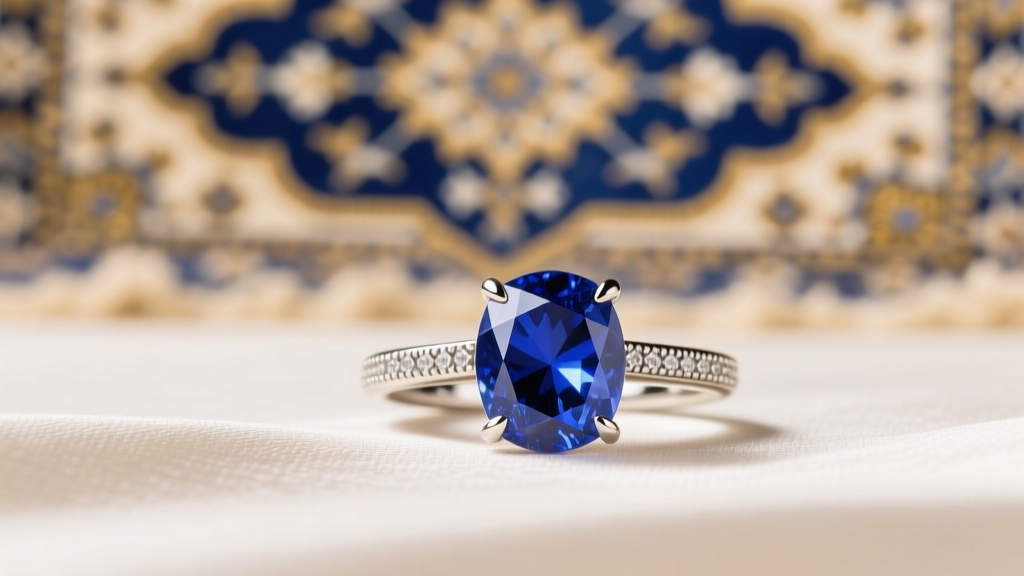
Lapis Lazuli Engagement Rings Ancient Blue Elegance
There’s a reason lapis lazuli has been prized for thousands of years: no other gemstone delivers that saturated, celestial blue with the same natural character. From ancient Egyptian jewelry to Renaissance art pigments, lapis has always signaled meaning, mystery, and quiet confidence. Today, lapis lazuli engagement rings are finding a fresh place in modern love stories—especially for couples who want a non-traditional engagement ring that still feels elevated and enduring.
For engagement jewelry, the right stone isn’t only about sparkle; it’s about identity and lifestyle. Lapis offers bold color, strong symbolism, and a striking contrast against classic precious metals like yellow gold, white gold, and platinum. This guide breaks down what lapis lazuli is, how to judge quality, the best ring styles and settings, and how to shop smart—so your ring looks stunning now and still makes sense years from now.
What Is Lapis Lazuli, and Why Choose It for an Engagement Ring?
Lapis lazuli is a rock—not a single mineral—composed primarily of lazurite (which creates the iconic blue), often mixed with calcite (white mottling) and pyrite (golden flecks). That natural blend is exactly what gives lapis its “ancient blue” personality. In an engagement ring, lapis is less about diamond-like brilliance and more about rich color and organic artistry.
Meaning and symbolism
- Truth and devotion: Historically associated with wisdom, loyalty, and inner strength.
- Royal elegance: The deep ultramarine shade has long been linked with prestige and ceremony.
- Uniqueness: Each stone’s patterning is one-of-a-kind, ideal for couples who want a truly personal engagement ring.
How lapis compares to other blue stones
Couples often cross-shop lapis with sapphire, blue spinel, and turquoise:
- Lapis vs. sapphire: Sapphire is harder, more durable, and often more expensive. Lapis is bolder and more opaque with a softer, artistic look.
- Lapis vs. turquoise: Both are opaque, but lapis typically reads more formal and “evening-ready” due to its darker tone and pyrite sparkle.
- Lapis vs. blue spinel: Spinel is brilliant and hard like sapphire; lapis offers a matte-to-satin depth rather than scintillation.
Durability: Is Lapis Lazuli Practical for Everyday Wear?
Durability is where lapis needs an honest conversation. Lapis typically measures around 5–5.5 on the Mohs scale, which is much softer than sapphire (9) or diamond (10). That doesn’t mean it can’t be worn daily, but it does mean the setting and lifestyle choices matter.
- Best for: Couples who love statement color and don’t mind mindful wear, or who plan to wear the ring for dates and events while using a simpler band for heavy daily tasks.
- Not ideal for: Hands-on work, gym lifting without gloves, frequent exposure to chemicals, or rough wear where scratching/chipping is likely.
Practical compromise: Many couples choose a lapis engagement ring paired with a durable wedding band (like platinum or a comfort-fit gold band) and rotate the lapis ring when needed.
Lapis Lazuli Quality Factors: What to Look For
Lapis is evaluated differently than faceted gemstones. The goal is usually a bold, uniform blue with tasteful pyrite and minimal chalky calcite—unless you specifically love the marbled look.
Color
The most prized lapis shows a deep royal or ultramarine blue. Lighter blue stones can be beautiful, but they often read more casual and may show more calcite.
Pyrite flecks
Fine pyrite can look like gold dust in the night sky. Too much pyrite—especially in large patches—can interrupt the blue and make the stone look busy. Look for small, scattered flecks rather than broad metallic areas.
Calcite (white veining)
Calcite appears as white streaks or cloudy patches. Some people love that natural “ink-and-marble” contrast. For a cleaner, more classic look, choose lapis with minimal visible calcite.
Cut and shape (usually cabochon)
Most lapis engagement rings feature a cabochon cut—a smooth, domed top that highlights color and pattern. Popular shapes include oval, round, cushion, and pear. A high-quality cabochon will have:
- Even dome height (not too flat)
- Good symmetry
- High polish with minimal surface pits
Treatments
Lapis is sometimes waxed or oiled to improve surface luster. That can be acceptable if disclosed, but avoid stones that look unnaturally saturated or that bleed color when wiped—an indicator of dye.
Best Metals and Settings for Lapis Lazuli Engagement Rings
The right metal and craftsmanship can significantly improve wearability. Because lapis is softer, prioritize protective settings and strong construction.
Metal choices
- Yellow gold: A timeless classic. Yellow gold intensifies the “ancient” feel and harmonizes beautifully with pyrite flecks.
- White gold: Sleek and modern; makes the blue look crisp and graphic. Choose rhodium-plated white gold if you like bright white shine.
- Platinum: Premium and naturally white. Excellent for durability in prongs and bezels—ideal for an heirloom-style ring.
- Rose gold: A current trend for romantic, warm contrast. Rose gold can make the blue look even richer and more dramatic.
Setting styles that protect lapis
- Bezel setting: The most protective option. A full bezel frames the cabochon and reduces edge chipping risk—great for everyday engagement rings.
- Half-bezel: Modern, streamlined, and slightly more exposed than a full bezel, but still supportive.
- Halo setting: A diamond or moissanite halo adds sparkle around the opaque blue center. Choose a low-profile halo to reduce snagging.
- Signet style: A strong trend for gender-neutral engagement rings. Lapis in a signet feels bold, clean, and wearable.
- Prong setting: Not usually ideal for lapis unless the stone is well-supported and the design protects edges. If you love prongs, opt for a thicker gallery and consider a protective rim.
Accent stones and design pairings
Lapis plays well with bright white accents. Popular combinations include:
- Diamonds: Timeless sparkle, especially in halos or side-stone settings.
- Moissanite: A trend-forward, budget-friendly alternative with high brilliance.
- Onyx or black enamel: Modern contrast for an art-deco or minimalist look.
- Pearls: Vintage-inspired pairing for softer, romantic aesthetics (best for occasional wear).
Current Trends vs. Timeless Classics
Trending now
- Chunky gold bands and signets: A fashion-forward engagement ring look with strong presence.
- East-west settings: Oval or marquise cabochons set horizontally for a modern profile.
- Mixed metals: Yellow gold shank with a white gold halo for contrast and dimension.
- Low-profile rings: Comfortable, practical designs that sit close to the finger.
Timeless choices
- Oval lapis cabochon in a bezel: Clean, classic, and protective.
- Vintage-inspired halos: Milgrain edges, delicate detailing, and a refined heirloom feel.
- Three-stone rings: Lapis center with diamonds or moissanite sides for symbolic “past-present-future” style.
Price Range and Value Tips
Lapis lazuli engagement rings can be surprisingly accessible, but pricing varies based on metal, craftsmanship, accent stones, and whether the ring is custom.
- Entry level ($150–$500): Sterling silver or plated metals, smaller lapis cabochons, minimal detailing. Best for occasional wear or travel rings.
- Mid-range ($500–$1,500): Solid 10K/14K gold, better-quality lapis, bezel settings, optional small diamond accents.
- Fine jewelry ($1,500–$4,000+): Platinum or 18K gold, custom design, high-grade lapis with strong color, diamond halos, hand-engraving or milgrain craftsmanship.
Value tips:
- Prioritize setting quality over maximum stone size; lapis looks rich even at moderate sizes.
- If budget is tight, choose 14K gold instead of 18K for better scratch resistance and usually lower cost.
- Consider moissanite accents instead of diamonds for more sparkle per dollar.
- Ask about return policy, resizing, and warranty—especially important for non-traditional stones.
Practical Buying Tips for Couples
- Choose protection first: A bezel or signet-style design is often the smartest choice for lapis.
- Check ring height: High-profile rings snag more easily and increase impact risk. Low-profile settings tend to be more comfortable and durable.
- Match your wedding band plan: If you want a flush fit, ask for a band-friendly setting or consider a curved wedding band.
- Ask for clear stone photos: Lapis varies widely. Look for close-up images in multiple lighting so you can see calcite and pyrite distribution.
- Confirm stone construction: If the ring uses a lapis inlay or doublet, ask how it’s bonded and whether it can be serviced later.
Care and Maintenance: Keeping Lapis Blue and Beautiful
Lapis rewards gentle care. Treat it more like a pearl ring than a sapphire ring.
- Cleaning: Use mild soap, lukewarm water, and a soft cloth. Avoid ultrasonic and steam cleaners.
- Chemicals to avoid: Household cleaners, chlorine, hairspray, perfume, and acidic solutions can dull polish and damage treatments.
- Storage: Store separately in a soft pouch to prevent scratches from harder jewelry like diamonds.
- When to remove: Gym, gardening, cleaning, swimming, or any hands-on work.
- Maintenance: Have a jeweler check the setting once a year for stability and wear, especially around bezels and edges.
Common Mistakes to Avoid When Shopping for Lapis Lazuli Rings
- Assuming lapis wears like sapphire: It doesn’t. Choose a protective setting and realistic wear habits.
- Ignoring surface quality: Pits, dull spots, or uneven polish can make the stone look cloudy quickly.
- Overlooking calcite and pyrite balance: Decide the look you want—clean royal blue or more natural marbling—then shop accordingly.
- Choosing overly delicate bands: Thin shanks can bend; lapis rings look best with a sturdy, well-proportioned band.
- Skipping band compatibility: Some lapis settings prevent a wedding band from sitting flush—plan for stacking from the start.
FAQ: Lapis Lazuli Engagement Rings
Are lapis lazuli engagement rings durable enough for daily wear?
They can be, with the right design. Choose a bezel or signet setting, keep the ring low-profile, and remove it for rough activities. If you want truly worry-free daily wear, sapphire is the tougher alternative.
What metal looks best with lapis lazuli?
Yellow gold is the classic pairing for an antique, regal feel. White gold and platinum create a crisp modern contrast, while rose gold adds warm, romantic color that’s very on-trend.
Does lapis lazuli sparkle like a diamond?
No—lapis is typically opaque and cut as a cabochon, so it doesn’t have faceted brilliance. Its beauty comes from saturated color and natural pyrite flecks. Many couples add a diamond or moissanite halo for extra sparkle.
How can I tell if a lapis stone is high quality?
Look for deep, even blue; minimal chalky white calcite (unless you like the veined look); tasteful, fine pyrite flecks; and a smooth, high polish. Ask whether the stone is dyed and request detailed photos.
Can I wear a lapis engagement ring with a wedding band?
Yes, but plan the fit. Bezel and signet styles often stack well, while some halo or tall settings may require a curved wedding band or a custom contour band.
What’s a smart alternative if I love the color but want more durability?
Blue sapphire or blue spinel gives a similar color family with far greater hardness. If you want an opaque blue look specifically, some couples choose blue enamel accents paired with a diamond center for durability and style.
Next Steps: Finding Your “Ancient Blue” Ring
Lapis lazuli engagement rings are best for couples who want a meaningful, non-traditional engagement ring with bold color and timeless presence. Focus on a protective setting, a well-polished stone with the blue tone you love, and solid craftsmanship in 14K/18K gold or platinum. Done right, lapis doesn’t just stand out—it feels intentional, personal, and quietly luxurious.
If you’re comparing gemstone engagement rings, wedding bands, and stacked ring styles, explore more jewelry guides on weddingsift.com to narrow down the perfect match for your lifestyle and aesthetic.
More Articles
 Vintage Engagement Rings A Complete Buying Guide
 Yellow Diamond Sunshine and Warmth
 Tungsten Wedding Bands: Emergency Removal & Resizing (2026)
 Can You Use Engagement Ring as Wedding Band?
 Sterling Silver Wedding Bands: Durability, Tarnish & 2026
 De Beers Wedding Rings: Real Value & 5 Better Alternatives
 Clean Diamond Wedding Band: 5 Mistakes & Quick Fixes (2026)
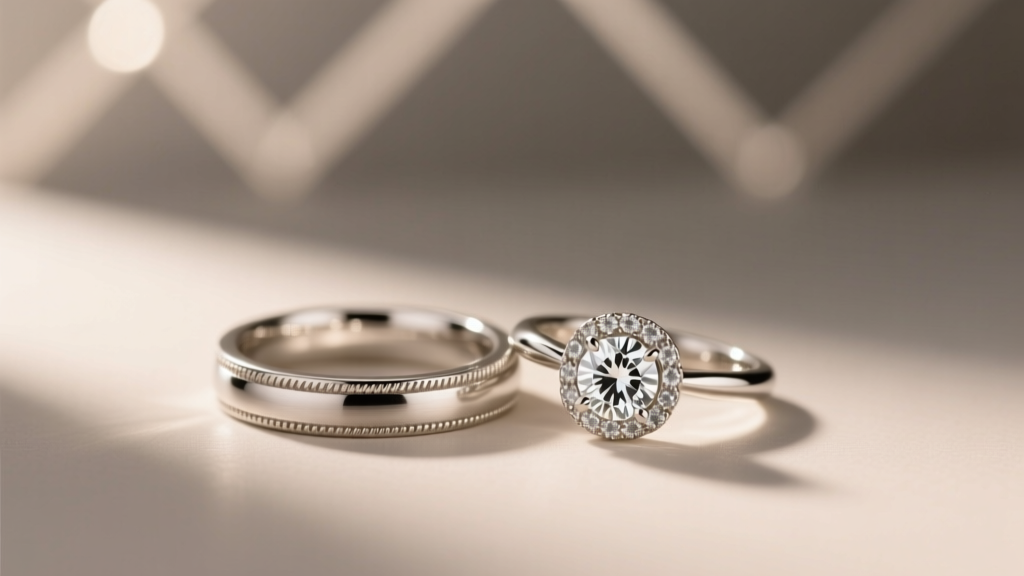 Wedding Band Matching: 7-Step Visual Guide (2026)
 Best Venues for Performance: A Metalsmith’s Practical Guide to Stage, Studio, and Public Exhibition Spaces
 Cheap vs Premium Wedding Venues Compared