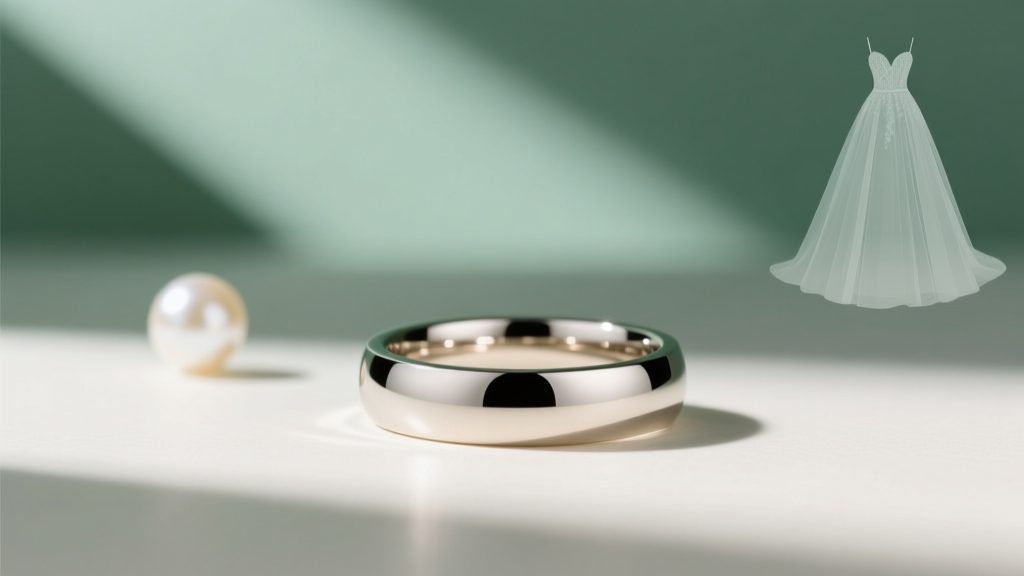
How to Choose a Wedding Band With a Satin Finish
A wedding band is the piece of jewelry you’ll wear more consistently than almost anything else you own. That’s why the finish matters just as much as the metal, the profile, and any gemstones. A satin finish—sometimes called brushed satin—has a soft, velvety sheen that sits beautifully between high-polish shine and fully matte textures.
Couples often choose satin wedding bands because they look refined without being flashy, photograph well in all lighting, and hide everyday smudges better than mirror-polished rings. The trade-off is that satin finishes can show “directional” wear over time, so knowing how satin is made and how to maintain it helps you pick a band you’ll love for decades.
This guide breaks down metal choices, style options, durability factors, and practical buying tips so you can confidently select a satin-finish wedding ring that fits your lifestyle and your budget.
What a Satin Finish Really Means (and How It’s Made)
A satin finish is created by adding micro-fine texture to the surface of the metal. Jewelers typically achieve it by:
- Brushing the ring with fine abrasive wheels or pads in a consistent direction (often called a brushed finish).
- Bead-blasting with tiny particles to create a soft, diffused glow (more “matte satin” and slightly more uniform).
- Hand-applied satin using specialty abrasives for a controlled, artisan texture—popular on custom wedding bands.
Compared with a high-polish finish, satin doesn’t reflect like a mirror; it reflects softly. Compared with a fully matte finish, satin usually has a gentle luster and a “silky” look.
Satin vs. Brushed vs. Matte: Quick Comparison
- Satin: Soft sheen, subtle reflections, refined look; can show directional wear.
- Brushed: Often used interchangeably with satin; typically has visible linear grain.
- Matte: More diffused, flatter look; may appear chalkier depending on metal and method.
Choosing the Right Metal for a Satin Wedding Band
The metal you choose affects the color, weight, durability, maintenance, and how a satin finish ages. Below are the most common wedding band metals and how they behave with satin finishing.
Platinum (950 Platinum)
Why couples love it: Platinum is naturally white, heavy, and extremely durable. With a satin finish, platinum looks sophisticated and “quietly luxurious.”
- Wear pattern: Platinum develops a patina over time; it tends to move rather than lose metal. Satin texture may soften into a more uniform glow.
- Best for: Everyday wear, active lifestyles, timeless classic looks.
- Consider: Higher upfront cost; periodic refinishing keeps the satin crisp.
White Gold (14K or 18K)
Why couples love it: Bright, classic look at a lower price point than platinum. Most white gold is rhodium plated for a crisp white color.
- Wear pattern: Satin texture can fade to semi-polished on high-contact areas. Rhodium plating can wear, especially at edges.
- Best for: Matching a white gold engagement ring; clean modern styling.
- Consider: Plan for occasional rhodium replating if you want that bright white tone.
Yellow Gold (14K or 18K)
Why couples love it: A timeless classic that’s trending again, especially in minimalist and vintage-inspired bridal sets. Satin yellow gold looks warm and understated.
- Wear pattern: Shows fine scratches less obviously than high-polish yellow gold; satin grain may become smoother over time.
- Best for: Classic bands, heirloom aesthetics, couples who want warmth without high shine.
- Consider: 14K is generally more scratch-resistant than 18K because it’s harder.
Rose Gold (14K or 18K)
Why couples love it: Romantic tone with a modern edge. Satin rose gold is subtle and flattering on many skin tones.
- Wear pattern: Similar to yellow gold; the copper content makes it relatively durable.
- Best for: Trend-forward sets, mixed-metal looks, soft vintage styling.
- Consider: Color varies by alloy—compare side-by-side if matching an engagement ring.
Titanium, Tungsten, and Alternative Metals
Alternative metals are popular for their price and durability, but they come with limitations.
- Tungsten carbide: Very scratch-resistant; satin can look sharp for a long time, but the ring can’t be resized and may chip if struck hard.
- Titanium: Lightweight and durable; satin looks modern, but resizing is often limited.
- Cobalt/ceramic: Modern appearance; maintenance depends on the specific material and finish method.
If you anticipate resizing (weight changes, knuckle changes, pregnancy), precious metals like gold or platinum are usually the safer long-term choice.
Style Details That Matter: Profiles, Edges, and Design Choices
Satin finish pairs well with both modern and classic band designs. Focus on the details you’ll feel and see every day.
Band Width and Thickness
- Narrow (2–3mm): Sleek, delicate look; great for stacking with engagement rings and anniversary bands.
- Medium (4–6mm): Balanced and popular for both men’s and women’s wedding bands.
- Wide (7–10mm+): Bold, contemporary statement; satin keeps wide bands from looking overly shiny.
Thicker bands often hold satin texture longer because there’s more surface area and the ring is less likely to “roll” against hard surfaces.
Comfort Fit vs. Standard Fit
A comfort-fit wedding band has a gently rounded interior that slides over the knuckle more easily and feels smoother all day—especially helpful for wider bands. For satin finishes, many couples choose comfort-fit because the exterior texture already adds a tactile element; comfort-fit keeps the inside effortless.
Edges: Soft, Rounded, or Knife-Edge
- Rounded edges: Traditional, comfortable, and less likely to catch on clothing.
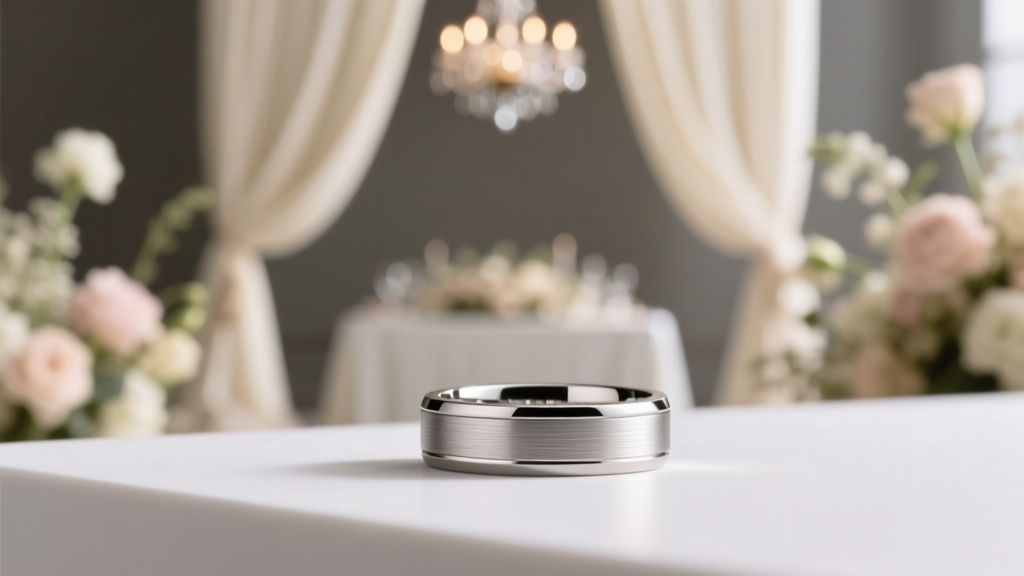
- Beveled edges: Modern and structured; often paired with satin centers and polished bevels.
- Knife-edge: Crisp, architectural line; looks striking with satin but can feel sharper on adjacent fingers.
Two-Tone and Mixed Finish Trends
One of today’s most popular wedding ring trends is a mixed-finish band: a satin center with high-polish edges, or alternating satin and polished panels. This adds contrast and can help hide wear. Two-tone bands (like yellow gold with a white gold inlay) also look especially refined with satin because the texture emphasizes the color difference without too much glare.
Gemstones and Satin Bands: What Works Best
Many couples choose a satin-finish band with diamonds or other gemstones for added sparkle. The key is balancing a soft metal texture with stones that still “read” clearly.
Diamond Accents: Cuts and Settings
- Pavé diamonds: Tiny stones set closely together; looks brilliant against satin metal, but requires careful maintenance and prong checks.
- Channel-set diamonds: Diamonds set between metal rails; a durable, clean-lined choice that pairs beautifully with satin finishes.
- Bezel-set diamonds: Each stone is wrapped in metal; very secure and sleek, ideal for active lifestyles.
For sparkle that doesn’t feel overly flashy, consider round brilliant diamonds in a channel setting. If you like a more modern look, princess-cut or baguette diamonds can echo the linear grain of a brushed satin finish.
Colored Gemstones
Sapphires (including blue, white, and pink) are the most popular choice for wedding bands after diamonds because they’re durable (Mohs 9). Satin-finish metal can make a sapphire appear richer and more intentional, especially in bezel or channel settings. Emeralds and opals are generally less ideal for daily-wear bands due to durability concerns.
Quality Factors: Craftsmanship Checks Before You Buy
- Consistency of the satin grain: Look for an even texture without patchy shiny spots.
- Clean transitions: If the band has polished edges or grooves, the borders should be crisp and symmetrical.
- Hallmarks and metal stamps: Check for 14K, 18K, PT950, etc.
- Stone security: For diamond bands, inspect prongs or channel walls; stones should sit level with no rattling.
- Comfort and balance: The ring shouldn’t spin constantly; proper sizing and profile help.
Practical Buying Tips for Satin-Finish Wedding Rings
- Try it next to your engagement ring: Satin can make a diamond engagement ring look even brighter by contrast. Check how the two sit together—especially with low-set centers.
- Ask how the finish is applied: Hand-satin and precision brushing can last longer and look more refined than quick machine finishing.
- Choose a forgiving design: Satin centers with polished edges often age better because minor wear blends into the design.
- Plan for resizing: If you want an alternative metal band, confirm the resizing policy before buying.
- Request a matching set: If both partners want satin bands, matching grain direction and finish type creates a cohesive look.
Care and Maintenance: Keeping a Satin Finish Looking Fresh
Satin finishes are durable, but they do change with wear. Maintenance is straightforward if you set expectations.
Daily Care
- Remove your ring for heavy lifting, gym work, gardening, and harsh cleaning chemicals.
- Wipe with a soft microfiber cloth to remove oils that can make satin look uneven.
At-Home Cleaning
- Use warm water, mild dish soap, and a soft toothbrush.
- Rinse thoroughly and dry with a lint-free cloth.
- Avoid abrasive pastes or aggressive polishing cloths on satin areas—they can create shiny patches.
Professional Refinishing
Most jewelers can reapply a satin finish during routine maintenance. Many couples schedule refinishing once or twice a year (or before big events and photos). If your band has diamonds, ask for a quick setting inspection at the same time.
Price Range and Value Tips
Satin finish itself doesn’t usually add much cost; price is driven by metal type, weight, brand, and gemstones.
- 14K gold satin band (plain, 3–6mm): Often a strong value choice with good durability for daily wear.
- 18K gold satin band: Higher gold content and a richer color; typically higher cost and slightly softer.
- Platinum satin band: Higher upfront investment; excellent longevity and premium feel.
- Diamond-accent satin band: Cost depends on total carat weight, diamond quality (cut, color, clarity), and setting style. Channel and bezel settings may cost more than simple pavé but can be more protective.
Value tip: If you love platinum’s look but want to manage budget, consider a slightly narrower width or a simpler profile. If you want diamonds, prioritize cut quality over higher color/clarity grades—well-cut stones sparkle more, especially against satin metal.
Common Mistakes to Avoid
- Assuming satin is “maintenance-free”: It hides smudges better than polish, but it will still need periodic refinishing to look crisp.
- Choosing a ring you can’t resize: Tungsten and some titanium bands can’t be resized; be realistic about long-term fit changes.
- Picking the wrong edge style for comfort: Sharp edges and very wide bands can feel bulky—try comfort-fit if you’re unsure.
- Over-polishing at home: Polishing products can remove satin texture and create uneven shine.
- Not checking how it stacks: A satin band with a tall engagement ring can cause rubbing; consider a spacer band or a contoured design.
FAQ: Satin-Finish Wedding Bands
Does a satin finish scratch easily?
All rings scratch over time, but satin finishes tend to make light scratches less obvious than high-polish surfaces. You may notice the grain becoming smoother in high-contact areas, which is normal and easy to refresh with professional refinishing.
Can a satin wedding band be resized?
Gold and platinum satin bands can usually be resized by a jeweler, then refinished to restore the satin texture. Tungsten and many titanium bands typically cannot be resized, so confirm before purchasing.
Will a satin band match a high-polish engagement ring?
Yes—this pairing is very popular. Satin metal can make a diamond center stone look brighter by contrast. If you want a more cohesive look, consider a mixed-finish band with polished edges.
Is satin finish good for men’s wedding bands?
Absolutely. Satin-finish men’s wedding bands are a modern classic because they look refined, feel understated, and work well in wider profiles like 6–8mm with comfort fit.
What’s better: brushed satin or bead-blasted satin?
Brushed satin often shows a linear grain and a slightly more “crafted” look, while bead-blasted satin is more uniform and matte-leaning. The best choice depends on your style and how you want wear to appear over time.
Can you put diamonds in a satin-finish band?
Yes. Channel-set and bezel-set diamonds are especially practical for daily wear. Pavé can look stunning but benefits from more frequent inspections to ensure prongs stay secure.
Next Steps: Choosing a Satin Band You’ll Love Long-Term
A satin-finish wedding band is one of the most wearable choices for couples who want a modern, understated ring with timeless appeal. Start by picking the metal that fits your lifestyle—platinum for heirloom durability, 14K gold for everyday value, or a mixed-metal design for a trend-forward look—then choose a profile and edge style that feels comfortable from morning to night. If you add gemstones, prioritize secure settings like channel or bezel for lasting peace of mind.
When you’re ready, explore more wedding band and engagement ring guides on weddingsift.com to compare finishes, metals, diamond settings, and matching bridal sets with confidence.
More Articles
 How to Propose With a Family Heirloom Ring
 Does The Wedding Band Go Above Or Below
 Best Places to Find Artisan Wedding Bands
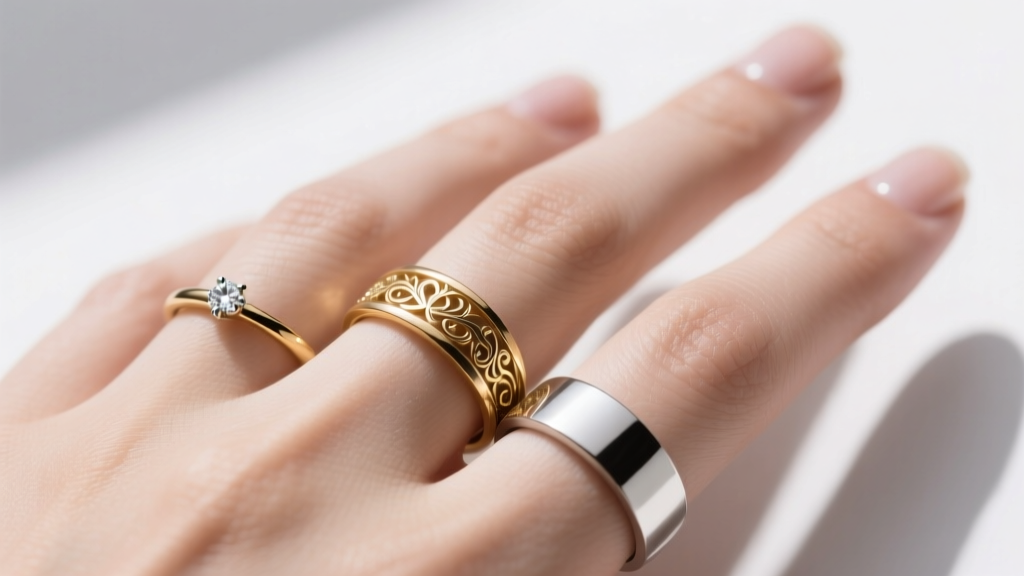 Wedding Ring and Band Stacking Rules (2026)
 How to Buy a Wedding Ring Online Without Getting Burned
 25th Wedding Anniversary Gifts for Husband (2026)
 Kunzite Engagement Rings Delicate Pink to Violet
 How to Choose a Wedding Band With a Two-Tone Design
 Vintage-Inspired Engagement Rings: How to Choose (2026)
 Titanium Wedding Bands Are They Right for You