How to Shop for Engagement Rings Online Safely
Shopping for an engagement ring online used to feel like a leap of faith. Today, it can be one of the smartest ways to compare styles, diamond shapes, gemstones, and prices—if you know what to look for. The best online jewelers provide grading reports, detailed photos, clear return policies, and craftsmanship guarantees that rival (and sometimes outperform) traditional storefront experiences.
Still, an engagement ring is not a typical online purchase. It’s a high-value piece of fine jewelry meant to last for decades, and it will be worn daily. Safe online ring shopping comes down to understanding quality factors (like the 4Cs and metal purity), verifying authenticity, and choosing a retailer who stands behind their work.
This guide breaks down exactly how to shop for engagement rings online safely—covering diamonds and gemstones, settings and metals, value tips, common mistakes, and how to make a confident final choice for a ring you’ll love long after the proposal.
Start With a Trusted Online Jeweler (and Know the Red Flags)
What a reputable engagement ring retailer should offer
- Independent grading reports for diamonds and many gemstones (often GIA or IGI for diamonds).
- Clear return and exchange policy with a realistic window (commonly 14–30 days) and straightforward conditions.
- Transparent warranties covering craftsmanship issues (like loose stones or manufacturing defects) and clear repair options.
- Multiple high-resolution images and/or 360° video so you can assess sparkle, inclusions, and finishing details.
- Full specs listed: carat weight, color/clarity, cut grade, fluorescence, measurements, and metal quality.
- Secure checkout, reputable payment methods, and published customer support contact details.
Red flags that should make you pause
- “Certified” diamonds without naming the lab or providing a report number you can verify.
- One blurry photo, vague descriptions, or missing details like measurements and cut information.
- Prices that seem dramatically lower than comparable stones (often tied to poor cut quality, undisclosed treatments, or misleading grading).
- No return policy, extremely short windows, or restocking fees hidden in fine print.
- Unclear metal stamping or no mention of gold purity (10K/14K/18K) or platinum grade (950).
Understand the Center Stone: Diamonds, Lab-Grown Diamonds, and Gemstones
The 4Cs for diamonds (and which ones matter most online)
When shopping for a diamond engagement ring online, the 4Cs—Cut, Color, Clarity, Carat—are your baseline. If you’re prioritizing beauty, start with cut.
- Cut: The biggest driver of sparkle. For round brilliant diamonds, look for Excellent (or ideal) cut grades when possible. For fancy shapes (oval, pear, emerald, cushion), cut grading is less standardized, so videos and proportions matter.
- Color: Many shoppers find G–I in white gold or platinum looks bright, while I–K can look warm (often beautiful in yellow or rose gold).
- Clarity: “Eye-clean” matters more than microscopic perfection. Many diamonds in VS2–SI1 ranges can be eye-clean, depending on the stone and where inclusions sit.
- Carat: Carat impacts size, but measurements (mm) tell you how large the diamond looks face-up. Two 1.00 ct diamonds can look different if one is cut deeper.
Lab-grown diamonds: a mainstream choice
Lab-grown diamonds are chemically and optically real diamonds, typically offering a larger look for the budget. They’re a strong option if you want a higher carat weight, a premium cut, or a more intricate setting without overspending. For safe online purchasing, apply the same standards: insist on a grading report, verify specs, and check return policies.
Gemstone engagement rings: what to confirm before buying
Gemstone engagement rings are trending—especially sapphires (blue, teal, and peach/montana-inspired shades), morganite, and emerald. Gemstones can be stunning, but they vary more than diamonds in durability and treatment.
- Sapphire (Mohs 9): Excellent for everyday wear. Heat treatment is common and accepted; ask for disclosure.
- Ruby (Mohs 9): Also durable; verify treatment and origin claims if they affect price.
- Emerald (Mohs 7.5–8): Often included and commonly oiled; needs protective settings and gentle care.
- Morganite (Mohs 7.5–8): Lovely blush tone but can show wear more easily; choose protective settings and clean regularly.
For gemstones, request details on treatments, origin (if advertised), and any certificates from reputable labs when available.
Choose the Right Metal: Durability, Color, and Maintenance
Gold (10K, 14K, 18K): what the numbers mean
Gold purity affects strength and color. For engagement rings and wedding bands, 14K gold is a popular balance of durability and richness. 18K gold has a deeper color but can be slightly softer. 10K gold is durable and budget-friendly, though paler in color.
Platinum (usually 950): premium and long-lasting
Platinum is naturally white, dense, and prized for secure stone settings. It develops a soft patina over time rather than losing metal like plated finishes. It costs more upfront but wears beautifully and is a classic choice for timeless engagement rings.
White gold and rhodium plating
Most white gold engagement rings are rhodium-plated for a bright white finish. Over time, plating can wear and require reapplication. This is normal maintenance—just factor it into long-term care.
Settings and Styles: What’s Trending and What’s Timeless
Classic engagement ring styles that never date
- Solitaire: One center stone, maximum focus and versatility with wedding bands.
- Halo: Surrounding accent diamonds for extra sparkle and perceived size.
- Three-stone: Symbolic and balanced; great for mixing shapes.
- Pavé band: Small diamonds along the band for high brilliance.
Current trends couples love right now
- Oval-cut diamonds and elongated shapes (oval, pear, marquise) for a flattering, finger-lengthening look.
- East-west settings (stone set horizontally), especially for ovals and emerald cuts.
- Bezel and semi-bezel settings for a sleek, modern look and strong protection.
- Hidden halos and subtle details under the center stone.
- Mixed metals (yellow gold shank with platinum prongs) for durability and contrast.
Safety tip: prioritize secure craftsmanship
For daily wear, pay attention to structural features: prong thickness, basket height, and whether the design protects the stone’s edges (especially for pear, marquise, and emerald cuts). If you’re active with your hands, consider a lower-profile setting or a bezel.
How to Evaluate Photos, Videos, and Certificates Online
Use the grading report like a checklist
For diamonds, confirm the report number and verify it on the lab’s website when possible (GIA, IGI, etc.). Review:
- Measurements (mm) and depth/table proportions
- Cut grade (for rounds), polish, symmetry
- Fluorescence (strong fluorescence can affect appearance in some stones)
- Inclusion plot and comments
Spotting common “looks” online
- Bow-tie effect: A shadowy area in the center of ovals, pears, and marquise. Mild is common; severe can dull sparkle. Use videos to judge.
- Windowing in gemstones: A see-through area that can reduce brilliance. Ask for additional photos in different lighting.
- Overly edited images: If every photo looks identical, request real-life images or a 360° view.
Price Range and Value Tips: Spend Smarter, Not Just More
What drives engagement ring pricing online
Center stone quality, carat weight, and setting complexity are the biggest factors. A platinum pavé setting with a larger center stone will naturally cost more than a simple 14K solitaire.
Value strategies jewelers use (that you can use too)
- Choose “just under” milestone carat weights (0.90 ct instead of 1.00 ct, 1.80 ct instead of 2.00 ct) for better pricing.
- Prioritize cut over clarity for diamonds: an eye-clean SI1 with an excellent cut often looks better than a higher-clarity stone with a weaker cut.
- Match metal to lifestyle: 14K gold is a durable everyday choice; platinum is excellent for prongs and long-term wear.
- Consider lab-grown diamonds if you want a larger diamond shape or premium specs while staying within budget.
- Be strategic with accent stones: A delicate pavé can add sparkle without needing a bigger center stone.
Practical Buying Tips for Online Engagement Rings
- Confirm ring size carefully: Use a sizing tool, measure an existing ring, or visit a local jeweler. Ask about free resizing (and whether resizing affects pavé or eternity bands).
- Ask about production timelines: Custom or made-to-order rings can take weeks. Plan ahead for proposals and travel.
- Review what’s included: Appraisal, certificate, warranty paperwork, and ring box—small details that matter.
- Insure the ring right away: Once purchased, add jewelry insurance or a rider through your provider, especially for travel and daily wear.
- Check matching options: If you’re also shopping wedding bands, confirm the engagement ring sits flush with bands—or plan for a contoured band.
Care and Maintenance: Keep Your Ring Looking New
- Clean at home weekly: Warm water, mild dish soap, and a soft brush. Rinse well and dry with a lint-free cloth.
- Avoid harsh chemicals: Chlorine, bleach, and abrasive cleaners can damage metal finishes and some gemstones.
- Schedule checkups: Every 6–12 months, have prongs and settings inspected for loosening—especially with pavé diamonds.
- Remove during high-impact activities: Gym workouts, heavy lifting, gardening, or anything that risks bending prongs or scratching gemstones.
Common Mistakes to Avoid When Shopping for Engagement Rings Online
- Buying based on carat weight alone: A well-cut 0.90 ct can look larger and brighter than a poorly cut 1.00 ct.
- Skipping the grading report: A “great deal” without reliable certification is rarely a great deal.
- Ignoring setting durability: Delicate prongs look elegant but must be engineered to hold the stone securely.
- Not considering lifestyle: A high-set halo can snag; an emerald-cut diamond has vulnerable corners; active lifestyles benefit from lower profiles and bezels.
- Forgetting long-term maintenance costs: White gold rhodium replating, resizing constraints for eternity bands, and pavé upkeep all matter.
- Waiting too long to order: Custom rings, holiday delays, and resizing can compress your proposal timeline.
FAQ: Shopping for Engagement Rings Online Safely
Is it safe to buy an engagement ring online?
Yes—when you shop with a reputable jeweler that provides independent grading reports, secure checkout, transparent policies, and clear warranty coverage. Verify certificates and read return terms before purchasing.
Which diamond certification should I look for?
For diamonds, GIA and IGI are widely recognized. The key is that the diamond is graded by an independent lab and that the report number is verifiable.
What’s the best metal for an engagement ring?
For everyday wear, 14K gold is a durable favorite, and platinum is a premium option known for strength and secure prongs. Your best choice depends on lifestyle, color preference, and budget.
How do I choose between a solitaire and a halo?
A solitaire is timeless, easy to pair with wedding bands, and highlights the center stone. A halo adds extra sparkle and can make the center look larger. Consider your style and how you want the ring to sit with future wedding bands.
Are lab-grown diamond engagement rings worth it?
For many couples, yes. Lab-grown diamonds offer the same visual and physical properties as mined diamonds, often at a more accessible price point—freeing budget for a larger stone or more intricate setting.
Can I return an engagement ring if it doesn’t look right in person?
That depends on the seller’s policy. Before buying, confirm the return window, condition requirements, and whether custom or engraved rings are final sale. A safe online purchase includes a clear, reasonable return or exchange option.
Next Steps: Buy With Confidence
Shopping for engagement rings online safely comes down to a few smart habits: choose a trusted jeweler, insist on verified certification, prioritize cut and craftsmanship, and select a setting and metal that fit real life—not just a photo. When you combine solid specs with a style you truly love—whether that’s a timeless round solitaire, a trending oval with a hidden halo, or a sapphire engagement ring with vintage details—you’ll end up with a ring that feels right every time you look at it.
For more help choosing diamonds, lab-grown stones, gemstone engagement rings, and matching wedding bands, explore more jewelry guides on weddingsift.com.
More Articles
 Wedding Band vs Ring: What's the Difference?
 Is It Bad Luck to Keep Your Wedding Ring After Divorce?
 Can You Resize a Wedding Ring Bigger? (2026)
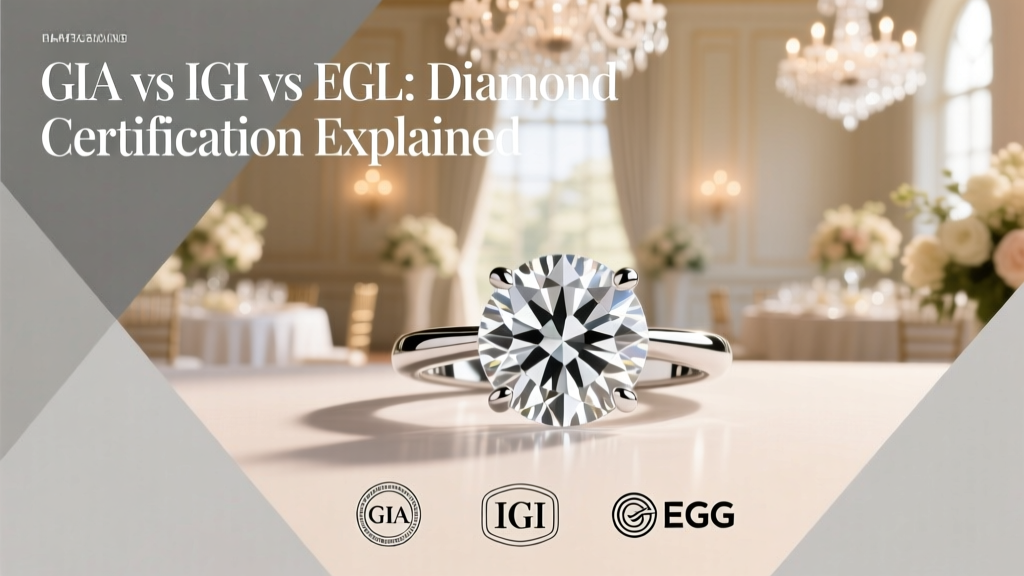 Diamond Certification GIA vs IGI vs EGL Explained
 How to Choose a Wedding Band to Wear During Workouts
 Gemology Grad Careers: Where They Land & Earn (2026)
 How to Wear Your Wedding Band Set (2026)
 Clean Wedding Rings at Home: 5 Safe Methods (2026)
 Why Aaron Rodgers Wears a Wedding Ring
 Wedding Ring Metal Options: Truth Behind Gold Alternatives