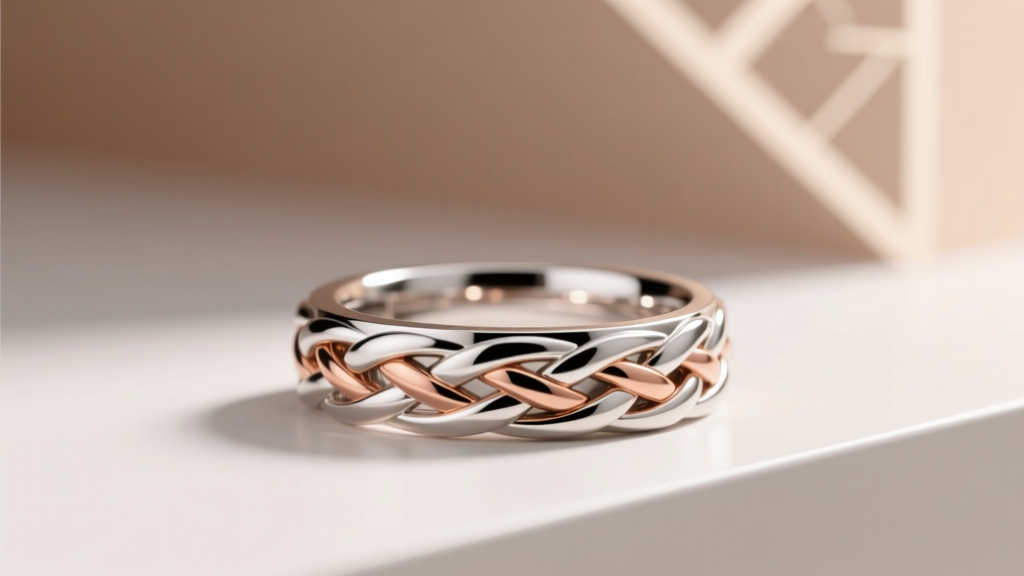
How to Choose a Wedding Band With a Braided Design
A braided wedding band has a way of feeling both romantic and grounded at the same time. The interlaced strands symbolize two lives woven together, but the look also reads as architectural—textured, dimensional, and full of detail even in a slim profile. For couples who want something more distinctive than a plain metal band (without going overly ornate), braided wedding rings hit a sweet spot.
Because a braid adds pattern and relief, it changes how a ring wears day to day: how it feels against neighboring rings, how it catches light, how it shows scratches, and even how comfortably it resizes. Choosing the right braided band is less about “pretty or not” and more about selecting the right metal, weave style, and craftsmanship for your lifestyle and budget.
This guide breaks down braided band styles, metal options, diamond and gemstone details, quality checkpoints, pricing, and care—so you can confidently pick a wedding band that looks great now and still makes sense years from now.
What Makes a Braided Wedding Band Different?
A braided (or “woven”) wedding band features two or more strands of metal that cross over one another in a repeating pattern. Some are purely sculptural metalwork; others incorporate diamonds or gemstones along one or more strands. The key distinctions are:
- Dimension: Braids add height and contours that reflect light differently than a flat band.
- Texture: The surface is broken up by ridges and valleys, which can help mask small scuffs but also collect lotion or soap residue if the weave is deep.
- Symbolism: Many couples like the “two becoming one” meaning—especially for matching wedding bands.
- Fit considerations: Depending on the braid depth, the ring may feel wider than its millimeter measurement suggests.
Popular Braided Band Styles (From Trend-Forward to Timeless)
Classic Two-Strand Twist
The most timeless option: two smooth strands crossing in a gentle rope-like pattern. This works beautifully in yellow gold, white gold, rose gold, and platinum. A two-strand twist is also one of the easiest braided styles to pair with an engagement ring, especially solitaires and simple pavé settings.
Rope Braid (Nautical-Inspired)
Rope designs have tighter, more frequent twists, creating a corded texture. This style is a classic that cycles through trends because it reads vintage without looking dated. Rope braids look especially sharp in high-polish yellow gold and can be elevated with diamond accents in the “valleys” of the braid.
Three-Strand or Multi-Strand Weave
Multi-strand braided wedding rings feel more intricate and slightly bolder. They’re popular for couples who want visual impact but prefer metal-focused designs over large stones. Look for balanced symmetry—uneven strand widths can look intentional and modern, but sloppy spacing can look like poor finishing.
Diamond-Accented Braids (Pavé, Bead-Set, or Channel)
Many current wedding ring trends lean toward texture + sparkle: one strand plain metal, one strand pavé diamonds, or alternating diamond stations within the braid. Common diamond settings include:
- Micro-pavé: Tiny diamonds held by small beads of metal; very sparkly, but requires excellent craftsmanship.
- Bead-set pavé: Similar to micro-pavé, slightly sturdier depending on bead size.
- Channel-set accents: Diamonds sit between two metal walls; cleaner lines and great durability for active lifestyles.
For diamonds, look for well-matched stones and consistent spacing. A braided band should look intentional from every angle, not “diamond-ish” from the top and messy on the sides.
Mixed Metal Braids
Interlacing two colors—like yellow gold with white gold, or rose gold with platinum—creates contrast and makes the braid easier to read visually. Mixed metal wedding bands are trendy right now, but also practical: they pair naturally with different jewelry colors and can coordinate with two-tone engagement rings.
Choosing the Right Metal: Comfort, Color, and Durability
Platinum
Best for: durability, naturally white color, and heirloom longevity. Platinum is dense and wears by developing a patina rather than “flaking off.” It’s a premium choice for a braided design because the details stay substantial over time. If you like a bright look, request a high-polish finish; if you prefer a softer glow, lean into the patina.
14K vs. 18K Gold (Yellow, White, Rose)
14K gold is a favorite for braided wedding bands because it’s harder and more scratch-resistant than 18K, which helps maintain crisp edges in a braid. 18K gold has a richer color (especially in yellow and rose) and a slightly more luxurious weight, but it can show wear sooner in high-relief patterns.
- Yellow gold: classic and forgiving; hides small scratches well.
- White gold: modern and bright; typically rhodium-plated for a crisp white finish.
- Rose gold: warm, romantic tone; complements vintage-inspired braids beautifully.
Alternative Metals (Titanium, Tungsten, Cobalt)
These can be budget-friendly and highly scratch-resistant (especially tungsten), but there’s a tradeoff: most alternative metals are difficult or impossible to resize, and intricate braided detailing may be limited. If you choose tungsten or titanium, prioritize comfort-fit interiors and confirm the brand’s replacement policy for size changes.
Gemstones and Diamond Details: What Works Best in a Braided Band?
Braided designs already create visual movement, so stones should enhance—not overwhelm—the pattern.
- Diamond shape: Round brilliant melee (tiny diamonds) is most common and sparkliest in pavé braids. Baguettes can look sleek in channel-set strands, giving a modern, linear contrast to the weave.
- Diamond quality: For small pavé stones, prioritize cut and overall match. A typical sweet spot is G–H color and VS–SI clarity (eye-clean) for excellent value.
- Gemstone accents: Sapphires (including blue, pink, and white sapphire) are durable and popular for subtle color. Emeralds and opals are less ideal for daily wear in exposed braided settings due to brittleness or sensitivity.
- Setting security: If your braid includes stones, look for protective metal around the edges. Deep valleys can be beautiful, but they shouldn’t leave diamonds snag-prone.
Quality and Craftsmanship Checks (What a Jeweler Looks For)
A braided wedding band should feel smooth, balanced, and intentionally finished. Here’s how to judge quality quickly:
- Crisp braid definition: The crossover points should be consistent and symmetrical (unless designed asymmetrically).
- Clean finishing: No sharp edges, rough seams, or porous spots. Run a fingertip along the sides—comfort matters.
- Even polish: High-polish braids should reflect evenly; brushed or satin finishes should look uniform without patchiness.
- Stone setting precision: Pavé beads should be neat and consistent. Diamonds should sit level and aligned with the strand.
- Comfort fit interior: Slightly rounded inner edges often make a braided ring easier to wear daily, especially at 4mm and wider.
Practical Buying Tips: Pairing, Fit, and Lifestyle
Pairing a Braided Band With an Engagement Ring
- Consider a contour or curved braid if your engagement ring has a large center stone or low-set basket. A straight braided band may leave a gap.
- Match the visual “busyness”: A pavé halo engagement ring pairs best with a simpler braid (metal-only or subtle pavé). A solitaire can handle a more detailed braided wedding band.
- Check flush fit: Ask for a side view photo or try-on. If the rings rub, it can speed wear on prongs or braid edges.
Pick the Right Width
Braided wedding bands commonly range from 2mm to 6mm. A few practical guidelines:
- 2–3mm: delicate, great for stacking, best for minimal braids or light pavé.
- 3–4mm: the most versatile; the braid reads clearly without feeling bulky.
- 5–6mm+: bold statement; ideal for deeper weaves and mixed metal patterns.
Think About Your Day-to-Day Wear
If you work with your hands, choose a lower-profile braid, sturdy metal (14K or platinum), and consider channel-set accents over micro-pavé. If you love sparkle and don’t mind occasional maintenance, a pavé braided band can be stunning.
Price Range and Value Tips
Braided wedding band pricing depends on metal, weight, and whether diamonds are included. Typical ranges:
- Plain braided bands: $300–$900 in 14K gold (varies by width and weight); $800–$1,800+ in platinum.
- Diamond-accented braided bands: $800–$2,500 for 14K/18K with pavé; $1,500–$4,000+ for platinum and higher total carat weight.
- Mixed metal braided bands: often $900–$2,500 depending on complexity and labor.
Best value moves: choose 14K gold for durability and cost efficiency, keep pavé to one strand (instead of full coverage), and prioritize craftsmanship over higher diamond color grades in tiny stones. A well-made braided wedding ring will look sharper longer and cost less to maintain.
Care and Maintenance for Braided Wedding Bands
- Weekly gentle cleaning: warm water, mild dish soap, and a soft toothbrush to reach the braid’s grooves. Rinse well and pat dry.
- Avoid harsh chemicals: bleach and chlorine can damage gold alloys and dull finishes.
- Professional checkups: if your braid has diamonds, have prongs/beads checked every 6–12 months. Micro-pavé benefits from regular inspections.
- Replating white gold: if rhodium-plated, expect re-dipping every 1–3 years depending on wear.
- Storage: keep braided bands separate from other rings to avoid scratching and snagging.
Common Mistakes to Avoid
- Choosing depth over comfort: a dramatic, high-relief braid can look amazing but feel sharp between fingers or rub adjacent rings.
- Ignoring resizing reality: intricate braids and eternity-style pavé can be difficult to resize cleanly. Confirm resizing options before you buy.
- Overpaying for diamond specs that won’t show: in tiny pavé stones, ultra-high color/clarity is rarely noticeable. Spend on setting quality instead.
- Buying a braid that fights your engagement ring: gaps, rubbing, or mismatched profiles can cause wear and feel awkward on the hand.
- Skipping a comfort-fit interior: especially on wider braided bands, comfort-fit makes daily wear much easier.
FAQ: Braided Wedding Bands
Do braided wedding bands snag on clothing?
A well-finished braid shouldn’t snag. Snagging usually comes from sharp edges, poorly finished crossover points, or raised pavé beads. Choose smooth sidewalls and inspect the ring by gently rubbing it against a knit fabric during try-on (or ask your jeweler to check finishing).
Are braided bands durable enough for everyday wear?
Yes—especially in platinum or 14K gold with a moderate profile. If the band includes micro-pavé diamonds, durability depends heavily on setting quality and regular inspections.
Can a braided wedding ring be resized?
Often yes, but it depends on the design. Simple two-strand braids in gold or platinum are commonly resizable within a limited range. Eternity pavé braids or alternative metals like tungsten are usually not resizable. Confirm this before purchase.
What finish looks best on a braided band: polished or matte?
High polish highlights the braid’s curves and gives the most contrast. Matte or brushed finishes make the texture subtler and can hide fine scratches. Many couples choose polished for a timeless look, or a mixed finish (polished braid with matte background) for a modern trend-forward feel.
Is a braided band good for stacking with other rings?
Yes, especially slimmer 2–3mm braided bands. If you plan to stack, keep the braid profile lower and consider a spacer band to reduce friction between rings.
Next Steps: Choosing a Braided Band You’ll Love Long-Term
For most couples, the best braided wedding band is a 3–4mm comfort-fit braid in 14K gold or platinum, with either a clean metal-only weave for timeless wear or a single strand of pavé diamonds for a balanced, on-trend sparkle. Focus on crisp craftsmanship, smooth finishing, and a profile that pairs comfortably with your engagement ring.
If you’re comparing styles, try on at least two widths and two metal colors, then decide whether you want the braid to be the main statement or a subtle texture beside your center stone. For more help narrowing down metals, diamond details, and matching sets, explore more jewelry guides on weddingsift.com.
More Articles
 Wedding Ring Loss Prevention: 7 Proven Tactics (2026)
 Opal Engagement Rings Unique Beauty and Fragility
 How to Choose an Engagement Ring for Active Lifestyles
 How to Choose a Wedding Band That Fits Your Lifestyle
 How to Clean a Gold Wedding Ring Safely (2026)
 Heart-Shaped Diamonds Romantic and Unique
 How Much Does a Men's Wedding Ring Weigh? (2026)
 Kunzite Engagement Rings Delicate Pink to Violet
 Meteorite Wedding Bands Out-of-This-World Material
 How to Choose an Engagement Ring With a Vintage Engraving