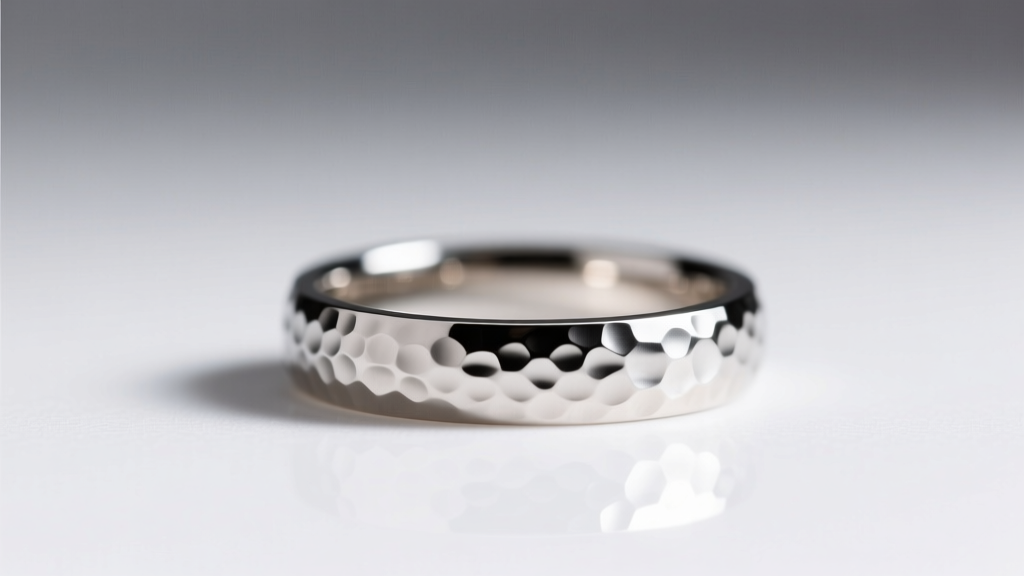
How to Choose a Wedding Band With a Hammered Finish
A hammered finish wedding band has a way of feeling both ancient and modern at the same time. The lightly dimpled surface catches light in a softer, more organic way than a high-polish ring, and it looks intentionally “made by hand”—even when crafted with today’s precision tools. For many couples, that texture also carries symbolism: two people, two stories, shaped into something lasting.
Hammered wedding bands are also incredibly versatile. They can lean rustic, minimalist, bohemian, or even sleek and contemporary depending on the metal, band width, edge profile, and whether you add diamonds or gemstones. The key is choosing a hammered ring that fits your lifestyle, matches your engagement ring (if you’ll wear them together), and is made with the right craftsmanship so the texture stays beautiful for decades.
This guide walks you through the metals, styles, quality markers, and practical buying tips that help you choose a hammered finish wedding band you’ll love wearing every day.
What a Hammered Finish Really Means
A hammered finish is created by striking the metal surface with a hammer (or using specialized tools) to form small facets and dimples. Unlike satin or brushed finishes—which rely on abrasion—hammering physically moves the metal, creating a texture that reflects light in a scattered, shimmering pattern.
Hand-hammered vs. machine-textured
- Hand-hammered: Typically has more variation and character. Each mark is slightly different, which many couples find more romantic and unique.
- Machine-textured or precision-hammered: More uniform and repeatable, often ideal if you want a consistent pattern or need a perfect match between two bands.
Both can be excellent—what matters is whether the maker executes the pattern cleanly and evenly, without thin spots, sharp edges, or weak areas.
Choosing the Best Metal for a Hammered Wedding Band
The metal you choose affects the ring’s color, durability, maintenance, and how the hammered texture ages. Hammering can make a ring look more forgiving with daily wear, but each metal behaves differently over time.
14K vs. 18K gold (yellow, white, and rose)
- 14K gold: A popular choice for wedding bands because it’s durable and more scratch-resistant than 18K, thanks to a higher percentage of alloy metals. Hammered texture stays crisp longer with everyday wear.
- 18K gold: Richer color and a more luxurious feel, but slightly softer. A hammered finish can “relax” or smooth a bit over years of wear, especially on high-contact areas.
- Yellow gold: A timeless classic. Hammering adds depth and a warm glow, especially in 18K.
- White gold: Often rhodium-plated for a bright white look. Hammering can make replating schedules more noticeable if the underlying tone differs.
- Rose gold: Romantic and on-trend, with a vintage feel. Because copper is part of the alloy, rose gold can be quite durable for daily wear.
Platinum
Platinum is naturally white, dense, and highly durable. It tends to develop a patina rather than losing metal from scratches—meaning it “moves” more than it chips. A hammered platinum wedding band looks exceptional because the texture and patina work together to create a soft, lived-in glow. If you want a luxury metal that ages gracefully, platinum is hard to beat.
Palladium
Palladium is part of the platinum family and is naturally white. It’s lighter than platinum and can be a great alternative for those who want a similar look with less weight. Availability varies by jeweler, and sizing can be more specialized, so confirm resizing policies before buying.
Titanium and tungsten
These modern metals are known for toughness and affordability, and hammered styles are popular in men’s wedding bands. Two cautions:
- Resizing: Tungsten is typically not resizable; titanium can be difficult or limited.
- Finish longevity: Some “hammered” looks in these metals are created with coatings or pre-fabricated textures. Ask how the finish is applied and whether it can be refreshed.
Style Decisions That Change the Whole Look
Two hammered rings can look completely different based on a few design choices. These are the details jewelers focus on when helping couples narrow the perfect wedding band.
Band width and thickness
- 2–3mm: Delicate, great for stacking or pairing with an engagement ring. Works well with fine hammering for a subtle shimmer.
- 4–6mm: A classic range for many wedding rings—balanced, noticeable, comfortable.
- 7–10mm: Bold and modern. The hammered pattern becomes a defining feature, especially in matte or satin variations.
Thickness matters for longevity. A very thin band may wear down faster at the bottom (the palm side), especially with deep hammering.
Edge profile: comfort and aesthetics
- Comfort fit: Rounded interior that slides on easily and feels smoother during daily wear.
- Flat vs. dome (half-round): Flat profiles read modern; domed profiles feel traditional and timeless.
- Beveled edges: A crisp, architectural look that pairs nicely with hammered texture.
Matte hammered vs. polished hammered
A hammered finish can be combined with different base finishes:
- Polished hammered: Higher sparkle and more contrast between facets—great if you want the texture to stand out.
- Matte or satin hammered: More understated, modern, and forgiving of small scratches.
Mixed metals and two-tone trends
One of today’s biggest wedding ring trends is mixing metals: a yellow gold band with white gold edges, or a platinum band with a rose gold inlay. Hammering helps blend the look and adds craftsmanship appeal. If your engagement ring is white gold or platinum, a two-tone hammered band can bridge warm and cool tones beautifully.
Adding Diamonds or Gemstones to a Hammered Band
Hammered wedding bands don’t have to be gemstone-free. The key is choosing a setting style that complements the texture and stays secure with everyday wear.
Diamond accents that work well with hammering
- Flush set (gypsy set) diamonds: Diamonds sit level with the metal, making them practical and sleek. Round brilliant diamonds are the most common here because they’re durable and sparkle well even in smaller sizes.
- Bezel-set stones: A thin rim of metal wraps the diamond, offering excellent protection and a clean, modern look.
- Scattered “star-set” diamonds: Trend-forward and artsy, especially on wider bands. The hammered texture and star setting together create a handcrafted vibe.
Gemstone options beyond diamonds
If you want color, choose stones that stand up to daily wear:
- Sapphires (including blue, white, and parti sapphires): Strong, timeless, and popular for modern couples.
- Rubies: A bold classic with excellent durability.
For softer gemstones like emerald or opal, most jewelers recommend occasional-wear rings rather than a daily wedding band—especially with textured finishes that may invite extra knocks and bumps.
Quality and Craftsmanship: What to Look For
Even texture and clean finishing
Hammer marks should look intentional, not random dents. Check for:
- Consistent pattern across the band
- No sharp points or raised burrs
- Smooth edges and a comfortable interior
Hallmarks and metal verification
Look for a karat stamp (14K, 18K) or “PT”/“PLAT” for platinum. If you’re buying online, confirm the seller provides metal documentation and a clear return policy.
Resizing and future serviceability
Even couples who measure carefully can need resizing—especially if you’re ordering months ahead of the wedding. Ask:
- Is this metal resizable?
- Will resizing disrupt the hammered finish?
- Can the jeweler re-hammer or refinish after sizing?
Practical Buying Tips for Couples
Match your engagement ring (or intentionally don’t)
If you’ll wear a wedding band with an engagement ring, consider how they sit together. Hammered bands can be slightly irregular; a straight hammered band may leave a small gap next to a large center stone setting. If that bothers you, ask about a subtle contour band or a custom fit.
Try on similar widths before committing
Width changes comfort dramatically. A 3mm band and a 6mm band feel like different jewelry. If you’re shopping online, visit a local jeweler to try on widths in person.
Think about your daily routine
If you work with your hands, lift weights, or wear gloves often, a comfort-fit interior, durable metal (14K gold or platinum), and flush-set stones (if any) tend to be the easiest to live with.
Care and Maintenance for Hammered Wedding Bands
- Cleaning: Warm water, mild dish soap, and a soft toothbrush. Rinse well and pat dry with a lint-free cloth.
- Avoid harsh chemicals: Chlorine and strong cleaners can damage alloys and finishes, and may loosen settings over time.
- Refinishing: Hammered textures can be refreshed. Ask your jeweler if they offer re-hammering, matte re-satinizing, or polishing services.
- Stone checks: If your band has diamonds or gemstones, schedule a setting inspection once or twice a year.
Price Range and Value Tips
Hammered wedding band pricing depends on metal type, band width/thickness, and whether stones are added. Typical ranges:
- 14K gold hammered band (plain): often $400–$1,200 depending on width and brand
- 18K gold hammered band (plain): often $600–$1,800+
- Platinum hammered band (plain): often $900–$2,500+
- Diamond-accent hammered band: commonly add $200–$2,000+ depending on total carat weight, diamond quality, and setting style
- Titanium/tungsten hammered band: often $100–$400
How to get the best value
- Prioritize craftsmanship over complexity: A well-made plain hammered band often outlasts a cheaper ring with extra details.
- Choose 14K for daily wear value: It’s a sweet spot of durability, price, and classic fine-jewelry status.
- Be strategic with diamonds: Small, well-set round brilliant diamonds in flush settings give sparkle with minimal maintenance.
Common Mistakes to Avoid
- Choosing a ring that can’t be resized: Especially risky if you’re ordering early or unsure about width comfort.
- Assuming hammered means “scratch-proof”: Texture can disguise wear, but all precious metals scratch with time.
- Ignoring edge comfort: Beautiful texture won’t matter if the ring pinches or irritates your skin.
- Over-texturing a very thin band: Deep hammering on a thin ring can reduce durability over years of wear.
- Not considering how it pairs with the engagement ring: Height, gap, and metal color all affect the overall bridal set look.
FAQ: Hammered Finish Wedding Bands
Do hammered wedding bands scratch easily?
They scratch like any metal ring, but the textured surface helps disguise small marks. Platinum will show a patina; gold may show fine scratches more clearly in high-polish areas. A matte hammered finish is typically the most forgiving.
Will a hammered finish wear down over time?
It can soften slightly, especially on the bottom of the ring where it rubs against surfaces. A skilled jeweler can usually refinish or re-hammer the surface during routine maintenance.
Is a hammered band a good match for a solitaire engagement ring?
Yes—this is a timeless pairing. A simple solitaire (round, oval, cushion, or emerald cut) looks great with a hammered wedding band because the texture adds contrast without competing with the center stone.
Can you add diamonds to a hammered wedding band?
Absolutely. Flush-set or bezel-set diamonds are popular because they sit securely and complement the handcrafted look. Round brilliant diamonds are the most common, but princess cuts or small baguettes can work in more geometric designs.
Which metal is best for an active lifestyle?
For fine jewelry, 14K gold and platinum are top choices. If you want a lower-cost option, titanium can work well, but confirm sizing limitations and how the hammered texture is achieved.
How do I choose the right width for a hammered ring?
Try on multiple widths if possible. Many people love 4–6mm for balance. If you want a subtle accent next to an engagement ring, 2–3mm is often ideal; for a bolder statement, consider 7–8mm with a comfort-fit interior.
Next Steps: Finding “The One” in a Hammered Band
Start by choosing the right metal for your lifestyle (14K gold for durable everyday wear, platinum for a naturally white, heirloom feel), then narrow your preferred width and profile. From there, decide whether you want a polished hammered sparkle, a matte hammered modern look, or a mixed-metal design that reflects today’s wedding ring trends while staying timeless.
If you’re ready to compare styles, explore more wedding band and engagement ring guides on weddingsift.com to help you choose a ring set that looks right, feels right, and lasts.
More Articles
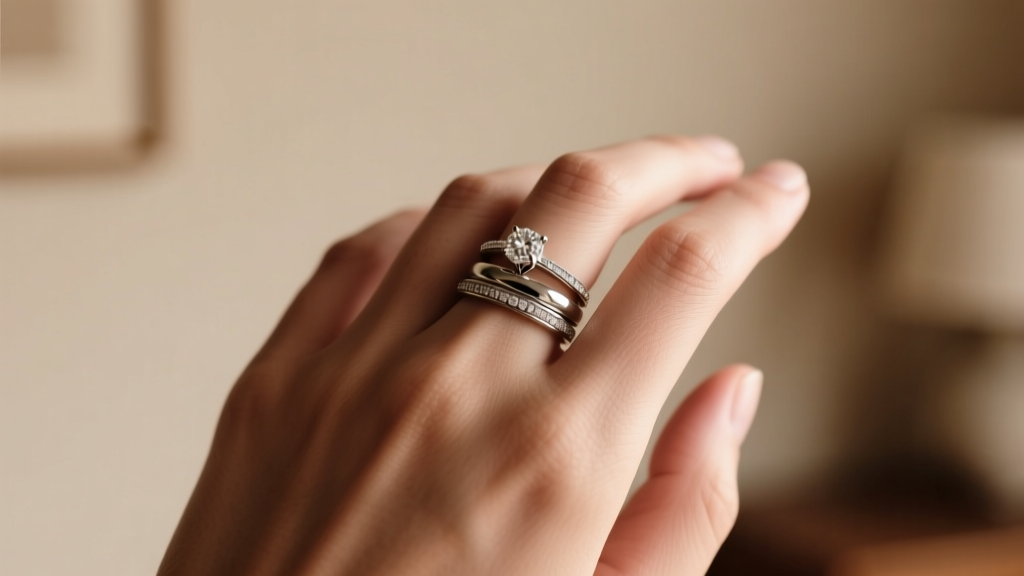 Wedding Set Order: How to Stack Rings Correctly (2026)
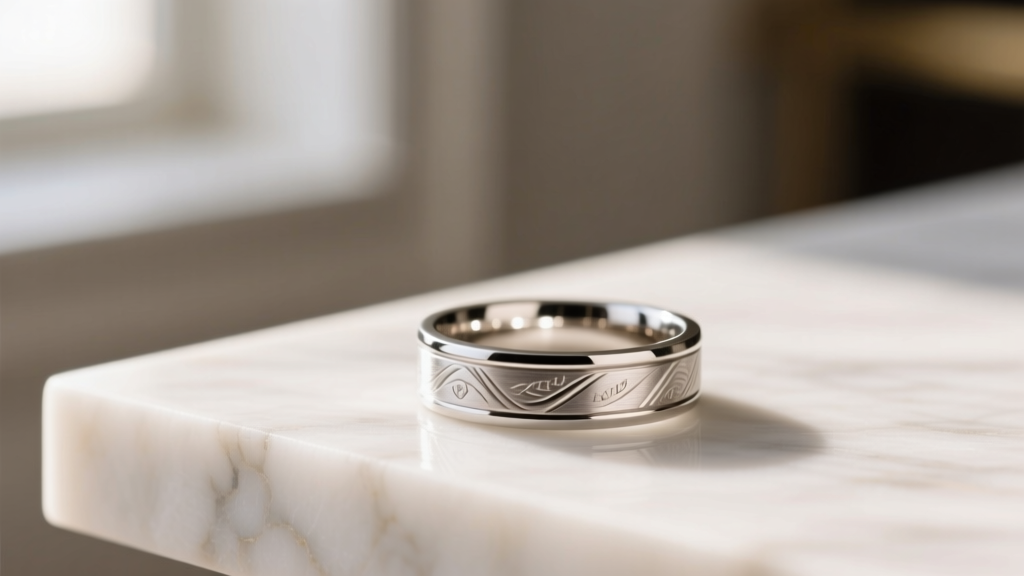 How to Identify Quality Craftsmanship in Wedding Bands
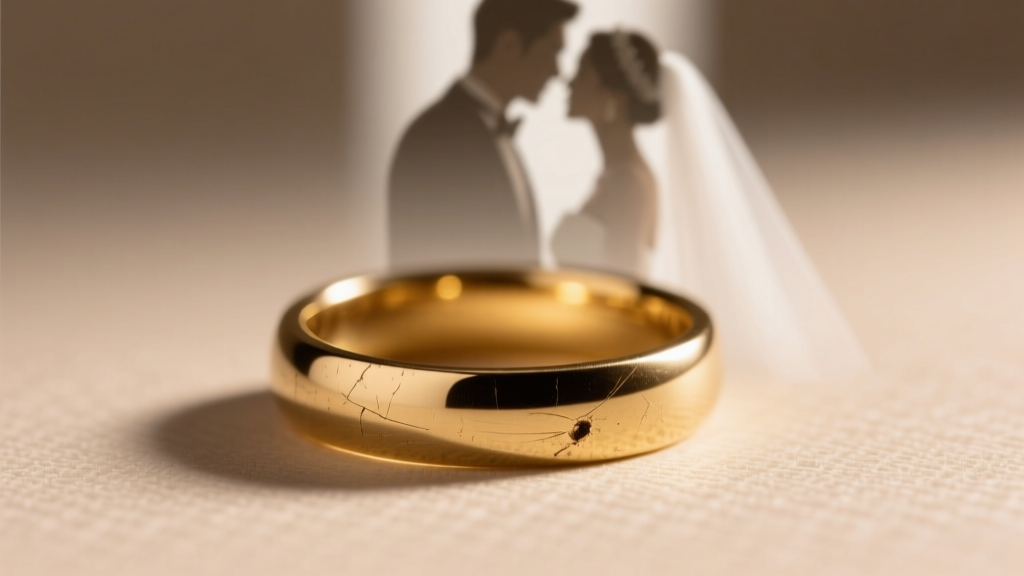 Gold Wedding Band Durability: Choose One That Lasts (2026)
 Men's Black Wedding Bands: Materials Explained
 How to Resize a Wedding Ring Without Damaging It
 How to Choose a Wedding Band With a Mixed Metal Design
 Wedding Shower Gifts: What to Bring & How Much to Spend
 Wedding Ring Metals Compared: Platinum vs Gold in 2026
 Black Diamond Engagement Rings Bold and Unique Choice
 Is It Bad Luck to Keep Your Wedding Ring After Divorce?