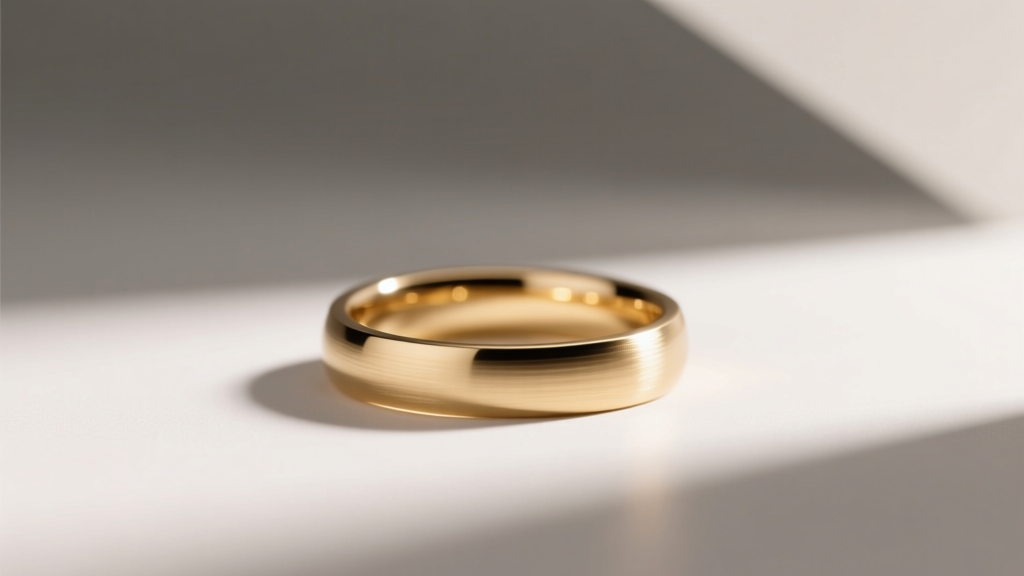
How to Choose a Wedding Band With a Brushed Gold Finish
A brushed gold wedding band has a quiet confidence that many couples love: it doesn’t shout for attention, but it looks intentional, modern, and elevated. The soft, satin-like sheen flatters nearly every skin tone, pairs beautifully with both classic engagement rings and contemporary designs, and tends to hide small scuffs better than a mirror-polished finish.
That said, “brushed gold” isn’t one single look. The type of gold alloy, the exact brushing technique, the band’s width and profile, and even your lifestyle all affect how the ring will wear over time. Choosing well means understanding what you’re buying—so you get a wedding band that stays comfortable, complements your engagement ring, and keeps its character through years of daily wear.
This guide breaks down the materials, craftsmanship, styles, and practical buying tips that matter most when shopping for a brushed gold wedding band.
What Is a Brushed Gold Finish (and Why Couples Love It)?
A brushed finish (often called satin, matte, or sanded—though these can differ) is created by applying fine, directional abrasions across the metal surface. Instead of reflecting light like a high polish, brushed gold diffuses light, giving a velvety glow. It’s popular for couples who want a wedding ring that feels refined and wearable, not flashy.
Brushed vs. Matte vs. Hammered: Quick Comparison
- Brushed / Satin: Fine lines (usually directional) create a soft sheen. Great at disguising minor scratches.
- Matte: A flatter, more powdery look. Some matte finishes can become shinier over time with wear.
- Sandblasted: Textured, granular surface. Can feel more “industrial” and may pick up shine on high points.
- Hammered: Faceted, dimpled texture that sparkles subtly. The texture itself becomes the design.
Choosing the Right Gold: Yellow, White, or Rose
The brushed finish changes how gold reads on the hand. Because the surface is less reflective, the color appears slightly softer and more “tonal” than a polished ring.
Yellow Gold (Classic and Timeless)
Brushed yellow gold is a favorite for couples who want a timeless wedding band with a vintage-friendly feel. It pairs well with solitaire engagement rings, warm-toned diamonds, and classic prong settings.
- Best for: Traditional styles, heirloom-inspired sets, warmer skin tones.
- Trend note: Yellow gold continues to dominate as a modern classic, especially with satin finishes and thicker bands.
White Gold (Clean, Contemporary, and Crisp)
White gold typically has a rhodium plating for a bright, white appearance. A brushed finish makes white gold look sleek and modern, complementing platinum-style engagement rings and crisp, architectural settings like bezel or channel.
- Best for: Modern engagement rings, cool-toned jewelry wardrobes.
- Maintenance note: Rhodium plating can wear over time, especially on high-contact areas.
Rose Gold (Warm, Romantic, and Trend-Forward)
Rose gold gets its blush tone from copper in the alloy. In a brushed finish, rose gold looks particularly soft—romantic without being overly shiny. It’s striking when paired with champagne diamonds, morganite, or mixed-metal ring stacks.
- Best for: Romantic styles, unique sets, mixed-metal stacks.
- Durability note: Rose gold alloys are often slightly tougher due to copper content.
Gold Purity: 14K vs. 18K for a Brushed Finish
One of the most common wedding ring decisions is choosing between 14K and 18K gold. Both are excellent—your best choice depends on wear habits and the look you want.
14K Gold (Durable Everyday Choice)
14K gold contains 58.5% pure gold and more alloy metals for strength. For a brushed gold wedding band, 14K is a practical pick if you work with your hands, hit the gym often, or want a ring that resists dents and deep scratches better.
18K Gold (Richer Color, Slightly Softer)
18K gold is 75% pure gold. It has a richer yellow tone and a luxurious feel, but it’s a bit softer than 14K. A brushed finish on 18K can look especially buttery and elegant—ideal for couples prioritizing color and a high-end look.
Jeweler’s tip: If you love the look of 18K but want more resilience, consider a slightly thicker band or a comfort-fit interior to keep the ring structurally strong.
How the Brushed Finish Is Made: Craftsmanship Details That Matter
Not all brushed finishes are equal. Two rings can be labeled “brushed gold” and look completely different depending on technique and quality.
Directional Brushing
This is the most common. The finish has fine lines running in one direction (around the band or across it). A well-made directional brush looks even and intentional—no patchy spots or random swirls.
Crosshatch or Multi-Directional Brushing
This creates a more textured, slightly rugged look. It’s great for hiding wear, but should still appear uniform, not chaotic.
Brushed Center + Polished Edges (Two-Tone Look Without Mixed Metals)
A popular current trend is a brushed center with high-polish beveled edges. This gives the band dimension and a crisp outline, and it pairs beautifully with engagement rings that have polished prongs or a polished halo.
Hand-Applied vs. Machine-Applied Finish
Machine brushing can be very consistent, while hand brushing can look more artisanal. Ask the retailer whether refinishing is available and how closely they can match the original grain when the ring needs refreshing.
Band Style: Width, Profile, and Comfort Fit
Brushed gold is all about subtle texture, so the band’s shape and proportions really matter.
Band Width: 2mm to 8mm+
- 2–3mm: Delicate, minimalist, great for stacking or pairing with thin engagement rings.
- 4–6mm: The most popular range for a balanced, everyday wedding band presence.
- 7–8mm+: Bold, contemporary, and often chosen for statement men’s wedding bands or modern unisex looks.
Profiles: Flat, Dome, and Beveled
- Flat: Modern and clean; the brushed finish reads strongly on a flat surface.
- Dome (half-round): Timeless; the brushed glow looks soft and classic.
- Beveled edges: A favorite trend for a tailored look and sharper definition.
Comfort-Fit Interior
Comfort-fit bands have a slightly rounded interior, making the ring easier to slide over the knuckle and more comfortable for daily wear. If you’re choosing a wider band (5mm+), comfort fit is usually worth it.
Adding Diamonds or Gemstones to a Brushed Gold Band
Brushed gold pairs beautifully with diamonds because the satin finish lets the stones sparkle without competing with a shiny surface. If you want a little brilliance, consider these options.
Diamond Cuts and What They Look Like on a Band
- Round brilliant: Maximum sparkle; classic for pavé and shared-prong bands.
- Princess cut: Crisp, geometric sparkle; often used in channel settings.
- Baguette: Sleek, understated shine; very popular in modern and Art Deco-inspired bands.
Settings That Work Well With Brushed Finishes
- Channel setting: Diamonds sit protected between metal walls. Great for active lifestyles.
- Bezel setting: Each stone is framed by metal. Clean, modern, very secure.
- Pavé setting: Small diamonds set closely together. Beautiful, but requires more mindful wear and occasional maintenance.
Quality note: Ask about diamond color and clarity ranges (for example, G–H color and VS–SI clarity are common “sweet spots” for value). For a wedding band with small accent stones, cut quality and secure setting work usually matter more than ultra-high clarity.
How a Brushed Band Pairs With an Engagement Ring
Couples often choose a brushed wedding band to balance a more sparkly engagement ring. The key is matching shape and height so the rings sit well together.
Gap vs. Flush Fit
- Flush fit: The band sits tight against the engagement ring. This can require a contoured or notched band if your center setting is low or has a wide basket.
- Intentional gap: A small space can look modern and helps prevent metal-on-metal wear between rings.
Mixed Finishes Are On-Trend (and Still Timeless)
A polished engagement ring with a brushed gold wedding band is a current favorite. The contrast looks intentional and sophisticated. If you prefer a matched set, you can choose both rings in brushed finishes—but expect the engagement ring’s finish to show wear more quickly if it has exposed edges and prongs.
Price Ranges and Getting the Best Value
Pricing for a brushed gold wedding band depends on gold karat, band width/weight, craftsmanship, and whether you add diamonds or gemstones.
- Simple brushed gold band (14K, 3–5mm): Often in the mid-hundreds to low-thousands, depending on weight and brand.
- Heavier or wider bands (6–8mm+, 14K or 18K): Commonly reach into the low-thousands and up, especially with comfort fit and premium finishing.
- Brushed band with diamonds (channel, bezel, or pavé): Typically higher due to stone cost and labor-intensive setting work.
Value Tips That Actually Help
- Prioritize metal weight: A slightly heavier band usually wears better long-term than an ultra-thin, ultra-light one.
- Choose 14K for durability: If you’re tough on rings, 14K often gives the best cost-to-longevity ratio.
- Opt for secure settings: Channel and bezel settings add cost but can save money and stress on repairs later.
- Ask about refinishing: Many jewelers offer complimentary or low-cost re-brushing during routine inspections.
Care and Maintenance: Keeping a Brushed Gold Finish Looking Great
A brushed finish is forgiving, but it isn’t maintenance-free. Over time, high-contact areas can become shinier, especially on the underside of the band.
At-Home Cleaning
- Use warm water, mild dish soap, and a soft toothbrush.
- Rinse well and dry with a lint-free cloth.
- Avoid abrasive cleaners and polishing cloths designed to create shine—they can alter the brushed grain.
When to Remove Your Ring
- Weightlifting, heavy yard work, or using power tools (dents and deep scratches can happen fast).
- Swimming in chlorinated pools and hot tubs (chemicals can affect alloys over time).
- Using harsh household chemicals like bleach.
Professional Re-Brushing
Most brushed gold wedding bands can be re-finished to restore the original satin look. Plan on periodic touch-ups depending on your wear habits—some couples do it once a year, others every few years.
Common Mistakes to Avoid When Buying a Brushed Gold Wedding Band
- Choosing the wrong width for your hand: A 2mm band can feel too delicate for some, while an 8mm band can feel bulky. Try multiple widths.
- Ignoring comfort fit: Especially on wider bands, comfort fit can be the difference between loving your ring and constantly noticing it.
- Assuming “matte” always means “brushed”: Confirm the finish type and ask for close-up photos or video in natural light.
- Not thinking about ring pairing: If you want a flush fit with your engagement ring, confirm the band will sit properly before buying.
- Over-polishing at home: Polishing cloths can turn brushed areas shiny and uneven, creating patchy contrast.
- Skipping questions about resizing: Some designs (especially eternity bands or heavily set bands) can be difficult or impossible to resize.
FAQ: Brushed Gold Wedding Bands
Does a brushed gold wedding band scratch easily?
All gold can scratch because it’s a precious metal, but brushed finishes tend to camouflage small scratches better than high polish. Deep dents depend more on gold karat, band thickness, and your daily activities.
Will a brushed finish wear off and turn shiny?
High-contact areas can become shinier over time, especially on the underside of the band. The good news: a jeweler can usually re-brush the surface to restore the original satin look.
Is 14K or 18K better for a brushed gold wedding band?
14K is typically better for durability and everyday wear. 18K offers richer color and a more luxurious feel but can show dents a bit more easily. If you want 18K, consider a slightly thicker band for longevity.
Can I get a brushed gold band with diamonds?
Yes. Brushed gold looks fantastic with diamonds—especially in channel, bezel, or pavé settings. For active lifestyles, channel or bezel settings offer the most protection for the stones.
How do I match a brushed wedding band to my engagement ring?
Focus on metal color first (yellow, white, or rose), then decide whether you want matching finishes or a contrast (polished engagement ring + brushed band is very popular). Finally, confirm the rings sit well together—flush, contoured, or with an intentional gap.
Is white gold brushed finish high-maintenance?
White gold may require occasional rhodium replating to keep a bright white tone, depending on your body chemistry and wear. Brushing can be refreshed during the same service visit.
Next Steps: Choosing the Brushed Gold Band You’ll Love Long-Term
The best brushed gold wedding band is the one that fits your lifestyle, feels comfortable from day one, and complements your engagement ring without fuss. Start by choosing your gold color and karat, then narrow down width and profile, and finally decide whether you want a clean, minimalist band or added sparkle through diamonds in secure settings like channel or bezel.
If you’re ready to keep comparing styles, finishes, and ring pairings, explore more expert jewelry guides on weddingsift.com to find the wedding band that feels like it was made for you.
More Articles
 Favors Common Mistakes
 Can You Resize a Wedding Ring Bigger? (2026)
 How to Wear Your Wedding Ring and Band the Right Way
 Red Diamond Rarest Natural Diamond Color
 Wedding Band Metal Choice: Avoid Regret (2026)
 Two-Piece Wedding Ring Rules (2026)
 Modern Minimalist Engagement Ring Guide
 How to Choose an Engagement Ring for Small Hands
 How to Choose an Engagement Ring With a Bezel Setting
 Chicago Wedding Ring Stores (2026) | Verified Jewelers