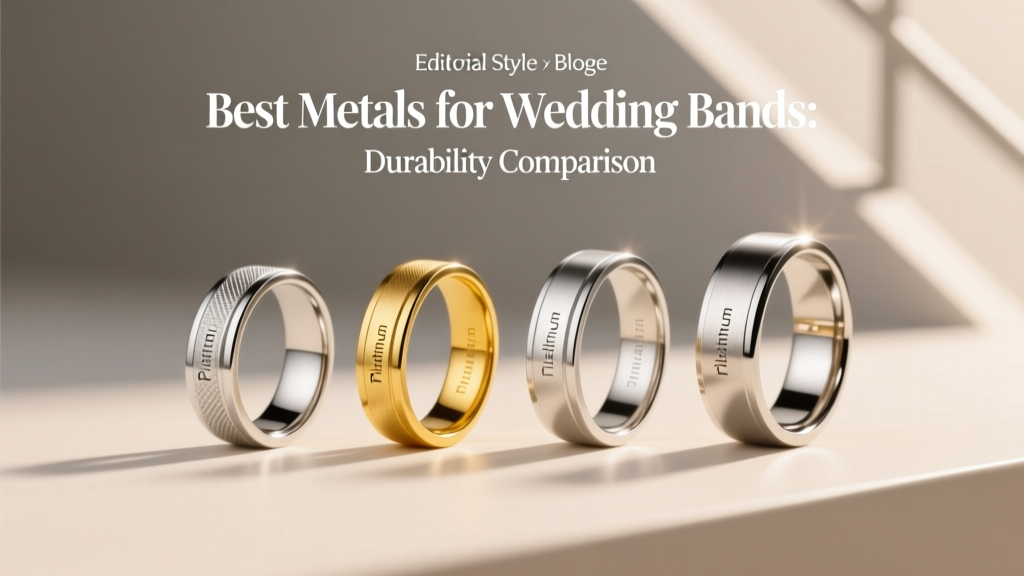
Best Metals for Wedding Bands Durability Comparison
Wedding bands are the one piece of jewelry most people wear every single day—through handwashing, workouts, office life, travel, hobbies, and the occasional home improvement project. That’s why durability isn’t just a “nice to have.” The metal you choose affects how your ring handles scratches, dents, bending, and long-term maintenance, and it also influences comfort, weight, color, and cost.
Couples shopping for engagement rings and wedding bands often focus on design first (classic, modern, vintage-inspired, or ultra-minimal), then discover that two bands that look similar can behave very differently over time. A bright white metal may need periodic re-plating, a harder metal may resist scratches but be more difficult to resize, and some materials are better suited to active lifestyles than others.
This guide compares the best metals for wedding band durability—platinum, gold, palladium, titanium, tungsten, cobalt, and stainless steel—so you can choose a band that fits your style, your routine, and your budget.
How Durability Works: What “Tough” Really Means for a Wedding Band
Scratch resistance vs. dent resistance
Many shoppers assume a “harder” metal is automatically better. In reality, durability has two main components:
- Scratch resistance: How well the surface resists scuffs and fine lines. Hard metals typically scratch less.
- Dent/impact resistance: How well the ring resists bending, deforming, or denting if hit. Some hard materials can be more brittle (they resist scratches, but may crack or chip with impact).
Wear patterns: metal loss vs. displacement
Soft metals (like high-karat gold) can scratch more easily, but the metal often displaces rather than disappears. Platinum is famous for developing a “patina” as it wears—micro-scratches and a soft sheen—but it generally loses less metal than gold over time. For many couples, that tradeoff is worth it.
Resizing and repairability
Even the most “durable” ring can become a problem if it can’t be resized later. Lifestyle changes, pregnancy, temperature, and time can all affect ring size. Traditional precious metals (gold and platinum) are usually the most serviceable long-term.
Platinum Wedding Bands: The Premium Durability Classic
Best for
Everyday wear, long-term value, couples who want a low-fuss precious metal with heirloom potential.
Durability profile
- Excellent toughness: Resists bending and holds up well to daily wear.
- Patina over time: Platinum tends to develop a satiny finish with wear. Polishing can restore a high shine.
- Prong security: For engagement rings, platinum is a top choice for prongs and settings because it holds stones securely.
Quality factors to look for
Most platinum wedding bands are Platinum 950 (95% platinum) with an alloy for strength. Ask about the specific alloy (ruthenium and iridium are common). A well-made band should have clean interior comfort edges and consistent thickness—thin platinum bands can still deform if underbuilt.
Style notes and trends
Platinum shines in timeless classics: comfort-fit domes, knife-edge bands, and solitaire engagement ring settings. A current trend is mixing finishes—polished edges with a brushed center—for a modern, understated look.
Gold Wedding Bands (Yellow, White, and Rose): Versatile and Repair-Friendly
Best for
Couples who want traditional wedding ring metals with many style options, easy resizing, and a wide price range.
Durability profile by karat
- 14K gold: A sweet spot for durability. More alloy content makes it harder and more scratch-resistant than 18K.
- 18K gold: Richer color and higher gold content, slightly softer—can show wear sooner in high-contact lifestyles.
- 10K gold: Hardest common karat, usually the most budget-friendly, but the color is less warm and it can be less “luxury” in feel.
White gold vs. platinum (a key durability difference)
White gold is typically rhodium plated for a bright white finish. Over time, that plating can wear, revealing a warmer undertone. If you love a crisp white look, plan for periodic rhodium re-plating (often every 12–36 months depending on wear). Platinum won’t need plating, but will develop patina.
Rose gold durability
Rose gold’s warm blush color comes from copper in the alloy. 14K rose gold is generally durable and popular in both vintage-inspired settings and modern minimal bands. Pair it with diamonds in pavé or a delicate milgrain edge for a timeless-meets-trending look.
Palladium: A Lighter Platinum Alternative (When Available)
Best for
Couples who want a naturally white precious metal that’s lighter than platinum.
Durability profile
Palladium is a member of the platinum family. It can be durable and naturally white, and it won’t require rhodium plating in the way white gold often does. Availability varies, and resizing/repair depends on the jeweler’s equipment and comfort with the metal.
Tungsten Carbide: Scratch-Resistant, Modern, and Low Maintenance
Best for
Highly active lifestyles that prioritize scratch resistance, and shoppers who love contemporary styles and a heavier feel.
Durability profile
- Outstanding scratch resistance: One of the best for staying “new-looking.”
- Brittleness risk: Tungsten can crack or chip under a hard impact (dropping on tile, severe pinch).
- Resizing limitations: Typically not resizable; you usually replace it if the size changes.
Style notes
Tungsten wedding bands are popular in matte black, gunmetal, and brushed gray finishes, often with inlays (wood, meteorite, or carbon fiber). If you choose an inlay, ask about seal quality and moisture resistance for long-term wear.
Titanium: Lightweight Strength with Excellent Comfort
Best for
Minimalists, people who dislike heavy rings, and couples who want a durable everyday band at a lower price point.
Durability profile
- Great strength-to-weight: Very lightweight and comfortable for daily wear.
- Good scratch resistance: Not as scratch-proof as tungsten, but holds up well.
- Resizing varies: Many titanium rings are difficult to resize, though some styles can be adjusted slightly.
Design compatibility
Titanium works best with clean lines: beveled edges, satin finishes, and subtle grooves. For stone-set bands, make sure any diamonds or gemstones are secured in a well-engineered setting; channel settings can be a safer choice than delicate prongs on alternative metals.
Cobalt and Stainless Steel: Budget-Friendly, Tough Everyday Options
Cobalt
Cobalt bands can be bright white, fairly scratch-resistant, and more affordable. They’re typically easier to polish than tungsten and can be a practical choice for a modern wedding band look. Resizing varies by style and manufacturer.
Stainless steel
Stainless steel is durable and very budget-friendly, often used for simple, sleek bands. It’s a solid option for travel rings or backup bands, but for a primary wedding band, many couples prefer precious metals for long-term serviceability and tradition.
Metal Durability at a Glance (Practical Takeaways)
- Best overall long-term wear + serviceability: Platinum, 14K gold
- Best scratch resistance: Tungsten carbide
- Best lightweight comfort: Titanium
- Best classic value: 14K yellow/rose/white gold
- Best naturally white precious metal alternative: Palladium (where available)
Gemstones, Settings, and Craftsmanship: What Impacts Durability Beyond the Metal
Diamonds and cuts
Diamonds remain the most popular wedding band stone for good reason: they’re exceptionally hard and ideal for daily wear. For diamond wedding bands, round brilliant stones are a timeless classic, while oval and emerald-cut accents are trending in modern stacks. If you prefer color, sapphires (especially blue or white) are durable for everyday wear; softer stones (like opal or pearl) are better reserved for occasional-wear jewelry.
Settings that protect stones
- Channel setting: Stones sit between metal walls; excellent protection for active lifestyles.
- Bezel setting: Metal wraps around the stone; one of the most secure options.
- Pavé/micro-pavé: Beautiful sparkle, but needs quality craftsmanship; look for neat beadwork and a reputable warranty or maintenance plan.
Band width and thickness
A common durability issue isn’t the metal—it’s a band that’s too thin for the wearer’s lifestyle. Ultra-slim bands are trending, especially for stacks, but consider a slightly wider or thicker band if you work with your hands. A comfort-fit interior can also reduce spinning and improve daily wear.
Care and Maintenance Tips for Everyday Durability
- Take rings off for heavy work: Gym lifting, gardening, moving furniture, and harsh chemicals can damage metal and loosen stones.
- Clean regularly: Mild dish soap, warm water, and a soft brush work well for gold and platinum. Avoid harsh abrasives that can dull finishes.
- Schedule checkups: For stone-set bands, have prongs and channels inspected about once a year.
- Polish strategically: Polishing removes a small amount of metal; do it when needed, not compulsively. Embrace platinum patina if you like a soft, lived-in look.
- Rhodium maintenance: If you choose white gold, plan for occasional rhodium re-plating to keep a bright white color.
Price Range and Value Tips (What You’re Really Paying For)
- Platinum: Usually the highest upfront cost, but excellent long-term value for daily wear and heirloom potential.
- 14K/18K gold: Wide price range; 14K often offers the best durability-per-dollar for a wedding band.
- Palladium: Pricing can fluctuate with market availability; may be a strong value if you find a well-made option.
- Tungsten/Titanium/Cobalt/Stainless steel: Generally lower cost; great for modern looks, but factor in replacement if resizing isn’t possible.
Value tip: If you’re investing in diamonds (half-eternity or eternity wedding bands), prioritize craftsmanship—secure settings, consistent stone matching, and a smooth interior finish matter as much as the metal choice.
Common Mistakes to Avoid When Shopping for Wedding Band Metals
- Choosing “hardest” without considering brittleness: Tungsten resists scratches, but can crack under impact and usually can’t be resized.
- Ignoring lifestyle fit: A delicate pavé band may not be ideal for hands-on jobs without regular maintenance.
- Buying too thin for daily wear: Ultra-slim bands can deform or wear faster, especially in softer alloys.
- Forgetting color maintenance: White gold often needs rhodium re-plating to stay bright white.
- Not matching metals thoughtfully: Mixing metals in a bridal set can be gorgeous (a trend in modern stacks), but consider how heights, profiles, and hardness interact to reduce rubbing and wear.
FAQ: Best Metals for Wedding Bands
What is the most durable metal for a wedding band?
It depends on what kind of durability you mean. For scratch resistance, tungsten carbide is a top performer. For everyday wear plus long-term repairability, platinum and 14K gold are standout choices.
Is platinum better than white gold for everyday wear?
Platinum is naturally white and doesn’t require rhodium plating, making it lower maintenance for color. White gold can be very durable (especially 14K), but many people choose to re-plate it periodically to keep a bright white finish.
Can tungsten or titanium wedding bands be resized?
Most tungsten bands cannot be resized and are replaced if your size changes. Titanium resizing depends on the design and manufacturer—some can be adjusted slightly, many cannot. If resizing flexibility matters, gold or platinum is usually the safer choice.
Which metal is best for couples with active lifestyles or hands-on jobs?
Platinum and 14K gold are excellent for daily wear and can be serviced over time. If scratch resistance is your top priority and you’re comfortable with limited resizing, tungsten is popular. For lightweight comfort, titanium is a strong option.
Are diamond wedding bands durable for everyday wear?
Diamonds are ideal for daily wear, but the setting matters. Channel and bezel settings offer more protection than delicate pavé. Plan for yearly inspections to keep stones secure.
What wedding ring metals are trending right now?
Current trends include mixed-metal stacks, matte/brushed finishes, knife-edge profiles, and oval and emerald-cut accents in wedding bands. Timeless classics—like a 14K yellow gold comfort-fit band or a platinum domed band—remain popular for a reason.
Choosing the Right Metal: A Confident Next Step
If you want the best blend of durability, long-term maintenance, and timeless appeal, platinum and 14K gold wedding bands are the most reliable choices for most couples. If your priority is a ring that stays looking freshly polished with minimal surface scratching, tungsten carbide can be a great modern option—just be realistic about resizing. For a barely-there feel with everyday strength, titanium is hard to beat.
Once you’ve narrowed your metal, focus on craftsmanship: a comfortable fit, sufficient thickness, smooth finishing, and secure settings for any diamonds or gemstones. Explore more expert wedding ring and engagement ring guides on weddingsift.com to compare styles, settings, and care tips before you buy.
More Articles
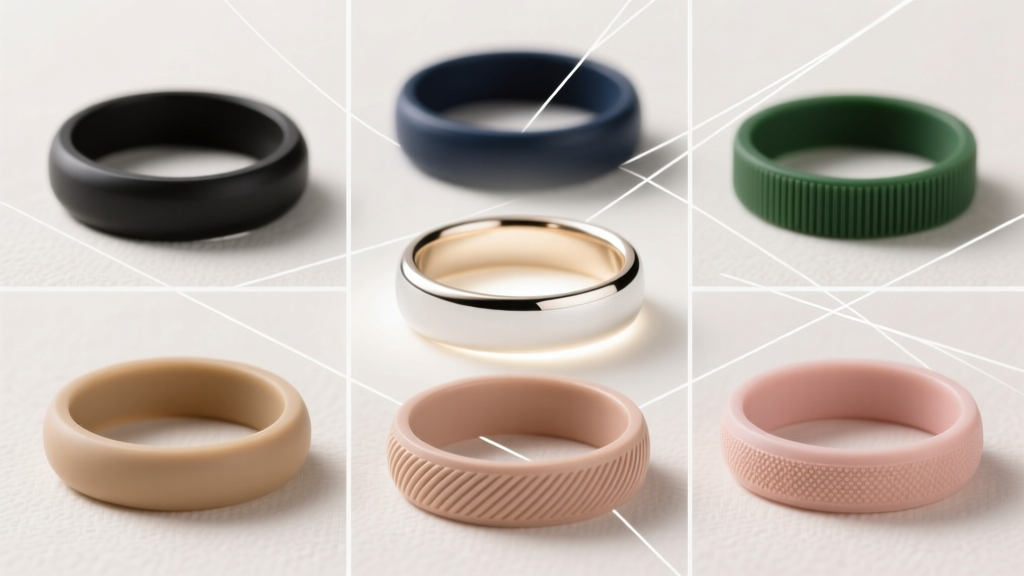 Rubber Wedding Bands: 7 Trusted Retailers (2026)
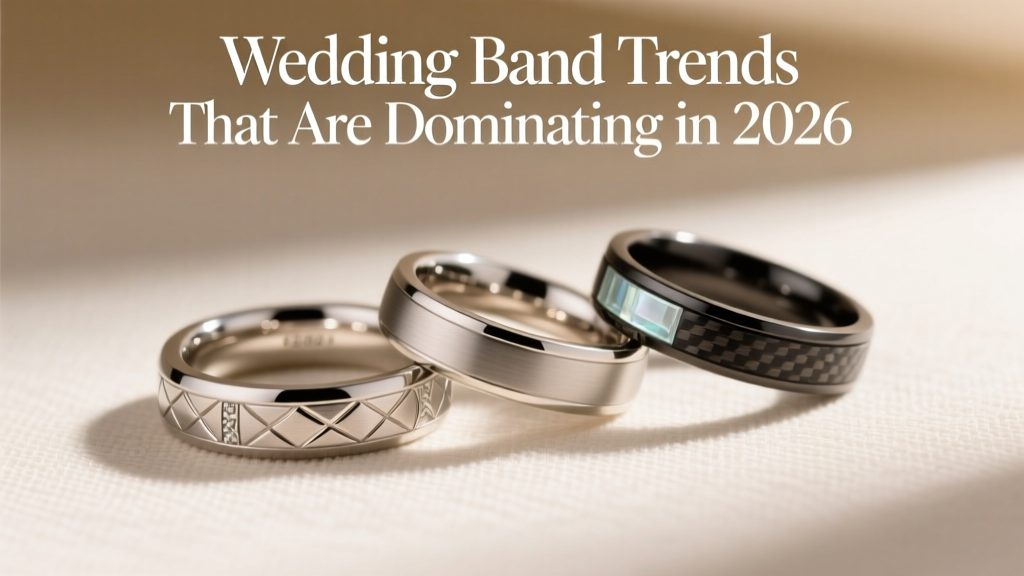 Wedding Band Trends That Are Dominating in 2026
 How to Choose a Wedding Band With a Zirconium Material
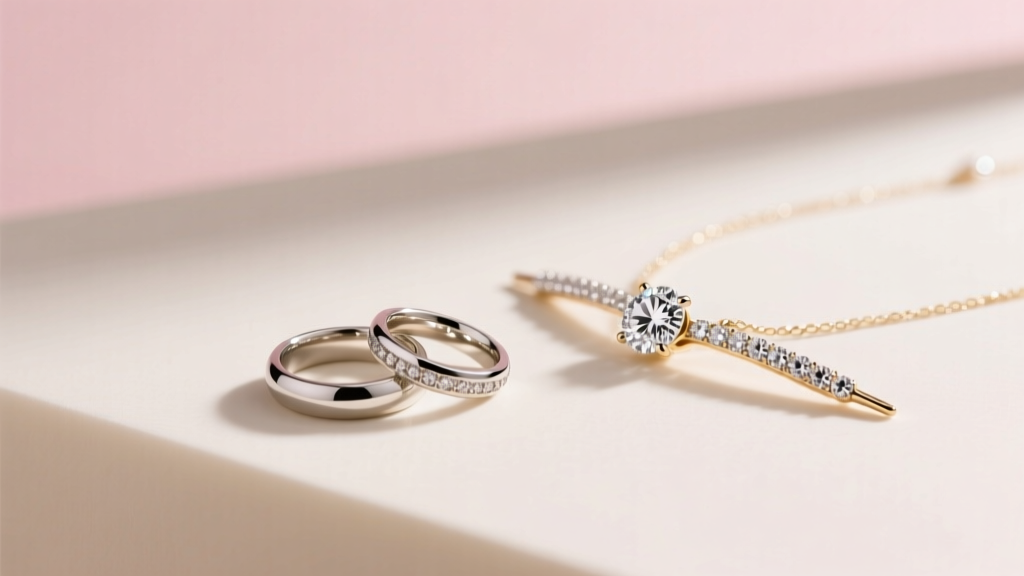 Wedding Ring vs Engagement Ring: Key Differences
 Emerald Cut Diamonds Step Cut Elegance
 Old Mine Cut Diamonds Antique Charm
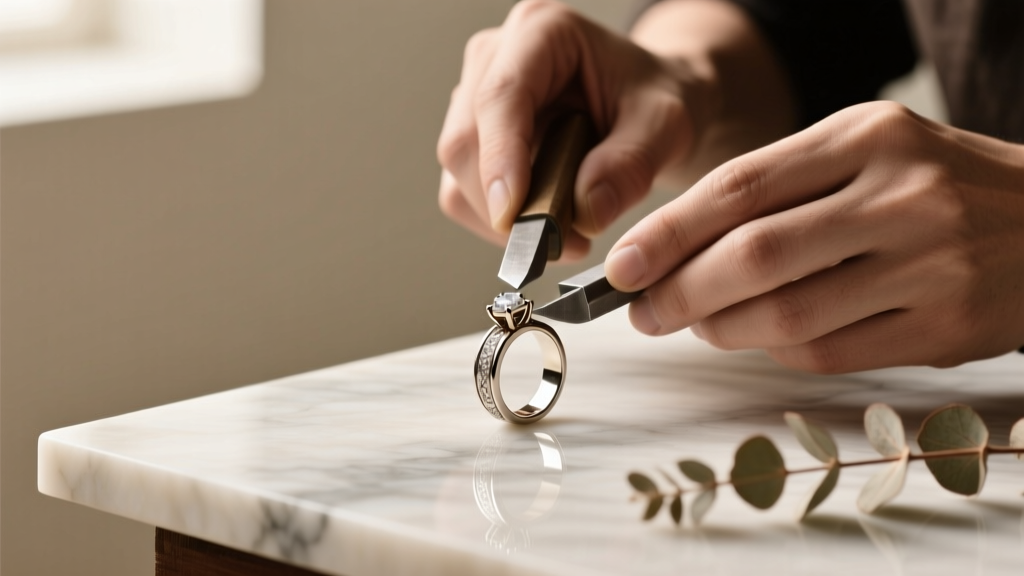 How to Repurpose a Wedding Ring (2026)
 Does Priscilla Presley Still Have Elvis’s Wedding Ring?
 Wedding Ring Size Measurement: 7 Accurate Methods
 Jewelry Making for Beginners: First Projects