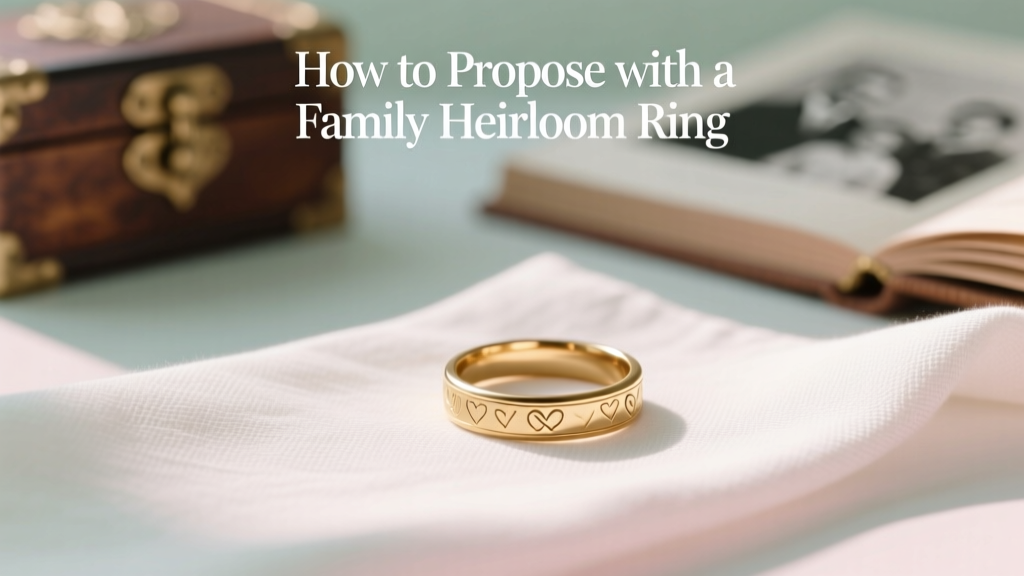
How to Propose With a Family Heirloom Ring
A family heirloom engagement ring has a presence that a brand-new ring can’t always replicate. It carries history, personality, and the kind of emotional weight that turns a proposal into a story you’ll tell for decades. For many couples, proposing with an heirloom also feels meaningful in a modern way: it’s sustainable, often beautifully made, and it honors the people who came before you.
That said, heirloom rings come with real-world questions—Is the gemstone secure? Is the metal worn? Do we resize it, reset it, or keep it exactly as-is? And what if your partner’s style is more contemporary than the ring’s era? This guide walks you through the practical jewelry details—materials, settings, craftsmanship, care, and budgeting—so you can propose confidently with a family ring and set it up for a lifetime of wear.
Start With the Conversation: Meaning, Consent, and Style
Proposing is a surprise; the ring doesn’t have to be. Many couples today prefer some level of input on the engagement ring, especially when a family heirloom is involved. The goal is to keep the moment special while avoiding mismatched expectations.
Ask the right questions (without spoiling the proposal)
- Sentimental value: Does your partner love the idea of an heirloom engagement ring, or do they prefer something newly chosen together?
- Wearability: Do they want an everyday ring, or something reserved for special occasions?
- Style cues: Are they drawn to vintage engagement rings, or do they lean minimalist (solitaire), modern (bezel set), or trend-forward (oval, east-west settings, mixed metals)?
- Family expectations: Is the ring “on loan,” or is it being gifted permanently? Clarify this early to avoid future pressure.
If you want the proposal ring moment but aren’t sure about fit or daily practicality, a popular modern approach is proposing with the heirloom ring and planning a post-proposal jeweler visit for resizing, restoration, or designing a complementary wedding band set.
Evaluate the Heirloom Ring Like a Jeweler Would
Before you plan the proposal, have the ring assessed. A reputable jeweler can inspect the setting integrity, metal wear, gemstone stability, and provide guidance on resizing or restoration. If the ring has significant value, consider an independent appraisal for insurance purposes.
Check the metal: platinum vs. gold and what wear looks like
- Platinum: Durable and naturally white. It develops a soft patina over time rather than wearing away quickly. Prongs can still thin, especially on antique pieces, so inspection matters.
- White gold: Usually rhodium-plated for a bright white finish. Over time it can look slightly warm as the plating wears. Replating is routine maintenance.
- Yellow gold: Classic, timeless, and currently trending again (especially with vintage-inspired designs). It can show scratches but is easy to polish and repair.
- Rose gold: Romantic and fashionable, though less common in true antiques. If present, confirm alloy integrity—some older rose gold alloys vary in durability.
Look for thin shanks (the band), worn engraving, or areas that look flattened—these can indicate the need for reinforcement. Older rings were sometimes made with delicate proportions that aren’t ideal for daily wear today without minor upgrades.
Assess the gemstone: diamond or colored stone details that matter
Many heirloom engagement rings feature diamonds, but you may also see sapphires, rubies, emeralds, garnets, or pearls. Each has different durability:
- Diamond (Mohs 10): Excellent for everyday wear. Older diamonds may have open culets or antique cutting styles that look different from modern brilliant cuts.
- Sapphire and ruby (Mohs 9): Very durable and increasingly popular in modern engagement ring trends, especially blue sapphire center stones.
- Emerald (Mohs 7.5–8 with inclusions): Gorgeous but more fragile. Often needs protective settings (bezel or halo) and gentler wear habits.
- Pearl (soft, delicate): Not ideal for an everyday engagement ring unless it’s worn carefully and reset for protection.
Have the jeweler check for chips around facet edges, abrasion on the girdle, loose stones, or worn prongs. These are common in vintage rings and are typically fixable.
Understand the cut and era: what makes heirloom diamonds look different
Heirloom diamonds are often old mine cut or old European cut—round-ish shapes with larger facets that create bold flashes rather than the “sparkle pinfire” look of modern round brilliant diamonds. Many people love this warmer, romantic light return. If your partner prefers crisp, bright brilliance, you can keep the heirloom intact while choosing a wedding band that modernizes the set.
Choose a Proposal Approach: Keep, Restore, Resize, or Reset
There’s no single “correct” way to propose with a family ring. The best choice depends on the condition of the ring, your partner’s taste, and the family meaning attached to it.
Option 1: Propose with the ring as-is (best for strong sentiment)
If the ring is in safe condition and the size is close enough, proposing with it untouched can feel deeply respectful. Plan a jeweler appointment after the proposal to check security and discuss any comfort adjustments.
Option 2: Restore and reinforce (best for daily wear)
Restoration can include tightening prongs, rebuilding worn prongs, replacing a thin shank, re-engraving milgrain edges, or polishing. A skilled bench jeweler can preserve vintage character while making it sturdy for modern life.
Option 3: Resize with care (best for fit, with minimal change)
Resizing is typically straightforward for plain bands. Intricate eternity bands, engraved shanks, or rings with side stones can be more complex. As a general guideline, resizing more than 2 sizes up or down may require a redesign to keep proportions and stone security intact.
Option 4: Reset the stone into a new setting (best for style alignment)
If your partner loves the sentiment but not the design, resetting the center stone can be a perfect compromise. Popular modern settings that work beautifully with heirloom stones include:
- Solitaire: Timeless, clean, and lets an antique diamond shine.
- Bezel setting: A major current trend for a sleek, protective, low-profile look.
- Halo: Adds sparkle and can visually enlarge a center stone; choose delicate micro-pavé for a modern effect or a chunkier halo for true vintage style.
- Three-stone: Symbolic and balanced; works well with heirloom side stones if available.
If the original ring has family value beyond the center stone, ask the jeweler about creating a pendant or right-hand ring from the original mounting so the history stays wearable.
Pairing an Heirloom Engagement Ring With a Wedding Band
Many vintage engagement rings sit low or have ornate profiles that don’t match a straight wedding band. The good news: today’s wedding band options make pairing easier than ever.
Band styles that complement heirloom settings
- Contour or curved wedding bands: Designed to hug the engagement ring and avoid gaps.
- Notched bands: A clean solution when the ring has a protruding basket or setting.
- Vintage-inspired bands: Milgrain edges, hand engraving, or filigree details echo antique craftsmanship.
- Modern minimal bands: A slim platinum or yellow gold band can “freshen” the look while keeping the heirloom ring center stage.
Mixed metals are also trending: pairing a platinum heirloom ring with a yellow gold wedding band (or vice versa) can look intentional and modern when the widths and finishes are coordinated.
Care and Maintenance: Make the Ring Safe for Everyday Life
Heirloom rings are often well-made, but age changes any metal and setting. Set up a maintenance routine so you don’t lose a stone or wear down delicate details.
Cleaning at home
- Use warm water, a few drops of mild dish soap, and a soft toothbrush.
- Rinse thoroughly and dry with a lint-free cloth.
- Avoid harsh cleaners, bleach, and abrasive toothpaste.
If the ring contains emerald, opal, pearl, or has glue-set elements, skip soaking and use a damp cloth instead. When in doubt, ask your jeweler which gemstones are safe for ultrasonic or steam cleaning—many vintage pieces are not.
Professional checkups
- Every 6–12 months: Prong check, stone tightening, and a quick clean.
- After major life events: Moving, travel, or renovations often lead to accidental knocks—get it inspected.
- Insurance: Consider a new appraisal and insurance rider, especially if the ring’s value is significant.
Price Range and Value Tips: What to Budget For
Using a family heirloom ring can reduce the cost of an engagement ring, but it’s smart to budget for professional work so the ring is secure and comfortable.
- Inspection and basic cleaning: Often low-cost; sometimes complimentary with a jeweler relationship.
- Resizing: Commonly a moderate cost depending on complexity, metal type, and presence of side stones.
- Prong retipping/rebuilding: Moderate to higher cost, especially for platinum or intricate heads.
- Shank replacement or reinforcement: Moderate to higher cost when the band is thin or misshapen.
- Resetting into a new setting: Wide range depending on metal, side stones, and craftsmanship (hand engraving, milgrain, or custom design increases cost).
- Appraisal and insurance: Budget for a professional appraisal if you plan to insure the ring.
Value tip: Prioritize structural integrity over cosmetic refinishing. A perfectly polished ring with weak prongs is a risk. Also consider preserving any original hallmarks or engraving—those details add heritage value and charm.
Common Mistakes to Avoid With an Heirloom Engagement Ring
- Skipping a pre-proposal inspection: Loose stones and worn prongs are common; a quick check prevents heartbreak.
- Resizing too aggressively: Large size changes can distort settings and loosen stones, especially on antique designs.
- Over-polishing: Heavy polishing can blur crisp edges, remove milgrain, and soften engraving—ask for a light, preservation-minded finish.
- Assuming the gemstone is what you were told: Family stories can be inaccurate. A jeweler can identify whether it’s a diamond, moissanite, white sapphire, or a different stone—and whether it’s natural or lab-created.
- Not considering lifestyle: If your partner works with their hands, a high-profile prong setting may snag. A lower setting or bezel can be a better everyday solution.
- Forgetting the wedding band fit: Plan the engagement ring and wedding band as a set—especially with vintage rings that sit low.
FAQ: Proposing With a Family Heirloom Ring
Should I insure an heirloom engagement ring?
Yes, especially if it would be costly to replace or recreate. Start with a current appraisal and clear photos. Insurance can cover loss, theft, and sometimes damage, depending on the policy.
Can an antique ring be resized safely?
Often, yes. Plain shanks are typically straightforward. Rings with engraving, pavé diamonds, or eternity bands require more specialized work and may have limits. A jeweler can tell you what’s safe based on the design and metal thickness.
What if my partner doesn’t like the heirloom ring style?
Consider resetting the center stone into a new engagement ring setting, or propose with the heirloom for the moment and then collaborate on a redesign. Another option is keeping the heirloom intact as an occasion ring and choosing a new everyday engagement ring together.
How do I tell if the diamond is secure?
Look for prongs that appear thin, uneven, or lifted, and listen for any faint rattling when you gently move the ring near your ear (don’t shake hard). The safest method is a professional prong and setting inspection.
Are vintage settings durable enough for daily wear?
Many are, especially if they’re platinum or well-built gold. The key is maintenance: prong checks, reinforcing thin shanks, and avoiding harsh cleaning methods. With the right care, a vintage engagement ring can absolutely be an everyday ring.
How do I match a wedding band to an heirloom engagement ring?
Try on contour bands, notched bands, or a custom-fit wedding band made to the ring’s profile. If you want a timeless look, a simple gold or platinum band often pairs beautifully and keeps the heirloom ring as the focal point.
Next Steps: Propose With Confidence, Then Protect the Legacy
A family heirloom ring can be one of the most meaningful ways to propose—timeless, personal, and often beautifully crafted in a way that’s hard to replicate. The smartest path is simple: have it inspected, decide whether to preserve or thoughtfully update it, and plan a wedding band pairing that complements both your partner’s style and the ring’s history.
If you’re comparing engagement ring settings, considering a reset, or shopping for wedding bands that pair with vintage engagement rings, explore more jewelry guides on weddingsift.com for expert advice and practical buying tips.
More Articles
 Essential Jewelry Making Tools Guide
 Wedding Ring Fit: The 7-Second Sizing Test (2026)
 How Much Is My Wedding Band Worth? (2026)
 How to Choose a Wedding Band With a Milgrain Edge
 Moissanite vs Diamond: Honest 2026 Guide
 Jewelry FAQ: Answers From a Metalsmith
 How To Get Off A Wedding Ring That Is Stuck
 Wedding Ring Stacking Rules (2026)
 Tourmaline Engagement Rings Rainbow Color Options
 Wedding Band Weight: Grams by Metal, Size & Impact