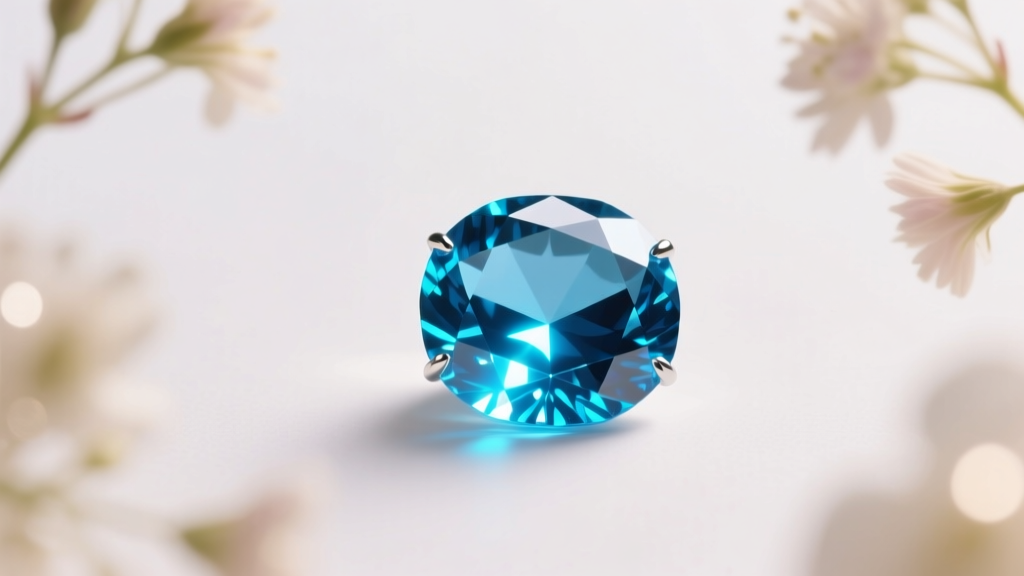
Paraiba Tourmaline Electric Blue Neon
Some gemstones sparkle. Paraiba tourmaline glows. If you’ve ever seen that electric blue-neon flash—sometimes with a greenish “lagoon” edge—you already understand why Paraiba has become a modern obsession for engagement rings and wedding bands. It’s a color that feels alive under daylight, warm indoor lighting, and candlelit receptions alike.
For couples shopping for wedding jewelry, Paraiba tourmaline offers something rare: a bold, contemporary look that still feels refined and romantic. It’s a natural gemstone with serious collector credibility, yet it pairs beautifully with timeless ring styles like solitaires, halos, and three-stone settings. The key is knowing what “Paraiba” really means, how quality is graded, and how to choose a ring built for everyday wear.
This guide breaks down Paraiba’s signature neon look, what drives its price, how to pick the right setting and metal, and how to avoid the most common mistakes shoppers make when buying Paraiba tourmaline engagement rings.
What Makes Paraiba Tourmaline “Electric Blue Neon”?
The science behind the glow
Paraiba tourmaline is prized for a vivid, almost luminous saturation—often described as neon blue, electric turquoise, or “swimming pool” blue-green. The color comes primarily from copper (and sometimes manganese) in the crystal structure. Copper-bearing tourmaline interacts with light differently than most gems, creating that unmistakable internal glow.
Paraiba vs. “Paraiba-like” tourmaline
Shoppers often see terms like “Paraiba color,” “Paraiba tourmaline,” and “copper-bearing tourmaline.” Here’s the practical breakdown:
- Paraiba (strict use): Historically referred to copper-bearing tourmaline from Paraíba, Brazil. These are the original stones that set the benchmark—and are typically the most expensive.
- Copper-bearing tourmaline (modern lab classification): Many respected labs use “copper-bearing tourmaline” for similar material from Brazil, Mozambique, and Nigeria, sometimes adding origin if determinable.
- “Paraiba color”: A marketing phrase that may refer to non-copper tourmaline or other gems with a similar hue. Always confirm copper content with a reputable lab report.
Why Couples Love Paraiba for Engagement Rings and Wedding Bands
Trend-forward color with classic ring silhouettes
Colored gemstone engagement rings are a major current jewelry trend, and Paraiba is one of the most distinctive options—more unexpected than sapphire, more vibrant than aquamarine. It looks stunning in classic engagement ring settings: a simple solitaire, a diamond halo, or a three-stone ring with tapered baguettes. That mix of modern color and timeless design is exactly what many couples want.
A “signature stone” feel
Because high-quality Paraiba is rare, it naturally feels personal and bespoke. Even a small center stone can look striking due to the neon saturation, making it appealing for couples who want something unique without needing a very large carat weight.
Quality Factors: How to Choose a Beautiful Paraiba Tourmaline
Color: the main value driver
For Paraiba tourmaline, color is king. Look for:
- Hue: Electric blue to blue-green. Many buyers prefer a pure “neon blue,” while others love the tropical blue-green range.
- Saturation: Strong, vivid saturation is what creates that neon look. Pale stones can be pretty but won’t have the signature Paraiba impact.
- Tone: Medium to medium-dark is usually ideal. Too light can look washed out; too dark can hide the glow.
Clarity: what’s acceptable
Paraiba tourmaline often contains inclusions—tiny internal features that are common in natural gems. Eye-clean stones are prized, but a few inclusions can be acceptable if the color is exceptional. Prioritize beauty at normal viewing distance: if the stone looks clean face-up and the color is vivid, you’re in a strong range.
Cut: make the neon work for you
Cut affects brilliance, color return, and how “alive” the stone looks. Popular cuts for Paraiba engagement rings include:
- Oval: Maximizes perceived size and can intensify color.
- Cushion: A romantic, vintage-meets-modern shape that pairs well with halos.
- Pear: Elegant and flattering on the finger; great for delicate settings.
- Round: Classic sparkle and symmetry, often at a premium.
- Emerald cut: Sleek and sophisticated, but it can reveal inclusions more easily due to its open facets.
Ask for video in multiple lighting conditions. Paraiba should still look lively indoors—not just in direct sunlight.
Carat size: smaller can be smarter
Large Paraiba tourmalines are exceptionally rare, especially in top neon color. Many of the most beautiful engagement ring centers fall in the 0.50–1.50 carat range. Choosing a slightly smaller stone with better color often delivers a more impressive look than going bigger with weaker saturation.
Treatments and certification
Heat treatment is common in tourmaline and can be acceptable when disclosed. What you want is transparency and documentation. For a significant purchase, consider a lab report from a respected gem lab that can confirm the stone is copper-bearing and provide additional details. Always ask the seller:
- Is the stone copper-bearing (true Paraiba-type material)?
- Has it been treated? If yes, how?
- Is there a lab report, and from which lab?
Best Metals and Settings for Paraiba Tourmaline Rings
Metal choices: platinum, white gold, yellow gold, and rose gold
- Platinum: A premium, durable choice for engagement rings. It holds prongs well for daily wear and complements Paraiba’s cool neon tones.
- 18K or 14K white gold: Bright, classic, and usually more budget-friendly than platinum. A crisp white metal makes Paraiba look even more electric.
- Yellow gold: A timeless classic that’s trending again. Yellow gold creates a striking contrast and can make blue tones pop dramatically.
- Rose gold: Romantic and modern, but choose carefully—its warm tone may shift the perceived color slightly greener or softer depending on the stone.
Setting styles that protect the gemstone
Tourmaline is a beautiful gemstone, but engagement rings are worn daily. Choose a setting designed for protection:
- Halo setting: A diamond halo adds sparkle and creates a protective “buffer” around the center stone—one of the most practical glamorous options.
- Bezel or partial bezel: Excellent for security. A full bezel is among the safest choices for an active lifestyle and gives a sleek, modern look.
- Six-prong solitaire: A classic, secure approach that looks timeless and helps safeguard edges.
- Three-stone setting: Side diamonds (especially half-moons or tapered baguettes) elevate the look and can add protection if designed well.
Avoid overly delicate, high-set designs if the wearer is hard on jewelry. A lower profile engagement ring is usually more comfortable and safer for Paraiba.
How Durable Is Paraiba Tourmaline for Everyday Wear?
Tourmaline is generally around 7 to 7.5 on the Mohs scale. It’s suitable for engagement rings with the right setting and sensible care, but it’s not as tough as diamond, sapphire, or ruby. It can chip if struck and can scratch over years of hard wear, especially if the ring is stacked with wedding bands.
If you want a Paraiba center stone and a daily-wear ring, prioritize protective settings (halo, bezel, sturdy prongs) and commit to routine maintenance.
Buying Tips: How to Shop Smart for Paraiba Tourmaline Engagement Rings
1) Ask for honest lighting comparisons
Request photos and videos in daylight, indoor ambient light, and spotlight. Paraiba’s magic is its glow across lighting environments. If it only looks neon under intense light, it may not perform the way you expect in real life.
2) Confirm what “Paraiba” means in the listing
Don’t rely on color descriptions alone. “Paraiba” should mean copper-bearing tourmaline. If the seller can’t confirm copper content, treat it as standard tourmaline priced accordingly.
3) Choose craftsmanship over thin, trendy designs
Ultra-thin bands and tiny prongs are popular on social media, but they can be risky for tourmaline. Look for:
- Sturdy prongs with proper tip coverage
- A supportive gallery or basket under the stone
- A band width and thickness appropriate for daily wear and stacking
4) Consider a matching wedding band plan early
Halo and low-set designs may require a contoured wedding band to sit flush. If a flush fit matters, plan the engagement ring and wedding band together or choose a setting designed for easy pairing.
Care and Maintenance: Keeping That Neon Glow Beautiful
- Cleaning: Warm water, mild dish soap, and a soft brush are usually safe. Rinse well and dry with a soft cloth.
- Avoid: Ultrasonic and steam cleaners unless a jeweler explicitly approves for your specific stone. Tourmaline can be sensitive to harsh conditions, and inclusions can increase risk.
- Storage: Store separately from diamonds and other harder gemstones to prevent scratches.
- Check prongs: Have a jeweler inspect prongs and setting integrity every 6–12 months, especially if you wear your ring daily.
- Wear habits: Remove your ring for workouts, heavy lifting, gardening, cleaning chemicals, and beach days.
Price Range and Value Tips
Paraiba tourmaline is one of the most expensive colored gemstones on the market when the color is top-tier and the stone is confirmed copper-bearing. Prices vary dramatically based on color intensity, size, clarity, cut quality, and origin.
- Entry-level: Smaller copper-bearing stones with lighter color or visible inclusions may appear in more approachable budgets, especially under 1 carat.
- Mid-range: Vivid neon color in popular shapes (oval/cushion) with good clarity in the 0.75–1.50 carat range typically commands a significant premium.
- High-end/collector: Top neon color, larger sizes, strong clarity, and documentation—especially fine Brazilian material—can escalate quickly into luxury pricing.
Best value strategy: Buy the best color you can afford in a wearable size, and invest in a setting that protects the stone. Many couples get a “wow” look by choosing a vivid 0.80–1.20 carat Paraiba with a diamond halo rather than stretching budget for a larger but less saturated center.
Common Mistakes to Avoid
- Confusing blue tourmaline with true Paraiba: Not all blue tourmaline is copper-bearing. Verify with a lab report or seller documentation.
- Over-prioritizing carat weight: A bigger stone with weak saturation won’t deliver the neon effect Paraiba is known for.
- Choosing fragile settings: Thin shanks and minimal prongs can be risky for a daily-wear engagement ring.
- Ignoring band pairing: Some settings don’t allow a wedding band to sit flush. Plan ahead if stacking is part of your dream set.
- Skipping maintenance: Even a well-made ring needs routine checks to prevent stone loss and keep prongs secure.
FAQ: Paraiba Tourmaline Electric Blue Neon
Is Paraiba tourmaline good for an engagement ring?
Yes, with the right expectations and setting. Paraiba tourmaline can be worn daily, but it’s not as hard as diamond or sapphire. Choose a protective setting (halo, bezel, sturdy prongs) and commit to regular maintenance.
What metal looks best with an electric blue Paraiba?
Platinum and white gold make the neon blue look crisp and icy, while yellow gold creates a bold contrast that’s very on-trend. The “best” choice depends on your style and how you want the color to read on the hand.
Do Paraiba tourmalines come in different shades?
Yes. You’ll see neon blue, turquoise, and blue-green. The most prized stones show vivid saturation and a glowing quality rather than a flat or grayish blue.
Are Paraiba tourmalines treated?
Some are heat-treated, which can be acceptable when disclosed. Always ask about treatments and request documentation for significant purchases.
How can I tell if a Paraiba tourmaline is authentic?
The most reliable method is a report from a respected gem lab confirming it is copper-bearing tourmaline, often with additional notes on origin and treatments. Also evaluate the seller’s transparency, return policy, and reputation.
What wedding band pairs well with a Paraiba engagement ring?
Diamond pavé bands are a classic match, while a simple polished band keeps the look clean and timeless. If the engagement ring has a halo or low profile, consider a contour band for a flush fit.
Next Steps: Choosing a Paraiba Ring You’ll Love for a Lifetime
If you’re drawn to Paraiba tourmaline’s electric blue-neon color, focus on three priorities: vivid glow, secure craftsmanship, and a setting-metal combination that fits your lifestyle. Done well, a Paraiba tourmaline engagement ring becomes a true signature—modern, rare, and unforgettable in every photo from proposal to wedding day and beyond.
For more guidance on choosing gemstones, comparing engagement ring settings, and building a cohesive engagement ring and wedding band set, explore more jewelry guides on weddingsift.com.
More Articles
 Best Metals for Wedding Bands Durability Comparison
 Wedding Ring Stack Styling: 7-Step Guide (2026)
 How to Wear a Wedding Set: Rules & Cultural Tips
 How Much Does a Men's Wedding Ring Weigh? (2026)
 Rubber Wedding Bands: 7 Trusted Places to Buy (2026)
 How to Identify Quality Craftsmanship in Wedding Bands
 De Beers Wedding Rings: Real Value & 5 Better Alternatives
 How to Choose a Wedding Band With a Carbon Fiber Inlay
 Green Diamond Extremely Rare Natural Color
 DIY Wedding Centerpiece Flowers on Any Budget