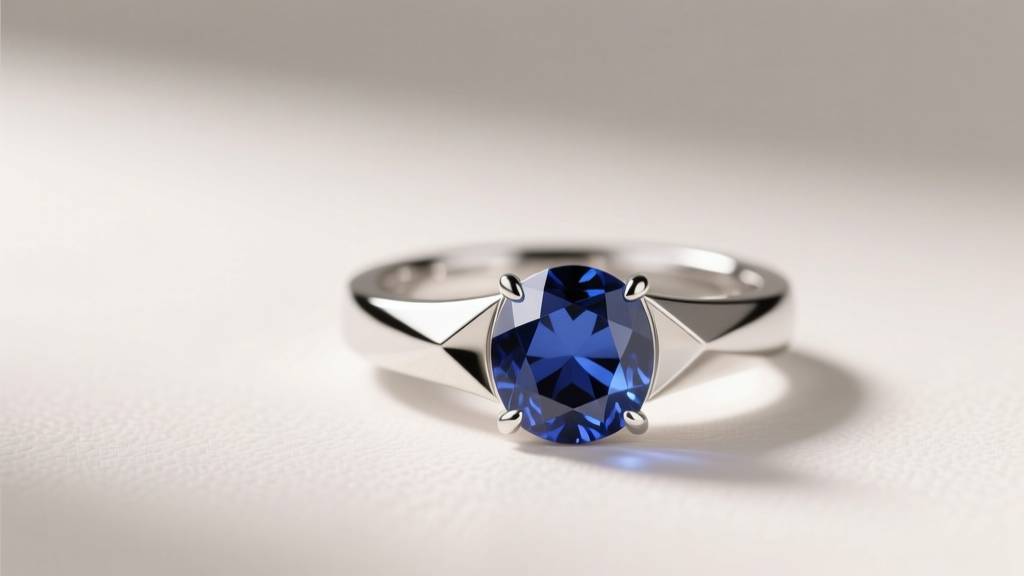
Sapphire Engagement Rings: Royal & Modern Appeal
Sapphire engagement rings have a certain gravity. They feel romantic without being fussy, distinctive without being loud, and timeless without looking dated. Part of the allure is history—sapphires have long been associated with loyalty, wisdom, and enduring love—but the modern appeal is just as compelling: they’re practical for everyday wear and offer a refreshing alternative to the classic diamond solitaire.
The “royal” connection is hard to ignore. A sapphire center stone instantly recalls iconic heirloom-style rings—yet today’s designs are far broader than vintage replicas. From sleek bezels and minimalist bands to bold halos and three-stone settings, sapphire engagement rings fit nearly every style and budget. If you’re shopping for an engagement ring and wedding band set that feels personal, sapphire is one of the smartest stones to consider.
Why Sapphire Engagement Rings Are Having a Moment
Royal inspiration that still feels current
The most famous sapphire engagement ring in modern history features an oval sapphire framed by diamonds—an image that continues to influence designers and couples. What’s changed is how you can interpret that inspiration. Today’s trends favor personalization: unique shapes, mixed metals, and custom proportions that suit the wearer’s lifestyle.
Durability for real life
Sapphire is a variety of corundum (the same mineral family as ruby). On the Mohs hardness scale, sapphire ranks a 9—second only to diamond at 10. That makes sapphire engagement rings an excellent choice for daily wear, especially compared to softer gemstones like opal, pearl, or emerald.
Color options beyond classic blue
Blue sapphire is the most recognized, but sapphires come in many colors—pink, peach, yellow, green, purple, and white. “Parti” sapphires can even show multiple colors in one stone. This flexibility is why sapphire is a favorite in modern bridal jewelry: it lets couples express a color story without sacrificing durability.
Understanding Sapphire Quality: What Really Matters
Color: hue, tone, and saturation
Color is the main driver of sapphire beauty and price. Jewelers evaluate three factors:
- Hue: the actual color (blue, teal, violet-blue, etc.).
- Tone: how light or dark the stone appears. Many buyers prefer a medium to medium-dark tone for rich color that still looks lively.
- Saturation: the intensity or “strength” of the color. Higher saturation typically commands higher prices.
Practical tip: view sapphires in multiple lighting conditions. Some stones look inky indoors and vibrant outdoors, while others maintain consistent color. Ask for videos in daylight, office lighting, and warm indoor light.
Clarity: what you should expect
Unlike diamonds, sapphires commonly have natural inclusions. Many are not visible without magnification, and some inclusions can even help confirm the gem is natural. For engagement rings, aim for a stone that looks clean to your eye at normal viewing distance. Avoid inclusions that reach the surface near corners (especially in fancy shapes), as they can increase chipping risk.
Cut: sparkle, shape, and durability
Sapphires don’t sparkle like diamonds because they have different optical properties, but a well-cut sapphire will still look lively and bright. Common sapphire engagement ring cuts include:
- Oval: a classic “royal” look; flattering and elegant.
- Round: maximum symmetry, easy to match with wedding bands.
- Cushion: vintage feel with soft corners; a top choice for halos.
- Emerald cut: sleek, architectural, and modern; shows color beautifully.
- Pear and marquise: elongated shapes that can look bold and contemporary.
Watch for “windowing” (a see-through area in the center) and overly dark areas (extinction). Both can make a sapphire look less vibrant.
Carat size: sapphire faces up differently
Sapphires are denser than diamonds, so a 1.50 carat sapphire may look slightly smaller than a 1.50 carat diamond. Focus on millimeter measurements rather than carat weight alone.
Treatments: heat, diffusion, and what to ask for
Most sapphires on the market are heat-treated to improve color and clarity. This is widely accepted and stable for daily wear. More concerning treatments include:
- Diffusion-treated sapphire: color is concentrated near the surface; it can affect value and long-term appearance if re-cut or repaired.
- Fracture-filled stones: less durable and generally not ideal for engagement rings.
Ask for written disclosure of treatments and, for larger purchases, consider a lab report from organizations like GIA or AGS.
Popular Sapphire Engagement Ring Styles (Trends + Classics)
Halo sapphire engagement rings
A diamond halo adds brilliance and makes the sapphire appear larger—one reason halo engagement rings remain a best-seller. Current trends include thinner halos, hidden halos (a diamond collar under the center stone), and delicate micro-pavé for a refined sparkle.
Three-stone and toi et moi settings
Three-stone rings symbolize past, present, and future, and they’re beautiful with a sapphire center and diamond side stones. A modern twist is the toi et moi setting—two center stones side-by-side, often pairing a sapphire with a diamond in complementary shapes.
Solitaire sapphire engagement rings
If you love clean lines, a sapphire solitaire is quietly striking. Look for thoughtful craftsmanship: a well-proportioned basket, secure prongs, and a band thickness that can handle daily wear. Solitaires are also easy to pair with wedding bands, including contour or curved bands.
Vintage-inspired details
Milgrain edges, filigree, and engraved shanks create heirloom character. This style suits cushion and oval sapphires especially well. If you want vintage charm without a “costume” look, choose one or two antique details rather than all of them at once.
Metal Choices: What Works Best With Sapphire
Platinum
Platinum is a premium choice for engagement rings: durable, naturally white, and dense enough to hold gemstones securely. It develops a soft patina over time rather than wearing away quickly. Platinum pairs beautifully with blue sapphires for a crisp, icy contrast.
White gold
14k or 18k white gold offers a similar look to platinum at a lower price. Most white gold is rhodium-plated for brightness; plan on re-plating every 1–3 years depending on wear.
Yellow gold
Yellow gold brings warmth and a timeless feel—especially with deep blue, teal, or green sapphires. It’s also trending in modern bridal jewelry for couples who want a vintage-meets-modern look.
Rose gold
Rose gold flatters pink, peach, and padparadscha-like sapphires, and can make blue sapphires feel more contemporary. If your partner loves warm tones, rose gold is a stylish choice with lasting appeal.
Settings and Craftsmanship: Security Matters
- Prong setting: classic and light-enhancing. For daily wear, consider 6 prongs for round stones or double-claw prongs for fancy shapes.
- Bezel setting: the most protective option, surrounding the sapphire with metal. Popular for active lifestyles and minimalist design lovers.
- Cathedral setting: adds height and drama, but make sure it’s designed to avoid snagging.
- Pavé bands: beautiful sparkle, but choose high-quality micro-pavé workmanship and plan for occasional maintenance checks.
For durability, look for a band thickness that feels substantial (many jewelers recommend around 1.8–2.2mm depending on design) and a well-built gallery that keeps the center stone stable.
Price Range and Value Tips
Sapphire engagement ring prices vary widely based on color, size, origin, and treatment. As a general guide:
- $800–$2,500: smaller center stones or lighter colors; often heat-treated; simpler settings in 14k gold.
- $2,500–$7,500: richer color, larger carat sizes, or diamond halos/side stones; 14k/18k gold and some platinum options.
- $7,500–$20,000+: premium color and cut, larger natural sapphires, designer craftsmanship, platinum settings, or notable origins with documentation.
Best value strategy: prioritize color and cut over raw carat weight. A slightly smaller sapphire with vivid, balanced color will look more luxurious than a larger stone that appears too dark or windowed. If you want a larger look on a budget, consider an oval or elongated cushion, or a halo setting.
Practical Buying Tips for Sapphire Engagement Rings and Wedding Bands
- Match the wedding band early: some sapphire engagement ring settings (halos, low bezels, large baskets) need a curved or notched wedding band. Ask to try band options together.
- Request treatment disclosure in writing: especially for larger center stones.
- Ask for real-life visuals: photos and videos in multiple lighting, plus side views of the setting.
- Consider lifestyle: if hands-on work is daily, choose a bezel or low-profile prongs and avoid very high settings.
- Check return and warranty policies: resizing, prong checks, and rhodium replating can add long-term value.
Care and Maintenance: Keeping Your Sapphire Ring Beautiful
- Cleaning: warm water, mild soap, and a soft brush work well. Rinse thoroughly and pat dry with a lint-free cloth.
- What to avoid: harsh chemicals (chlorine, bleach), abrasive cleaners, and rough storage that can scratch metal or chip the stone.
- Ultrasonic cleaners: usually safe for untreated or heat-treated sapphires, but avoid if the ring has fragile pavé, unknown treatments, or existing loose stones. When in doubt, stick to gentle cleaning.
- Routine checks: have prongs and settings inspected every 6–12 months, especially for rings with pavé diamonds.
Common Mistakes to Avoid
- Buying by carat weight alone: focus on millimeter size, color performance, and cut quality.
- Ignoring lighting differences: a sapphire that looks great under jewelry store lights may look too dark at home.
- Not asking about treatments: undisclosed diffusion or filling can affect value and durability.
- Choosing an unsafe setting for the shape: pointed corners (pear, marquise, princess-style cuts) need protective prongs or bezels.
- Forgetting the wedding band fit: a stunning engagement ring can become frustrating if it won’t sit nicely with a wedding band.
FAQ: Sapphire Engagement Rings
Are sapphire engagement rings durable enough for everyday wear?
Yes. Sapphire ranks 9 on the Mohs scale, making it one of the best gemstones for daily wear. The setting still matters—secure prongs or a bezel and routine inspections help prevent damage.
Do sapphires sparkle like diamonds?
They sparkle differently. Sapphires show more of a “glow” and flashes of light, while diamonds have stronger white brilliance and fire. A well-cut sapphire will still look bright and lively, especially in daylight.
Is heat-treated sapphire okay for an engagement ring?
Heat treatment is common and widely accepted in fine jewelry. It’s stable and doesn’t require special care. Just make sure any treatment is disclosed clearly so you understand value and expectations.
What metal looks best with a blue sapphire engagement ring?
Platinum and white gold emphasize a crisp, classic contrast. Yellow gold adds warmth and a timeless look, and rose gold gives a modern romantic feel. The “best” metal is the one that matches your partner’s style and skin tone preferences.
How do I choose a wedding band to match a sapphire engagement ring?
Start by checking how low the sapphire sits and whether the setting allows a straight band to sit flush. If not, consider a curved wedding band, a contour band, or a custom-fit option. Matching metal color and overall design style usually creates the most cohesive bridal set.
Are lab-grown sapphires a good option?
Lab-grown sapphires can be an excellent value: they’re chemically the same as natural sapphires and typically have fewer inclusions. Natural sapphires are rarer and often carry higher value, especially with premium color and documentation. Choose based on budget, priorities, and sentimental preferences.
Where Royal Inspiration Meets Everyday Wear
A sapphire engagement ring offers a rare combination: heritage romance, modern versatility, and real-world durability. Whether you’re drawn to a classic oval halo, a sleek bezel solitaire, or a contemporary three-stone design, sapphire makes an engagement ring feel personal—without sacrificing practicality.
Use color performance, cut quality, and secure craftsmanship as your north star, then choose the metal, setting, and wedding band pairing that fits your lifestyle. For more help comparing gemstones, metals, ring settings, and bridal set trends, explore more jewelry guides on weddingsift.com.
More Articles
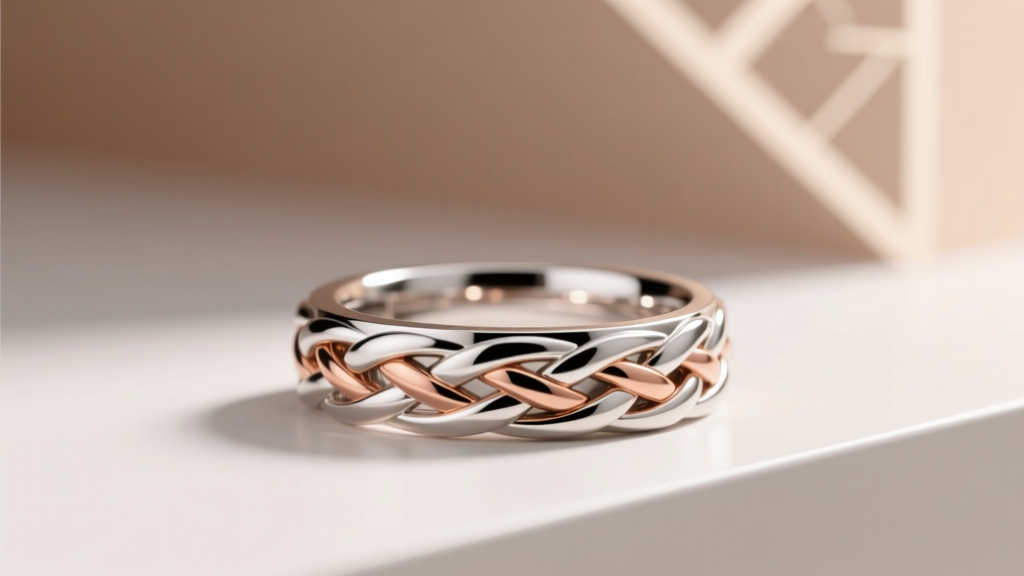 How to Choose a Wedding Band With a Braided Design
 Common Mistakes in Fine Jewelry Care, Sizing, and Purchase — A Metalsmith’s Field Guide
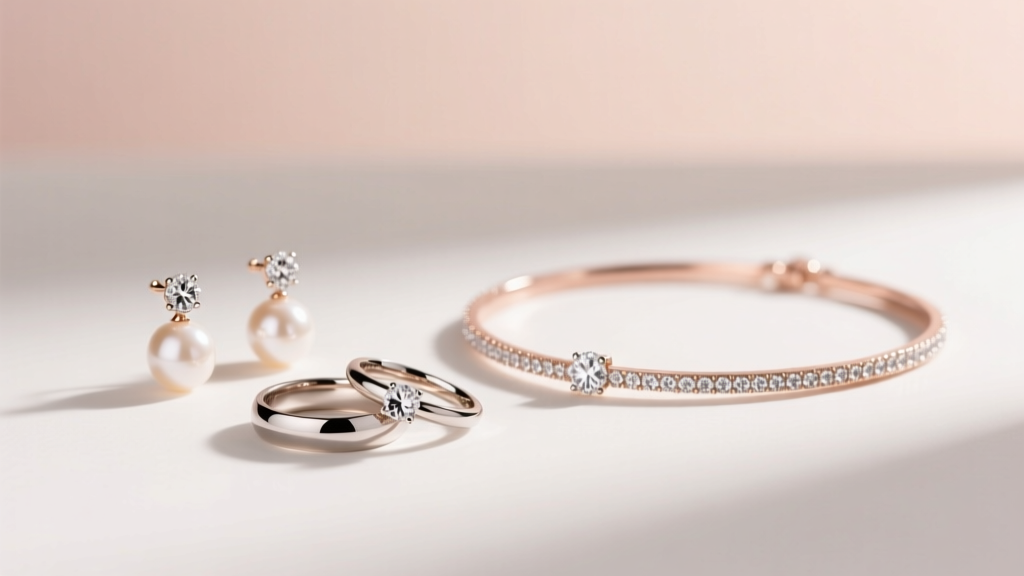 7 Year Anniversary Jewelry Gift Ideas
 A. Jaffe Wedding Bands in Fayetteville, AR (2026)
 Engagement vs Wedding Ring Order: What to Know
 Eternity Bands Symbolism and Styling Tips
 Wedding Band or Engagement Ring First? (2026)
 Eternity Ring vs Wedding Ring: Key Differences (2026)
 Oval Diamonds Illusion of Larger Size
 How to Pair Engagement and Wedding Rings Together