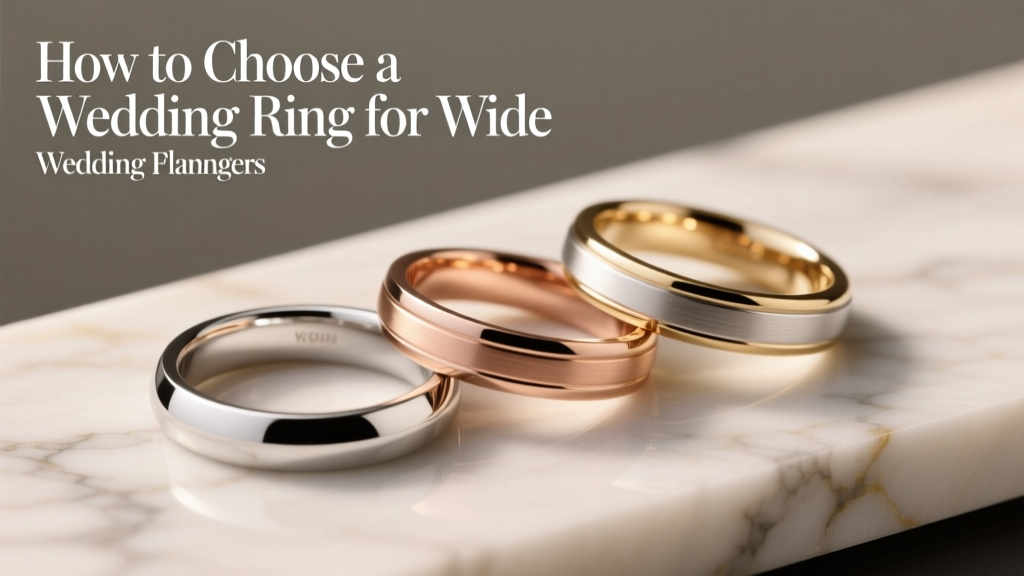
How to Choose a Wedding Ring for Wide Fingers
Shopping for wedding rings should feel exciting, not frustrating. If you have wide fingers (or slightly shorter, broader hands), you may have noticed that some rings look smaller than expected, spin more easily, or feel tight even when the size seems “right.” The good news: wide fingers aren’t a limitation—they simply call for smart design choices that balance comfort, proportion, and sparkle.
As a jeweler would explain it, the goal is to choose a wedding band or engagement ring that visually elongates the finger, sits securely, and complements your lifestyle. Band width, setting height, metal type, and gemstone shape all make a noticeable difference. With a few practical guidelines, you can find a ring that looks intentional, flattering, and timeless—whether you love classic solitaires or today’s trending wider bands.
What “Wide Fingers” Means in Ring Shopping
“Wide fingers” can mean different things: a larger ring size, a broader finger shape, or fingers that are wide relative to their length. These details affect how a ring looks and feels. Two people can both wear a size 8, yet one may prefer a narrow band while the other looks better in a bolder profile.
Why proportions matter
- Band width changes the look of the center stone: A thin band can make a diamond look larger, but it can also look delicate or “lost” on a broader finger.
- Finger coverage impacts sparkle: On wider fingers, many people prefer a bit more surface presence—either a larger center stone, a wider band, or additional side stones.
- Comfort is not just size: Fit depends on band shape (flat vs. rounded), inside profile (comfort fit), and how top-heavy the ring is.
Start With the Right Band Width (It’s the Biggest Game-Changer)
Band width is one of the easiest ways to make a wedding ring feel balanced on wide fingers. There’s no universal “best” width, but there are reliable guidelines.
Suggested band widths for wide fingers
- 2.0–2.5 mm: Slim, modern, minimal. Works well if you want a delicate look or plan a stacked set, but may appear very thin on broader hands.
- 3.0–4.0 mm: A sweet spot for many. It reads substantial, photographs beautifully, and pairs well with engagement rings.
- 5.0–7.0 mm: Bold and trending—especially for men’s wedding bands and fashion-forward women’s bands. Great for a clean, confident look.
Wide band vs. multiple stacked bands
One wider band can feel sleek and stable. Stacking two or three thinner bands gives flexibility and a current, layered look (a major trend), while still creating finger coverage. If your fingers swell during the day, stacking can also be more forgiving than one very wide ring.
Ring Shapes and Styles That Flatter Wide Fingers
Engagement ring styles that elongate
- Oval cut: A top choice for wide fingers because it visually lengthens the hand. Oval diamonds remain a strong trend and look stunning in both classic and modern settings.
- Marquise cut: Dramatic elongation with pointed ends. Works especially well in a solitaire or with tapered baguette side stones.
- Pear shape: Another elongating silhouette; looks elegant with the point facing outward.
- Emerald cut: Clean lines and a sophisticated, elongated face-up shape. Best when you like understated brilliance and crisp geometry.
Wedding band styles that look balanced
- Medium-width plain band: Timeless and flattering. A 3–5 mm band in yellow gold, white gold, or platinum is a forever classic.
- Half-eternity band: Diamonds across the top add sparkle and width without the maintenance concerns of stones all the way around.
- Curved or contoured band: Designed to sit flush against an engagement ring, especially helpful if your center setting is low or wide.
- Knife-edge band: A subtle ridge down the center can visually slim the finger and adds architectural detail.
Styles to be cautious with
- Ultra-thin bands (under ~1.8 mm): They can look out of proportion on wide fingers and may wear faster over time, especially with daily use.
- Very tall, top-heavy settings: They can spin more on wider fingers, and they’re more likely to snag on clothing.
Metal Choices: Durability, Color, and Comfort
The best metal for a wedding ring balances lifestyle needs (durability and maintenance) with aesthetics (color tone against your skin). For wide fingers, metal choice also affects how substantial the band feels.
Platinum
Why couples love it: Naturally white, dense, and durable. Platinum develops a soft patina over time rather than wearing away quickly. It’s excellent for prongs and secure stone settings.
Consider: Costs more than gold and can feel heavier—some people love that “solid” feel, others prefer lighter metals.
14K and 18K Gold (Yellow, White, Rose)
- 14K gold: A practical everyday favorite. Higher alloy content makes it more scratch-resistant than 18K.
- 18K gold: Richer color and slightly more luxe feel, but a bit softer, so it may show wear sooner.
- White gold: Often rhodium-plated for a bright white finish; replating may be needed over time.
- Yellow and rose gold: Flattering, timeless, and trending again—especially in vintage-inspired sets.
Alternative metals (tungsten, titanium, cobalt)
These are popular for men’s wedding bands and modern styles. They’re typically budget-friendly and very scratch-resistant (especially tungsten). The trade-off: many alternative metals can’t be resized easily. If your fingers fluctuate in size or you want a future resize, confirm policies before buying.
Gemstone and Setting Details That Make a Difference
Center stone size and “spread”
On wider fingers, many couples prefer a stone with a larger face-up look. A 1.00 carat oval often appears larger than a 1.00 carat round because of its surface area (spread). Emerald cuts and marquise cuts can also offer strong spread, depending on proportions.
Settings that add presence without going overboard
- Halo setting: Adds a frame of sparkle and visually enlarges the center stone. Halos are a modern classic—still popular, but now often done with delicate micro-pavé for a refined look.
- Three-stone setting: Timeless and flattering on wide fingers. Consider tapered baguettes or trapezoids for a clean, elongating profile.
- Pavé band: Adds width and shine. Choose high-quality craftsmanship so small diamonds are securely set with smooth, even beadwork.
- Bezel setting: A sleek rim of metal surrounds the stone. Great for active lifestyles, more secure, and very on-trend in minimalist designs.
Diamond quality factors that matter most
If you’re selecting a diamond engagement ring, prioritize:
- Cut quality: The biggest driver of sparkle. For round diamonds, look for Excellent/Ideal cut grades from reputable labs.
- Clarity: Many people can choose “eye-clean” stones (often VS2–SI1, sometimes SI2) depending on the diamond and shape.
- Color: For white metals, many buyers land around G–I; for yellow or rose gold, you can often go slightly warmer without noticing.
- Certification: Prefer GIA or AGS for natural diamonds; for lab-grown, IGI is common and widely accepted.
Fit and Comfort: Wide Fingers Need Smart Engineering
Comfort fit vs. standard fit
A comfort-fit wedding band has a gently rounded interior, making it easier to slide over the knuckle and feel smoother during wear—often a strong choice for wider fingers.
Preventing spinning and top-heaviness
- Choose a slightly wider band: More surface contact can reduce spinning.
- Consider sizing beads: Tiny beads inside the band help stabilize top-heavy settings without downsizing too much.
- Look at a lower profile setting: Lower baskets and well-balanced galleries can improve stability and comfort.
Get sized the right way
Finger size changes with temperature, time of day, and hydration. Get measured in the afternoon (when fingers are usually slightly larger), and try on bands similar in width to what you plan to buy—wide bands often feel tighter than thin ones in the same size.
Price Range and Value Tips
Typical price ranges
- Plain gold wedding bands: Often a few hundred to around $1,500+ depending on width, karat, and weight.
- Platinum bands: Commonly higher, often starting around $800–$1,200 and going up with width and weight.
- Diamond wedding bands (pavé/half-eternity): Frequently $800–$3,500+, depending on total carat weight and craftsmanship.
- Engagement rings with center stones: The center diamond drives cost; settings can range from a few hundred to several thousand depending on metal and detailing.
Best value moves for wide fingers
- Choose shapes with strong spread: Oval, marquise, and pear can look larger per carat.
- Consider lab-grown diamonds: A major current trend for couples who want a bigger look for the budget, often at significantly lower cost than natural diamonds.
- Prioritize craftsmanship: Secure prongs, smooth edges, and well-set pavé matter more than tiny differences in color grade.
- Pick 14K gold for daily wear: Often the sweet spot for durability and price.
Care and Maintenance for Wedding Rings
- Clean weekly at home: Warm water, mild dish soap, and a soft toothbrush. Rinse well and dry with a lint-free cloth.
- Avoid harsh chemicals: Chlorine and strong cleaners can damage metals and dull gemstones.
- Take rings off for heavy work: Gardening, gym lifting, and home repairs can bend prongs or scratch metal.
- Schedule inspections: Have prongs and pavé checked every 6–12 months, especially for diamond bands.
- Repolish and replate as needed: White gold may need rhodium replating over time; platinum may be polished if you prefer shine over patina.
Common Mistakes to Avoid
- Choosing an ultra-thin band for a wide finger without trying it on: It can look undersized and may not hold up as well long-term.
- Buying the wrong size in a wide band: Wider bands often require a slightly larger size for comfort.
- Ignoring ring profile: A beautiful ring that snags or spins constantly won’t feel like a daily essential.
- Overpaying for grades you can’t see: Extremely high clarity or color can be unnecessary if the diamond looks bright and eye-clean.
- Choosing alternative metals without understanding resizing limits: If resizing is likely, confirm the metal can be adjusted or choose gold/platinum.
FAQ: Wedding Rings for Wide Fingers
What ring shape looks best on wide fingers?
Elongated shapes like oval, marquise, pear, and emerald cut tend to flatter wide fingers by visually lengthening the hand. Round diamonds can also look beautiful, especially with a halo or wider band to add presence.
Should I choose a wider wedding band if I have wide fingers?
Often, yes. Many people with wide fingers prefer 3–5 mm bands for balance, or even wider for a bold look. The best choice depends on your hand proportions and whether you’re pairing it with an engagement ring.
Do wide bands feel tighter than thin bands?
They can. A wider band covers more skin and may feel snugger in the same size. Try on bands in the width you want, and consider a comfort-fit interior for easier wear.
Is a halo setting good for wide fingers?
Yes. A halo adds surface sparkle and makes the center diamond look larger, which can feel more proportionate on wider fingers. For a timeless look, choose a refined halo with clean, even pavé work rather than overly bulky halos.
What metal is best for a durable everyday wedding band?
Platinum is extremely durable and secure for stones, while 14K gold is an excellent everyday option that balances durability and cost. If you choose white gold, plan for occasional rhodium replating.
How can I stop my engagement ring from spinning?
Try a slightly wider band, a lower-profile setting, or ask a jeweler about sizing beads. Pairing your engagement ring with a well-fitted wedding band can also improve stability.
Next Steps: Find the Ring That Fits Your Hand and Your Life
For wide fingers, the most flattering wedding rings usually come down to smart proportions: a band width that feels intentional, a setting that sits securely, and gemstone shapes that create length and balance. If you’re unsure, start by trying on a few widths (3 mm, 4 mm, and 5 mm) and compare an oval or emerald cut against a round—seeing those differences on your own hand is often the clearest answer.
Keep exploring styles, metals, and practical fit options until your ring looks like it belongs on your hand—because it does. For more expert guidance on engagement rings, wedding bands, and jewelry care, explore more jewelry guides on weddingsift.com.
More Articles
 Wedding Band Weight: The Comfort Fit Truth (2026)
 Anniversary Gifts by Year: Traditional and Modern Guide
 Jewelry Making Safety Tips for Beginners
 Cheap vs Premium Wedding Venues Compared
 How to Choose an Engagement Ring for Short Fingers
 Can You Wear Other Rings With Your Wedding Ring? (2026)
 Best Engagement Rings for Custom Jewelry Projects: A Metalsmith’s Practical Guide
 Gemology Grad Careers: Where They Land & Earn (2026)
 Heart-Shaped Diamonds Romantic and Unique
 How to Choose a Wedding Band That Complements Her Ring