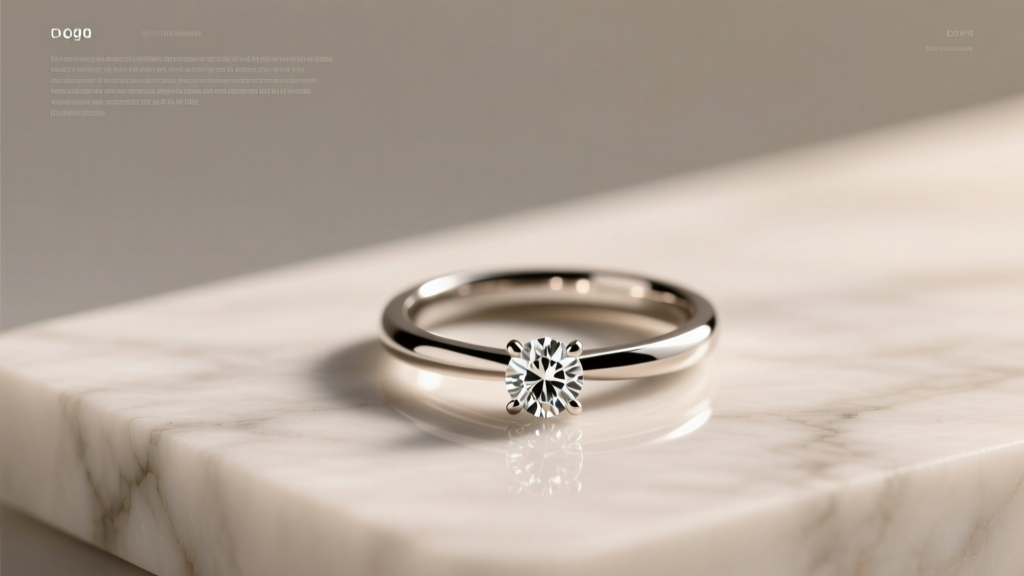
How to Choose an Engagement Ring for Small Hands
Shopping for an engagement ring is exciting, but it can also feel surprisingly technical—especially when you’re trying to find a ring that flatters small hands. The same diamond that looks balanced on one finger can feel oversized or visually “heavy” on another. The goal isn’t to make your hands look different; it’s to choose proportions and design details that feel elegant, comfortable, and true to your style.
Small hands often benefit from thoughtful ring geometry: the right center stone shape, a well-chosen setting height, and a band width that doesn’t overpower the finger. A few smart choices can make a stone look larger, keep the ring from spinning, and create a refined silhouette that photographs beautifully—especially in those close-up proposal and wedding photos.
This guide breaks down the most flattering engagement ring styles for small hands, how to pick the best diamond or gemstone, which metals and settings work best, and how to shop confidently—whether you’re choosing a classic solitaire, a halo engagement ring, or a modern east-west setting.
What “Small Hands” Means in Ring Shopping
In jewelry terms, “small hands” can mean a smaller ring size (often size 3–5.5), shorter fingers, slender fingers, or a combination of the three. These traits influence:
- Visual scale: Large settings can look top-heavy; very wide bands can dominate the finger.
- Comfort and wearability: High profiles snag more easily; top-heavy rings may spin or tilt.
- Proportion: Certain stone shapes naturally elongate the finger, while others look wider.
A good jeweler thinks in ratios: center stone face-up size, band width, and the amount of “negative space” (visible finger) around the ring.
Best Diamond and Gemstone Shapes for Small Hands
Elongated shapes that lengthen the finger
If you want a flattering, elongating look, start with these shapes. They create a longer visual line without needing a huge carat weight:
- Oval cut: One of the most popular engagement ring trends right now, and consistently flattering on small hands. Ovals offer strong finger coverage and sparkle.
- Pear shape: Worn with the point toward the fingertip, pears visually lengthen the finger. A classic-meets-modern choice.
- Marquise: Maximum length and presence for the carat weight; excellent for slender or short fingers.
- Emerald cut: A timeless classic with clean, mirror-like flashes. The rectangular shape elongates, though it can show inclusions more easily than brilliant cuts.
- Radiant cut: A rectangular brilliant that combines sparkle with an elongating outline.
Round and cushion: timeless, but watch proportions
- Round brilliant: The most classic diamond cut. On small hands, it often looks best with a slightly thinner band or a delicate setting to keep it airy.
- Cushion cut: Romantic and soft-edged. Cushions can face up smaller than ovals of the same carat weight, so consider a halo or slightly larger measurements if you want more spread.
Bonus tip: focus on measurements, not just carat
Carat is weight, not visible size. Two 1.00 ct diamonds can look different based on cut proportions. For small hands, ask for the stone’s length x width in millimeters. An oval around 8.0 x 5.5 mm, for example, can have beautiful finger coverage without feeling bulky.
Settings That Flatter Small Hands (and Make Stones Look Bigger)
Solitaire settings: clean, elegant, and easy to pair with wedding bands
A solitaire engagement ring keeps attention on the center stone and avoids extra width on the finger. For small hands, consider:
- Four-prong settings: Airier than six prongs and can make the diamond look more prominent.
- Cathedral shoulders: Adds graceful lines that guide the eye upward to the stone.
- Knife-edge bands: A subtle ridge can make the band look slim while maintaining strength.
Halo engagement rings: big impact, careful execution
Halos are still a favorite for maximizing sparkle and “face-up size.” On small hands, choose a thin halo with fine micro-pavé to avoid a chunky outline. A bulky halo can overwhelm short fingers, while a refined halo enhances the center stone without adding heaviness.
Three-stone rings: keep side stones proportional
Three-stone engagement rings are meaningful and timeless, but scale matters. On smaller hands:
- Pick tapered baguettes or smaller pears as side stones for a streamlined look.
- Avoid side stones that are too large, which can make the ring look wide and reduce visible finger space.
Hidden halos and delicate details: trend-forward without extra bulk
A hidden halo (a circle of small diamonds under the center stone) is a current trend that adds sparkle from the side view without widening the ring on top. It’s a smart option for small hands if you love detail but prefer a clean face-up look.
Band Width, Shank Shape, and Comfort Fit
Band width is one of the biggest visual factors for small hands. Most petite-friendly engagement rings fall in the 1.6–2.0 mm range. Ultra-thin bands (around 1.2–1.5 mm) can look delicate, but they may bend over time—especially with larger stones or active wear.
- Recommended sweet spot: 1.7–2.0 mm for daily wear durability with a refined look.
- Comfort fit interior: Slightly rounded inside edges can make the ring feel smoother, especially for smaller sizes.
- Euro shank or subtle sizing beads: Helps prevent spinning—useful when a top-heavy setting rotates on a small finger.
Metal Choices: Platinum vs Gold for Petite Rings
Platinum
Platinum engagement rings are naturally white, dense, and durable. It’s excellent for securing prongs—helpful if you choose a higher-set solitaire. Platinum develops a patina over time rather than wearing away quickly, but it can scratch and look matte unless polished.
18K and 14K gold
- 14K gold: A popular choice for everyday durability. Great for thin bands because it’s harder than 18K.
- 18K gold: Richer color and slightly softer; beautiful for classic designs, though very thin shanks may show wear sooner.
Yellow gold, white gold, and rose gold
- Yellow gold: Timeless and trending again in modern minimal settings. It can make near-colorless diamonds appear slightly warmer (often in a flattering way).
- White gold: Bright and crisp, typically rhodium-plated. Plan for periodic re-plating to maintain that “icy” look.
- Rose gold: Romantic and vintage-inspired. It can complement a wide range of skin tones and looks beautiful with morganite or diamonds.
Choosing the Center Stone: Quality Factors That Matter
Cut quality (sparkle and face-up beauty)
For diamonds, cut is the top driver of brilliance. A well-cut 0.90 ct diamond can outshine—and sometimes look larger than—a poorly cut 1.00 ct. For round diamonds, prioritize Excellent or Ideal cut grades when available. For fancy shapes (oval, pear, marquise), request videos to check sparkle and symmetry.
Clarity and inclusions
Small hands often mean smaller stones, and smaller stones can hide inclusions more easily. Many shoppers get great value with VS2 to SI1 diamonds that are eye-clean. Emerald cuts typically show inclusions more readily, so consider VS1–VS2 for peace of mind.
Color: balancing whiteness and budget
If you choose white gold or platinum, many people prefer diamonds in the G–I range for a bright look without overpaying. Yellow gold pairs well with H–J diamonds, especially if you like a softer, warmer tone.
Alternative gemstones that work beautifully on small hands
- Moissanite: A popular engagement ring option for maximum sparkle and value. It faces up large and looks stunning in elongated cuts.
- Sapphire (including pink and blue): Durable (9 on Mohs scale) and timeless—great for daily wear.
- Morganite: Soft blush color, very romantic, but it needs more careful wear and cleaning due to potential clouding over time.
Price Range and Value Tips for Petite-Friendly Engagement Rings
Pricing varies widely based on center stone type, carat weight, metal, and craftsmanship. These ranges are general guideposts for a quality engagement ring:
- $800–$2,000: Moissanite rings, petite lab-created gemstones, simple gold solitaires with smaller stones.
- $2,000–$5,000: Many lab-grown diamond engagement rings (0.75–1.50 ct depending on specs), halos, and delicate pavé designs in 14K gold.
- $5,000–$12,000+: Natural diamonds, platinum settings, higher color/clarity, larger carat weights, and designer-level craftsmanship.
Value tips:
- Choose an elongated shape to maximize finger coverage without jumping carat weight.
- Consider lab-grown diamonds for larger size at a lower price, often with high color and clarity.
- Keep the setting refined: a well-made solitaire or thin halo often looks more luxurious than excessive design elements.
Practical Buying Tips for Small Hands
- Try on different shapes first: Even if you think you want round, try oval and pear. The difference on small hands can be immediate.
- Check profile height: Higher settings can look elegant but may snag. If you’re active, ask for a low or mid-profile setting.
- Mind the wedding band fit: Some settings (especially low baskets) don’t sit flush with a straight band. Ask about pairing with a matching wedding band or a curved contour band.
- Ask about resizing: Tiny sizes can have limits for resizing, especially on pavé bands. Plan ahead if you’re between sizes.
- Confirm craftsmanship details: Prong thickness, gallery support, and stone security matter more than people expect—especially on delicate designs.
Care and Maintenance for Delicate Rings
Petite-friendly rings often use finer details, so routine care protects both beauty and structure.
- Clean weekly at home: Warm water, mild dish soap, and a soft toothbrush. Rinse well and dry with a lint-free cloth.
- Avoid harsh chemicals: Remove rings for cleaning products, chlorine, and strong detergents—especially for gold and plated white gold.
- Schedule inspections: Have prongs checked every 6–12 months, especially for pavé or higher-set stones.
- Store separately: Diamonds can scratch other jewelry. Use a fabric-lined box or separate pouch.
Common Mistakes to Avoid
- Choosing a band that’s too thin for the stone: Extremely thin shanks can bend, leading to loose stones. Balance delicacy with durability.
- Going too wide “for sparkle”: Wide pavé bands can visually shorten the finger and overwhelm small hands.
- Ignoring stone shape bow-tie: Ovals and pears can show a dark “bow-tie” across the center. Review videos and choose a well-cut stone.
- Skipping comfort and lifestyle fit: A high cathedral solitaire looks stunning, but not if it catches on sweaters daily.
- Forgetting the wedding band plan: Engagement ring and wedding band should feel like a set, even if you buy them at different times.
FAQ: Engagement Rings for Small Hands
What engagement ring shape looks best on small hands?
Oval, pear, marquise, and emerald cuts are especially flattering because they elongate the finger and provide strong coverage without needing a very high carat weight.
What band width is best for petite fingers?
Most small hands look balanced with a band around 1.6–2.0 mm. If you choose pavé or a larger center stone, staying closer to 1.8–2.0 mm often improves durability.
Do halo engagement rings look good on small hands?
Yes, as long as the halo is delicate. A thin micro-pavé halo can make the center stone look larger while keeping the overall look refined.
Is a bigger carat always better for small hands?
Not always. Proportions matter more than raw carat weight. Many people prefer the look of a well-cut 0.75–1.25 ct stone in an elongated shape rather than an oversized stone that feels top-heavy.
Which metal is best for a delicate engagement ring setting?
Platinum is excellent for long-term security, especially for prongs. For thin bands, 14K gold is a strong, practical choice. White gold may need occasional rhodium re-plating to stay bright.
How do I stop my engagement ring from spinning on a small finger?
Ask about a comfort-fit band, a slightly thicker shank, a Euro shank, or sizing beads. These subtle design tweaks can make a big difference in daily wear.
Your Next Step: Choose Proportions, Not Just a Carat Number
The most flattering engagement ring for small hands comes down to proportion: an elongated center stone, a thoughtfully scaled setting, and a band that feels light but secure. If you want a reliable starting point, an oval-cut diamond or moissanite solitaire in 14K gold with a 1.7–2.0 mm band is a modern classic that suits many petite hands and pairs easily with wedding bands.
Keep your shortlist to two or three styles, try them on if possible, and evaluate how the ring feels after a few minutes—not just how it looks in the case. For more help comparing diamond cuts, settings, and wedding ring sets, explore more jewelry guides on weddingsift.com.
More Articles
 Pandora Wedding Rings (2026) & Better Alternatives
 Best Wedding Bands for Emerald Cut Rings (2026)
 How to Repurpose a Wedding Ring (2026)
 Irish Wedding Ring: Claddagh Placement & Metal Guide (2026)
 Best Venues for Performance: A Metalsmith’s Practical Guide to Stage, Studio, and Public Exhibition Spaces
 Wedding Band Order: Top or Bottom? (2026)
 How to Choose an Engagement Ring She Will Never Take Off
 Tsavorite Garnet Vivid Green Gemstone Alternative
 How to Choose a Wedding Band With a Cobblestone Pattern
 Cheap vs Premium Party Jewelry: What You’re Really Paying For