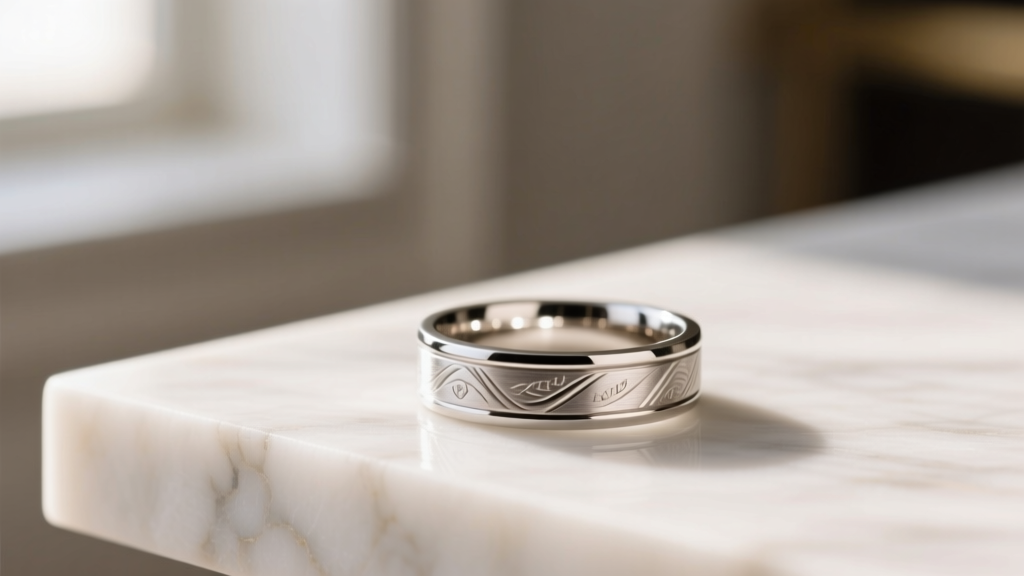
How to Identify Quality Craftsmanship in Wedding Bands
Wedding bands are the most-worn piece of fine jewelry most people will ever own. They’ll be on your hand through daily commutes, hand-washing, cooking, workouts, travel, anniversaries, and everything in between. That’s why craftsmanship matters as much as style—sometimes more. A well-made band feels comfortable, keeps its shape, holds gemstones securely, and stays beautiful for years with normal care.
Couples often focus on sparkle, metal color, or matching sets, then discover later that comfort, durability, and long-term maintenance define their real satisfaction. The good news: you don’t need to be a master jeweler to spot quality workmanship. With a few simple checks and the right questions, you can confidently compare wedding rings and choose a band that’s truly built to last.
What “Quality Craftsmanship” Means in a Wedding Band
Quality craftsmanship is the combination of strong materials, precise construction, thoughtful finishing, and secure stone-setting (when applicable). A great wedding band isn’t just pretty from the top—it’s consistent all the way around, with smooth edges, clean details, and no weak points that will wear down quickly.
The best craftsmanship shows up in the details
- Comfort: The band feels smooth, balanced, and non-irritating on the finger.
- Durability: The shank (band body) maintains thickness where it matters and resists warping.
- Finish quality: Polishing, brushing, and engraving look intentional and even.
- Stone security: Prongs, bezels, and channels are clean and protective, not snaggy or uneven.
- Consistency: Symmetry and alignment stay true around the ring.
Start With the Materials: Metals That Hold Up Over Time
The craftsmanship of a wedding band begins with the metal. Even the best design won’t perform well if the material is too soft for your lifestyle or poorly alloyed. Here’s how to evaluate common wedding ring metals and what quality looks like.
Gold (14K vs. 18K): the sweet spot for wearability
14K gold (58.5% pure gold) is one of the most popular choices for wedding bands because it balances richness with durability. 18K gold (75% pure) has a deeper color and slightly more weight but is softer, so it can show scratches sooner—especially in high-polish finishes.
- Quality indicators: Clear, clean hallmarks (e.g., “14K” or “585”; “18K” or “750”), consistent color, and a sturdy shank thickness.
- Trend vs. classic: Yellow gold is a timeless classic and currently trending strongly again, especially with vintage-inspired settings and thicker, “bold” bands.
Platinum: premium, dense, and naturally white
Platinum is prized for its heft, hypoallergenic properties, and naturally white color (no rhodium plating required). It develops a patina over time rather than losing metal quickly, though it can show surface marks.
- Quality indicators: Markings like “PT950” (95% platinum), solid feel, and smooth finishing along the edges and interior.
- Great for: Couples who want a long-term heirloom piece, especially with diamonds in prong, pavé, or channel settings.
White gold: bright look, maintenance required
White gold is typically rhodium-plated to achieve a bright white finish. Over time, the plating can wear, revealing a warmer tone underneath (depending on the alloy). That’s normal—just part of ownership.
- Quality indicators: Even plating, no blotchy areas, and crisp details on milgrain or engraving.
- Care expectation: Plan for periodic rhodium re-plating, often every 1–3 years depending on wear.
Titanium, tungsten, and alternative metals: modern, tough, but different tradeoffs
Contemporary wedding bands in titanium and tungsten are popular for their strength and affordability. Tungsten resists scratching but can chip under sharp impact; titanium is light and strong but can be harder to resize.
- Quality indicators: Smooth interior, no rough seams, consistent finish, and honest sizing/resizing policies from the seller.
- Value tip: If you love alternative metals, consider a comfort-fit interior and verify what adjustments are possible before buying.
Construction Quality: What to Look For in the Band Itself
Comfort-fit vs. standard-fit interiors
A comfort-fit wedding band has a slightly rounded interior that slides on more easily and feels smoother during all-day wear. Craftsmanship shows in how even and symmetrical that curvature is—no sharp edges or flat “steps” inside the ring.
Shank thickness and durability
Thin, delicate bands can be beautiful, especially in minimalist styles, but they’re more prone to bending—particularly in softer metals. For everyday durability, many jewelers recommend avoiding ultra-thin shanks (especially under ~1.8mm) unless lifestyle is gentle and expectations are realistic.
Seamless finishing and symmetry
Rotate the ring under light. High-quality finishing looks even from every angle: consistent polishing, a uniform satin brush, and no visible tool marks. If the band has a pattern (like milgrain or a knife-edge profile), check that it stays centered and crisp all the way around.
Stone-Set Wedding Bands: How to Judge Setting Work
Diamond wedding bands and gemstone-accented rings are popular choices for stacking, matching engagement rings, or adding extra sparkle. Here, craftsmanship isn’t just aesthetic—it’s structural. Poor setting work risks loose stones and expensive repairs.
Pavé settings: sparkle with precision requirements
Pavé diamond wedding bands use many small diamonds held by tiny beads or micro-prongs. Quality pavé looks smooth, aligned, and bright without snagging.
- Check for: Even stone spacing, consistent prong size, and no “wavy” rows.
- Ask about: Diamond matching (color/clarity consistency) and whether the band allows resizing without compromising pavé integrity.
Channel settings: secure and sleek
Channel-set wedding bands hold diamonds between two metal walls. This style is a classic for durability and a clean look.
- Check for: Straight channel walls, no gaps, and stones sitting level with no rattling.
- Craftsmanship marker: Crisp edges that still feel smooth to the touch—refined, not sharp.
Bezel and flush settings: modern, practical, and protective
Bezel-set diamonds are wrapped by metal; flush-set (also called gypsy-set) stones sit into the band. These are on-trend for modern couples who want a low-profile, active-friendly ring.
- Check for: Clean metal edges around stones, no uneven lips, and a smooth surface that won’t catch on fabric.
Gemstones beyond diamonds: what to know
Sapphires (including modern salt-and-pepper looks or classic blue) are a top trend for couples wanting color. If choosing gemstones, prioritize hardness and wearability. Diamonds (Mohs 10) and sapphires (Mohs 9) are ideal for daily wear. Softer stones may require extra protective settings and more maintenance.
Diamond and Gem Quality: Cut Consistency Matters in Bands
When a wedding band uses multiple stones, consistency is a major craftsmanship signal. Even if you’re not buying top-tier grades, stones should match each other well.
- Cut: Look for even sparkle across the row. Dull “dead” stones can indicate poorly cut melee diamonds.
- Matching: Diamonds should appear consistent in color (no random yellowish stones) and size alignment.
- Clarity expectations: In small stones, minor inclusions are common, but they shouldn’t be visible or reduce brilliance.
Practical Buying Tips: How to Evaluate Craftsmanship Before You Commit
Use the “touch test” and “snag test”
Run the ring across a soft knit or lightly over your clothing (with permission if in-store). A well-finished band won’t catch easily. Feel the edges: quality rings feel smooth, not sharp or scratchy.
Inspect under magnification
Ask to see the band under a jeweler’s loupe. Look for clean prong tips, uniform pavé beads, and no visible pits or porosity in the metal (tiny holes can weaken areas over time).
Ask the right questions
- Is the band solid or hollow?
- What are the metal purity marks (14K, 18K, PT950)?
- For diamond bands: what are the total carat weight, average color/clarity, and how are stones matched?
- What is the resizing policy, and will resizing affect settings or patterns?
- Is there a warranty for workmanship or stone tightening?
Care and Maintenance: Keeping Your Wedding Band Looking Its Best
- Regular cleaning: Warm water, mild dish soap, and a soft toothbrush work well for gold and platinum. Rinse thoroughly and pat dry.
- Avoid harsh chemicals: Chlorine and certain cleaners can damage alloys and finishes.
- Check stones periodically: For pavé or prong-set bands, have a jeweler check tightness every 6–12 months.
- Re-polish vs. re-plate: Platinum and gold can be polished; white gold may need rhodium re-plating to restore brightness.
- Storage: Store bands separately or in soft pouches to prevent scratching, especially next to diamond jewelry.
Price Range Considerations: Where Value Shows Up
Wedding band prices vary widely based on metal, weight, brand, and stone-setting complexity. As a general guide:
- Plain 14K gold bands: often a strong value choice, with pricing largely driven by gold weight and width.
- Platinum bands: typically cost more due to metal density and labor; the value is long-term durability and naturally white color.
- Diamond wedding bands (pavé/channel): pricing depends on total carat weight, diamond quality, and setting labor.
- Alternative metals (tungsten/titanium): generally lower upfront cost, but may have limited resizing options—factor replacement into long-term value.
Value tip: Prioritize a well-proportioned shank and secure setting over maximum sparkle for the price. A slightly lower carat weight with better setting work usually wears better than a more delicate, stone-heavy band that’s prone to maintenance issues.
Common Mistakes to Avoid When Shopping for Wedding Bands
- Choosing style over lifestyle: High-profile prongs and ultra-thin bands can be frustrating if you’re very active or work with your hands.
- Ignoring how it stacks: If you’re pairing with an engagement ring, check for gaps, rubbing, and height mismatch. Some sets need a contour band.
- Assuming all “white” metals are the same: Platinum, white gold, and palladium (when available) wear differently and have different upkeep.
- Overlooking comfort-fit: A small upgrade in comfort can make a big difference for daily wear.
- Not planning for resizing: Eternity bands and many pavé styles can be difficult or impossible to resize. Confirm sizing before purchase.
- Skipping maintenance: Even the best-crafted band benefits from periodic inspections and professional cleaning.
FAQ: Quality Craftsmanship in Wedding Bands
How can I tell if a wedding band is solid gold or just plated?
Check for hallmarks like “14K/585” or “18K/750” stamped inside the band. Plated jewelry may be marked “GP” (gold plated) or “GEP.” Buying from a reputable jeweler who provides clear metal details is the safest approach.
Is platinum always better than gold for a wedding band?
Not always—platinum is dense and naturally white, but 14K gold can be extremely durable and often costs less. “Better” depends on your budget, sensitivity to metals, desired color, and how you feel about patina versus bright polish.
Do diamond wedding bands lose stones easily?
A well-made diamond band shouldn’t lose stones under normal wear, but pavé and shared-prong styles have more potential maintenance because they use smaller, more delicate settings. Regular inspections help prevent loss.
What setting is most secure for everyday wear?
Bezel and channel settings are among the most protective for diamonds because they shield edges and reduce snagging. Flush settings are also excellent for low-profile durability.
How often should I have my wedding band checked by a jeweler?
For plain metal bands, a yearly check and cleaning is usually enough. For stone-set wedding rings—especially pavé—every 6–12 months is a smart routine, or sooner if you notice snagging or hear any rattling.
Are vintage-style details like milgrain and engraving durable?
They can be, as long as the ring is made with adequate depth and clean finishing. Very shallow engraving or thin milgrain can wear down faster, especially on high-contact areas.
Next Steps: Choose a Band Built for a Lifetime
When you’re comparing wedding bands, look beyond the top view. Focus on comfort, metal quality, shank proportions, finishing, and stone security. Timeless classics like plain gold bands and channel-set diamonds remain popular for a reason, while current trends—like wider cigar bands, mixed metals, and low-profile bezel or flush-set diamonds—can be excellent choices when made with strong fundamentals.
If you’re ready to narrow down options, start by choosing the right metal for your lifestyle, then evaluate the ring’s finishing and setting work up close. For more practical shopping advice, style inspiration, and ring care tips, explore more jewelry guides on weddingsift.com.
More Articles
 How Much to Solder Wedding Rings (2026)
 Jewelry Making Safety Tips for Beginners
 Gold in Men’s Wedding Rings: Karat, Weight & Price (2026)
 How to Choose a Ring for a Proposal at the Beach
 Wedding Band Stacking Trends for 2026
 How to Resize a Silicone Wedding Band Safely
 How to Clean Gold Wedding Ring at Home Safely
 Wedding Band Metals: Which Lasts Forever
 Who Wears a Wedding Band on the Right Hand and Why
 Can You Wash Hands With Wedding Ring On? (2026)