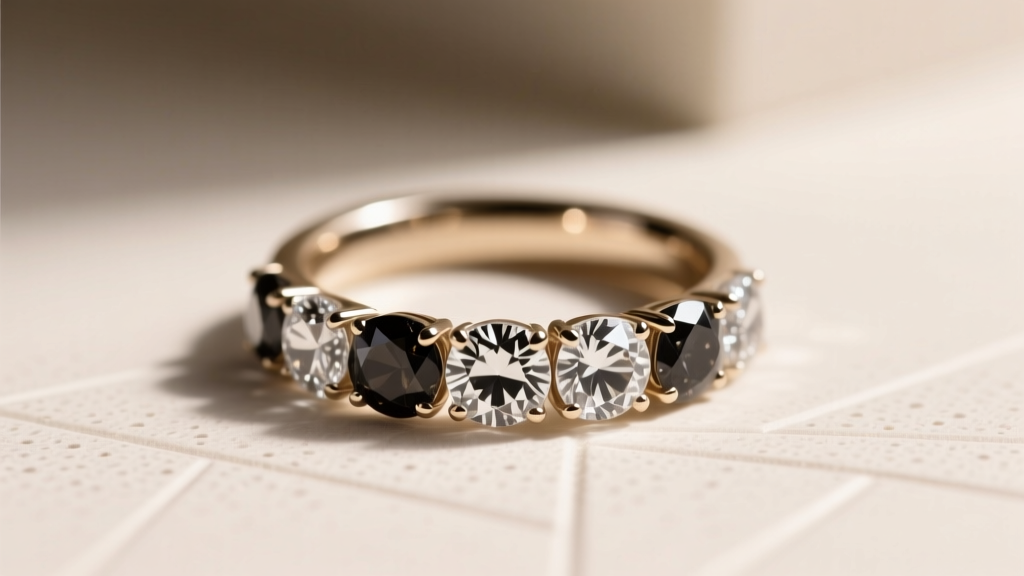
Salt and Pepper Diamonds Unique Speckled Beauty
Not every love story is perfectly symmetrical—and not every diamond needs to be, either. Salt and pepper diamonds are prized for their smoky, speckled look, created by visible inclusions that would be graded as “imperfections” in traditional white diamonds. Instead of hiding those natural markings, salt and pepper styles celebrate them, giving engagement rings and wedding bands a moodier, more personal character.
For couples shopping for an engagement ring that feels distinctive (without sacrificing durability), these diamonds sit in a sweet spot: they’re still real diamonds, still suitable for everyday wear, and they deliver a one-of-a-kind pattern that no lab can replicate exactly. Whether you’re drawn to modern minimalism, vintage-inspired settings, or an alternative bridal aesthetic, salt and pepper diamonds offer a fresh take that’s become a strong trend—while still pairing beautifully with timeless metals like platinum and 14k gold.
This guide breaks down what makes salt and pepper diamonds special, how to judge quality, which settings work best, and how to buy smart so your ring looks intentional—not accidental.
What Are Salt and Pepper Diamonds?
A salt and pepper diamond is a natural diamond with a noticeable mix of dark and light inclusions. “Salt” refers to the lighter or translucent inclusions; “pepper” refers to dark carbon or mineral inclusions. In many stones, these inclusions form a galaxy-like scatter; in others, they create dramatic cloudy patches, wispy veils, or bold streaks.
Natural vs. Treated vs. Lab-Grown
- Natural salt and pepper diamonds: Mined diamonds with natural inclusions. Each stone is visually unique.
- Treated diamonds: Some diamonds are enhanced to deepen color or mask certain features. Always ask for disclosure.
- Lab-grown diamonds with inclusions: Lab diamonds can be created with included or “salt and pepper–style” looks. These tend to be more consistent and often come with clearer documentation, but the patterns can appear less organic to some shoppers.
For engagement rings and wedding bands, natural and lab-grown both work well. The best choice depends on your budget, your preference for mined vs. lab-created gemstones, and how specific you are about pattern and tone.
Why Couples Love the Speckled Look
Salt and pepper diamonds appeal to couples who want a ring that feels personal and non-traditional without moving away from diamond entirely. They also pair naturally with several current jewelry trends:
- Alternative engagement rings: Unique stones and unexpected textures are popular for modern bridal jewelry.
- Minimalist settings: Simple solitaires and clean bezels let the stone’s pattern take center stage.
- Vintage-inspired design: Milgrain edges, engraved shanks, and halo details complement the antique mood of a smoky diamond.
- Mixed metals: Two-tone engagement rings (like yellow gold with a white prong head) highlight the diamond’s contrast.
At the same time, salt and pepper diamonds can still look timeless when set in classic shapes—think round brilliant, oval, or emerald cut in platinum or 14k gold.
Choosing the Right Salt and Pepper Diamond
Shopping for salt and pepper diamonds is different from shopping for a traditional “ideal” white diamond. Standard grading terms still matter, but your eye matters more.
1) Pattern: Speckled vs. Cloudy vs. Streaked
Pattern is the main driver of beauty. Look for a distribution that feels balanced:
- Even “starfield” speckling: A scattered peppered look many couples find romantic and modern.
- Smoky or cloudy stones: Softer contrast and a misty look; can feel more subtle from a distance.
- High-contrast streaks: Bold inclusions that can look graphic and dramatic, especially in step cuts.
Ask for photos and videos in multiple lighting types (diffused daylight and indoor spot lighting). A stone can look dramatically different depending on the environment.
2) Cut: The Shape Matters More Than Sparkle Metrics
Salt and pepper diamonds can be cut into popular engagement ring shapes, each with its own vibe:
- Round and oval: Classic silhouettes; great if you want a familiar shape with an unconventional interior.
- Rose cut: Low-profile and softly glowy rather than sparkly. A favorite for vintage and bohemian engagement rings.
- Emerald cut and elongated step cuts: Clean lines that show inclusions clearly—ideal if you love bold pattern.
- Pear, marquise, and kite: Trend-forward shapes that look stunning in east-west settings or bezel frames.
Because inclusions affect light return, don’t judge these diamonds by the same “maximum brilliance” standard as a colorless brilliant-cut diamond. Instead, look for a cut that feels crisp and symmetrical, with inclusions positioned in a way you find appealing.
3) Durability and Inclusion Placement
All diamonds rank 10 on the Mohs hardness scale, making them excellent for daily wear. The main risk with heavily included diamonds is not hardness—it’s structural features like feathers (internal cracks), cavities, or inclusions reaching the surface.
- Choose stones where inclusions don’t break the surface near corners or thin points.
- For shapes with tips (pear, marquise), prioritize protective settings like V-prongs or bezels.
- If buying online, request confirmation that the stone is suitable for engagement ring wear, not just jewelry in general.
4) Color Tone: Icy Gray to Charcoal
Salt and pepper diamonds range from pale gray with light peppering to deep charcoal with dramatic contrast. Consider your metal choice:
- Platinum or white gold: Enhances cool, steely grays and gives a sleek, modern engagement ring look.
- Yellow gold: Warms the stone visually and adds classic bridal richness—great for balancing darker diamonds.
- Rose gold: Softens the overall tone and pairs beautifully with romantic, vintage-inspired designs.
Best Settings for Salt and Pepper Diamond Engagement Rings
The right setting makes the diamond look intentional and elevated. Craftsmanship matters: clean prong work, secure seats, and a well-finished band are essential for everyday wear.
Bezel Settings (Top Pick for Everyday Wear)
A bezel setting wraps metal around the diamond’s edge, offering excellent security and a smooth profile that’s comfortable for daily life. It’s also ideal if you want a modern engagement ring with a sleek silhouette. A full bezel protects edges; a partial bezel can feel lighter and more delicate.
Prong Settings (Classic and Airy)
Prongs allow more light in and keep the design traditional. For salt and pepper diamonds, consider:
- Four-prong solitaire: Clean and timeless, especially with round or oval stones.
- Six-prong: Extra security for round diamonds.
- V-prongs: A must for pointed tips on pear and marquise cuts.
Halo and Cluster Designs (Vintage Meets Modern)
A halo can make the center diamond look larger and add sparkle around a moody stone. Many couples choose white diamond melee, but champagne diamonds or even salt-and-pepper accents can create a cohesive, textured look.
Band Pairing Ideas for Wedding Bands
For a cohesive bridal set, consider these wedding band pairings:
- Plain metal band: A timeless classic that lets the engagement ring shine.
- Contour or curved band: Fits snugly around a larger center stone or low-set bezel.
- Diamond pavé band: Adds traditional sparkle against a speckled center.
- Textured bands: Hammered or brushed finishes echo the diamond’s organic look.
Metal Choices: What Works Best?
Choosing the right metal affects not only style, but long-term maintenance.
- 14k gold: A popular choice for engagement rings and wedding bands due to durability and everyday practicality. Available in yellow, white, and rose.
- 18k gold: Richer color and a more luxurious feel, but slightly softer than 14k—fine for most wearers, especially with a protective setting.
- Platinum: Naturally white and very durable. It develops a patina over time rather than losing metal. Excellent for prongs and bezels that need strength.
For white gold, ask whether it’s rhodium plated (most are). Rhodium plating may need refreshing over the years to keep a bright white finish.
Price Range and Value Tips
Salt and pepper diamonds often cost less than high-clarity, colorless diamonds of similar size, but pricing varies widely based on cut quality, overall look, and demand for certain shapes.
- Typical center stone pricing: Many salt and pepper diamonds fall roughly in the $500–$3,000 range for common engagement ring sizes, with premium stones higher depending on carat weight and cut.
- Setting costs: A quality 14k gold setting may start around $400–$1,200+, while platinum and intricate halos or custom work increase the total.
How to Get the Best Value
- Prioritize pattern over specs: A slightly smaller diamond with a striking pattern often looks more “wow” than a larger stone with muddy inclusions.
- Choose secure craftsmanship: Money spent on a well-made setting pays off in longevity.
- Consider lab-grown for size: If carat weight is a priority, a lab-grown salt-and-pepper look can offer more size per dollar.
- Ask for videos: Movement reveals how the inclusions read in real life.
Practical Buying Tips for Couples
- Confirm whether it’s natural or lab-grown: Make sure your receipt and any certification match what you’re buying.
- Ask about stability: Request confirmation that inclusions don’t compromise durability for daily wear.
- Check ring height: Many couples prefer a low-profile engagement ring that won’t snag. Bezels and low-set prongs are ideal.
- Plan your wedding band fit: If you want a flush fit, consider a spacer band, contour band, or a raised setting.
- Match your lifestyle: If you work with your hands, lean toward bezels, thicker shanks, and platinum or 14k gold.
Care and Maintenance
Salt and pepper diamonds don’t require special cleaning compared to other diamonds, but settings with texture or pavé may trap more debris.
- At-home cleaning: Warm water, mild dish soap, and a soft toothbrush. Rinse well and pat dry with a lint-free cloth.
- Avoid harsh chemicals: Chlorine and strong cleaners can damage metal alloys and dull finishes, especially on white gold plating.
- Professional checkups: Have prongs, bezels, and pavé inspected about once a year—more often if you’re very active.
- Safe storage: Store separately to prevent scratches on other jewelry, especially if your ring has sharp edges or textured detailing.
Common Mistakes to Avoid
- Buying based on a single photo: Lighting changes everything. Insist on multiple images and a video.
- Mistaking “salt and pepper” for poor quality: Some included diamonds look flat or murky. The goal is character, not dullness—choose a pattern that feels deliberate.
- Ignoring inclusion type: A dramatic look is fine; a surface-reaching feather near a corner is not. Ask questions.
- Choosing a delicate setting for a rough lifestyle: Thin bands and high-set prongs can snag or bend. Balance beauty with practical wear.
- Not planning the bridal set: A gorgeous engagement ring can become frustrating if no wedding band sits well beside it.
FAQ: Salt and Pepper Diamond Engagement Rings
Are salt and pepper diamonds real diamonds?
Yes. Most are natural mined diamonds with visible inclusions. You can also find lab-grown diamonds with similar included patterns.
Do salt and pepper diamonds sparkle?
They can, especially in brilliant cuts, but the sparkle is often softer or more “shimmering” because inclusions affect how light moves through the stone. Many couples love the moody glow and depth.
Are they durable enough for everyday wear?
Diamonds are very hard, but heavy inclusions can affect durability depending on type and placement. Choose a stone suitable for ring wear and pair it with a protective setting (bezel or secure prongs).
What metal looks best with a salt and pepper diamond?
Platinum and white gold highlight cool gray tones for a modern look. Yellow gold adds warmth and contrast. Rose gold creates a softer, romantic feel—especially with vintage-inspired settings.
Do salt and pepper diamonds come with grading reports?
Some do, especially if they’re larger or sold through retailers who submit stones to labs. Because inclusions are expected, traditional clarity grades may not reflect beauty as well as photos and videos. Ask what documentation is available.
Can I pair a salt and pepper engagement ring with a classic diamond wedding band?
Absolutely. A pavé diamond band can add timeless sparkle next to a speckled center stone, creating a balanced bridal set that feels both modern and classic.
Where Salt and Pepper Diamonds Fit: Trend-Forward, Still Timeless
Salt and pepper diamond engagement rings have earned their place in modern bridal jewelry because they offer something rare: individuality that still feels like a “real diamond” ring. Choose a stone whose pattern speaks to you, invest in a secure setting, and pick a metal that complements the diamond’s tone. The result is a ring you’ll love looking at every day—because no one else’s will look quite the same.
If you’re narrowing down options, start by deciding on your preferred pattern (speckled vs. smoky), then choose a cut and setting that support your lifestyle and wedding band plans. For more help comparing engagement ring styles, wedding bands, and gemstone options, explore more jewelry guides on weddingsift.com.
More Articles
 How to Tighten Wedding Ring Safely (2026)
 Does Priscilla Presley Still Have Elvis’s Wedding Ring?
 How to Choose a Wedding Band With a Tungsten Carbide
 Silver Wedding Rings: Risks & Better Alternatives
 The Practical Engagement Ring Buying Guide: Metal, Stone, Fit & Ethics Explained
 Two-Piece Wedding Ring Rules (2026)
 Couples Rings vs. Really: Decoding the Critical Distinction in Commitment Jewelry
 Can You Wear a Wedding Ring in an MRI? (2026)
 How to Choose a Wedding Band That Fits Your Lifestyle
 Venues vs. Step: A Metalsmith’s Deep-Dive Comparison of Two Iconic Diamond Cuts