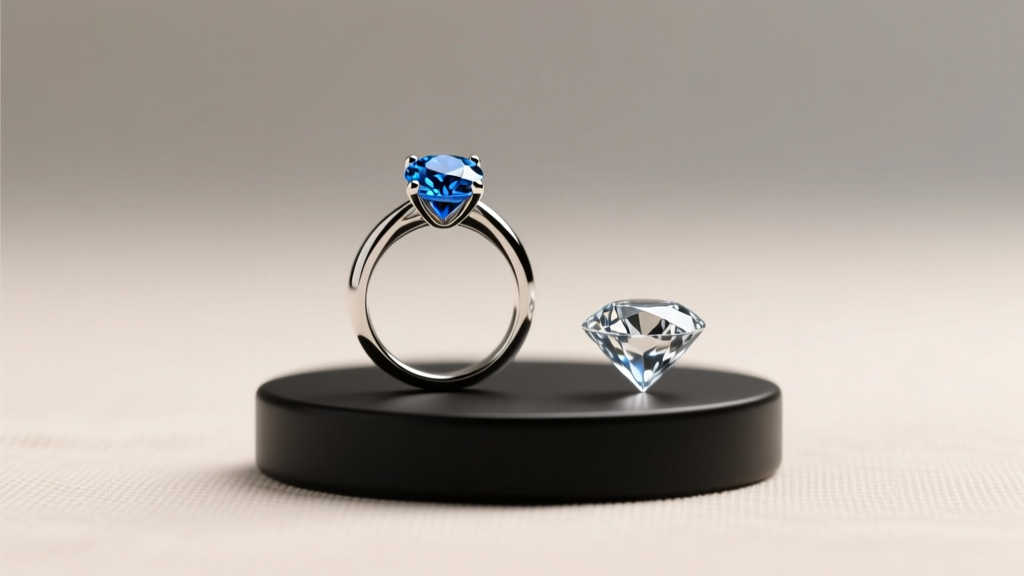
Blue Diamond Natural and Treated Options
Blue diamonds have a rare way of feeling both modern and timeless. For couples shopping for engagement rings and wedding bands, a blue diamond can be a personal signature—romantic, distinctive, and still undeniably “diamond.” The catch is that not all blue diamonds are blue for the same reason. Some are naturally colored by the earth; others achieve their color through careful, permanent treatment. Both can be beautiful, but they belong in different budgets, and they should be bought with different expectations.
This guide breaks down natural vs treated blue diamonds in clear, jeweler-style terms: what creates the color, how to judge quality, which cuts and settings show blue best, what you can expect to pay, and how to avoid common shopping mistakes. If you’re considering a blue diamond engagement ring, a blue diamond wedding band, or even blue diamond accents on a classic bridal set, you’ll know exactly what to look for.
What Makes a Diamond Blue?
Natural Blue Diamonds (Fancy Color)
Natural blue diamonds are a type of fancy color diamond. Their blue color is typically caused by trace amounts of boron in the diamond’s crystal structure. Boron affects how the diamond absorbs light, resulting in a body color that ranges from pale sky blue to deep, inky “ocean” blue.
Natural blues are rare. That rarity is a major driver of value—especially once you move into stronger saturation levels like Fancy Blue, Fancy Intense Blue, and Fancy Vivid Blue. Many natural blue diamonds also show a secondary tone (often gray), and that nuance matters because it affects both appearance and price.
Treated Blue Diamonds
Treated blue diamonds start as natural diamonds, but their color is modified by a process performed after mining. The most common treatments include:
- HPHT (High Pressure High Temperature): Alters the diamond’s structure to change color. Often used for certain color changes, sometimes in combination with other methods.
- Irradiation + Annealing: Uses controlled irradiation to change the diamond’s color, followed by heating (annealing) to stabilize and refine the shade. This method is commonly used to create blue and green hues.
- Coating: A thin film applied to the surface to create a blue appearance. Coatings can wear off or be damaged, and they generally carry the lowest value and the most care concerns.
Many treated blue diamonds are stable and wearable for everyday engagement ring use, but treatment must be disclosed. A reputable jeweler will provide documentation from a respected lab stating the diamond’s origin and whether it has been treated.
Natural vs Treated Blue Diamonds: Key Differences
Rarity and Long-Term Value
Natural blue diamonds command higher prices because of rarity and collector demand. They tend to hold value better over time, especially with strong lab documentation (GIA is the gold standard for fancy color diamonds).
Treated blue diamonds offer the blue look at a far more approachable price. They can be an excellent value for couples who prioritize style and size over rarity. Resale value is typically lower than comparable natural fancy color diamonds.
Color Appearance
Natural blues can look complex—sometimes with a steel-blue or gray-blue undertone. Treated blues often present a more uniform color, and some can appear intensely blue for the carat weight. Neither is “better” aesthetically; it’s about what looks best on your hand and under your lighting.
Certification and Disclosure
For natural blue diamonds, look for a grading report that states the fancy color grade (for example, Fancy Light Blue). For treated blue diamonds, the report should clearly disclose the treatment (for example, “color is the result of treatment”). If a seller avoids paperwork, treat that as a red flag.
Understanding Blue Diamond Quality: Color, Cut, Clarity, Carat
Color: Hue, Tone, Saturation
Color is the top priority for blue diamonds.
- Hue: The base color (blue) and any secondary colors (gray, green, violet).
- Tone: How light or dark the diamond appears.
- Saturation: The intensity or strength of the color.
For many couples, a slightly lighter tone can look brighter and more “sparkly” in everyday wear, especially in smaller center stones. Very dark blues can look dramatic, but they may show less brilliance if the cut doesn’t return enough light.
Cut: How to Maximize Sparkle and Color
Cut affects both brilliance and how strongly you see the blue body color. Popular choices include:
- Round brilliant: The brightest sparkle; color may face up slightly lighter due to higher brilliance.
- Cushion: A favorite for colored diamonds—good balance of scintillation and color presence; also a strong vintage trend for engagement rings.
- Oval: Elegant, finger-lengthening, and trendy in bridal jewelry; can show color beautifully, but watch for bow-tie shadowing.
- Radiant: Excellent for strong sparkle with saturated color—often a standout for treated blues.
- Emerald/asscher: Step cuts highlight color and clarity; they can look very refined but may reveal inclusions more easily.
For treated and natural blue diamonds alike, ask for videos in multiple lighting types (daylight, indoor, spotlight) to see how the color behaves.
Clarity: Where You Can Be Practical
Because blue diamonds have visible body color, you can often be more flexible on clarity than you would with a colorless diamond. Look for a stone that is eye-clean from the top. For step cuts (emerald, asscher), lean toward higher clarity since inclusions are easier to spot.
Carat: Size vs Presence
Carat weight influences price dramatically for natural fancy color diamonds. If you’re balancing budget, consider a slightly smaller center stone with a halo, or choose a treated blue center diamond and invest in a premium setting and craftsmanship.
Best Metals and Settings for Blue Diamond Engagement Rings
Metal Choices
- Platinum: Durable, naturally white, and a classic luxury metal. Excellent for securing a valuable natural blue diamond.
- 18K White Gold: Bright and elegant; requires occasional rhodium re-plating over the years to maintain a crisp white finish.
- 18K Yellow Gold: Warm contrast that can make a blue center stone pop. A timeless choice that’s back in a big way in current engagement ring trends.
- 18K Rose Gold: Romantic, modern-vintage feel; can create a softer contrast with lighter blue diamonds.
Setting Styles Couples Love Right Now
- Solitaire: Timeless and clean. Works beautifully with a well-cut blue diamond and lets color do the talking.
- Halo: A classic bridal look that makes the center appear larger and adds extra brilliance—especially popular with cushion and oval shapes.
- Three-stone: Meaningful (past/present/future) and balanced. Blue center with white diamond sides is a sophisticated, enduring combination.
- Hidden halo / gallery details: A modern trend that adds sparkle from the side view without overwhelming the center stone.
- Bezel or semi-bezel: Sleek, secure, and great for active lifestyles—an excellent choice for everyday engagement rings.
Prong color matters, too. White prongs (platinum or white gold) keep the look crisp, while yellow gold prongs can slightly warm the appearance. For a pure “icy” blue look, white metal prongs are usually the safest bet.
Blue Diamond Wedding Bands and Bridal Sets
If you love the idea of blue but want a classic center diamond, consider blue diamond accents in a wedding band: pavé, channel-set, or alternating blue and white diamonds. Channel settings are a favorite for durability, while pavé offers maximum sparkle but needs careful craftsmanship and routine checks.
For matching bridal sets, pay attention to band height and profile so the engagement ring and wedding band sit flush. Many couples now choose a slightly contoured wedding band to nest cleanly against an engagement ring halo or larger center stone.
Price Ranges and Value Tips
What You Can Expect to Pay
- Natural blue diamonds: Often priced at a premium that can range from “expensive” to “extraordinary,” depending on intensity (Fancy vs Fancy Vivid), size, and lab pedigree. Even small natural Fancy Blue center stones can be significant investments.
- Treated blue diamonds: Commonly available at a fraction of the cost of natural fancy color diamonds, making a 0.50–2.00 carat look far more achievable for many engagement ring budgets.
Exact pricing changes with the market and depends heavily on color grade, cut quality, and certification. When comparing options, focus on the face-up beauty and documentation, not just carat weight.
Smart Value Moves
- Prioritize cut quality to keep the stone lively and bright.
- Consider slightly lighter blues if you want more sparkle and a lower price point.
- Spend on the setting craftsmanship: secure prongs, a well-finished gallery, and a comfortable shank matter for lifelong wear.
- Use accent stones strategically: a halo or tapered baguette sides can increase visual impact without needing a larger center.
Care and Maintenance for Blue Diamond Rings
Blue diamonds—natural or treated—are still diamonds (Mohs hardness 10), so they’re excellent for daily wear. The main concerns are your setting and, in rare cases, specific treatments.
- Cleaning: Warm water, mild dish soap, and a soft toothbrush work well. Rinse thoroughly and dry with a lint-free cloth.
- Professional checks: Have prongs and pavé inspected every 6–12 months, especially for engagement rings worn daily.
- Ultrasonic/steam cleaning: Generally safe for diamonds, but avoid if your ring has fragile accent stones or you’re unsure about treatments or inclusions. When in doubt, ask your jeweler.
- Avoid harsh chemicals: Chlorine can damage metal alloys and finishes. Remove rings for pool/hot tub use and household cleaning.
- Storage: Store separately in a soft pouch or ring box to prevent scratching other jewelry.
Common Mistakes to Avoid When Shopping
- Assuming “blue diamond” automatically means natural: Ask directly whether the color is natural or treated, and request lab documentation.
- Buying without a reputable grading report: For natural fancy color, look for GIA (or a well-known equivalent). For treated stones, insist on clear treatment disclosure.
- Choosing color intensity without seeing real lighting: Some blues look dramatically different indoors vs outdoors. Request videos and compare stones side-by-side if possible.
- Overlooking setting security: A beautiful blue diamond engagement ring needs well-made prongs or a secure bezel—especially with halos and pavé bands.
- Confusing coated diamonds with permanently treated diamonds: Coatings can be damaged and generally aren’t ideal for lifelong daily wear.
- Ignoring wedding band compatibility: If you plan a matching wedding band, confirm the rings will sit flush or choose a contoured band.
FAQ: Blue Diamond Natural and Treated Options
Are treated blue diamonds “real” diamonds?
Yes. Treated blue diamonds are genuine mined diamonds whose color has been changed after cutting. They should be disclosed and priced accordingly.
Will a treated blue diamond fade over time?
Most reputable treated blue diamonds (such as irradiation/annealing or HPHT) are considered stable under normal wear. Coated diamonds are the exception and can lose their appearance if the coating is worn or damaged.
What’s the best metal for a blue diamond engagement ring?
Platinum and 18K white gold are popular for a crisp, icy look. Yellow gold is a timeless contrast that can make blue appear even richer—especially in classic solitaire or three-stone settings.
Do blue diamonds sparkle as much as white diamonds?
They can. Sparkle depends primarily on cut quality. Deeper or more saturated blues may show slightly less “bright white” return than a colorless diamond, but a well-cut stone will still have beautiful brilliance and scintillation.
Should I choose a blue diamond center stone or blue diamond accents?
A center stone makes a bold statement and is very on-trend for unique engagement rings. Accents are a subtler, classic option—great if you want a traditional center diamond with a personal touch of color in the wedding band or halo.
What certification should I ask for?
For natural fancy color diamonds, GIA reports are widely trusted for color grading. For treated blue diamonds, ask for a lab report that clearly states the treatment and any care considerations.
Choosing the Right Blue Diamond for Your Love Story
If your priority is rarity, legacy value, and owning something genuinely scarce, a natural fancy blue diamond with strong certification is the direction to take—especially in a classic solitaire, three-stone, or halo engagement ring that will age beautifully. If your priority is getting the blue diamond look in a larger size or within a more practical budget, a treated blue diamond can be a smart, stylish choice, particularly when paired with quality craftsmanship and a secure setting.
When you’re ready, explore more engagement ring and wedding band guides on weddingsift.com to compare gemstones, settings, metals, and bridal set styles with confidence.
More Articles
 Complete Budget Essentials: A Practical Metalsmith’s Guide to Starting Jewelry Making Under $500
 How Do You Wear a Wedding Ring Set the Right Way
 Gold Wedding Ring Buying Guide: Real-World Durability (2026)
 Clean Wedding Rings at Home: 5 Safe Methods (2026)
 Real Venue Essentials
 How to Tighten Wedding Ring Safely (2026)
 Men's Wedding Bands Materials and Styles Compared
 Pink Diamond Rarity and Romance
 How to Choose the Perfect Engagement Ring for Her
 Wedding Band Matching: 7 Rules Jewelers Swear By (2026)