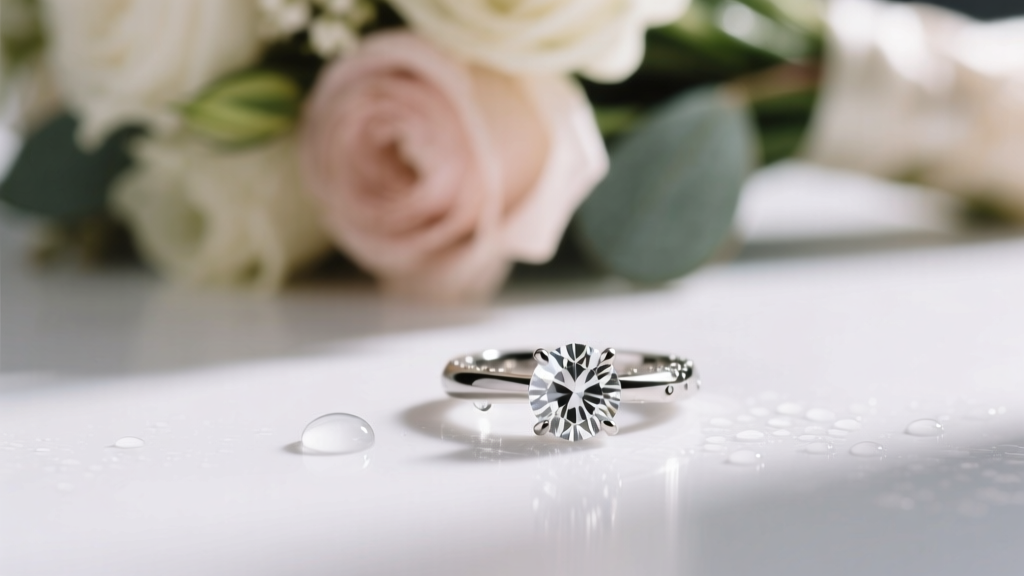
How to Clean Diamond Rings Without Harsh Chemicals
Diamond rings are designed to last for decades, but daily life is tough on sparkle. Lotion, soap residue, cooking oils, hair products, and even natural skin oils can build up behind the stone and along the setting. The result is a diamond that looks “cloudy” or dull—especially in popular engagement ring styles like halos, pavé bands, and hidden halos where tiny crevices trap grime.
The good news: you don’t need harsh chemicals to keep your engagement ring or wedding band looking brilliant. With the right gentle tools, a few smart habits, and an understanding of your ring’s metal and setting, you can clean a diamond ring safely at home and protect its craftsmanship. This guide walks you through proven, jeweler-approved methods that are effective, budget-friendly, and kind to both your jewelry and your hands.
Whether you’re shopping for a classic solitaire, a trendy oval diamond with a thin band, or a modern bezel setting, knowing how to clean and maintain your ring is part of buying wisely. A well-cared-for ring doesn’t just sparkle more—it also holds its value and stays structurally secure.
Why Diamond Rings Lose Sparkle (Even When the Diamond Is “Forever”)
Diamonds are extremely hard (10 on the Mohs scale), but they’re not immune to looking dirty. A diamond’s fire and brilliance depend on light entering the stone and reflecting back out through its facets. When oils and residue coat the pavilion (the underside) or collect under prongs, light is blocked and the diamond appears dull.
Common culprits
- Hand lotion and sunscreen (especially mineral formulas)
- Dish soap film from frequent handwashing
- Makeup and hair spray that settle into pavé and halo settings
- Kitchen grease that clings to metal and diamonds alike
- Hard water minerals that leave a haze on white metals
Even the best-cut diamond—round brilliant, oval, cushion, emerald—will look less lively when it’s coated. Cleaning is less about “fixing” the diamond and more about restoring the optical performance you paid for.
Know Your Ring: Metals, Settings, and What They Need
Before cleaning, identify your ring’s metal and setting. This is especially helpful if you’re comparing engagement rings and wedding bands or choosing between timeless classics and trend-forward designs.
Metal types and how they respond to gentle cleaning
- Platinum: Very durable and naturally white. It can develop a soft patina over time (a normal, classic look). Gentle cleaning is safe; avoid abrasive polishing at home.
- 14K/18K white gold: Typically rhodium-plated for bright whiteness. Gentle cleaning is ideal; abrasive scrubbing can wear plating faster, leading to more frequent re-plating.
- Yellow gold and rose gold: Warm-toned classics that hide minor micro-scratches well. They clean up beautifully with mild soap and soft brushing.
- Mixed metals: Popular in modern bridal stacks (two-tone engagement rings + wedding bands). Gentle, non-chemical cleaning helps keep finishes consistent.
Setting styles: where dirt hides (and what to do about it)
- Prong settings: The most common solitaire style. Dirt collects under the stone; brushing from beneath is key.
- Halo and pavé: On-trend and ultra-sparkly, but high-maintenance. Fine debris builds up around small diamonds (melee) and shared prongs.
- Bezel settings: Sleek, secure, and increasingly popular for active lifestyles. They resist snagging but can trap residue around the rim; gentle brushing helps.
- Cathedral and hidden halo designs: Beautiful side architecture can collect product buildup. Use a soft brush and warm soak.
- Vintage-inspired settings: Milgrain and filigree details need careful, soft tools to avoid bending delicate elements.
The Best Way to Clean a Diamond Ring at Home (No Harsh Chemicals)
This method is safe for diamonds and most precious metals when done gently. It’s also the simplest approach for couples maintaining engagement rings and wedding bands at home.
What you’ll need
- A small bowl
- Warm water (not hot)
- Mild dish soap (a few drops)
- A soft toothbrush or extra-soft baby toothbrush
- A lint-free microfiber cloth
- A fine mesh strainer (optional but helpful)
Step-by-step gentle cleaning
- Soak: Mix warm water with a few drops of mild dish soap. Let the ring soak for 15–20 minutes to loosen oils and residue.
- Brush lightly: Use the soft toothbrush to clean around the diamond, especially the underside and the area where the stone meets the setting. Use small, gentle strokes—focus on crevices, not pressure.
- Rinse carefully: Rinse under lukewarm running water. If you’re at a sink, close the drain or rinse over a bowl/strainer to prevent accidents.
- Dry and buff: Pat dry with a microfiber cloth, then lightly buff the metal. Avoid paper towels, which can leave fibers and create micro-scratches.
Pro tip: A diamond can look clean from the top but still be dirty underneath. Most “my diamond looks dull” complaints come from buildup behind the stone—cleaning from the underside makes the biggest difference.
Natural and Gentle Alternatives (When Soap Isn’t Enough)
If your ring has stubborn buildup, you can stay chemical-free while still getting excellent results.
Warm water + a soft brush (more frequent, less aggressive)
For couples who wash hands constantly or use a lot of lotion, a quick warm-water rinse and gentle brush 2–3 times a week can prevent heavy buildup and reduce the need for longer soaks.
Microfiber + steam from a warm shower (light maintenance)
Hold the ring near (not under) warm shower steam for a minute, then wipe with a microfiber cloth. This helps loosen surface oils between deeper cleanings. Avoid doing this if your ring has loose stones or fragile antique details.
Jewelry cleaning cloths (for metal shine)
For yellow gold, rose gold, and platinum, a jewelry polishing cloth can brighten the metal without liquid cleaners. Use a very light touch around pavé and prongs to avoid snagging threads or lifting tiny stones.
What to Avoid: Common Cleaning Mistakes That Damage Rings
Many ring problems start with “quick fixes” that are too harsh for fine jewelry craftsmanship.
Mistakes to skip
- Bleach, chlorine, or pool chemicals: These can damage metal alloys and weaken prongs over time, especially in white gold.
- Abrasive toothpaste or baking soda pastes: These can scratch gold and wear away rhodium plating, dulling the finish.
- Ultrasonic cleaners for fragile settings: While many jewelers use ultrasonics, they’re not ideal for every ring. Pavé, halos, vintage settings, and rings with inclusions can be at risk if stones are loose.
- Boiling water: Sudden temperature shifts can stress certain stones and materials (especially if your ring includes side stones like emerald, opal, pearl, or tanzanite).
- Cleaning over an open drain: It sounds obvious, but it’s one of the most common real-life mishaps.
Care Habits That Keep Engagement Rings and Wedding Bands Looking New
Cleaning is only half the equation. Smart daily habits protect your ring’s setting, prongs, and surface finish—especially with today’s popular thin bands and delicate micro-pavé designs.
Daily wear tips
- Put your ring on last: After lotion, hair spray, and perfume.
- Take it off for workouts and cleaning: Weightlifting, gardening, and household scrubbing are common causes of bent prongs and scratched metal.
- Avoid sleeping in your ring: Prongs can catch on bedding; thin shanks can gradually deform.
- Store it correctly: Keep your diamond ring in a soft-lined box away from other jewelry to prevent scratching (diamonds can scratch other gemstones—and even other diamonds).
Professional maintenance schedule
- Every 6–12 months: Have a jeweler check prongs, tighten stones, and assess the setting—especially important for halos and pavé.
- As needed: Rhodium re-plating for white gold to restore bright whiteness (common for engagement rings worn daily).
- Occasional polishing: For scratched metal, ask for a light polish rather than aggressive refinishing, especially on vintage-inspired details and milgrain.
Buying Tips: Choose a Ring That’s Easier to Clean and Maintain
If you’re currently shopping for an engagement ring or wedding band, maintenance should be part of your decision—right alongside diamond cut, carat, color, clarity, and overall design.
Diamond quality factors that affect “visible cleanliness”
- Cut: A well-cut diamond (especially a round brilliant) will show dramatic sparkle when clean—and will also show buildup faster because you’re used to high performance. Prioritize cut quality for maximum brilliance.
- Clarity: Many inclusions are invisible face-up, but heavy buildup can make internal features more noticeable. If you’re choosing SI clarity, routine cleaning helps your diamond look its best.
- Shape: Fancy shapes like oval, pear, and marquise are trending and gorgeous, but their larger surface area can reveal smudges quickly. Emerald cuts (timeless, elegant) show fingerprints and haze more due to their broad step facets.
Settings that balance beauty and practicality
- Solitaire (timeless classic): Easy to clean, easy to inspect prongs, and always in style.
- Bezel (modern and secure): Great for active wearers; fewer snag points and strong protection.
- Pavé/halo (sparkle-forward trend): Stunning, but commit to more frequent cleaning and routine inspections.
Price Range Considerations and Value Tips
Cleaning a diamond ring without harsh chemicals is inexpensive—your main investment is time and consistency. The bigger value question is how maintenance affects long-term ownership costs.
Typical upkeep costs to plan for
- At-home cleaning: Usually under $15 total for a soft brush and microfiber cloth, plus mild soap you already have.
- Professional inspection/cleaning: Often complimentary at the jeweler you purchased from, or roughly $25–$75 elsewhere depending on services.
- Rhodium plating (white gold): Commonly $50–$150 depending on region and prep work.
- Prong repair or retipping: Costs vary widely, but catching wear early is almost always cheaper than replacing a lost diamond.
Value tips for ring shoppers
- Ask about aftercare: Many reputable jewelers include lifetime cleanings and inspections—this is real value.
- Consider durability with trend styles: Ultra-thin bands and intricate pavé look delicate and modern, but may need more frequent maintenance.
- Choose craftsmanship over shortcuts: Well-made prongs, secure pavé work, and a properly finished setting reduce long-term issues.
FAQ: Cleaning Diamond Rings Gently
How often should I clean my diamond engagement ring?
Light cleaning once a week works well for most daily wearers. If you use lotion often or cook frequently, a quick rinse/brush midweek keeps buildup from dulling the diamond.
Can I use vinegar to clean a diamond ring?
Plain vinegar is acidic and can be harsh on certain metals and finishes over time. For routine care, warm water and mild dish soap are safer. If you’re dealing with mineral deposits, ask a jeweler for the best approach for your specific metal and setting.
Is it safe to clean a pavé or halo ring at home?
Yes, with a soft brush and gentle pressure. Avoid aggressive scrubbing, and schedule regular inspections to ensure tiny stones remain secure—pavé is beautiful but maintenance-sensitive.
What if my ring has diamonds plus another gemstone?
Be careful. Diamonds are durable, but accent stones like emerald, opal, pearl, turquoise, or tanzanite can be sensitive to moisture, heat, and cleaning methods. Use a minimal-soak approach and consult a jeweler if you’re unsure.
Why does my diamond still look dull after cleaning?
Most often, residue is still trapped under the stone or in the gallery. Try a longer warm soak and brush from beneath. If it still looks flat, have a jeweler check for scratched metal, worn rhodium plating, or loose prongs that may be affecting light return and appearance.
Confident Next Steps for a Cleaner, Brighter Ring
A sparkling diamond ring doesn’t require harsh chemicals—just the right gentle routine and an understanding of how your ring is built. Use warm water, mild soap, a soft brush, and a microfiber cloth, and you’ll preserve both brilliance and craftsmanship. Pair that with professional inspections once or twice a year, and your engagement ring and wedding band can look as stunning on your 10th anniversary as they did on proposal day.
If you’re still deciding between settings, metals, or diamond shapes—and want a ring that fits your lifestyle as well as your style—explore more jewelry guides on weddingsift.com for expert help choosing, caring for, and protecting the rings you’ll wear every day.
More Articles
 Can You Sell Your Wedding Ring During Divorce?
 Wedding Ring Engraving Ideas That Are Meaningful
 Can I Shower With My Wedding Ring? (2026)
 How to Disinfect Wedding Ring Safely (2026)
 How Much to Solder Wedding Rings (2026)
 How to Choose a Wedding Ring for Wide Fingers
 Wedding Ring Resizing Limits: Avoid Cracks & Damage
 How to Choose a Wedding Band With a Woven Design
 Lab-Grown vs Natural Diamonds: 2026 Comparison
 Wedding Ring Resizing: Metals, Limits & Expert Tips