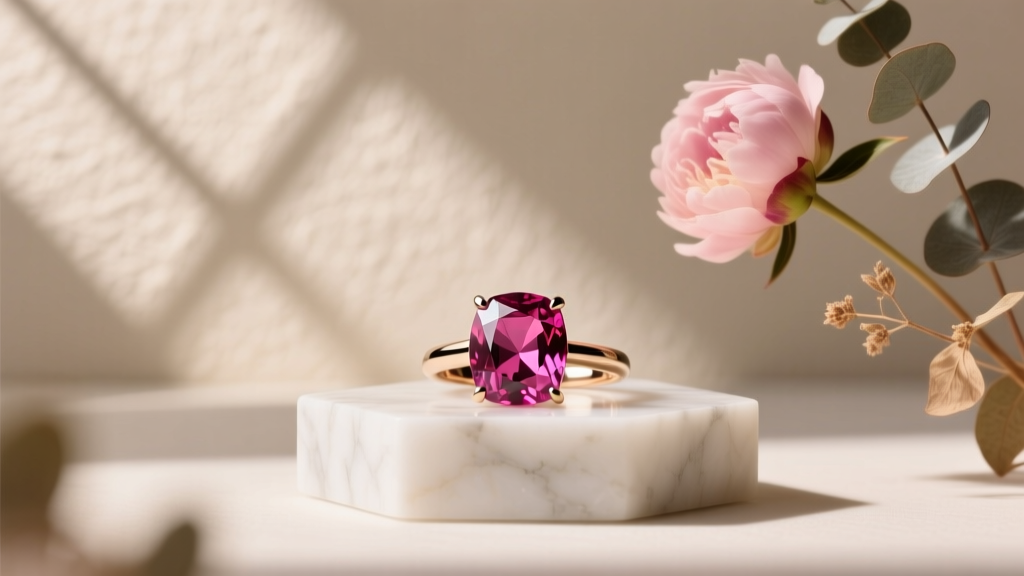
Rubellite and Pink Tourmaline Engagement Ring Options
Color is having a real moment in engagement rings. Couples still love the timeless look of diamonds, but many are choosing a center stone that feels personal—something with meaning, warmth, and a story you can see at a glance. That’s where tourmaline shines, especially in its romantic pink shades.
Rubellite and pink tourmaline offer a spectrum that ranges from soft blush to vivid raspberry. They’re also versatile: they look equally at home in sleek solitaire settings, vintage-inspired halos, or modern east-west designs. If you’re considering a tourmaline engagement ring, understanding the difference between “pink tourmaline” and “rubellite,” how quality is judged, and which settings protect the stone will help you choose confidently.
This guide breaks down the best rubellite and pink tourmaline engagement ring options, with practical advice on styling, metals, durability, and value—so your ring looks stunning now and wears beautifully for years.
Rubellite vs. Pink Tourmaline: What’s the Difference?
Both rubellite and pink tourmaline belong to the tourmaline family, a group prized for its range of colors. The distinction comes down to color intensity and how the stone behaves under different lighting.
Rubellite: The Vivid, Raspberry-Pink Tourmaline
- Color: Rubellite is typically a saturated hot pink to red-pink. Think raspberry, magenta, or watermelon-red.
- Lighting behavior: High-quality rubellite stays rich and lively in both daylight and indoor light. Lesser stones can look darker or browner under warm bulbs.
- Why it’s popular for engagement rings: That intense color reads “center stone” from across the room—especially in yellow gold or with diamond accents.
Pink Tourmaline: From Blush to Bubblegum
- Color: Pink tourmaline ranges from delicate pastel to medium pink. Many stones have a softer, more romantic feel than rubellite.
- Lighting behavior: Lighter stones tend to stay consistent, while some medium pinks can shift slightly depending on lighting.
- Why couples choose it: It pairs beautifully with modern minimal settings and gives a distinctive look without being overly bold.
When shopping, don’t get too hung up on the label. Focus on the stone’s actual color, brightness, and how it looks in the lighting you live in most.
Durability and Lifestyle: Is Tourmaline a Good Engagement Ring Stone?
Tourmaline measures about 7 to 7.5 on the Mohs hardness scale. That makes it wearable, but it’s not as forgiving as sapphire (9) or diamond (10). Tourmaline can chip if struck at the edges, especially in certain cuts and thin corners.
If you’re active with your hands—gym, climbing, gardening, frequent travel—tourmaline can still work, but the setting choice matters. Protective designs and sensible care are key.
Best Ring Styles and Settings for Rubellite and Pink Tourmaline
The right setting does two jobs: it showcases color and it guards the stone. These are the most engagement-ring-friendly options.
Protective Prong Settings (4-Prong, 6-Prong, and Double Prongs)
- Best for: Round, oval, cushion, and emerald-cut tourmaline.
- Why it works: Prongs let light in, boosting brightness and color.
- Pro tip: For ovals and cushions, consider double prongs or slightly heavier claw prongs—more security with a refined look.
Bezel and Semi-Bezel: Modern, Secure, and Trend-Forward
- Best for: Active lifestyles and everyday wear.
- Why it works: A bezel encircles the tourmaline’s edge, reducing chip risk and snagging.
- Trend watch: Sleek yellow-gold bezels with a pink stone are a top choice right now, especially with a thin band and low profile.
Halo and Diamond Accents: Maximum Sparkle, Strong Contrast
- Best for: Couples who want a classic engagement ring silhouette with color at the center.
- Why it works: Diamonds brighten the overall look and can make a slightly darker rubellite appear more vivid by contrast.
- Style note: A micro-pavé halo leans modern-glam, while a milgrain halo feels antique and romantic.
Three-Stone Rings: Meaningful and Balanced
- Best for: A timeless, “past-present-future” story with strong finger coverage.
- Recommended sides: Diamonds or white sapphires for sparkle; pink sapphires for a monochrome look; pear-shaped diamonds for a soft, elongated silhouette.
- Setting tip: Keep the tourmaline slightly lower than the side stones to protect it from impact.
East-West and Elongated Cuts: Contemporary and Flattering
Elongated stones (oval, emerald cut, marquise) make fingers look longer. An east-west setting (stone set horizontally) feels modern and pairs well with curved wedding bands.
Gemstone Quality Factors: How to Choose a Beautiful Tourmaline
Color: The Main Value Driver
- Rubellite: Look for vivid, saturated pink-red without looking inky or brown.
- Pink tourmaline: Seek bright, lively pink rather than washed-out grayish tones.
- Ask for photos/videos: Request images in daylight, indoor warm light, and indirect light to evaluate consistency.
Clarity: Eye-Clean Is the Goal
Tourmaline often has inclusions, but many stones can be eye-clean. A few tiny internal features are fine; avoid inclusions that look like cracks near corners or reach the surface.
Cut: Prevent “Windowing” and Dead Spots
A well-cut tourmaline should return light evenly. Poorly cut stones can show a “window” (a see-through area in the center) or look dark at the ends. Popular, engagement-friendly cuts include:
- Oval: Classic, flattering, and great for showing color.
- Cushion: Soft corners, romantic vibe, and safer than sharp-edged cuts.
- Emerald cut: Elegant and modern, but requires a precise cut and a protective setting.
- Round: Bright and symmetrical; often a bit pricier per carat due to cutting loss.
Carat Size: Tourmaline Looks Big for Its Weight
Tourmaline is less dense than some gems, so a 2.0 carat tourmaline can face up generously. Many couples find the sweet spot around 1.0–2.5 carats for a balanced engagement ring look.
Treatments: What to Expect
Some tourmaline may be heat-treated to improve color, which is common in the gemstone market. Ask the seller to disclose any treatments. For higher-value rubellite, transparency and documentation help protect your purchase.
Metal Choices: Which Looks Best with Pink Stones?
Yellow Gold: Warm, Vintage-Friendly, and On-Trend
Yellow gold amplifies pink and red undertones, making rubellite look richer. It’s a favorite for vintage-inspired settings, bezels, and delicate solitaires.
Rose Gold: Romantic, Soft, and Cohesive
Rose gold creates a monochromatic blush look—especially with light pink tourmaline. If your stone is very warm-toned, rose gold can be dreamy; if the stone is already deep red-pink, consider trying yellow or white metal for contrast.
White Gold or Platinum: Crisp Contrast and Diamond-Like Styling
White metals make pink pop with a cleaner, more contemporary finish. Platinum is heavier and highly durable for prongs, making it a smart choice for daily wear. White gold is typically more budget-friendly but may need periodic rhodium replating to keep a bright white look.
Price Range and Value Tips
Rubellite and pink tourmaline engagement rings can fit a wide range of budgets, depending on stone quality, size, and the amount of diamond work.
- Entry level (approx. $600–$1,500): Smaller center stones (often under 1.0 ct), simpler settings in 10K/14K gold, or lab-created accent stones. Great for minimal solitaires or petite halos.
- Mid range (approx. $1,500–$4,000): 1.0–2.5 ct natural tourmaline with good color, 14K/18K gold settings, diamond accents, and better craftsmanship.
- Higher end (approx. $4,000–$10,000+): Top-color rubellite with strong saturation, excellent cutting, custom settings, platinum, and higher-quality diamonds (or significant carat weight in side stones).
Value tips:
- Prioritize cut and brightness over carat size. A lively 1.5 ct stone can look more luxurious than a dull 2.5 ct.
- Choose a protective setting instead of paying extra for a slightly harder stone—repairs and chips cost more than smart design.
- Consider a diamond wedding band pairing early. Some engagement ring styles (low bezels, wide halos) need a contoured band, which affects total budget.
Buying Tips for Couples Shopping Online or In-Store
- See the stone in multiple lighting conditions: Ask for videos near a window and under indoor lighting.
- Confirm the return policy and warranty: Especially for prong checks and resizing.
- Ask about the setting height: Low-profile settings are more practical for daily wear.
- Request measurements (mm), not just carat weight: This helps you visualize how the stone will look on the finger.
- Match your wedding band plan: If you want a flush fit, choose a raised setting or plan for a curved wedding band.
Care and Maintenance: Keeping Tourmaline Beautiful
Tourmaline is durable enough for regular wear, but it benefits from gentle habits.
- Cleaning: Use warm water, mild dish soap, and a soft brush. Rinse well and pat dry with a lint-free cloth.
- Avoid ultrasonic and steam cleaners: They can stress inclusions or loosen settings, especially in pavé rings.
- Remove your ring for impact activities: Weightlifting, yard work, and cleaning with harsh chemicals.
- Annual checkups: Have a jeweler inspect prongs and tighten pavé stones once a year (or twice if you wear it daily).
- Storage: Keep your tourmaline ring in a soft pouch or separate box compartment to avoid scratches from diamond jewelry.
Common Mistakes to Avoid
- Choosing a stone that looks great only in showroom lighting: Some deep rubellites look darker at home. Always evaluate in realistic lighting.
- Picking sharp-corner cuts without protection: Pear, marquise, and princess-style shapes need V-prongs or bezels to protect tips.
- Going too high-profile: A tall setting snags and takes more impacts—one of the biggest causes of chipped colored stones.
- Ignoring band width and metal thickness: Ultra-thin bands can bend over time. For everyday wear, many jewelers recommend at least ~1.8–2.0 mm width depending on design.
- Not planning for a wedding band: Some halos and bezels create a gap unless you choose a curved band or a raised head.
FAQ: Rubellite and Pink Tourmaline Engagement Rings
Is rubellite the same as pink tourmaline?
Rubellite is a type of tourmaline with stronger, more saturated pink-to-red color. Pink tourmaline can be lighter or softer in tone. Many sellers use the terms differently, so judge by the actual color and how it performs in different lighting.
Will a pink tourmaline engagement ring hold up for daily wear?
Yes, with the right setting and care. Tourmaline is moderately hard (about 7–7.5 Mohs), so choose a protective bezel or sturdy prongs, keep the ring low-profile, and remove it for rough activities.
What metal looks best with a rubellite center stone?
Yellow gold brings out warmth and richness, white metals create crisp contrast, and rose gold gives a romantic monochrome look. The best choice depends on your stone’s exact tone and your everyday jewelry style.
Do rubellites and pink tourmalines have inclusions?
Often, yes. Many are still eye-clean. Avoid stones with inclusions that reach the surface or concentrate near corners, since those areas are more vulnerable to chipping.
Can I pair a tourmaline engagement ring with a diamond wedding band?
Absolutely. Diamond bands are a classic pairing and help frame the color. If your engagement ring sits low or has a wide halo, you may prefer a curved/contoured wedding band for a comfortable flush fit.
How can I tell if a tourmaline is well cut?
Look for even brightness across the face of the stone and minimal “windowing” (a see-through center). Video is especially helpful; rotate the stone and watch for dead areas that stay dark.
Next Steps: Choosing the Right Pink Stone for Your Forever Ring
If you want a bold, unforgettable center stone, rubellite’s saturated pink-red color is hard to beat. If your style leans soft and romantic—or you want an easy-to-wear pastel—pink tourmaline delivers a fresh twist on the classic engagement ring. Either way, focus on lively color, a quality cut, and a protective setting in a metal that complements your tone and lifestyle.
For more help comparing gemstones, settings, and wedding band pairings, explore additional jewelry guides on weddingsift.com and build a ring set that feels personal, practical, and timeless.
More Articles
 Wedding Band Metals Compared
 Jewelry Buyer Guide: What to Know First
 Best Really Expert: What True Mastery Looks Like in Contemporary Jewelry Craftsmanship
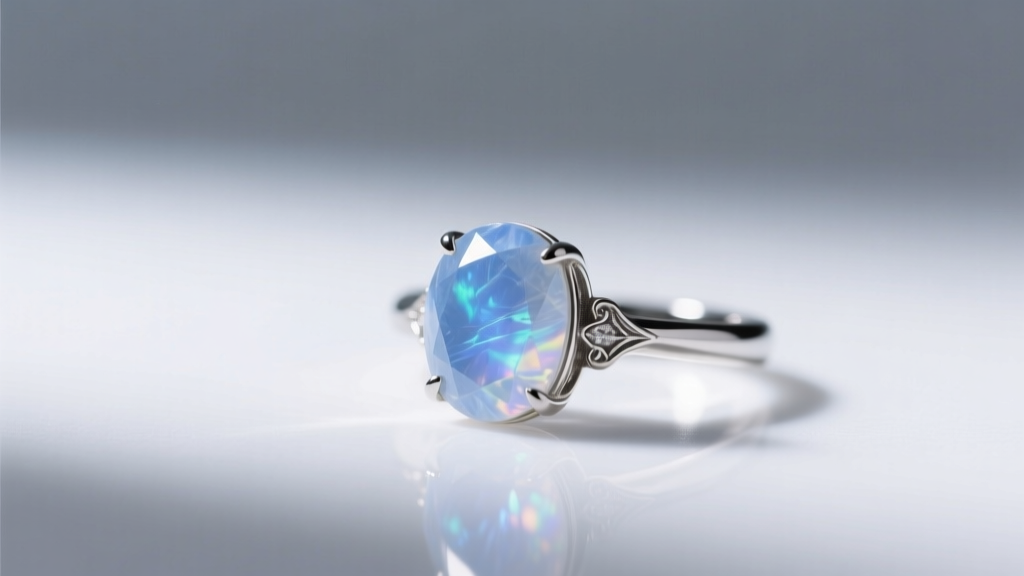 Moonstone Engagement Rings Mystical Blue Sheen
 How to Choose a Wedding Band With a Braided Design
 Black Onyx Wedding Bands Bold Statement
 Lab Diamond vs Moissanite: The 2026 Buyer's Complete Guide
 Chicago Wedding Ring Stores (2026) | Verified Jewelers
 Do Men Wear Engagement Rings Before Marriage?
 How to Repurpose a Wedding Ring (2026)