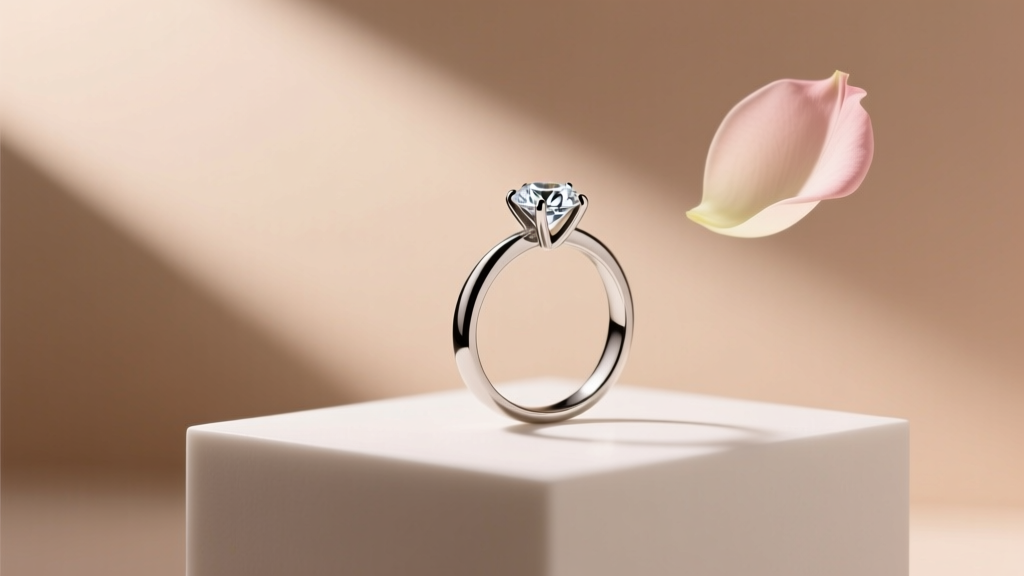
How to Choose an Engagement Ring With a Tension Setting
A tension-set engagement ring has a look that feels almost like magic: the center stone appears to “float” between two ends of metal, held in place by carefully engineered pressure. For couples who love clean lines, modern design, and a ring that stands apart from classic prong settings, tension settings can be a striking choice—especially when paired with a crisp diamond cut or a bold gemstone.
That said, tension settings are not a one-size-fits-all option. Because the stone is secured by the metal’s spring-like force, the quality of craftsmanship, the right metal alloy, and accurate stone measurements matter even more than they do in many traditional engagement ring settings. If you’re considering a tension ring, understanding how it’s built (and how to shop for it) will help you get the sleek look you want without compromising durability or long-term wear.
This guide walks you through how tension settings work, what metals and gemstones perform best, how to judge quality, what to expect on price, and how to avoid common shopping mistakes—so you can confidently choose an engagement ring you’ll love for decades.
What Is a Tension Setting (and How Does It Hold the Stone)?
A true tension setting uses calibrated pressure from the band to hold the gemstone securely without prongs or a bezel. The ring is engineered so the two ends of the shank press inward on the stone’s girdle (the widest part of the gem). This creates a firm grip while leaving much of the stone visible for maximum light and a modern, airy look.
True tension vs. “tension-style” settings
Not every ring marketed as a “tension ring” is a true tension setting. Many tension-style designs use hidden prongs, a small bezel lip, or an internal bridge for extra security. These can still look like a tension ring from the top, but they rely less on metal pressure alone.
- True tension setting: Stone is held primarily by pressure; requires precise engineering and strong metal alloys.
- Tension-style: Similar visual effect, but includes hidden supports; often easier to size and service.
Why Couples Choose Tension-Set Engagement Rings
Tension settings are a favorite among couples looking for a contemporary engagement ring that still feels timeless. They pair well with minimal wedding bands, mixed metal stacks, and sleek, architectural jewelry trends.
- Modern aesthetic: Clean, sculptural lines that feel current.
- Maximum light exposure: More of the gemstone is visible, enhancing sparkle in well-cut stones.
- Comfortable profile (often): Many tension rings sit smoothly without snag-prone prongs.
- Unique factor: Less common than solitaire prong or halo engagement rings, so it stands out.
Choosing the Best Metal for a Tension Setting
The metal is the “engine” of a tension-set ring. It must be strong, resilient, and crafted with the correct alloy. Soft metals or poorly made castings are risky because the setting depends on long-term tension.
Platinum: premium, durable, and naturally white
Platinum (often 950 platinum) is a top pick for tension settings thanks to its density and strength. It’s also hypoallergenic for many wearers and has a naturally white color that complements colorless diamonds and cool-toned gemstones.
- Best for: Daily wear, larger center stones, and buyers prioritizing longevity.
- Consider: Higher cost; develops a patina over time (many people love this soft sheen).
18K or 14K gold: workable, classic, and customizable
Gold can be an excellent choice if the alloy is appropriate for tension engineering. 14K gold is generally harder than 18K and may perform better for daily wear. 18K gold offers richer color but can be slightly softer depending on alloy composition.
- Yellow gold: A timeless classic; great contrast with white diamonds.
- White gold: Modern look; typically rhodium plated for a bright white finish.
- Rose gold: Trending and romantic; pairs beautifully with morganite, champagne diamonds, and warm-toned skin.
Metals to be cautious about
- Silver: Generally too soft for true tension settings.
- Ultra-light or budget alloys: If the jeweler can’t clearly explain the alloy and engineering, skip it.
- Titanium/tungsten: Very strong but challenging to resize or repair; only consider with a reputable specialist and clear policies.
Best Gemstones and Diamond Cuts for Tension Settings
Tension settings expose the gemstone’s edges more than many settings. That means durability and cut quality matter—especially around the girdle.
Top gemstone choices
- Diamonds: Best all-around for hardness (Mohs 10) and daily wear; ideal for a tension-set engagement ring.
- Sapphires: Excellent durability (Mohs 9) and available in blue, white, pink, and more.
- Rubies: Also Mohs 9; bold, timeless, and romantic.
Gemstones like emerald, opal, and tanzanite are more prone to chipping or abrasion in a tension setting due to lower hardness or cleavage. If you love one of these stones, consider a tension-style setting with added protection.
Diamond cuts that shine in tension settings
- Round brilliant: Timeless classic; strong sparkle and forgiving performance.
- Princess cut: Very popular in modern rings; corners can be vulnerable, so ensure proper protection and a well-finished girdle.
- Oval and cushion: Trend-forward yet classic; elegant silhouette with great brilliance.
- Emerald and asscher: Sleek, architectural step cuts that look stunning in minimal metal; prioritize clarity and cut precision.
Quality Factors That Matter More in Tension Settings
Precision craftsmanship and engineering
A tension-set ring should be made by a jeweler experienced with this setting type. Look for clear details about manufacturing: quality finishing, clean symmetry, and a well-balanced profile. Many high-quality tension rings are designed using CAD and finished by skilled bench jewelers to ensure exact tolerances.
Stone measurements and girdle condition
The gemstone must be measured precisely so it seats correctly. Ask whether the ring is made to the stone (often ideal) or the stone is fit into a pre-made mount. Also pay attention to:
- Girdle thickness: Extremely thin girdles can be vulnerable; overly thick girdles can reduce brilliance and create fit challenges.
- Chips or abrasions: Even tiny damage can worsen under pressure or during setting.
Certification and grading
For diamonds, prioritize a grading report from trusted labs like GIA or AGS. For sapphires and rubies, ask about treatment (heat is common; diffusion and fracture filling should be disclosed). A reputable jeweler will explain what’s normal and what affects value.
Pairing a Wedding Band With a Tension-Set Engagement Ring
Tension rings often have a wider shank or a distinctive gap where the stone sits, which can affect how a wedding band fits. Consider these options:
- Contoured or curved wedding band: Designed to nest against the engagement ring for a flush look.
- Matching band set: Many jewelers design a coordinated pair—popular for sleek, modern bridal sets.
- Spacer band: A thin band between rings can prevent metal-on-metal wear, especially with platinum.
Trend-wise, mixed-metal stacks (like a white metal engagement ring with a yellow gold band) are still popular, while the timeless approach is a matching metal bridal set with a clean, polished finish.
Practical Buying Tips for Tension Engagement Rings
- Buy from a specialist: Choose a jeweler who regularly makes or carries tension-set engagement rings, not just a one-off design.
- Ask if it’s true tension or tension-style: Get a straightforward explanation of how the stone is secured.
- Confirm resizing policies: Many true tension rings have limited resizing options. Make sure you understand what’s possible before purchase.
- Prioritize comfort and daily lifestyle: If you work with your hands, wear gloves often, or do high-impact activities, discuss protective design choices.
- Consider insurance: Insure the ring and keep documentation (appraisal, certification, and receipts).
Care and Maintenance: Keeping a Tension Ring Secure and Sparkling
Tension settings are designed for daily wear, but they benefit from consistent care.
- Professional checkups: Have the ring inspected every 6–12 months to confirm the stone remains secure and the band hasn’t distorted.
- Cleaning: Warm water, mild dish soap, and a soft brush work well for diamonds and sapphires. Avoid harsh chemicals and abrasive cleaners.
- Remove for heavy tasks: Take it off for weightlifting, yardwork, moving furniture, or anything that could bend the band.
- Store safely: Keep it in a ring box or separate pouch to avoid scratching other jewelry.
Price Range and Value Tips
Tension settings often cost more than basic prong settings because of the engineering and metal weight required. Pricing varies widely by center stone, metal, and brand.
- Setting only: Often starts around $1,500–$3,500 for quality gold designs; $2,500–$6,000+ for platinum or designer tension settings.
- Complete ring with diamond: Commonly $4,000–$12,000+, depending on diamond carat weight, cut, and color/clarity.
- Designer or custom builds: Can exceed $10,000–$20,000+, especially with larger stones or specialty metals.
Where to spend for the best value
- Diamond cut quality: A well-cut diamond will maximize sparkle in the open design of a tension setting.
- Metal quality and craftsmanship: This is not the place to cut corners—durability is tied to engineering.
- Practical stone choice: If budget is tight, choose a slightly smaller diamond with excellent cut rather than chasing carat size.
Common Mistakes to Avoid
- Assuming all “tension” rings are equal: Poorly made mounts can lose tension or fail to secure the stone properly.
- Picking a fragile gemstone: Softer gems or those with cleavage are more likely to chip at exposed edges.
- Ignoring resizing reality: If you’re unsure of ring size, clarify adjustment options or consider a tension-style design.
- Skipping certification: A certified diamond (GIA/AGS) protects your investment and makes comparisons easier.
- Overlooking wedding band fit: Test band pairing early so your bridal set looks intentional and feels comfortable.
FAQ: Tension-Set Engagement Rings
Are tension-set engagement rings secure?
Yes—when properly engineered and made with suitable metals, tension settings are secure for daily wear. The key is reputable craftsmanship and correct stone measurements. Regular inspections help ensure long-term security.
Can a tension-set ring be resized?
Sometimes, but resizing is often limited. True tension settings may only allow small adjustments, and some cannot be resized at all without compromising tension. Ask the jeweler for exact resizing ranges and policies in writing.
Do tension settings make diamonds sparkle more?
They can enhance the appearance of brilliance because more of the stone is exposed to light. Sparkle still depends most on diamond cut quality, proportions, and polish.
What diamond shape looks best in a tension setting?
Round brilliant is a timeless favorite, while princess, oval, cushion, and emerald cuts are also popular for a modern engagement ring look. If you choose a shape with corners (princess, marquise), make sure the design protects vulnerable points or consider a tension-style setting.
Is platinum better than white gold for tension settings?
Platinum is often preferred for true tension settings due to density and durability, but well-alloyed 14K or 18K gold can also work beautifully. The most important factor is a jeweler experienced in tension engineering.
Will a tension-set ring damage the stone?
A properly set diamond, sapphire, or ruby should not be damaged by a professional tension setting. Risk increases with fragile gemstones, pre-existing chips, or poor craftsmanship—another reason to buy from an experienced jeweler and inspect the stone’s girdle.
Next Steps: Choosing a Tension Ring You’ll Love for Life
A tension-set engagement ring is a confident choice for couples who want modern design with clean, minimalist lines—without sacrificing the meaning and permanence of a classic engagement ring. Focus on the fundamentals: a strong, appropriate metal (often platinum or well-alloyed gold), a durable gemstone (diamond, sapphire, or ruby), and expert craftsmanship with clear policies for resizing and maintenance.
If you’re comparing engagement ring settings, pairing a wedding band, or exploring diamond shapes and metal types, browse more jewelry guides on weddingsift.com to keep shopping informed and stress-free.
More Articles
 How to Choose a Ring That Matches Her Style
 Wedding Ring Tightening: 5 Safe Methods (2026)
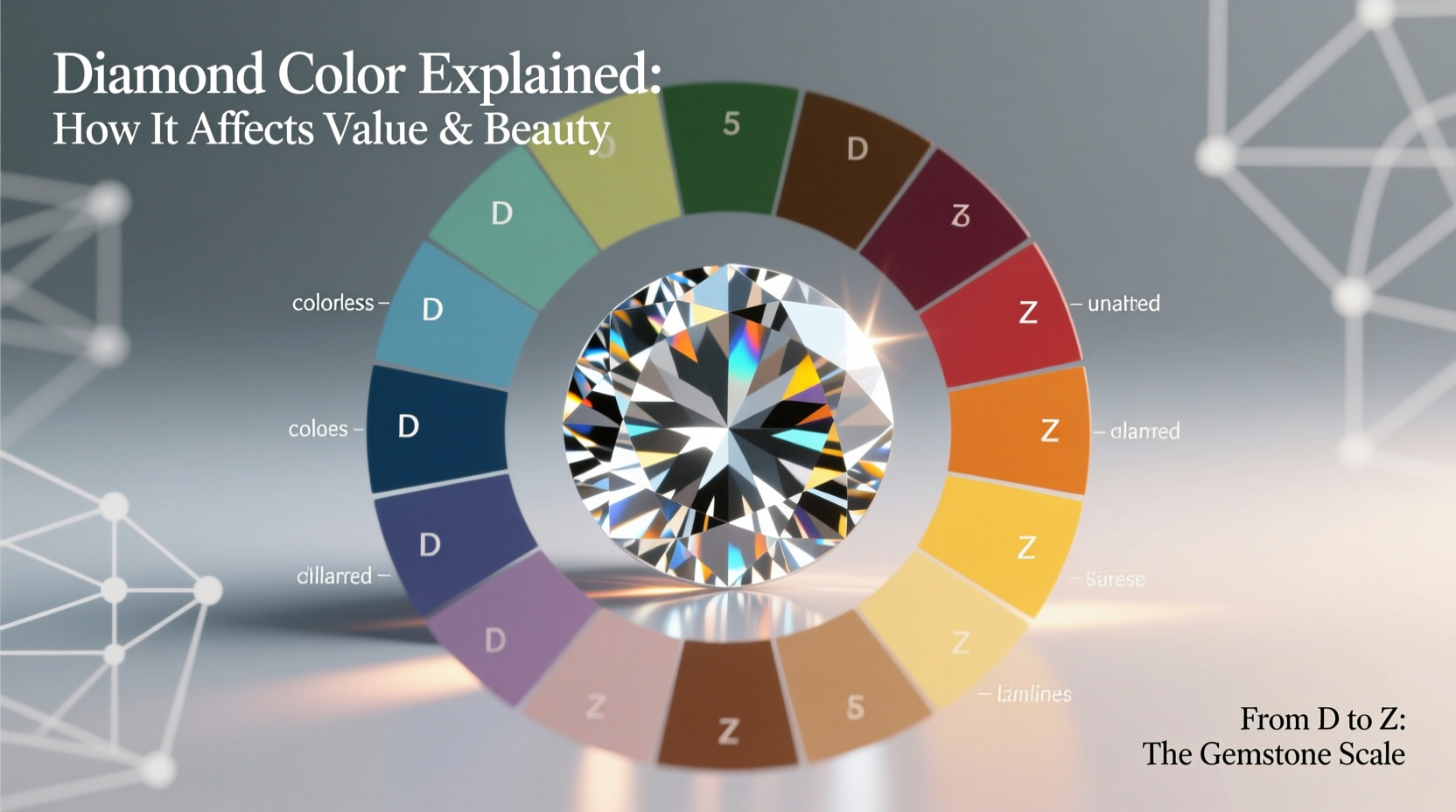 Diamond Color Grade: When It Really Matters
 How to Choose an Engagement Ring With Colored Accent Stones
 What Carat Size Should Your Engagement Ring Be
 DIY Wedding Centerpiece Flowers on Any Budget
 How Much Is an Old Wedding Ring Worth? (2026)
 40th Anniversary Ruby Jewelry Gift Guide
 How Wide Should a Woman's Wedding Band Be? (2026)
 Jewish Wedding Ring Traditions Explained