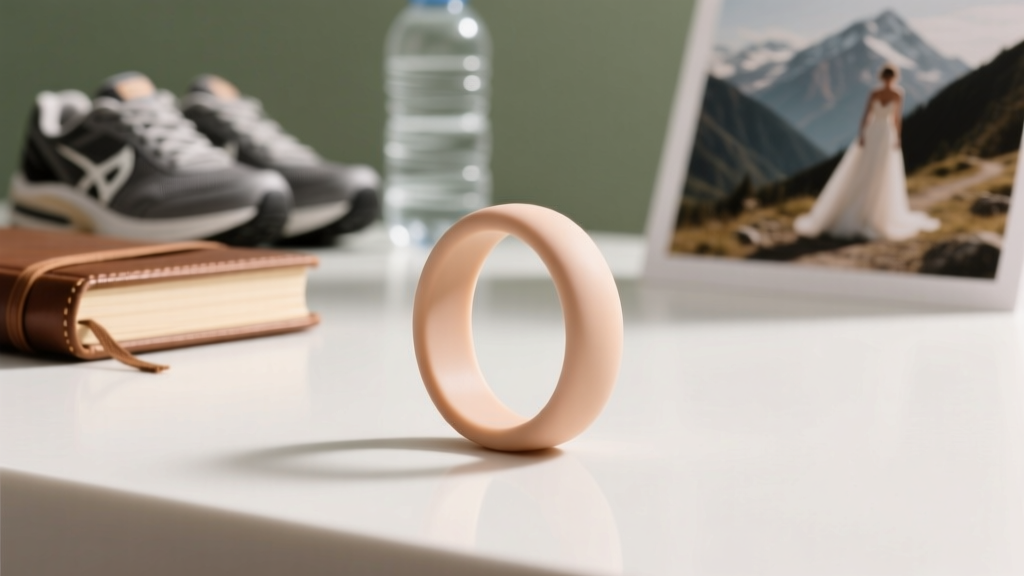
How to Choose a Silicone Wedding Band for Active Days
A wedding band is meant to be worn, not kept in a box. For many couples, daily life includes gym sessions, hands-on jobs, outdoor adventures, travel, parenting, and everything in between. That’s where a silicone wedding band shines: it’s lightweight, flexible, and designed to handle the moments when a traditional metal ring feels risky or uncomfortable.
Silicone bands have become a modern classic in the world of wedding rings. They’re popular with athletes, healthcare workers, mechanics, climbers, and anyone who wants a safe, low-maintenance option for active days. The best part: choosing the right silicone band doesn’t mean giving up style. With today’s textures, color options, and even subtle inlays, you can find a band that complements your engagement ring and your personal taste.
This guide breaks down how silicone wedding bands are made, what quality looks like, how to pick the right fit and style, and how to avoid the most common mistakes—so you can wear your ring with confidence, wherever the day takes you.
Why Silicone Wedding Bands Are Trending (and Why They’re Timeless Too)
Silicone wedding bands sit at the intersection of a major jewelry trend—practical, lifestyle-driven jewelry—and timeless commitment. Couples today often choose a traditional metal wedding band for formal wear and a silicone ring for workouts, travel, and work. This “two-ring approach” has become one of the most common modern wedding band strategies.
Silicone also fits into the broader shift toward comfort-forward jewelry: low-profile settings, comfort-fit interiors, and durable materials like tungsten and titanium are still popular, but silicone offers something metals cannot—flexibility and breakaway safety.
Silicone Band Materials: What “Good Silicone” Really Means
Medical-Grade Silicone vs. Standard Silicone
When shopping for a silicone wedding ring, “medical-grade silicone” is the quality benchmark most shoppers should look for. Medical-grade silicone is typically:
- Non-porous (helps reduce odor buildup and bacteria retention)
- Hypoallergenic (ideal for sensitive skin)
- More consistent in texture and durability than lower-grade blends
Standard silicone bands can still be fine, but they’re more likely to stretch out quickly, feel tacky, or degrade faster when exposed to sweat, sunscreen, lotions, or chemicals.
What to Look for in Craftsmanship
Silicone rings don’t use gemstone cuts or prong settings like diamond wedding bands, but craftsmanship still matters. Check for:
- Clean seam lines (or seamless molding): rough edges can irritate skin
- Consistent thickness around the band
- Even coloring with no blotchy patches
- Durable finish (matte, satin, or polished look should feel intentional, not sticky)
Some premium silicone bands use layered construction or molded interior channels (often called “airflow grooves”) to reduce sweat buildup—small details that make a noticeable difference during active days.
Choosing the Right Fit: Comfort, Safety, and Sizing Tips
Comfort-Fit vs. Standard Fit
Many of the best silicone wedding bands are shaped with a comfort-fit interior, meaning the inside is slightly rounded rather than flat. This reduces pressure points and makes the ring easier to remove after workouts or on hot days when fingers swell.
How a Silicone Ring Should Fit
A silicone wedding ring should feel snug enough not to spin constantly, but not so tight that it leaves a deep imprint. Keep in mind:
- Heat and exercise cause swelling—a ring that fits perfectly in the morning might feel tight during a run.
- Cold weather shrinks fingers—too-loose rings are easy to lose.
If you’re between sizes, many couples prefer sizing slightly up for active wear. If you plan to wear your silicone band mainly for workouts, prioritize comfort during swelling.
Breakaway Safety (Why It Matters)
One reason silicone bands are so popular is safety. Silicone is designed to stretch and, under enough force, break—helping reduce the risk of ring avulsion injuries that can happen when a metal ring catches on equipment. If you work with heavy machinery, lift weights, climb, or do manual labor, this feature is a major value point.
Style Options: From Minimalist Classics to Modern Texture
Silicone bands come in more variety than most shoppers expect. Matching your style to your engagement ring and overall wedding jewelry look can make the ring feel more “wedding” and less like a simple gym band.
Width and Profile
- 4–6mm: classic, slim-to-standard look; popular for minimalist tastes and smaller hands
- 7–10mm: bold, modern look; common for statement styles and larger hands
Low-profile silicone rings sit closer to the finger and are less likely to catch on gloves or gear—an ideal “active days” choice.
Finish and Texture Trends
Current trends include:
- Matte finishes for a modern, understated look
- Grooved or stepped edges inspired by machined metal bands (tungsten-style aesthetics)
- Geometric patterns for contemporary couples
- Neutral tones (black, graphite, sand, slate) that pair well with platinum, white gold, and yellow gold engagement rings
Timeless classics still lead the pack: a solid matte black or charcoal silicone wedding band remains the “little black dress” of active rings—simple, wearable, and always in style.
Inlays and Accent Details (A Nod to Fine Jewelry)
Some silicone bands feature subtle inlays or color accents that mimic fine-jewelry elements. While they don’t use traditional gemstone settings like pavé diamonds or channel-set stones, the design concept is similar: a clean line of contrast that adds visual interest without snag risk.
If you love the brilliance of a diamond wedding band, consider a silicone band with a sleek stripe or metallic-tone accent for a refined look that complements your engagement ring’s sparkle.
Silicone vs. Metal Wedding Bands: When Each Makes Sense
Many couples shop for silicone bands alongside traditional metals. Here’s how they compare in real life:
Silicone Bands
- Best for: workouts, travel, manual labor, swimming, hiking
- Pros: lightweight, flexible, affordable, breakaway safety, comfortable
- Cons: can stretch over time, may tear, less formal appearance
Metal Bands (Gold, Platinum, Titanium, Tungsten)
- Best for: daily wear if your lifestyle is low-impact, formal occasions, heirloom value
- Pros: classic look, long lifespan, can be resized (gold/platinum), pairs beautifully with gemstone engagement rings
- Cons: can scratch/dent, can feel heavy, safety risks in certain environments
For couples with diamond engagement rings—especially popular cuts like round brilliant, oval, emerald, and cushion—a metal band often remains the dressier, forever piece. Silicone is the smart companion band that protects your hands and your investment when life gets active.
Price Range and Value Tips
Silicone wedding bands are generally budget-friendly, but quality and design details can affect value.
- Budget ($10–$25): basic silicone bands, fewer finish options; great for backups or occasional wear
- Mid-range ($25–$45): better molding, comfort-fit interiors, more durable finishes, modern textures
- Premium ($45–$80+): specialty designs, layered looks, enhanced breathability channels, higher consistency in fit and finish
Value tip: Consider buying a set of two—one for daily active wear and one as a backup. Silicone bands are small and easy to misplace, and having a spare keeps you from rushing into a last-minute replacement that doesn’t fit well.
Practical Buying Tips for Active Couples
Match Your Lifestyle First
- Gym and lifting: choose a lower-profile band with a smooth edge
- Outdoor and water sports: prioritize snug fit and darker colors that hide scuffs
- Healthcare and hygiene-focused jobs: choose medical-grade silicone and a simple design for easy cleaning
- Hands-on trades: prioritize breakaway safety and a slightly thicker band for durability
Coordinate with Your Engagement Ring and Wedding Set
If your engagement ring is set in yellow gold, a warm-toned silicone band (sand, tan, bronze accents) can coordinate nicely. For platinum or white gold settings, graphite, slate, and black look sleek and modern. Couples who love timeless wedding jewelry often stick with neutral silicone shades that won’t clash with any metal.
Consider Skin Sensitivity
If you’ve had irritation with certain metals (like nickel in some white gold alloys), silicone can be a comfortable alternative. Still, remove the ring occasionally to let skin breathe and to wash away trapped moisture.
Care and Maintenance: Keeping a Silicone Ring Fresh
Silicone bands are low-maintenance, but not no-maintenance. Simple habits keep them looking and smelling clean:
- Daily rinse: especially after workouts, sunscreen, or yardwork
- Weekly wash: mild soap + warm water; scrub gently with a soft brush if needed
- Dry fully: trapped moisture can cause irritation
- Avoid harsh chemicals: solvents and strong cleaners can degrade silicone over time
If your ring develops a persistent odor, soak it briefly in warm soapy water, rinse thoroughly, and let it air-dry completely. Replace the band if it becomes overly stretched, develops cracks, or feels sticky—those are signs the material is breaking down.
Common Mistakes to Avoid When Shopping
- Buying the wrong size for active wear: remember swelling during exercise and heat
- Assuming all silicone is the same: low-grade silicone can irritate skin and wear out faster
- Choosing bulky designs for glove-heavy work: thicker isn’t always better if it catches or feels uncomfortable
- Never taking it off: even silicone bands should be removed periodically to clean and dry your skin
- Expecting “forever ring” longevity: silicone is durable, but it’s not meant to last like platinum or gold—plan to replace it occasionally
FAQ: Silicone Wedding Bands for Active Days
Are silicone wedding bands safe for working out?
Yes. Silicone bands are popular for workouts because they’re lightweight, flexible, and designed to break under extreme force rather than injure your finger the way a rigid metal band can.
Can I wear a silicone ring in the shower or pool?
You can, but it’s smart to rinse and dry it afterward. Soap residue and moisture trapped under the band can lead to odor or skin irritation over time.
Do silicone wedding bands stretch out?
They can. Stretching depends on silicone quality, thickness, and how often the ring is pulled or caught. Medical-grade silicone and well-molded bands tend to hold their shape longer.
How do I match a silicone band to my engagement ring?
Match by color tone and overall style. Neutral shades like black, slate, and graphite pair well with platinum, white gold, yellow gold, and rose gold. If your engagement ring features a classic round brilliant diamond or an elegant emerald-cut stone, a minimal matte silicone band keeps the look clean and complementary.
Should I replace my silicone wedding band regularly?
Replace it when you see cracking, tearing, significant stretching, or a change in texture (like tackiness). Many active couples replace silicone bands periodically and keep their metal wedding band for dress wear and special occasions.
Next Steps: Choose a Band You’ll Actually Wear
The best silicone wedding band is the one that fits your real life: comfortable during movement, safe for your hands, and styled in a way that still feels like “you.” Many couples find the sweet spot by owning both a traditional metal wedding band—gold or platinum for timeless beauty and heirloom potential—and a silicone band for active days when comfort and safety matter most.
If you’re building your complete wedding ring set, explore more jewelry guides on weddingsift.com to compare wedding band metals, engagement ring styles, diamond cuts, and the details that make your rings feel personal for a lifetime.
More Articles
 How to Choose an Engagement Ring for Short Fingers
 Wedding Band Etiquette Rules (2026)
 10K Wedding Ring Lifespan: Durability & Replacement Truth
 Best Metal Colors for Wedding Jewelry
 Wedding Ring Care: 7 Non-Negotiable Habits (2026)
 How to Choose an Engagement Ring With an East-West Setting
 Paraiba Tourmaline Electric Blue Neon
 Do Wedding Rings Get Scratched? (2026)
 How to Resize a Wedding Ring Without Damaging It
 Stack Engagement & Wedding Bands: 7 Pro Rules (2026)