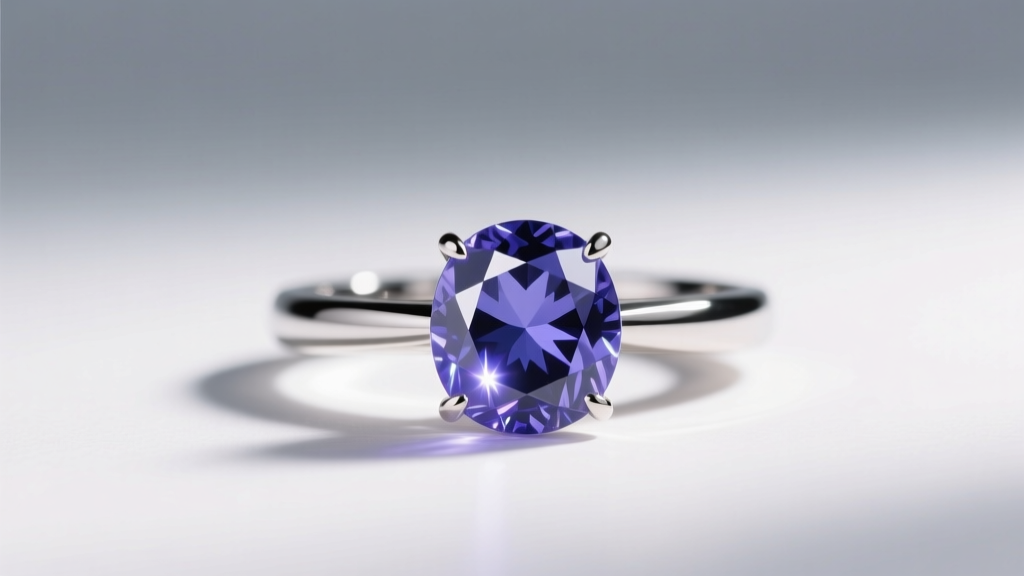
Tanzanite Engagement Rings Rare Blue-Violet Gemstone
If you’re drawn to engagement rings that feel personal rather than predictable, tanzanite is one of the most compelling choices on today’s bridal jewelry market. Its signature blue-violet color can look royal in daylight, moodier under warm indoor lighting, and unmistakably different from the classic sapphire or diamond route. For couples choosing rings that reflect style and story, tanzanite offers both—along with a rarity that few gemstones can match.
Tanzanite engagement rings also speak to modern tastes. Colored gemstone engagement rings are trending, especially for couples who want a center stone with personality, a meaningful hue, or a non-traditional look. At the same time, tanzanite pairs beautifully with timeless ring designs—solitaires, halos, and three-stone settings—so you don’t have to sacrifice classic elegance to wear something unique.
Before you buy, it helps to understand what makes tanzanite special, what impacts quality and price, and how to choose a setting that protects this softer gemstone for everyday wear.
What Makes Tanzanite So Rare?
Tanzanite is the blue-to-violet variety of the mineral zoisite, discovered in the late 1960s near Mount Kilimanjaro. What sets it apart is not just its color—it’s the fact that gem-quality tanzanite is mined in essentially one place on Earth: a small region in Tanzania. That limited geographic source is why tanzanite is widely considered one of the rarest engagement ring gemstones available in commercial jewelry.
Another defining trait is pleochroism: tanzanite can show different colors from different angles, commonly blue, violet, and sometimes burgundy or grayish tones. Skillful cutting can emphasize the most desirable face-up color, giving the stone that vibrant blue-violet “glow” many couples fall in love with.
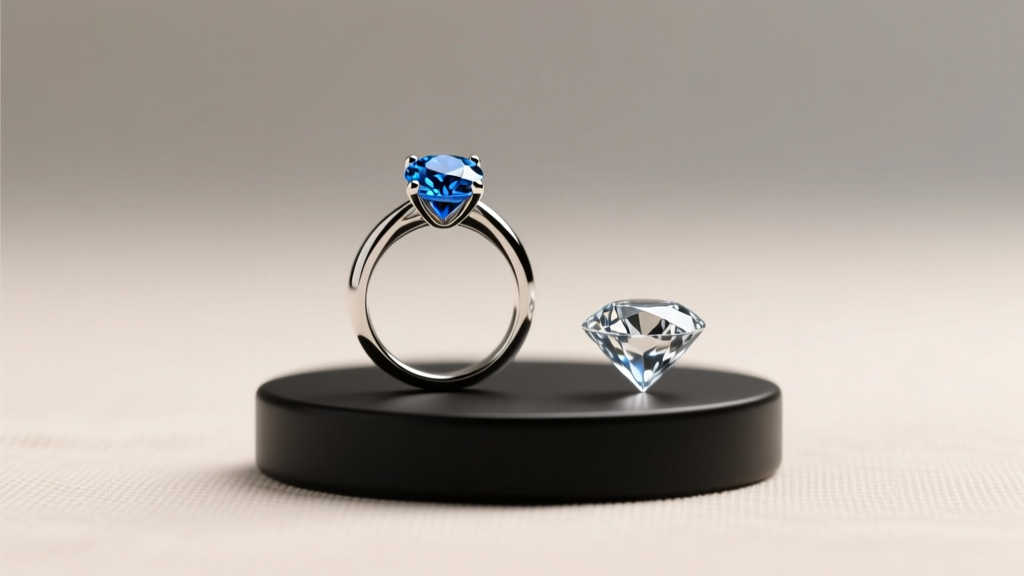
Tanzanite vs. Sapphire vs. Blue Diamond: Choosing the Right Blue
Tanzanite vs. Sapphire
- Color: Tanzanite leans blue-violet; sapphire is usually a more straightforward blue.
- Durability: Sapphire ranks 9 on the Mohs scale, making it excellent for daily wear. Tanzanite is around 6–6.5, which means it requires more care and protective settings.
- Look and vibe: Tanzanite often feels more modern and fashion-forward; sapphire reads traditional and timeless.
Tanzanite vs. Blue Diamond
- Price: Natural blue diamonds can be extremely expensive. Tanzanite offers a vivid colored-stone look at a more approachable price point.
- Durability: Diamond is the toughest choice for daily wear; tanzanite is more delicate.
- Statement factor: Blue diamonds are rare and iconic; tanzanite is rare in origin and instantly recognizable in a different way.
Quality Factors: How to Choose a Beautiful Tanzanite
Color: The Biggest Value Driver
In tanzanite, color is king. The most prized stones show a strong, saturated blue-violet—often described as “velvety” or “electric” depending on lighting. As with many gemstones, richer saturation usually raises the price. Avoid stones that look overly gray, brownish, or washed-out, especially in the size range you’re considering.
Cut: Make Tanzanite Glow
Tanzanite should be cut to balance brilliance and color. Popular engagement ring cuts include:
- Oval: Elongates the finger, maximizes perceived size, and often shows great color.
- Cushion: Soft, romantic shape that complements vintage-inspired settings and halos.
- Round: Classic sparkle, though fine round tanzanite can be harder to source.
- Emerald cut: Elegant and modern, showcasing color and clarity with clean step facets.
- Pear: Distinctive and flattering, especially in halo or three-stone engagement rings.
Because of pleochroism, orientation matters. A well-cut tanzanite should face up with the best blue-violet tone rather than a duller direction.
Clarity: What to Expect
Tanzanite is often relatively clean to the naked eye, but inclusions can occur. Aim for eye-clean clarity, especially for center stones. Minor inclusions may be acceptable if the color is exceptional, but avoid stones with visible fractures or cloudy areas that reduce brilliance.
Carat Size: Bigger Can Look Bolder
Tanzanite’s color can deepen as carat size increases, so many couples prefer 1.0–3.0 carats for engagement rings. That said, a smaller stone with strong saturation often looks more luxurious than a larger, pale tanzanite.
Treatment Disclosure
Most tanzanite is heat-treated to bring out its signature blue-violet color. This is standard and accepted in the jewelry industry. Always buy from a jeweler who discloses treatments and provides documentation.
Best Metals and Settings for Tanzanite Engagement Rings
Choosing a Metal: White Gold, Yellow Gold, Rose Gold, or Platinum
- Platinum: Durable and naturally white. Excellent for prongs and long-term wear, though typically higher in price.
- 14K or 18K white gold: Popular for engagement rings; it enhances tanzanite’s cool tones. Consider periodic rhodium replating for bright whiteness.
- Yellow gold: Creates a striking contrast and warms the overall look—beautiful for vintage or classic styles.
- Rose gold: Trend-forward and romantic; it can pull out the violet undertones for a distinctive blush-and-blue palette.
Protective Settings: A Must for Everyday Wear
Because tanzanite is softer than diamond and sapphire, the setting matters as much as the stone. Strong options include:
- Halo settings: A diamond halo adds sparkle and helps protect the edges of the center stone.
- Bezel or semi-bezel: Wraps the stone in metal for maximum security—ideal for active lifestyles.
- Low-profile solitaires: Timeless and practical, especially with sturdy prongs.
- Three-stone rings: Classic symbolism with added sparkle; consider side diamonds to frame the center color.
If you love a delicate look, ask for heavier prongs or a gallery rail to reduce snagging and increase stability without changing the overall style.
Current Trends and Timeless Classics
Couples today are balancing trend and longevity—wanting a ring that feels current but won’t look dated in ten years. With tanzanite, popular directions include:
- Oval tanzanite with a diamond halo (modern glamour, big sparkle)
- East-west settings (a fresh, contemporary twist on oval or emerald cuts)
- Vintage-inspired halos with milgrain edges and engraved bands
- Minimalist solitaires with a refined band and low-set center stone
- Mixed metals (white prongs with a yellow or rose gold band)
For a timeless approach, a classic cushion or oval tanzanite in a protective setting—paired with a simple wedding band—remains a reliable favorite.
Price Range and Value Tips
Tanzanite engagement rings can fit a wide range of budgets. Pricing depends heavily on color saturation, size, cut quality, and the ring’s metal and diamond accents.
- Entry-level: Smaller or lighter-color tanzanite in 10K/14K gold with minimal accents.
- Mid-range: 1–2 carat tanzanite with strong color in 14K/18K gold, often with a diamond halo or side stones.
- Higher-end: Larger, richly saturated tanzanite (2+ carats) in platinum or premium craftsmanship settings with high-quality diamonds.
Value tips:
- Prioritize color over size. A vivid 1.2 carat stone often looks more luxurious than a pale 2.0 carat.
- Consider an oval or cushion cut. These shapes can look larger for the carat weight.
- Choose 14K gold for durability and budget balance. Platinum is excellent, but 14K offers strong wear resistance for many couples.
- Invest in the setting. With tanzanite, a protective design is part of the gemstone’s “insurance policy.”
Care and Maintenance: Keeping Tanzanite Brilliant
Tanzanite needs a gentler routine than diamonds or sapphires.
- Cleaning: Use warm water, mild soap, and a soft brush. Rinse well and pat dry with a lint-free cloth.
- Avoid: Ultrasonic cleaners, steam cleaning, harsh chemicals, and abrasive cleaners—these can damage the stone or loosen settings.
- Storage: Store separately from harder jewelry (like diamond engagement rings) to prevent scratches.
- Wear habits: Remove your ring for workouts, gardening, heavy lifting, cleaning, and any activity with impact risk.
- Checkups: Have prongs and settings inspected by a jeweler at least once a year, especially for halo or pavé designs.
Common Mistakes to Avoid When Shopping
- Choosing a high-set ring without protection: Tall prongs can expose the stone to knocks. Ask for a lower profile or bezel/semi-bezel.
- Buying based on photos alone: Tanzanite can shift color under different lighting. Request videos in daylight and warm indoor light, or view in person.
- Overlooking treatment and certification: Heat treatment is normal, but it should be disclosed. For major purchases, look for reputable documentation.
- Ignoring lifestyle fit: If you work with your hands or live an active lifestyle, prioritize durable settings and consider a protective wedding band pairing.
- Skipping craftsmanship details: Thin shanks, weak prongs, and poorly set pavé stones can cause long-term problems—especially with a softer center gem.
FAQ: Tanzanite Engagement Rings
Is tanzanite durable enough for an engagement ring?
Yes, with the right setting and care. Tanzanite is softer than sapphire and diamond, so choose protective settings (halo, bezel, low-profile prongs) and remove it during high-impact activities.
What metal looks best with a tanzanite engagement ring?
White gold and platinum emphasize tanzanite’s cool blue tones, while yellow and rose gold create a warmer, high-contrast look. The “best” choice depends on your style, skin tone preferences, and whether you want modern or vintage vibes.
Do tanzanite stones change color?
Tanzanite can appear more blue or more violet depending on lighting and angle (pleochroism). This is a natural characteristic and part of its charm, not a flaw.
Are tanzanite engagement rings more affordable than sapphire?
Often they can be, especially compared with top-grade sapphires. However, richly saturated, larger tanzanite can still command premium pricing. Color quality and size drive value.
What wedding band pairs well with a tanzanite engagement ring?
Classic diamond pavé bands, plain metal bands, and contour bands (shaped to sit flush) are popular. If your engagement ring has a halo or low profile, a contoured wedding band can create a seamless, comfortable fit.
Should I choose a halo for a tanzanite center stone?
A halo is both beautiful and practical. It boosts sparkle, makes the center stone look larger, and adds a protective frame around the edges—ideal for tanzanite’s wearability.
A Confident Next Step for Couples Considering Tanzanite
If you want a colored gemstone engagement ring that feels distinctive, romantic, and genuinely rare, tanzanite is an excellent choice—especially when you select strong blue-violet color, a well-proportioned cut, and a setting designed to protect the stone. Pair it with a durable metal like 14K gold or platinum, commit to gentle care, and you’ll have a ring that stands out for all the right reasons.
Explore more engagement ring and wedding band guides on weddingsift.com to compare gemstones, settings, and metal types so you can choose a ring set that fits your love story and your everyday life.
More Articles
 Line Hoop for Wedding Dress: Ultimate Guide (2026)
 Wedding Ring Size: Accurate At-Home Method (2026)
 How to Choose a Wedding Band With Comfort Fit Design
 How To Get Off A Wedding Ring That Is Stuck
 Wedding Band Matching Rules: What You Really Need to Know
 How to Choose a Wedding Band With a D-Shaped Profile
 Clean Wedding Band at Home: 5 Safe, Pro Methods (2026)
 Jewelry Sustainability Evolution: Real Change Tracked
 Party vs. Venues: How Jewelry Design and Metalwork Respond to Event Context
 Blue Diamond Natural and Treated Options