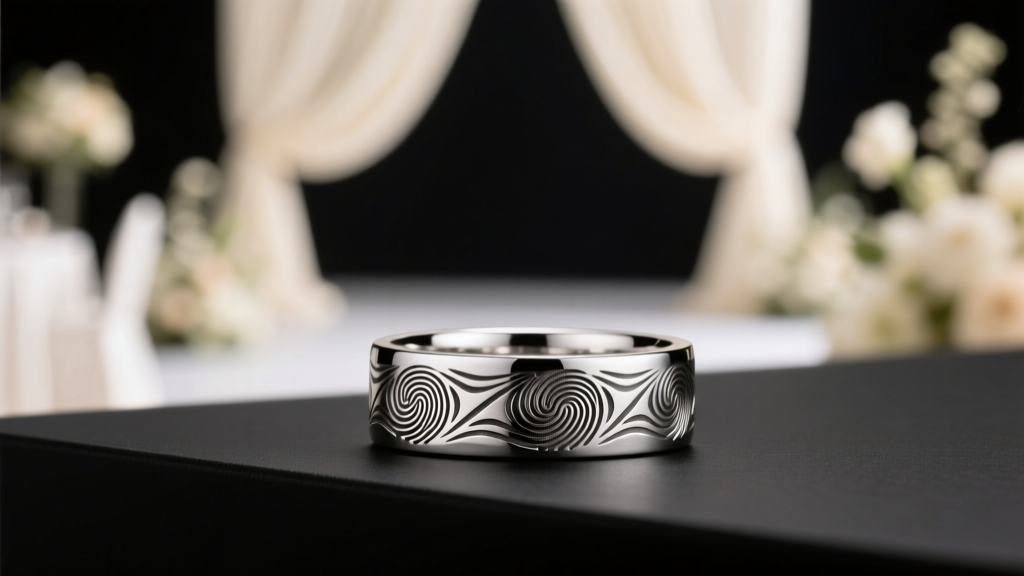
Damascus Steel Wedding Bands Unique Patterns
When couples start shopping for wedding bands, most expect to choose between classic metals like gold, platinum, or tungsten. Then they see a Damascus steel wedding band—those rippling, woodgrain-like lines that look different from every angle—and suddenly the band feels less like a basic circle and more like a personal statement.
Damascus steel wedding bands stand out because the pattern isn’t stamped on or painted. It’s created by layering and forging different steels together, then revealing the layers through careful grinding and etching. The result is a one-of-a-kind band that feels meaningful, handcrafted, and a little adventurous—perfect for couples who want timeless symbolism with a modern edge.
This guide breaks down how Damascus steel rings are made, what “good quality” actually means, which styles wear best over time, and how to shop confidently for a wedding band you’ll love for decades.
What Makes Damascus Steel Wedding Bands So Unique?
The signature pattern: how it’s created
Traditional Damascus steel patterns come from forge-welding layers of steel (often two different alloys) and repeatedly folding, twisting, or manipulating the billet. When the metal is later shaped into a ring and etched, the different alloys react at different rates—revealing high-contrast swirls, waves, and ladder-like lines.
Each maker’s process—and even small differences in how the billet is forged—creates variation. That’s why two “identical” Damascus wedding bands still won’t match perfectly. For many couples, that uniqueness is the appeal: it feels like a fingerprint.
Popular Damascus pattern styles you’ll see
- Raindrop (or “pool”) Damascus: circular “droplets” scattered through the band; bold, high-contrast look.
- Twist Damascus: spiraling lines that wrap around the ring; dynamic and modern.
- Ladder pattern: linear, architectural patterning; pairs well with clean, minimalist aesthetics.
- Woodgrain / wave: softer flowing lines; a favorite for couples who like organic, nature-inspired design.
Damascus Steel Materials: What You’re Really Buying
Common steel combinations
“Damascus steel” is a technique, not a single metal. Most modern Damascus wedding bands use combinations designed for strength, corrosion resistance, and contrast. A few you’ll encounter:
- Stainless Damascus (often 304/316 combinations): better corrosion resistance than high-carbon mixes; great for daily wear.
- High-carbon Damascus: striking contrast, but can be more prone to rust if not treated and cared for properly.
- Nicholson-style or tool-steel mixes: can create dramatic patterns, but the wearer should be committed to maintenance.
Damascus steel vs. “Damasteel”
You may see Damasteel, a premium Swedish stainless Damascus designed specifically for corrosion resistance and consistency. It tends to cost more than generic Damascus blends, but it’s often a smart upgrade for a wedding band that will be worn every day—especially for people who sweat heavily, work outdoors, or live in humid climates.
Is Damascus steel hypoallergenic?
Some Damascus blends contain nickel (common in many stainless steels). If you have a known nickel allergy, ask the retailer for the exact alloy composition. For sensitive skin, consider:
- Damasteel or nickel-safe stainless options
- A Damascus band with a titanium inner sleeve (the skin touches titanium, while the outer layer shows Damascus pattern)
- Alternative metals like platinum or 18K gold if sensitivity is severe
Styles and Design Options: From Minimalist to Statement
Band profiles and comfort fit
Most couples focus on pattern first, but the ring’s shape affects comfort more than you’d expect:
- Comfort fit: rounded interior that slides on easier and feels smoother for long wear. Highly recommended for Damascus steel wedding bands.
- Flat profile: modern, clean look; shows patterns clearly, especially ladder or twist.
- Dome profile: classic silhouette; softens the pattern’s appearance for a more timeless feel.
Mixed-metal looks (a major current trend)
One of the strongest wedding ring trends right now is mixed metals—and Damascus pairs beautifully with warm tones. Popular combinations include:
- Damascus + rose gold inlay: romantic and modern; great for couples who want warmth without a full gold band.
- Damascus + yellow gold edge: classic contrast; pairs well with vintage-inspired engagement rings.
- Damascus + titanium interior: sleek, lightweight, and practical for sensitive skin.
Gemstone accents: diamonds and alternatives
Damascus wedding bands can include gemstones, but the best designs keep the setting secure and the stones protected.
- Flush (gypsy) set diamond: the most durable option for active lifestyles; the stone sits level with the surface.
- Channel-set diamonds: adds sparkle in a protective groove; ideal for anniversary-style bands.
- Black diamonds: a popular, modern pairing with Damascus patterns and darker etching tones.
- Moissanite: bright and durable; a great value alternative to diamonds.
For a single-stone accent, look for a round brilliant cut (classic sparkle) or a princess cut (crisp, modern geometry). If you want a subtler shimmer, a small 0.03–0.10 ct flush-set stone can feel elegant without overpowering the pattern.
Quality Factors: How to Tell a Great Damascus Wedding Band
Pattern clarity and contrast
A high-quality Damascus steel ring shows crisp lines with intentional contrast. If the pattern looks muddy, overly faint, or inconsistent, it can be a sign of shallow etching, poor finishing, or a less stable steel combination.
Craftsmanship at the seams and edges
Pay attention to:
- Edges: slightly rounded edges feel smoother and chip less; sharp edges can feel uncomfortable and show wear faster.
- Fit and symmetry: patterns should flow naturally around the band without awkward “dead zones.”
- Inlays: gold or meteorite inlays should sit flush with no gaps.
Protective finishes and corrosion resistance
Some Damascus rings are sealed or treated to improve corrosion resistance. Ask whether the ring has a protective coating, what kind, and whether it can be re-applied. Stainless Damascus and Damasteel generally require less worry, while high-carbon Damascus benefits from diligent drying and occasional oiling.
Resizing realities
Resizing depends on construction. Some Damascus steel wedding bands can be resized by an experienced jeweler, but many cannot—especially if they include inlays, sleeves, or certain pattern constructions. Before buying, confirm the sizing policy and whether a replacement or exchange program is available.
Damascus Steel vs. Other Popular Wedding Band Metals
- Damascus steel vs. tungsten: tungsten is extremely scratch-resistant but brittle (can crack under impact). Damascus is typically tougher and less prone to shattering, with a more handcrafted look.
- Damascus steel vs. titanium: titanium is lightweight and hypoallergenic for many people; Damascus offers more visual character and pattern depth.
- Damascus steel vs. platinum: platinum is a timeless luxury metal and highly serviceable for resizing/repairs; Damascus is often more affordable and visually distinctive.
- Damascus steel vs. gold: gold is classic and easily worked by jewelers; Damascus provides a modern, textured alternative that pairs well with mixed-metal designs.
Practical Buying Tips for Couples
Match lifestyle to ring design
- Hands-on jobs or active hobbies: choose comfort fit, rounded edges, and avoid high-set gemstones.
- Water exposure (gym, swimming, boating): prioritize stainless Damascus or Damasteel; ask about anti-corrosion treatment.
- Minimal maintenance preference: choose a simpler pattern and a durable finish; skip high-carbon blends unless you’re committed to care.
Order a sizing kit or get sized properly
Damascus bands are often wider (6–8mm is common). Wider rings can feel tighter, so accurate sizing matters. If you’re between sizes, ask the jeweler whether to size up slightly based on width and comfort-fit interior.
Coordinate with engagement rings
If pairing with an engagement ring, consider:
- Band width: a 4–6mm Damascus band tends to stack more comfortably with engagement rings.
- Profile height: flatter bands sit closer, reducing gaps.
- Metal color harmony: Damascus looks great next to white gold and platinum; add a rose or yellow gold inlay to tie in warmer engagement ring tones.
Care and Maintenance: Keeping the Pattern Looking Sharp
- Daily care: remove the ring before heavy lifting, harsh chemicals, or abrasive work.
- Cleaning: use warm water, mild dish soap, and a soft toothbrush; rinse and dry thoroughly.
- Avoid: chlorine, bleach, and strong acids—these can damage finishes and increase corrosion risk.
- For high-carbon Damascus: dry immediately after washing hands and consider a tiny amount of mineral oil occasionally (ask your jeweler for guidance).
- Storage: keep it in a soft pouch or ring box to avoid scratching other jewelry.
Over time, Damascus rings may develop a softer patina. Many couples like this worn-in character, but if you want the original crisp contrast, a professional re-etch or refinishing service may restore the look.
Price Range and Value Tips
Damascus steel wedding bands often sit in a sweet spot: more unique than basic metals, usually more affordable than platinum, and more artisanal than mass-produced styles.
- Entry level ($150–$400): simpler Damascus blends, basic finishes, minimal customization.
- Mid-range ($400–$900): higher-quality patterning, comfort fit, better finishing, possible inlays (rose gold, yellow gold), and improved corrosion resistance.
- Premium ($900–$2,000+): Damasteel or specialty billets, custom pattern requests, gemstone accents (flush-set diamonds), mixed-metal construction, precision craftsmanship.
Value tip: If you’re choosing between a fancier pattern and better corrosion resistance, prioritize the steel quality and finishing. A well-made Damascus band with a slightly simpler pattern will usually age better than a dramatic pattern made from a less suitable alloy.
Common Mistakes to Avoid When Shopping
- Buying based on photos alone: Damascus patterns vary. Look for multiple photos, videos, or a pattern-range explanation from the jeweler.
- Ignoring resizing and exchange policies: many Damascus rings aren’t easily resized. Make sure you have a clear sizing plan.
- Assuming “stainless” means maintenance-free: it’s more resistant, not invincible. Proper cleaning and drying still matter.
- Choosing exposed gemstones for rough wear: prong-set stones can snag or loosen. Flush or channel settings are safer for daily wear.
- Not asking about allergies: if nickel sensitivity is a concern, confirm the alloy or choose a skin-friendly liner.
FAQ: Damascus Steel Wedding Bands
Do Damascus steel wedding bands rust?
Some can, especially high-carbon Damascus. Stainless Damascus and Damasteel are far more corrosion-resistant. Drying your ring after water exposure and avoiding harsh chemicals greatly reduces risk.
Are Damascus steel rings durable for everyday wear?
Yes, when made from appropriate alloys and finished well. Choose comfort fit, rounded edges, and protective settings if you add diamonds or gemstones.
Will my Damascus wedding band look exactly like the product photo?
Usually not exactly—and that’s part of the appeal. The pattern will be in the same family, but the swirls and lines are naturally unique from ring to ring.
Can Damascus steel wedding bands be resized?
Sometimes, but not always. Rings with complex inlays, sleeves, or certain constructions may not be resizable. Confirm resizing options before ordering.
Do Damascus steel bands pair well with engagement rings?
They can. A narrower band (4–6mm), a flatter profile, or a coordinating inlay (rose or yellow gold) helps create a cohesive bridal set next to classic solitaire, halo, or pavé engagement rings.
Choosing the Right Damascus Steel Wedding Band
Damascus steel wedding bands are ideal for couples who want a meaningful, distinctive ring with craftsmanship you can see. Look for crisp pattern definition, a comfortable profile, corrosion-resistant materials (especially Damasteel or stainless blends), and practical design choices like rounded edges and flush-set stones for daily wear.
If you’re ready to narrow down your options, start by picking the pattern style you love, then choose the construction that matches your lifestyle and maintenance comfort level. For more ring education—metal comparisons, gemstone guides, and wedding band styling—explore more jewelry guides on weddingsift.com.
More Articles
 How to Wear Your Wedding Band Set (2026)
 Diamond Bezel Settings Protection and Modern Appeal
 26th Wedding Anniversary: Traditional and Modern Gift Guide
 How to Choose a Wedding Band With a Tungsten Carbide
 Yellow Diamond Sunshine and Warmth
 Asscher Cut Diamonds Art Deco Geometric Beauty
 How to Accessorize a Strapless Wedding Dress
 Jewelry Explained for Party: What to Wear, Why It Works, and How to Avoid Common Mistakes
 How to Plan a Ring Shopping Experience as a Surprise
 Diamond Cut Guide Understanding Brilliance and Fire